
Tank Trailers For Sale in Colorado
Shop tank trailers for sale in Colorado, including petroleum and DOT 407 units with common specs, capacities, suspension types, and features.
No exact matches found for your search
Showing Tank Trailers instead.
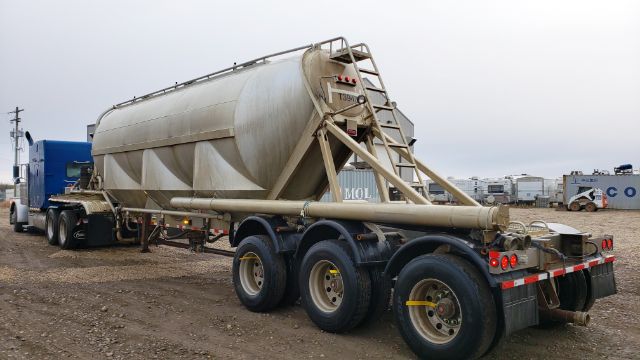
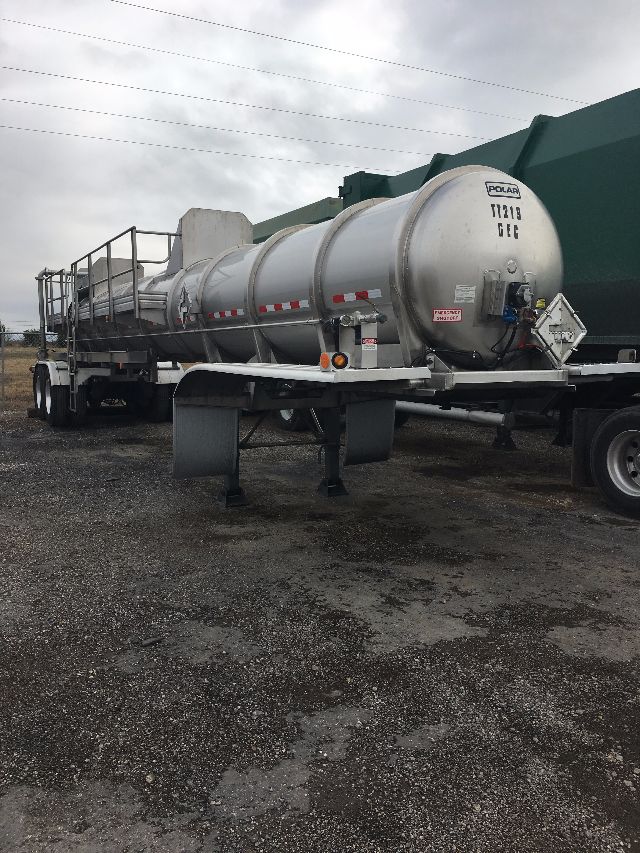

Selling a tank trailer? List your tank trailer for sale and reach thousands of commercial buyers.
Tank Trailers in Colorado
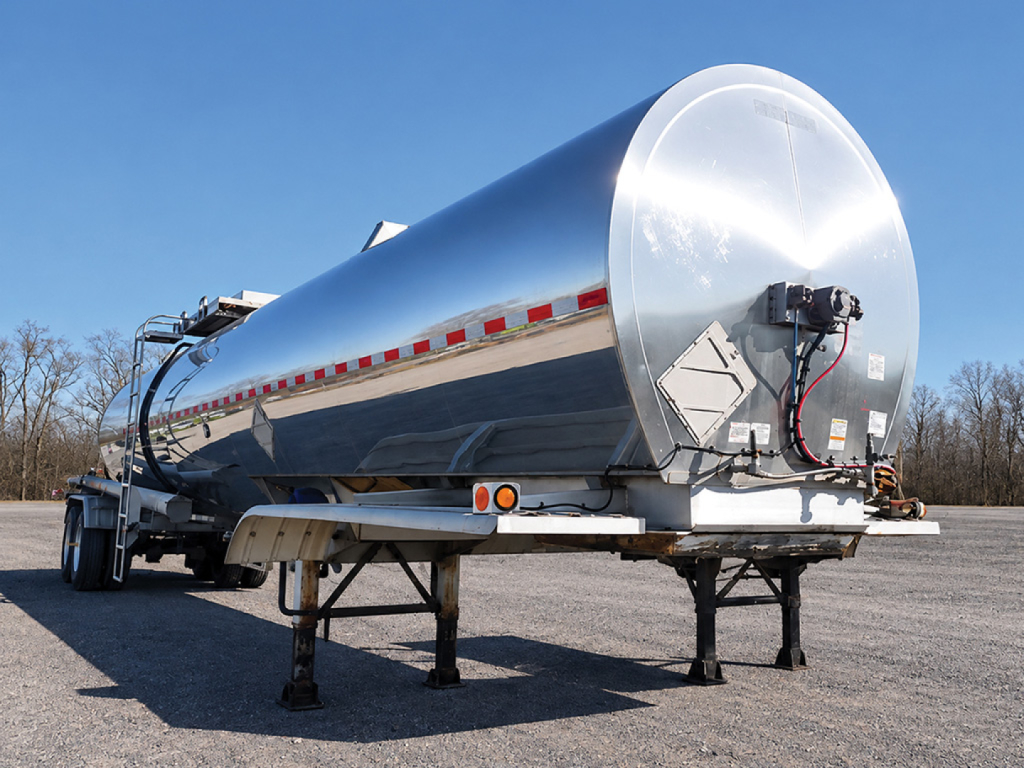
For petroleum service, aluminum tank trailers remain popular because they keep tare weight down and resist corrosion. Common configurations include straight-round and elliptical barrels, often with external rings or baffled construction to control surge. Colorado buyers will see both full-size tankers and shorter pup tank trailers, with capacities often ranging from roughly 4,500 to 9,000 gallons depending on length, compartment layout, and barrel design. Single-compartment trailers are common in older fuel service, while multi-compartment units are preferred when hauling different grades in one load. Side discharge and center discharge setups both show up regularly, typically with 4-inch piping, pressure manholes, hose tubes, and cabinet storage for delivery gear.
Suspension and axle setup affect both ride quality and operating cost. Air ride is usually preferred on longer highway tank trailers for stability and product protection, while spring suspension is still common on older pups and local-delivery equipment. Wheel and tire spec matters because many used tank trailers still run 11R24.5 rubber, and replacement cost should be factored in with brake condition, hub type, and wheel material. On a used tank trailer, a buyer should inspect the barrel, subframe, weld areas, internal baffles if accessible, manholes, vapor recovery plumbing, pump operation, and signs of past product contamination. Any petroleum trailer also needs a close look at emergency valves, overfill systems, DOT inspection status, and the legibility of the data plate.
Colorado operating conditions add another layer to the buying decision. Mountain grades, winter weather, and regional fuel delivery routes can make weight distribution, braking performance, and suspension condition more important than on flatland routes. Shorter pup tankers can be a practical fit for tighter delivery points and bulk plant work, while longer tank trailers make more sense for linehaul and higher-volume fuel movement. The best tank trailer for sale is usually the one with the right code, tested equipment, clean internal history, and a discharge configuration that matches your loading racks, pumps, and customer sites.
Frequently Asked Questions about Tank Trailers in Colorado
What is the difference between a DOT 407 tank trailer and an MC 307 tank trailer?
DOT 407 is the current specification that replaced the older MC 307 designation for many low-pressure chemical and petroleum-style tank applications. On the used market, older trailers may still carry MC 307 references because that was the spec at the time of manufacture. A buyer should verify the exact code plate, test requirements, and commodity compatibility before purchase, because the service suitability depends on the trailer’s certified specification, not just the seller’s description.
What capacity range is common for used petroleum tank trailers?
Used petroleum tank trailers often range from about 4,500 gallons on shorter pup trailers to around 8,000 to 9,000 gallons or more on full-length highway units. Actual capacity depends on trailer length, barrel shape, compartment count, frame design, and legal weight limits. In practical terms, capacity should be evaluated alongside tare weight and axle configuration, since a lighter trailer may let you carry more legal payload on Colorado routes.
What should I inspect first on a used tank trailer?
Start with the code plate, maintenance records, and the last inspection or test documentation, then move to the barrel, frame, suspension, brakes, tires, and discharge system. Pay close attention to manholes, emergency valves, vapor recovery components, overfill protection, and any pump or plumbing equipment. Evidence of leaks, poor repairs, corrosion around fittings, or unclear product history can turn a cheap trailer into an expensive compliance problem.
Are aluminum tank trailers better than steel tank trailers?
Aluminum tank trailers are popular in petroleum service because they reduce tare weight and offer strong corrosion resistance, which helps payload and long-term operating cost. Steel tank trailers can still be the right choice in certain chemical or specialty applications where product compatibility or structural requirements differ. The better material is the one that matches the commodity, cleaning process, and duty cycle rather than a blanket preference for one metal over the other.
Why do some buyers choose a tank pup trailer instead of a full-size tanker?
Tank pup trailers are shorter and generally easier to maneuver in tight yards, bulk plants, and retail delivery locations with limited access. They are common in local fuel delivery and operations where flexibility matters more than maximum gallons per trip. A full-size tanker usually delivers better linehaul volume, but a pup can be the more efficient choice if your routes involve frequent stops, restricted turn radius, or smaller delivery drops.