
Used Talbert Trailers For Sale
Shop used Talbert trailers, including lowboy and heavy haul configurations known for durable construction, high capacity, and jobsite-ready designs.
No exact matches found for your search
Showing Used Trailers instead.
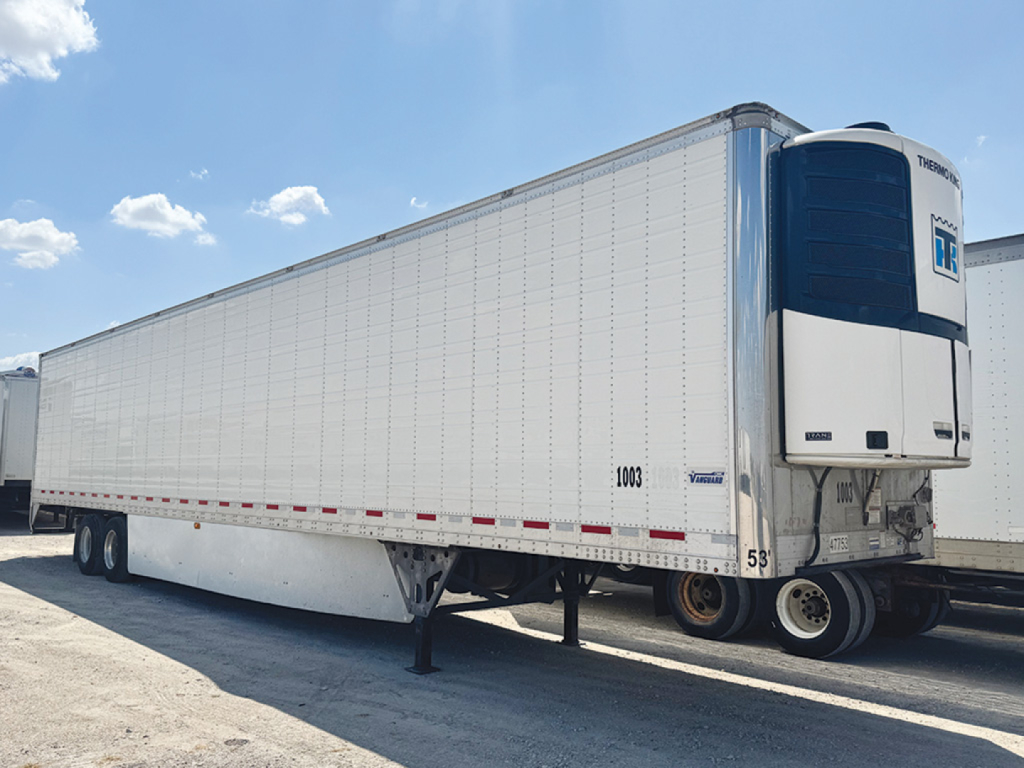
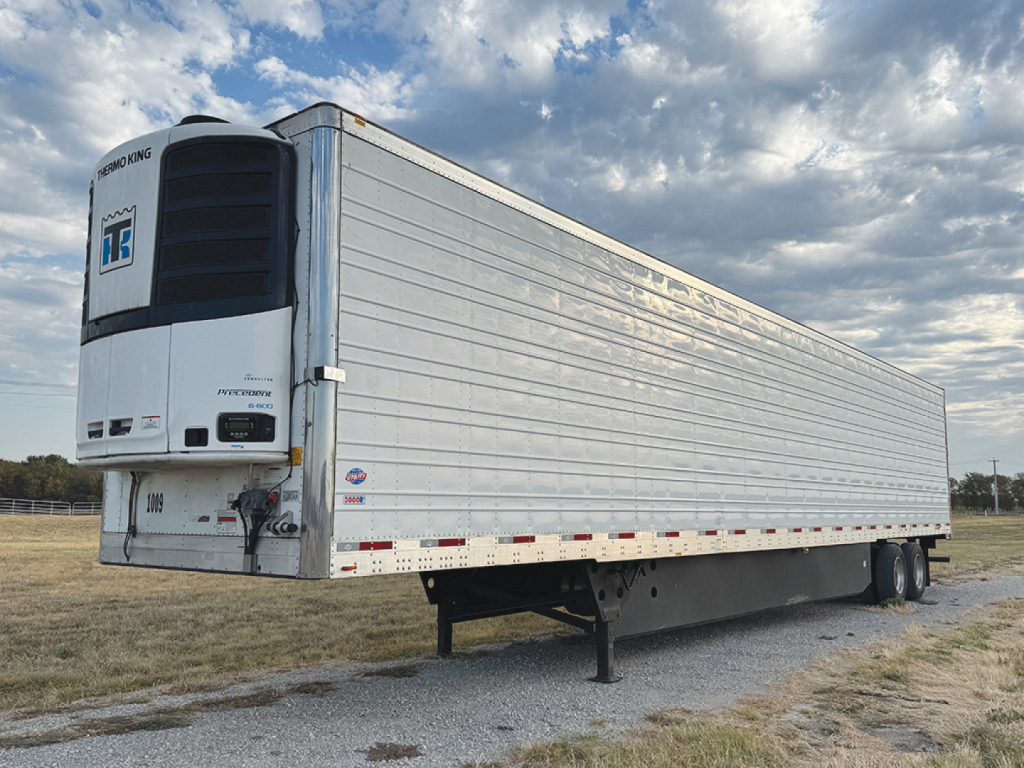
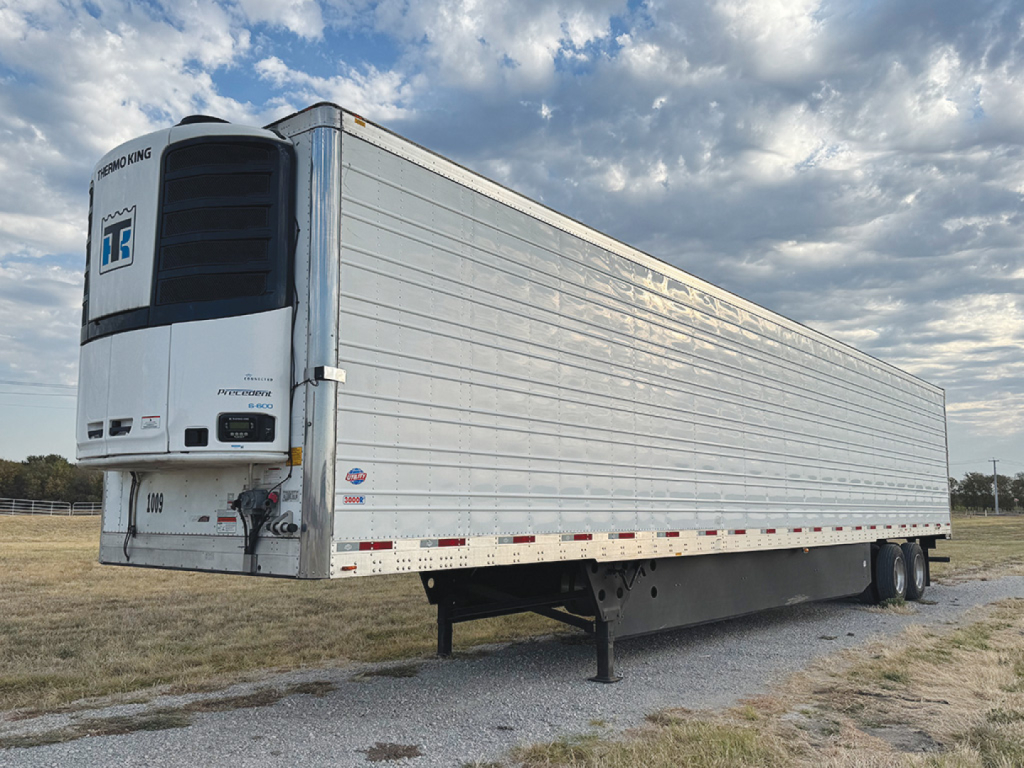
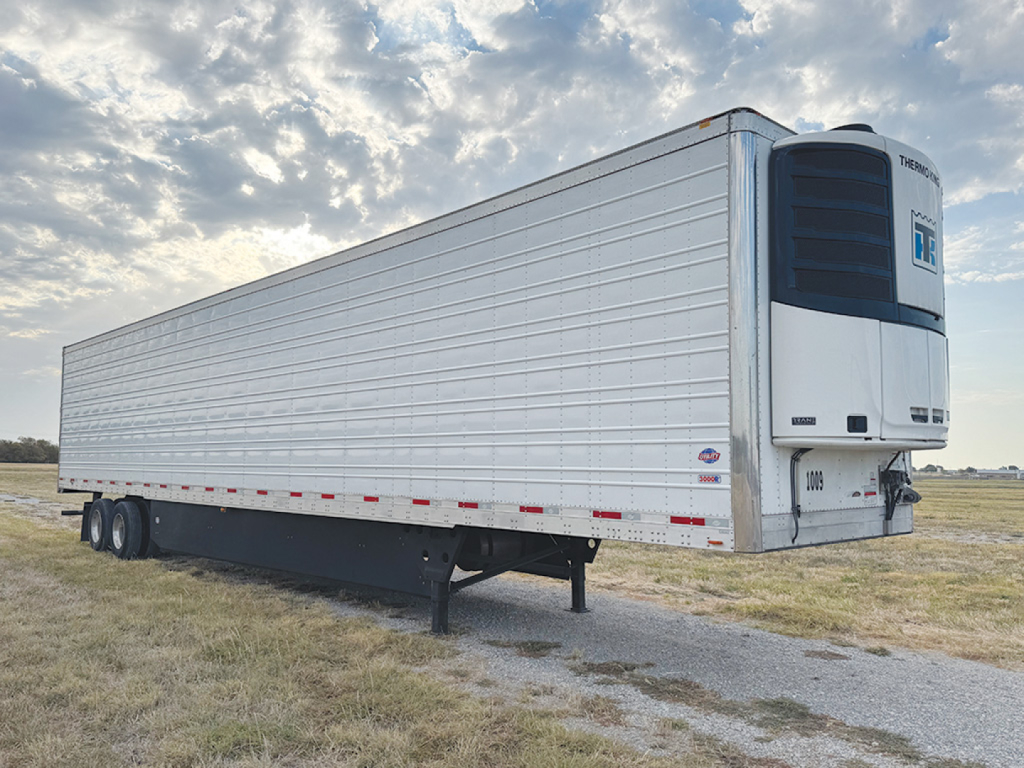
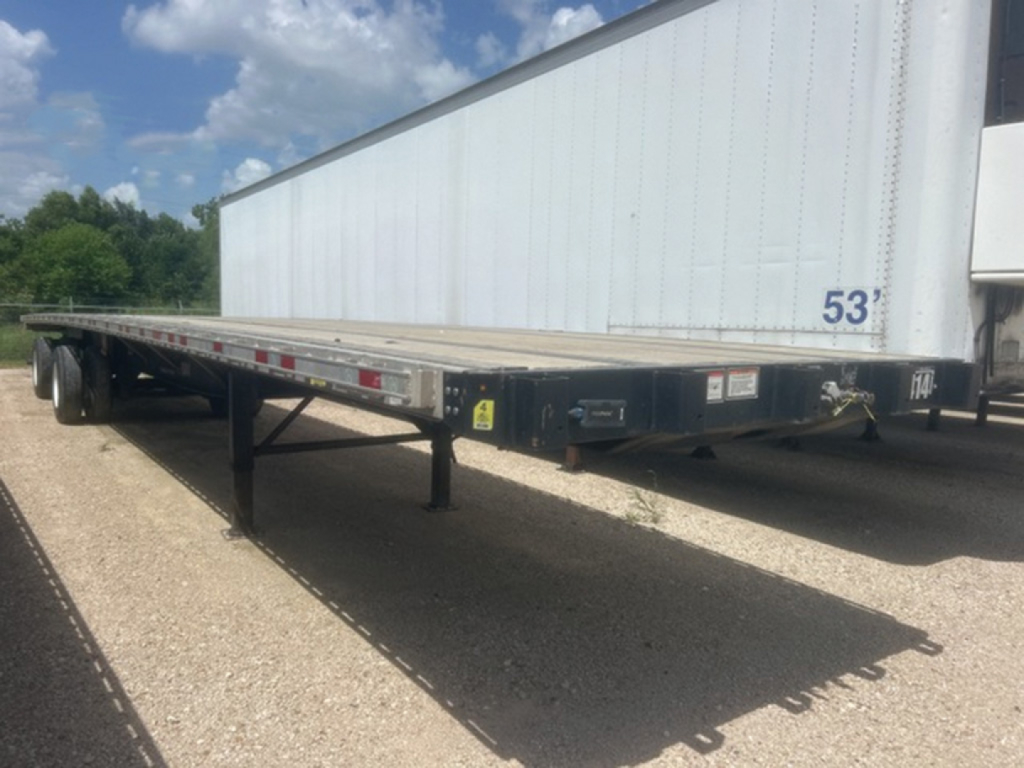
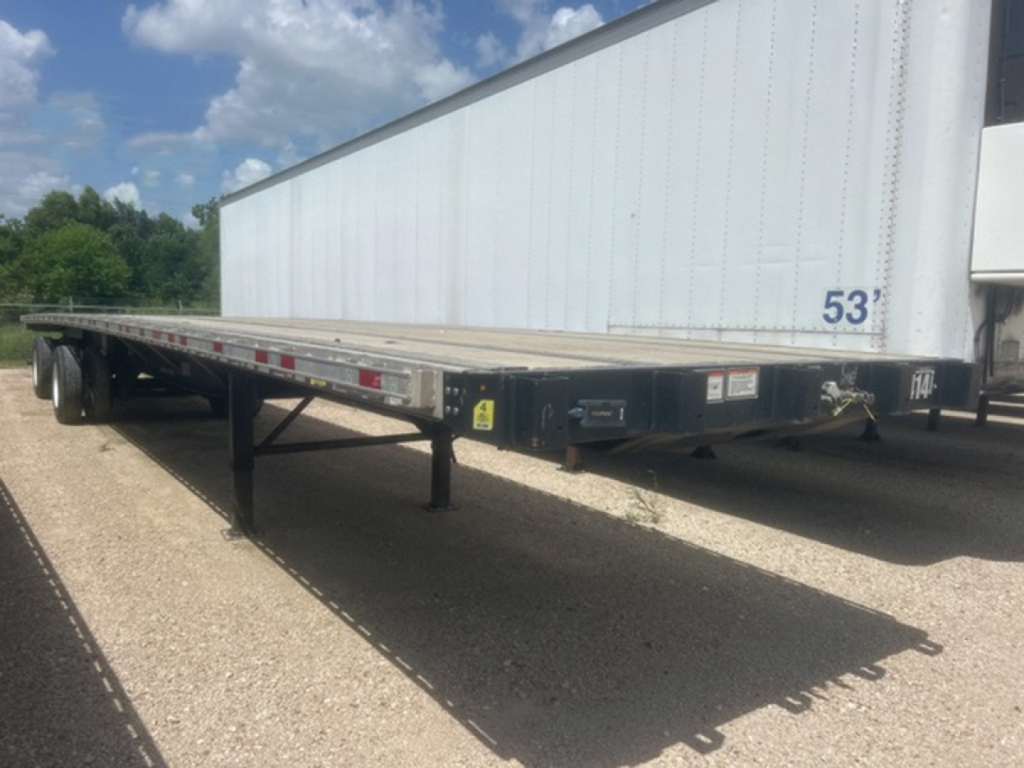
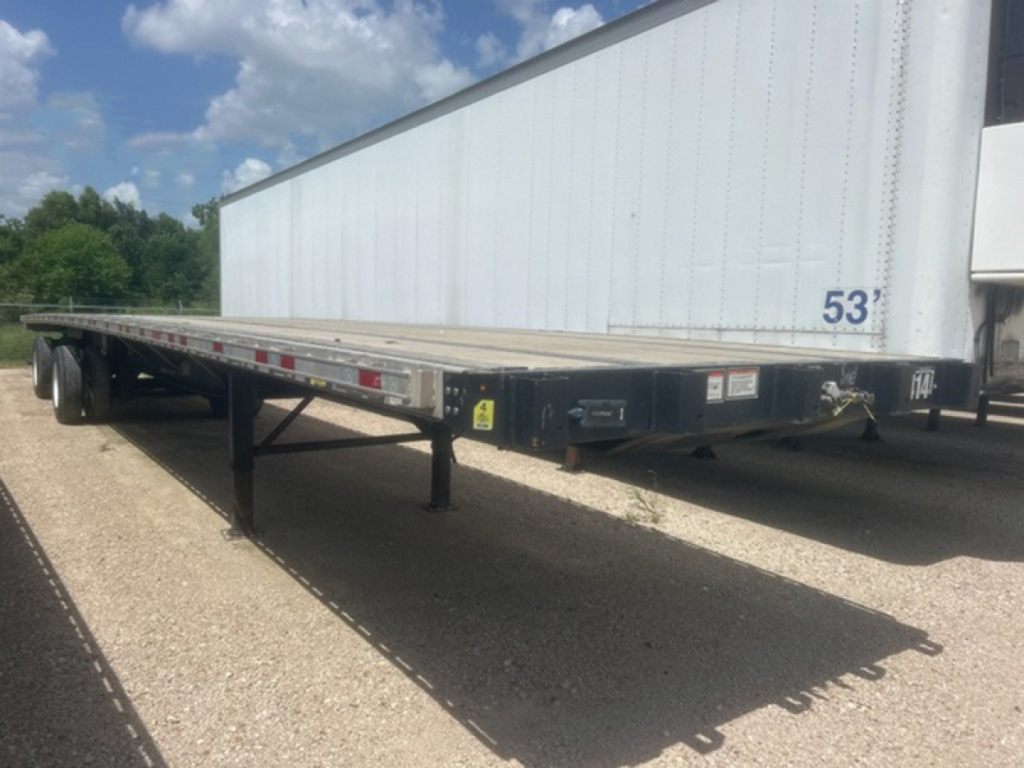
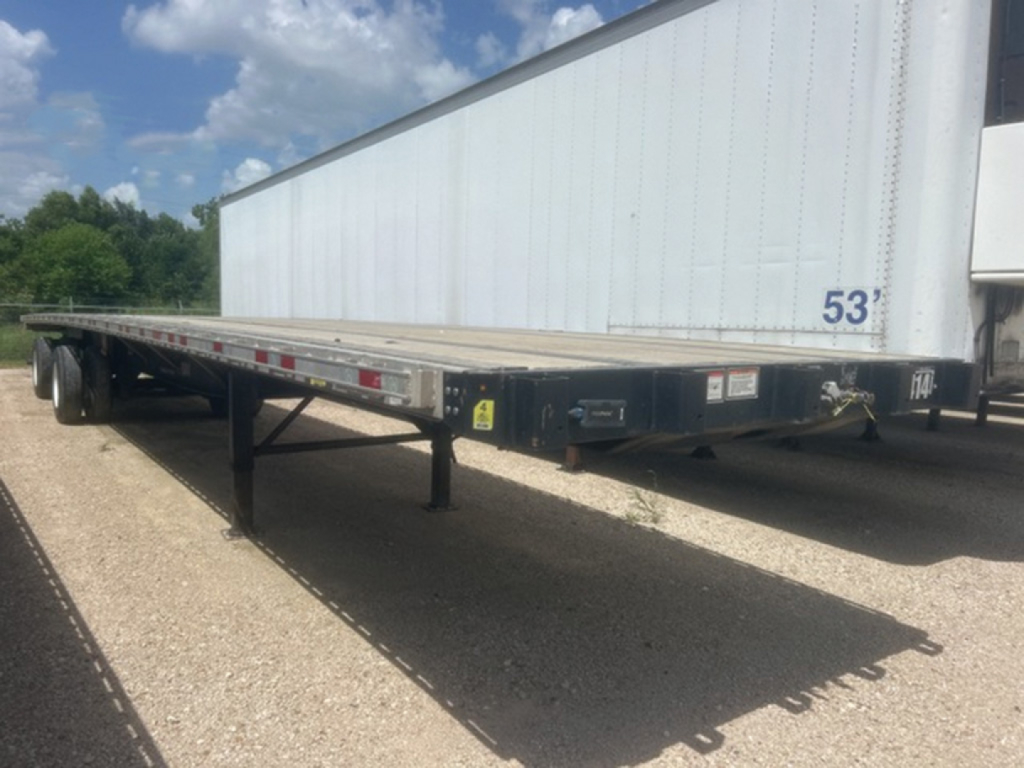
Showing 1 to 12 of 1,609 results
Have used talbert trailer to sell? List it here to reach thousands of buyers.
Used Talbert Trailers
A buyer comparing used Talbert trailers should start with capacity and configuration, not just year model. Common decisions include fixed neck versus detachable gooseneck, 35-ton class versus heavier haul ratings, number of axles, and whether the trailer is set up for a flip axle, jeep, or booster. Deck length, loaded deck height, overall width, and ground clearance are especially important if the trailer will handle pavers, excavators, dozers, cranes, or other tall equipment. Talbert lowboys are often spec'd for construction and paving fleets, so details like concentrated load rating, apitong or oak deck condition, outriggers, D-rings, hydraulic neck operation, and suspension type should be checked closely on a used unit.
On older Talbert trailers, condition evaluation is critical around the neck, main beams, crossmembers, axle connections, and any frame extension points. Buyers should inspect for previous repairs, cracking near high-stress zones, deck replacement history, brake and slack adjuster condition, suspension wear, and tire age in addition to tread depth. If the trailer includes a flip axle, confirm compatibility with the base trailer, including connector style, ride height, width, brake setup, and intended tonnage. For buyers running interstate heavy haul work, it also pays to verify VIN legibility, lighting compliance, axle spacing, and whether the trailer's current setup supports the permit loads and bridge formulas common in your operating region.
Talbert has long been associated with heavy-duty trailer engineering, which makes a used unit attractive to fleets that value rebuildability and parts support. A well-maintained used Talbert trailer can still be a practical asset for equipment transport, roadbuilding, utility contracting, and specialized hauling, provided the spec matches the freight. The best buying approach is to match trailer style to the load first, then evaluate structural condition, running gear, and attachment compatibility. That is especially true with lowboys and beam-style equipment where a trailer that is technically sound but incorrectly configured can limit legal payload, loading angle, or routing flexibility.
Frequently Asked Questions about Used Talbert Trailers
What are Talbert trailers most commonly used for?
Talbert trailers are most commonly used for heavy equipment transport, especially in construction, paving, utility, and specialized hauling applications. The brand is well known for lowboy and detachable gooseneck trailers designed to move excavators, dozers, loaders, cranes, and other machinery that requires a low deck height and strong concentrated load capacity. Some used Talbert units are also configured as beam trailers or paired with flip axles for heavier or more specialized loads.
What should I inspect first on a used Talbert lowboy trailer?
Start with the main structural areas and the running gear. Inspect the gooseneck, main beams, crossmembers, deck, axle mounts, suspension components, brakes, and wheel ends for wear, repairs, or cracking. On a heavy haul trailer, prior welding or reinforcement is not automatically a problem, but it should be evaluated carefully because stress repairs can indicate the kind of service the trailer has seen. Deck condition, hydraulic function on detachable neck models, and tire age are also important.
How do I know if a flip axle will work with a used Talbert trailer?
A flip axle must match the trailer's design and intended load rating. Buyers should confirm width, connection style, brake and lighting hookups, suspension type, ride height, and the base trailer model it was built to fit. A flip axle that physically attaches may still create operational or legal issues if axle spacing, tonnage, or frame compatibility is wrong. It is also important to verify that the combined setup will meet permit and bridge requirements for the states where the trailer will operate.
Are older used Talbert trailers still worth buying?
Yes, many older used Talbert trailers remain viable if the structure is sound and the trailer has been maintained properly. Heavy-duty trailers from established manufacturers are often kept in service for many years because they can be repaired, re-decked, relined, and updated with brakes, suspension work, or lighting. The key is not the age alone but the condition of the frame, neck, axles, and suspension, along with whether the trailer's specs still match your hauling needs.
What specs matter most when comparing used Talbert trailers?
The most important specs are capacity, axle count, deck length, loaded deck height, neck style, width, suspension type, and any compatibility with flip axles, jeeps, or boosters. Buyers should also look at tire size, brake condition, tie-down equipment, and whether the trailer has outriggers or other job-specific options. For equipment hauling, these specs directly affect what can be loaded, how easily it can be loaded, and whether the load can move legally and efficiently.