
Talbert Trailers For Sale
Shop Talbert trailers for sale, including lowboy and detachable gooseneck models built for heavy equipment, construction, and over-dimensional hauling.
No exact matches found for your search
Showing Trailers instead.
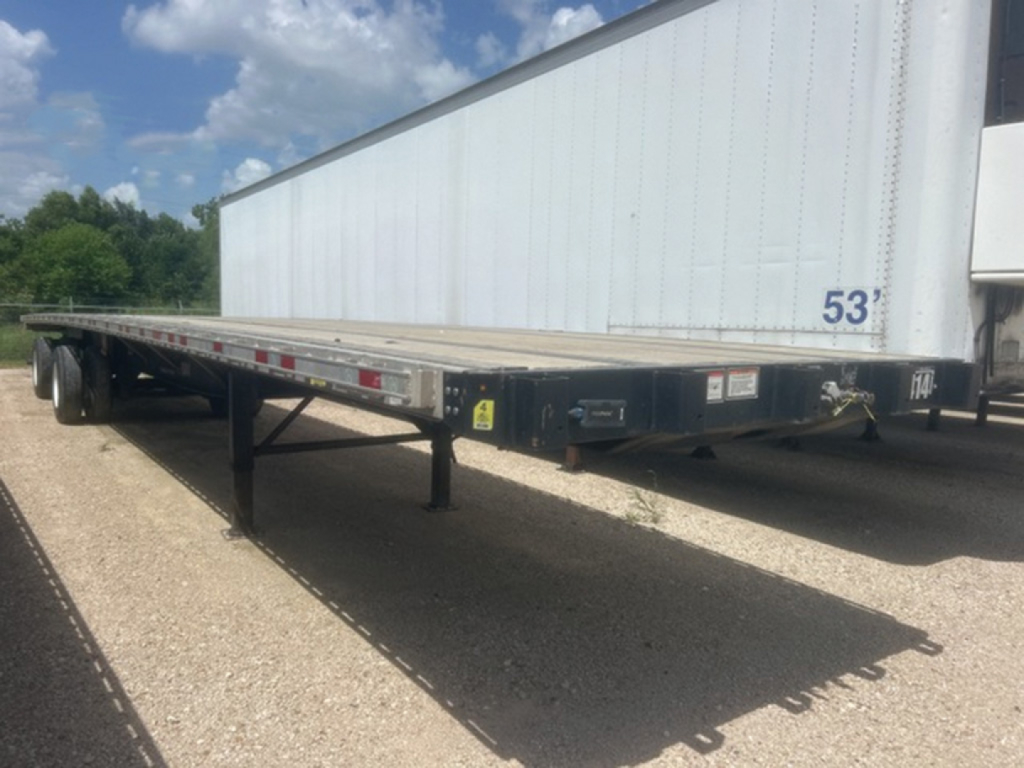
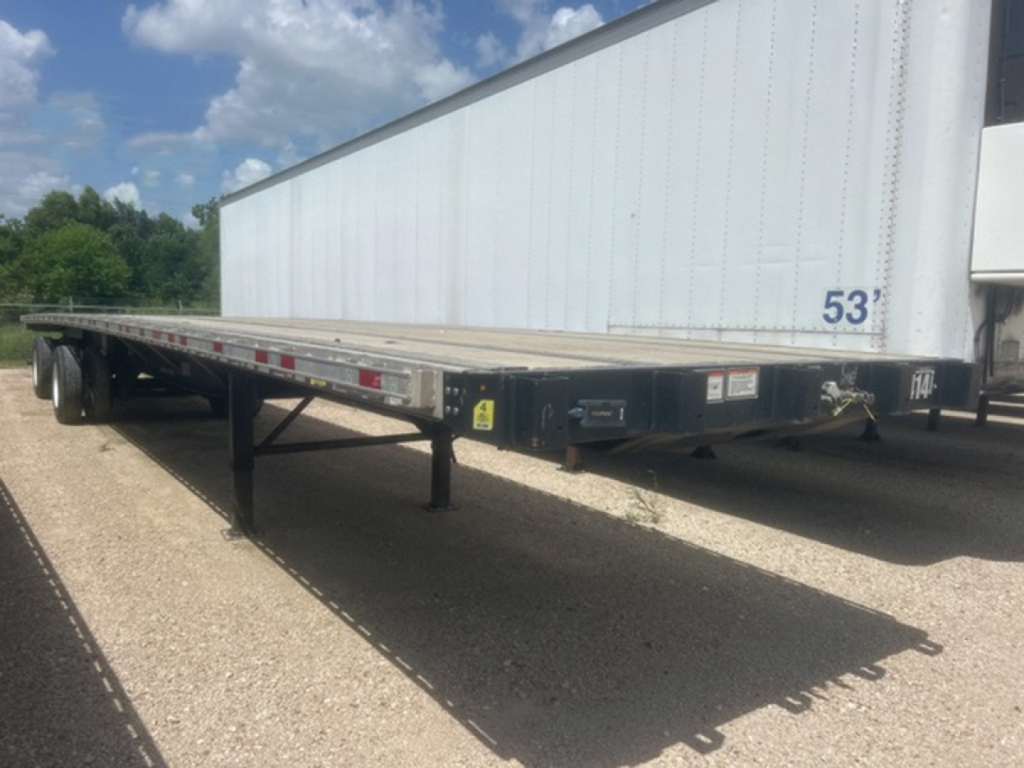
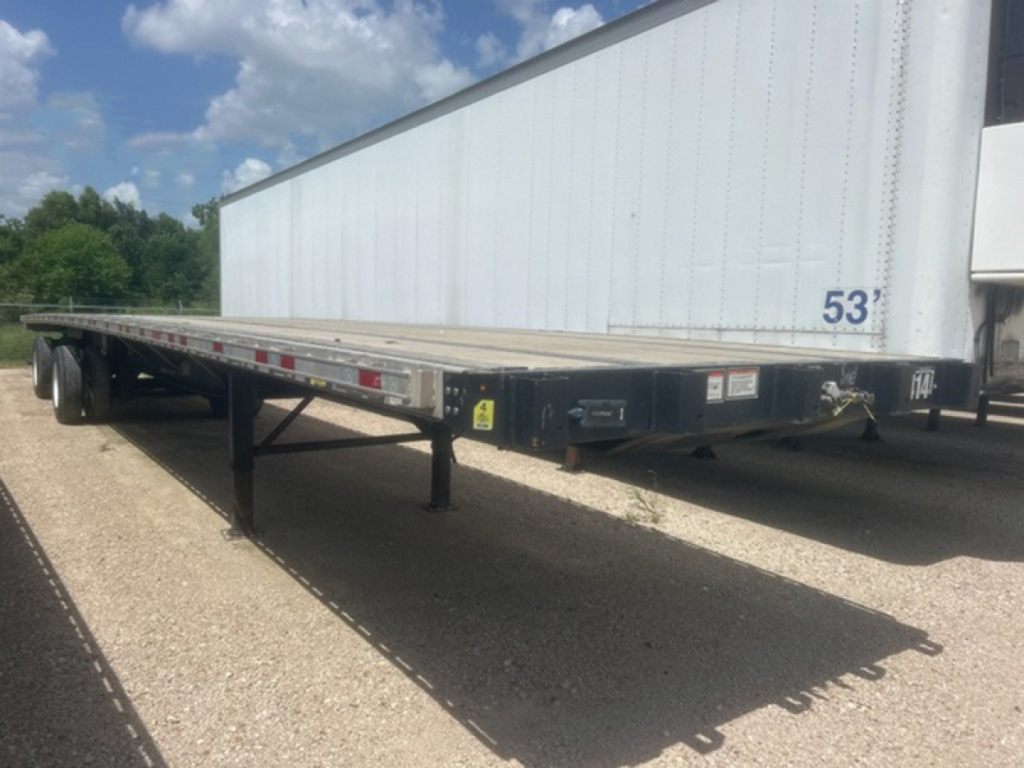
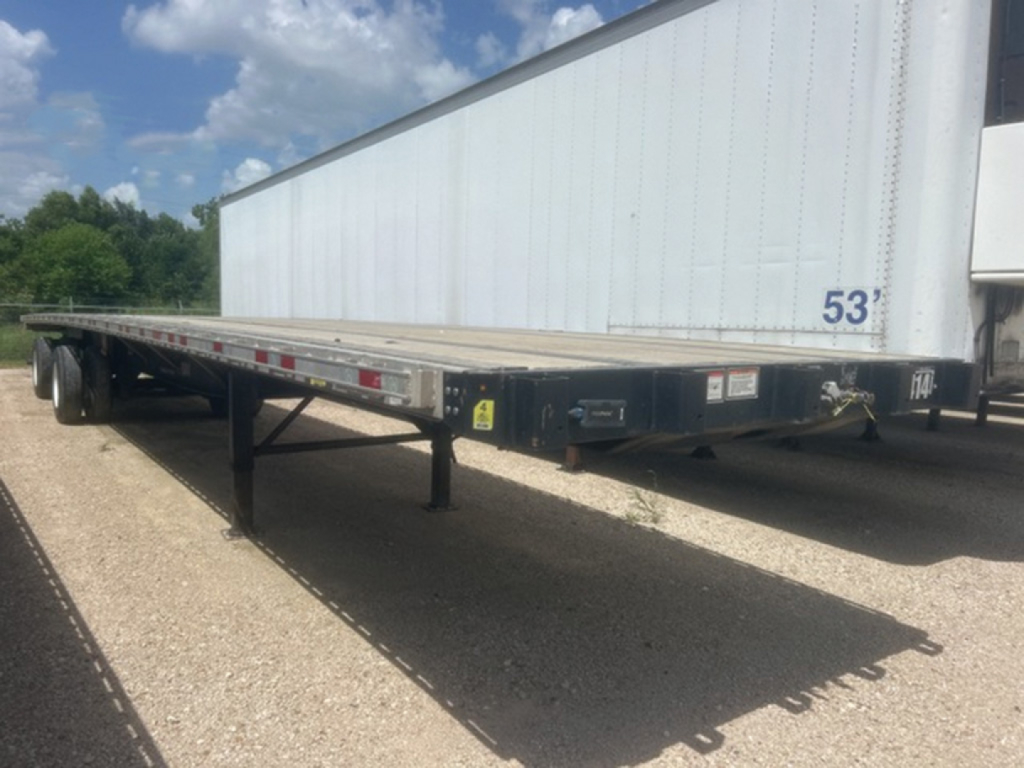
Showing 1 to 12 of 2,346 results
Have talbert trailer to sell? List it here to reach thousands of buyers.
Talbert Trailers
A lot of the buying decision comes down to deck style and loading method. Talbert lowboy trailers are commonly found with hydraulic removable goosenecks, also called RGN trailers, along with fixed-neck and traveling axle variations depending on the application. Hydraulic detachable neck models are popular for loading tall or tracked equipment because they allow ground-level loading without relying on steep ramps. Common specs include 55-ton class trailers, tridem axle groups, 102-inch overall width, apitong flooring, 18-inch to 20-inch loaded deck height, swing-out outriggers, bucket wells, open boom wells, and multiple kingpin settings to balance axle weights and bridge compliance. Some trailers are also built to accept a flip axle or spreader bar, which matters if your freight profile changes by job or route.
For buyers comparing listings, pay close attention to axle spacing, neck style, axle configuration, and whether the trailer is fixed, sliding, or flip-axle capable. A trailer set up for a 13-foot bridge in one state may not be ideal in another, so permit strategy matters as much as rated capacity. Look at ride height, loaded deck height, deck length, well length, ramp setup, tiedown package, and the number and placement of D-rings. Tire size, brake condition, suspension brand, wheel material, and lift axle equipment also affect operating cost and service life. On detachable models, inspect the hydraulic system, pony motor, cylinder condition, neck locking components, and battery backup or strobe systems if the trailer is used in frequent road moves or night work.
Talbert trailers fit fleets that need a true heavy-haul platform rather than a general-purpose equipment trailer. They are commonly used to move excavators, dozers, cranes, paving equipment, agricultural machines, and other high-weight or high-profile loads that demand low deck height and stable load distribution. The right spec depends less on the badge and more on the freight you move every week. A regional contractor hauling one main machine can often run a simpler fixed configuration, while a specialized carrier may need a hydraulic gooseneck, flip axle compatibility, close-coupled axle group, and a deck built around permit-sensitive dimensions.
Frequently Asked Questions about Talbert Trailers
What types of Talbert trailers are most common on the market?
Talbert is most commonly associated with lowboy trailers, especially detachable gooseneck and hydraulic removable gooseneck models used in heavy-haul service. Buyers will also see fixed-neck, traveling axle, and specialized deck configurations depending on the freight application. In practical terms, the most common Talbert listings tend to center on construction-style lowboys in the 35-ton to 55-ton class, with tridem axle groups and options for flip axles or spreader bars.
What should I check first when comparing Talbert lowboy trailers?
Start with capacity, deck height, neck style, and axle configuration. Those four items determine what equipment the trailer can legally and efficiently move. After that, review well length, overall deck length, kingpin settings, axle spacing, and whether the trailer is built for a flip axle or fourth axle. On used units, frame condition, neck connection wear, hydraulic function, suspension condition, brakes, tires, and tiedown points deserve close inspection because they directly affect safety, uptime, and permit flexibility.
Why do buyers pay attention to loaded deck height on a Talbert trailer?
Loaded deck height is critical because it affects overall transport height and determines how easily you can move taller machines without permit complications or route restrictions. An 18-inch to 20-inch loaded deck height is common in heavy-haul lowboy applications because it helps keep excavators, dozers, and similar equipment lower to the ground. That lower profile can make the difference between a manageable legal load and a more expensive over-height move.
What is a flip axle on a Talbert trailer, and when does it matter?
A flip axle is an auxiliary axle attachment used to increase capacity and help distribute weight for heavier loads. It matters when a trailer needs to handle changing freight demands or meet bridge and axle weight requirements on specific routes. Buyers should confirm whether a trailer already includes a flip axle, is compatible with one, or requires additional hardware such as a spreader bar. That detail can significantly affect how versatile the trailer is in real heavy-haul work.
Are Talbert trailers mainly for specialized carriers or can contractors use them too?
Talbert trailers are widely used by both specialized heavy-haul carriers and contractors with recurring equipment moves. A specialized carrier may need advanced specs such as hydraulic removable goosenecks, multiple kingpin settings, close-coupled axle groups, and permit-focused axle layouts. A contractor hauling the same excavator, paver, or dozer on repeat jobs may be better served by a simpler configuration that still delivers the strength, low deck height, and tiedown layout needed for daily field use.