
Talbert Trailers For Sale in Pennsylvania
Have talbert trailer to sell? List it here to reach thousands of buyers.
Talbert Trailers in Pennsylvania
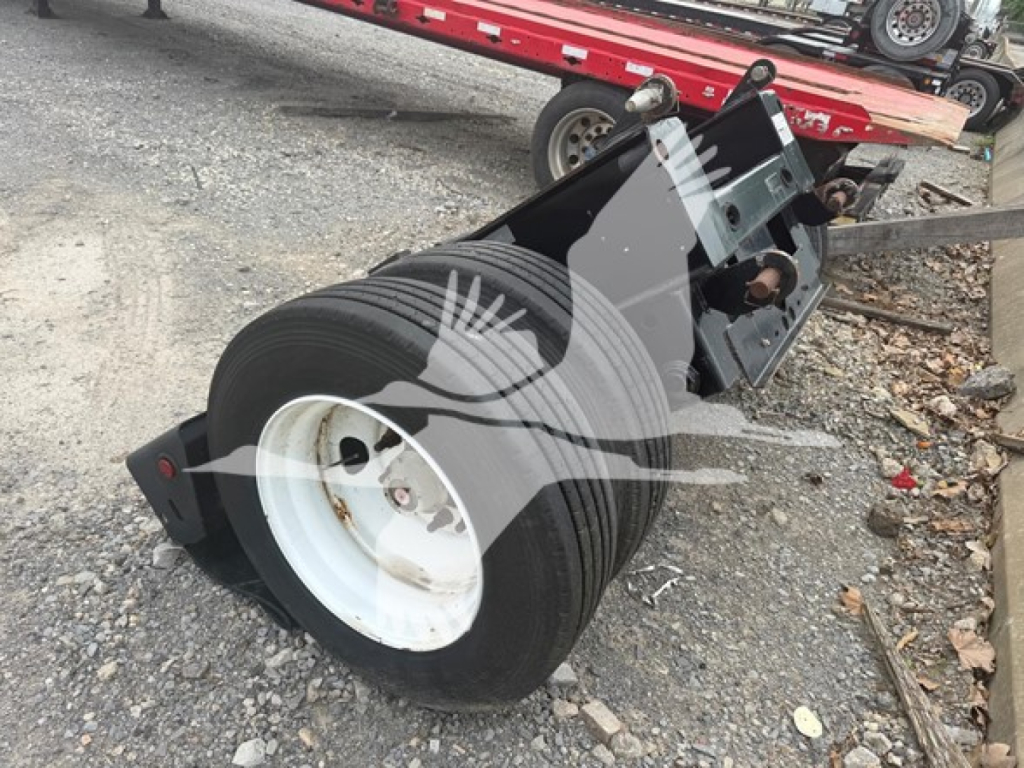
A used Talbert trailer should be evaluated around structure and configuration before cosmetics. Look closely at the main beams, deck crossmembers, outriggers, neck connection points, bucket well area, and suspension hangers. On detachable units, inspect hydraulic neck operation, locking hooks, deck alignment, and the wear points around the gooseneck. On axle-equipped accessories such as flip axles or spreader attachments, confirm compatibility with the base trailer, including width, ride height, air and electrical hookups, brake setup, and intended tonnage. In this category, you may also see specialized add-ons that fit specific Talbert 35-ton, 50-ton, or higher-capacity construction trailers, so matching the attachment to the exact trailer family matters.
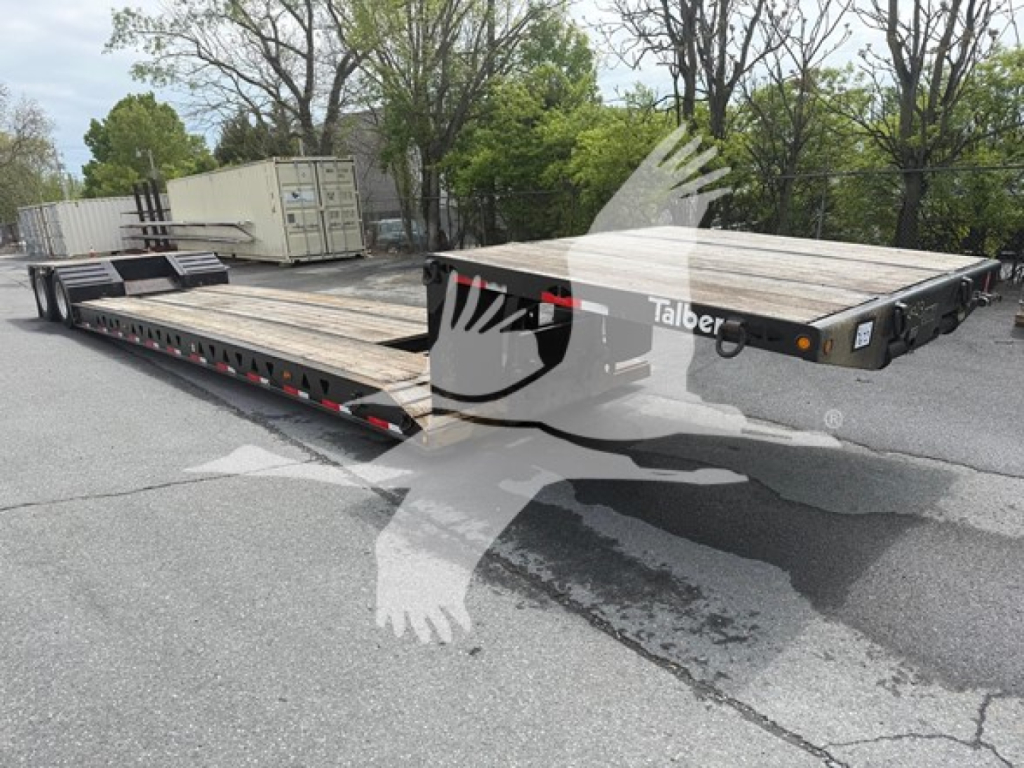
Pennsylvania buyers should also pay attention to practical road-use details such as overall width, tire size, suspension type, brake condition, and lighting. Common specs on Talbert trailers include 102-inch width, steel construction, air ride or mechanical suspension depending on application, and 22.5-inch rubber on hub-piloted wheels. D-rings, chain slots, traction aids, and deck apitong condition all affect real-world usability. For lowboy and heavy equipment transport, ground clearance, rear transition angle, and deck height can be just as important as gross rating, especially if the trailer will handle asphalt equipment, skid steers, excavators, or road-building machines with low belly clearance.
Talbert remains a strong choice for fleets and owner-operators that need a purpose-built heavy haul trailer rather than a general-duty platform. The right trailer depends on how often it will be loaded, the types of machinery being moved, permit requirements, and whether future axle additions are part of the plan. A lighter-use contractor may prioritize a straightforward fixed-configuration trailer with solid brake and tire life remaining, while a dedicated heavy haul operation may place more value on removable neck design, flip axle capability, and suspension setup that can handle frequent loading cycles and variable jobsite conditions.
Frequently Asked Questions about Talbert Trailers in Pennsylvania
What types of trailers is Talbert best known for?
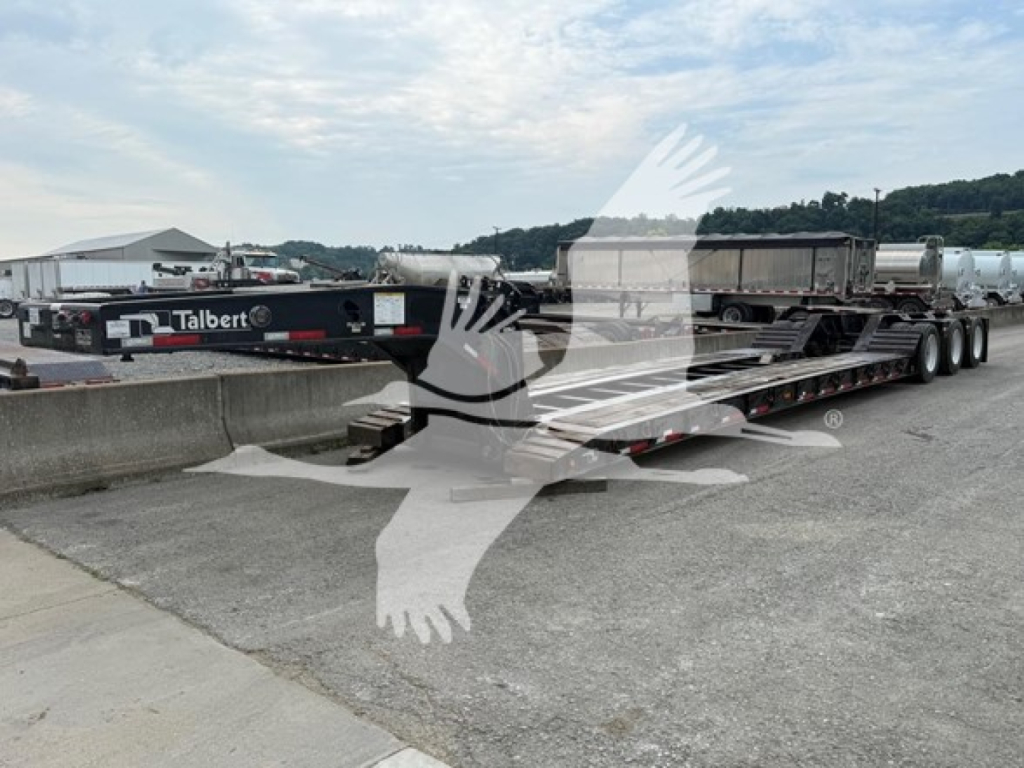
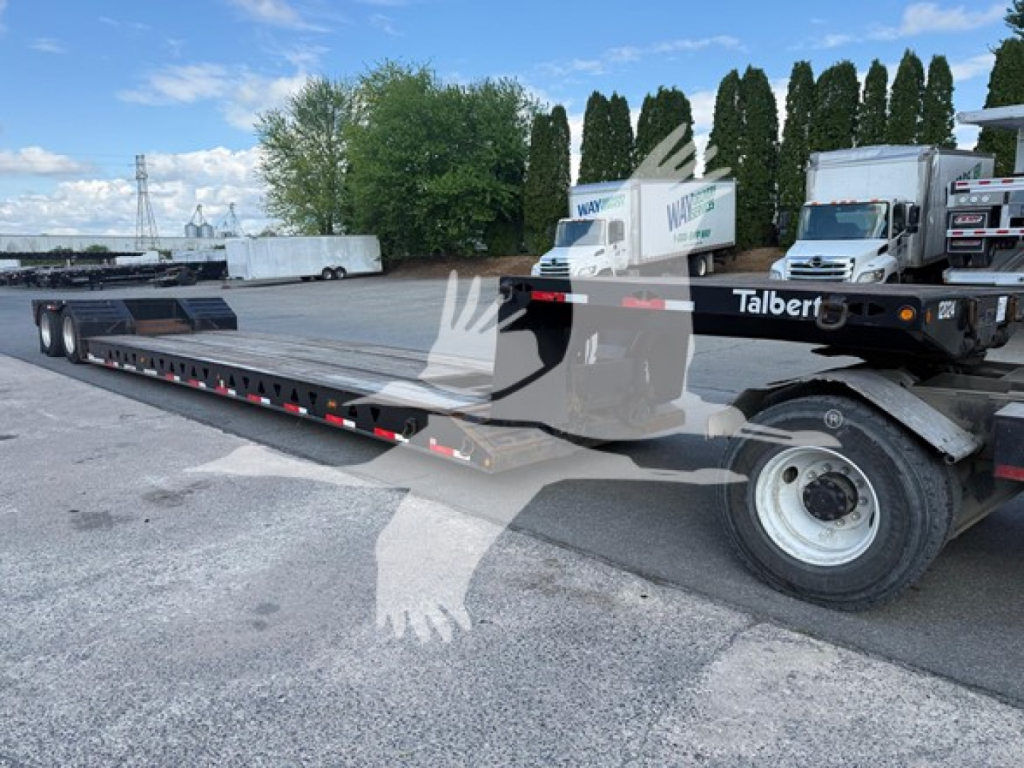
Talbert is best known for lowboy and other heavy haul trailer designs used to move construction and industrial equipment. The brand is commonly associated with detachable gooseneck trailers, construction lowboys, traveling axle trailers, tags, and specialized configurations that support higher payloads and equipment with challenging loading angles. Their products are often chosen for excavators, dozers, pavers, crushers, and other machines that require a strong frame and purpose-built load handling.
What should I inspect first on a used Talbert lowboy or heavy haul trailer?
Start with the structural areas that carry the load. Check the main frame rails, crossmembers, neck assembly, suspension mounts, axle alignment, and deck condition. Look for repairs, cracks, elongated pin holes, uneven tire wear, and signs of hard use around the load-bearing sections. On detachable neck trailers, inspect the locking mechanism, hydraulic function, and alignment between the neck and deck. Tires, brakes, lights, and air system condition matter, but the frame and connection points usually determine the trailer's long-term value.
Why does flip axle compatibility matter on a Talbert trailer?
Flip axles are not universally interchangeable just because the brand matches. Compatibility depends on the trailer series, ton rating, connection design, ride height, brake system, and air and electrical hookups. A flip axle built for a Talbert 35-ton construction trailer may not fit or function correctly on another Talbert model with a different rear frame design. Buyers should verify exact fitment and intended capacity before treating a flip axle as a usable extension of the trailer.
Are Talbert trailers a good fit for Pennsylvania hauling?
Talbert trailers are commonly used in Pennsylvania because they suit construction, paving, aggregate, and equipment-moving work that demands durable heavy haul equipment. Buyers should still match the trailer to local and regional permit needs, bridge considerations, axle spacings, and the types of roads used most often. In a state with mixed interstate, rural, and jobsite conditions, deck height, suspension type, lighting, and axle configuration all play a practical role in daily operation.
Which specs matter most when comparing Talbert trailers for sale?
The most important specs are capacity, deck length, loaded deck height, neck style, number of axles, axle spacing, suspension type, and overall trailer condition. After that, focus on tie-down equipment, deck material, tire size, brake life, and whether the trailer has options such as outriggers, pony motor, winch, or flip axle capability. The best trailer is the one that matches the dimensions and weight profile of your actual equipment, not just the highest advertised ton rating.