
New Talbert Trailers For Sale in Ohio
New Talbert trailers for sale in Ohio: compare lowboy and tag configurations, load ratings, hydraulic requirements, and state hauling permit considerations.
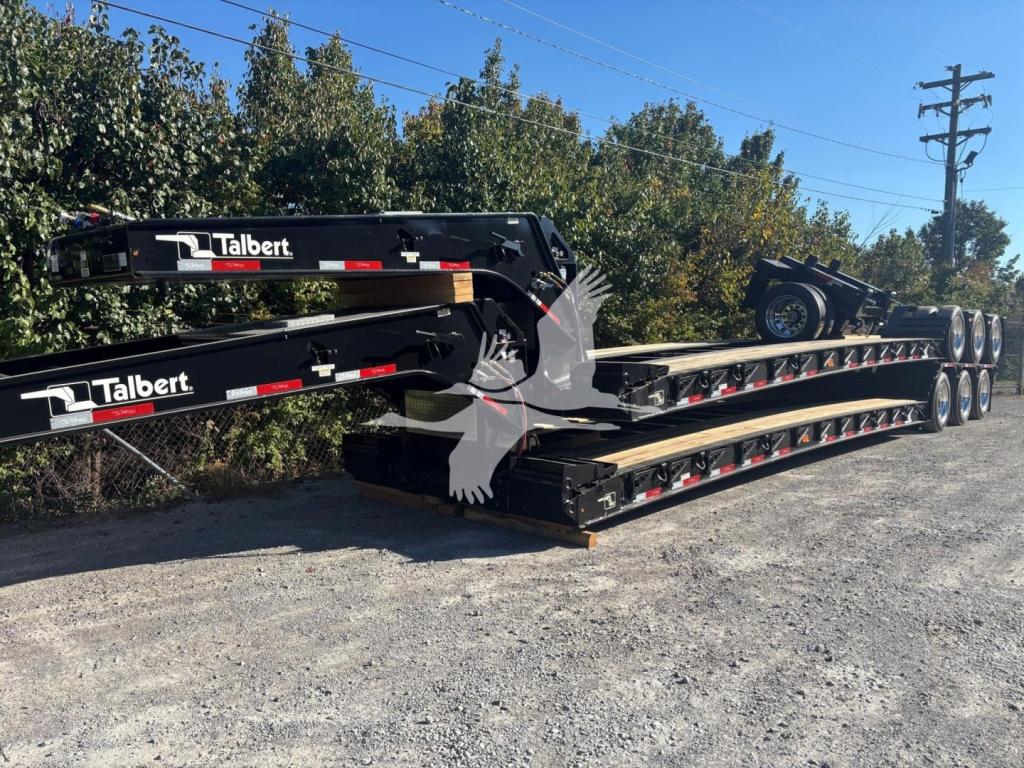
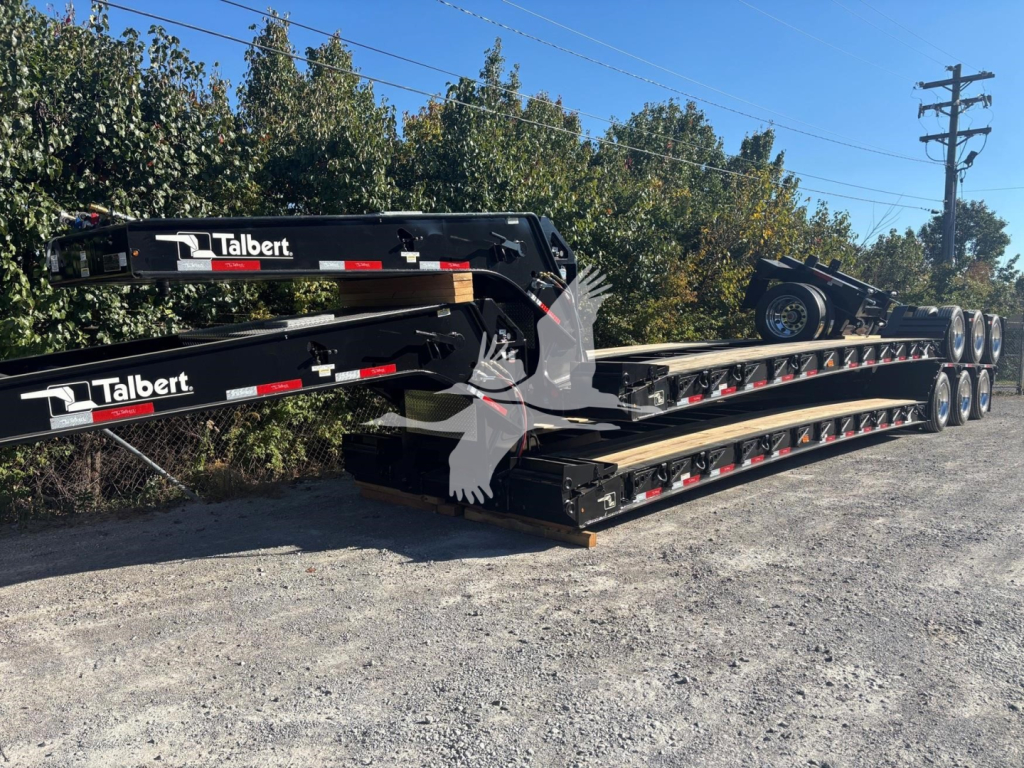
Selling a new talbert trailer? List your new talbert trailer for sale and reach thousands of commercial buyers.
New Talbert Trailers in Ohio
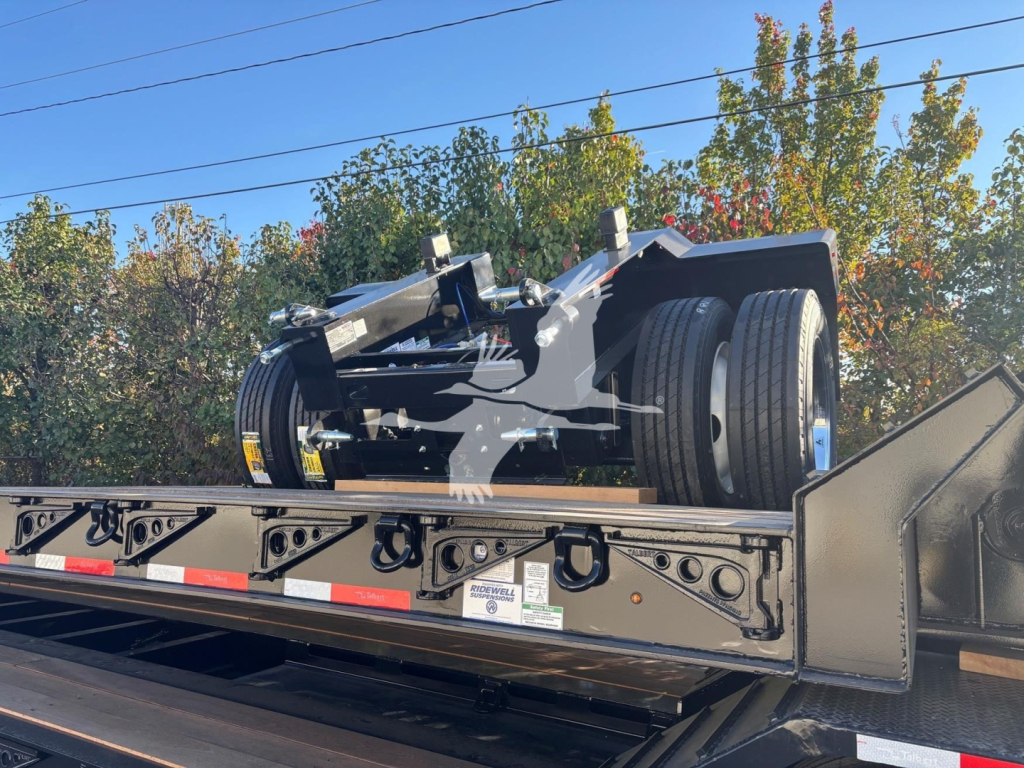
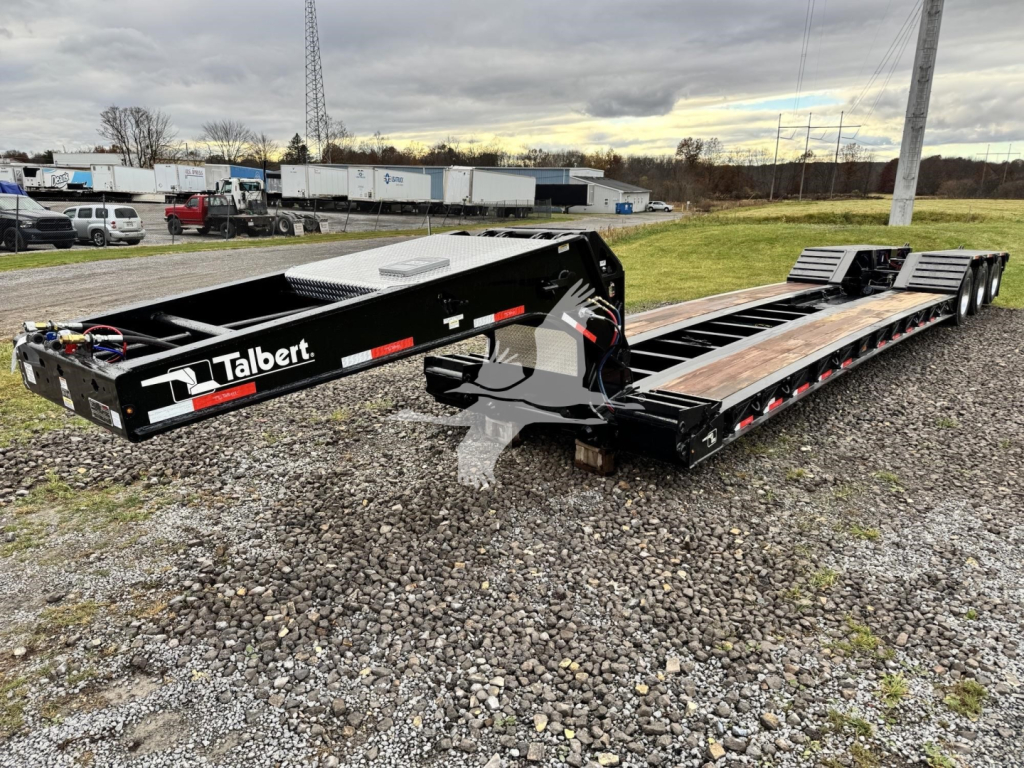
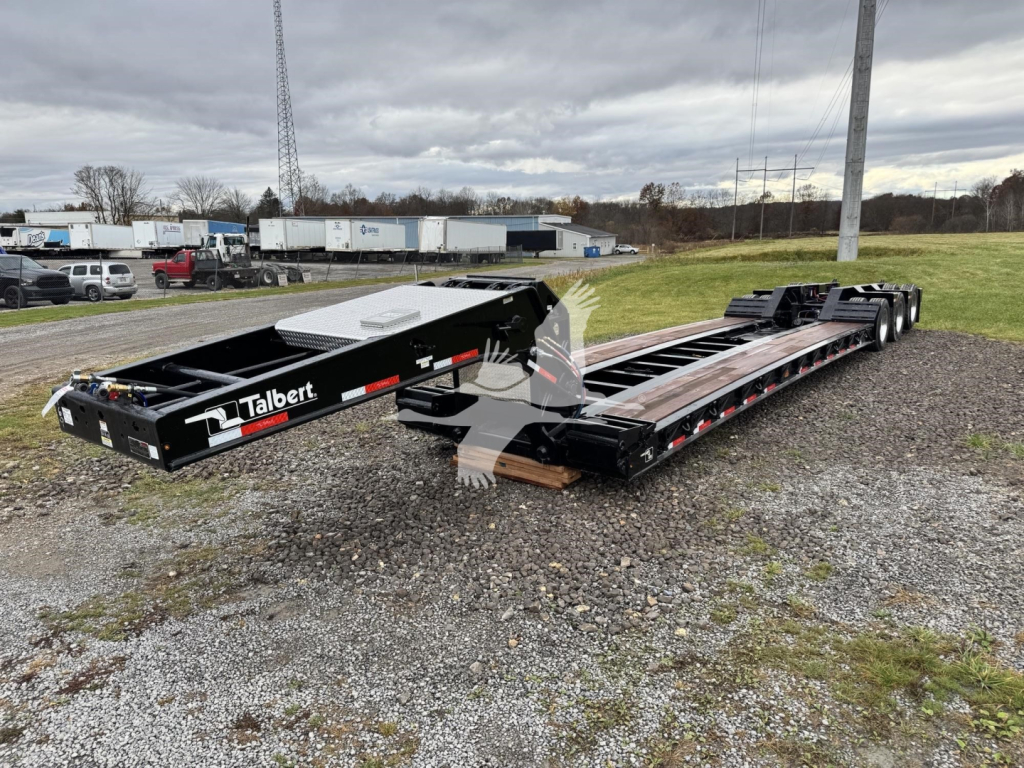
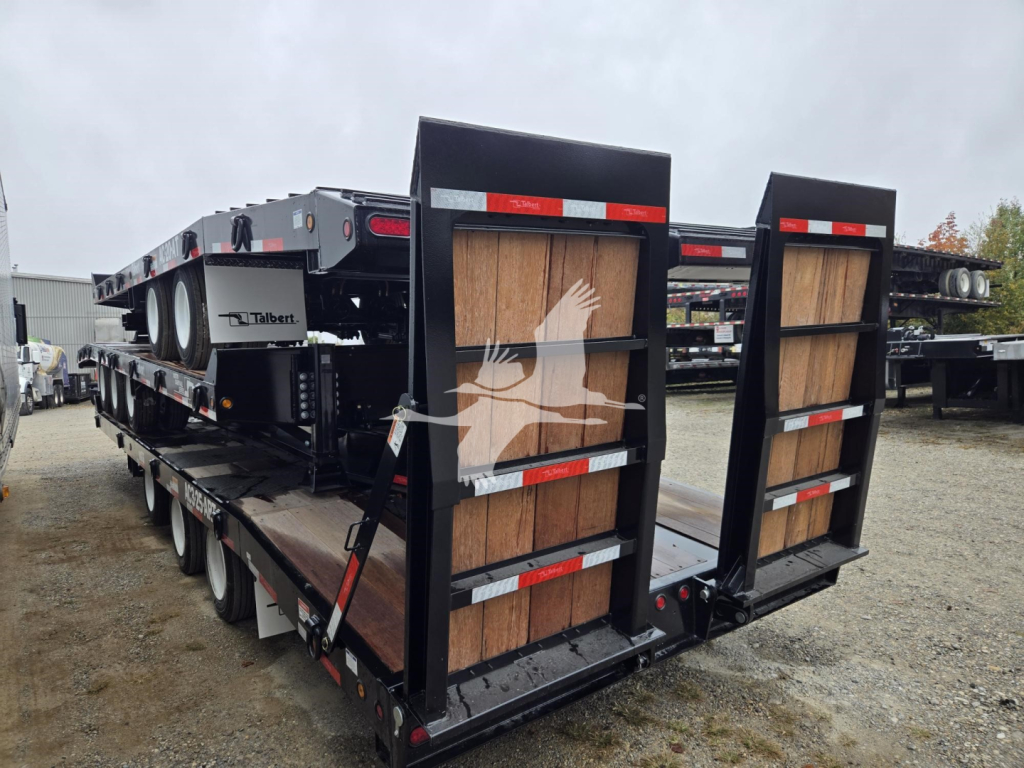
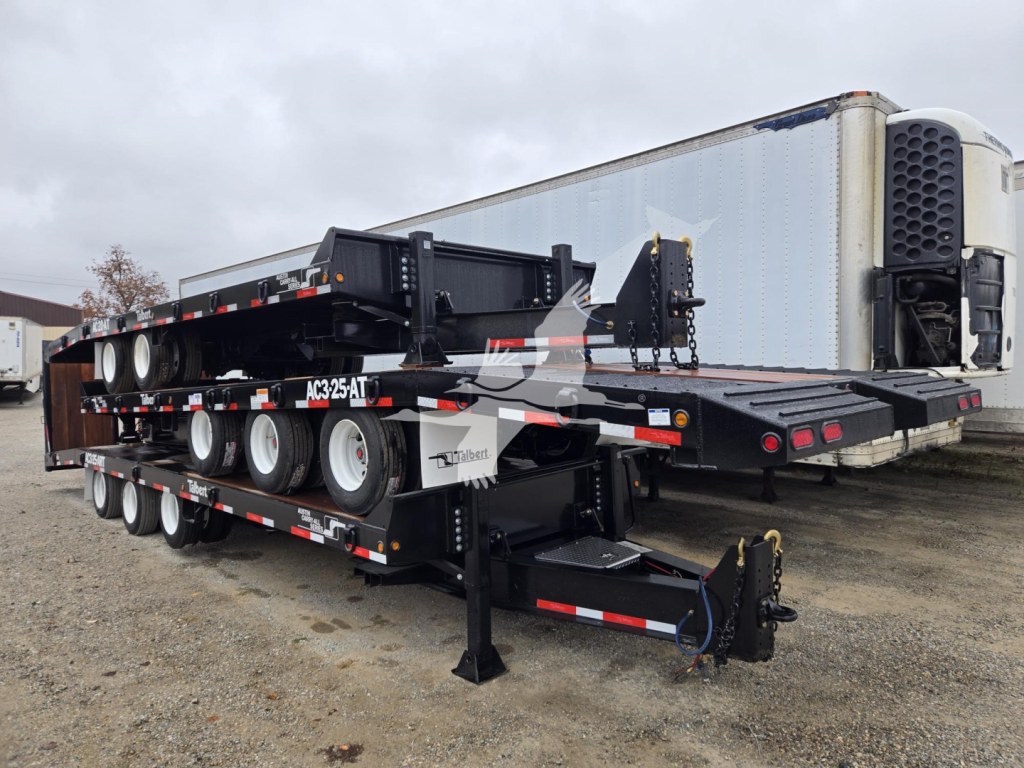
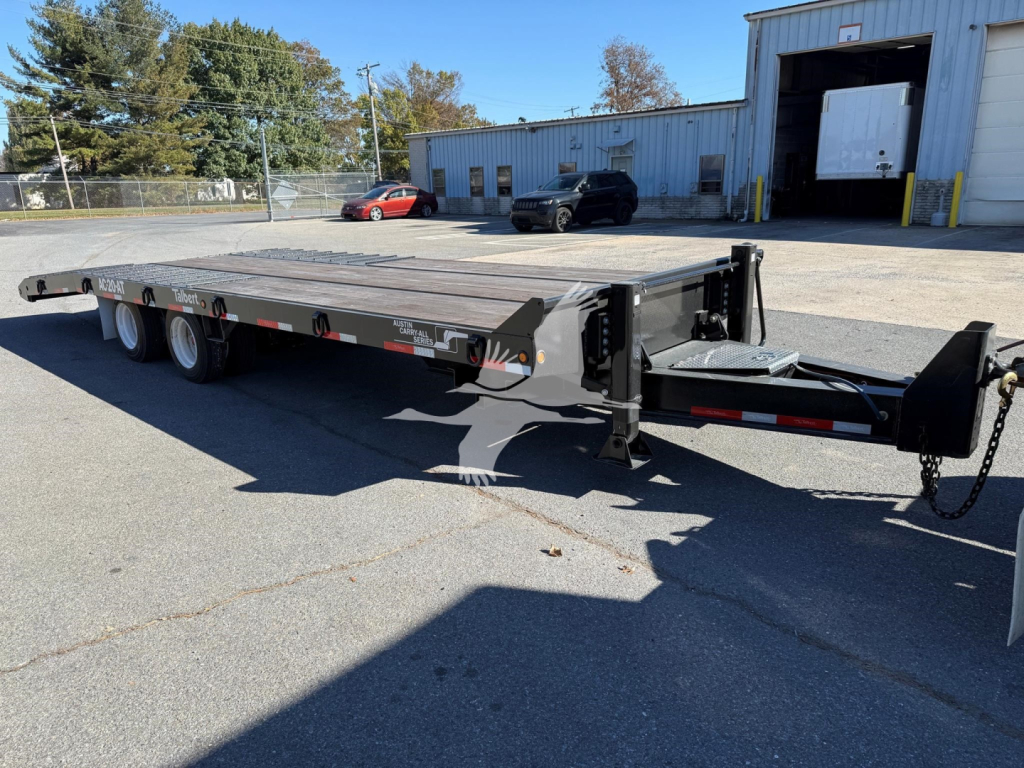
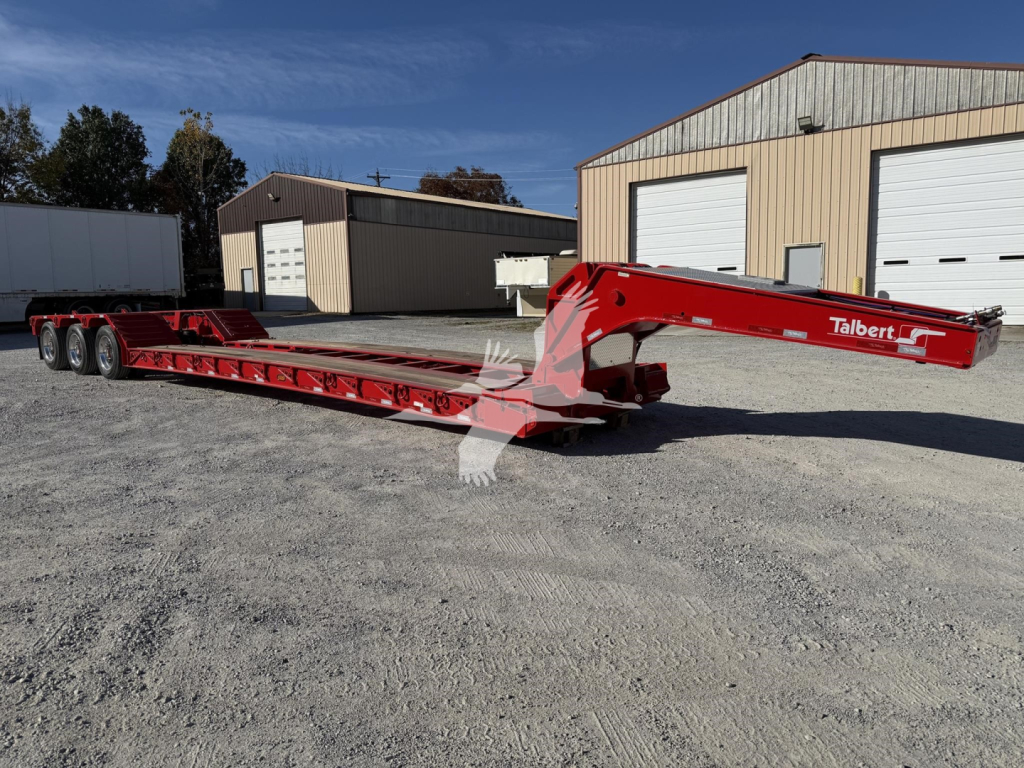
On a detachable-gooseneck lowboy, compare the manufacturer's load rating over a stated deck length with the machine's track or tire contact area. Usable well length, loaded deck height, gooseneck swing clearance, and rear bridge geometry matter more than overall trailer length alone. Specify tractor hydraulic compatibility or an approved self-contained power arrangement before delivery. A tag trailer needs equally careful matching of pintle and drawbar ratings, truck towing capacity, tongue load, ramp geometry, and brake connections.
Ohio roadbuilding, quarry work, utility construction, and machinery hauling put different demands on deck height, loading angle, and concentrated-load capacity. The I-70, I-71, I-75, and I-80/I-90 corridors connect construction and manufacturing markets, but an interstate-friendly combination may still face restricted local bridges or jobsite access. Check loaded width, height, axle spacing, and axle-group weights against the intended route before selecting an axle configuration. ODOT permits do not replace approvals required by other road authorities. Winter road salt makes coating coverage, protected wiring, sealed electrical connections, and accessible washout areas practical specification priorities even on a new trailer.
New-trailer paperwork should identify the exact ordered model, axle and tire ratings, deck material, tiedown locations, and any factory-approved flip-axle provisions. Confirm written structural warranty terms and separate component coverage for suspension, brakes, and hydraulics, including exclusions and claim procedures. Establish whether the 12% federal excise tax applies to the first retail sale and how it is documented. Before acceptance, cycle the loading system, verify ABS operation and brake adjustment, inspect hose routing, and record baseline tire pressures and wheel-fastener torque requirements.
Frequently Asked Questions about New Talbert Trailers in Ohio
Do I need a CDL to pull a new Talbert tag trailer in Ohio?
A Class A CDL is generally required when the combination's rated or actual combined weight reaches 26,001 pounds and the trailer's rated or actual weight exceeds 10,000 pounds. Use the greater applicable rated or actual weight when determining the requirement. A Talbert tag trailer behind a dump truck can meet these thresholds even without a tractor. Ohio exemptions and air-brake restrictions require separate review.
Can I add a flip axle to any Talbert lowboy?
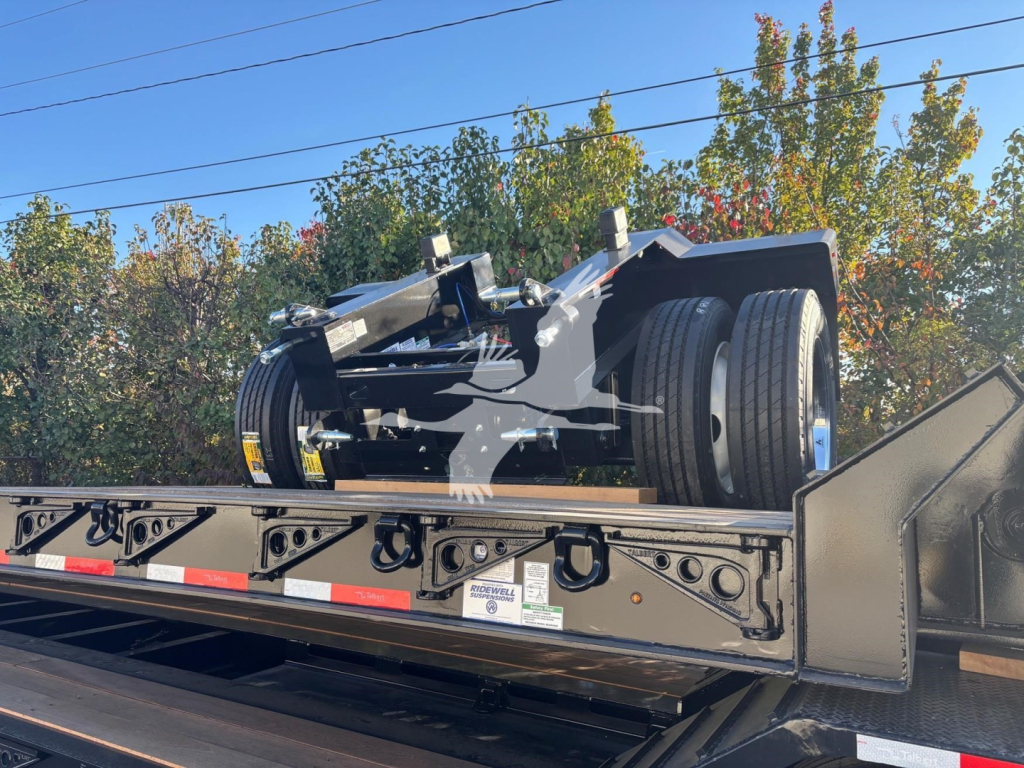
A flip axle requires a Talbert lowboy specifically engineered and equipped for the attachment. Match the approved connection geometry, frame height, suspension, brakes, and air and electrical connections rather than relying on the model name alone. An additional axle does not automatically increase the trailer's structural capacity or legal payload. Obtain the approved configuration and loading information for the exact trailer before ordering.
How tall and wide can a loaded Talbert trailer be without an Ohio oversize permit?
Ohio's normal legal loaded height is 13 feet 6 inches, and standard legal width is 102 inches. Measure the loaded Talbert trailer at its operating ride height, including the machine's highest point and cargo projecting beyond the deck. Outriggers support wider equipment but do not eliminate permit requirements. Route restrictions, construction clearances, and local-road approvals still need review even when the load meets standard dimensions.
How many tiedowns does an excavator need on a Talbert equipment trailer?
Wheeled or tracked equipment weighing 10,000 pounds or more generally requires at least four tiedowns under federal heavy-equipment securement rules. On a Talbert equipment trailer, use appropriately rated anchors and securement equipment positioned to resist movement forward, rearward, sideways, and vertically. Lower and secure accessory equipment such as buckets and booms. Four tiedowns alone do not establish adequate aggregate working load limit or proper securement geometry.