
Used 2009 Strick Trailers For Sale
Browse used 2009 Strick trailers for sale, including dry van and pup configurations with common specs, lining options, suspension types, and door setups.
No exact matches found for your search
Showing 2009 Used Trailers instead.
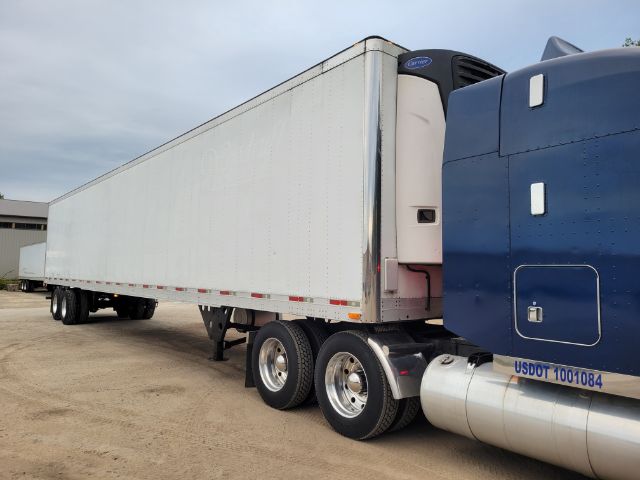
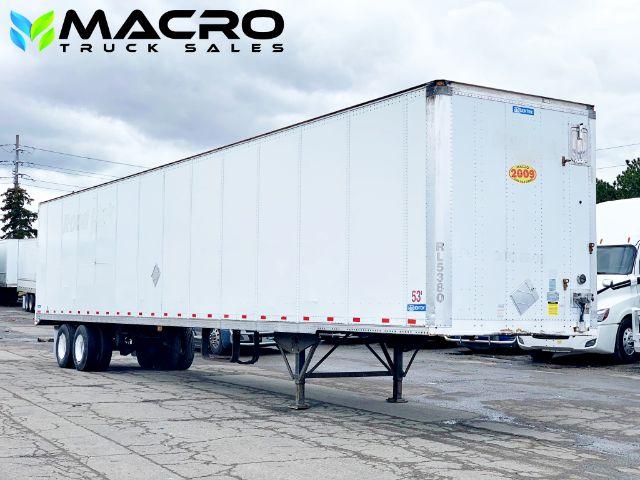
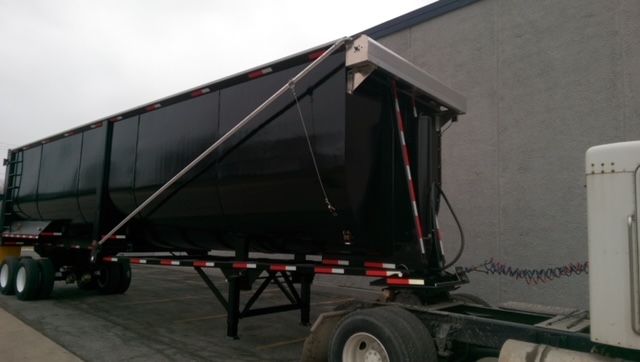
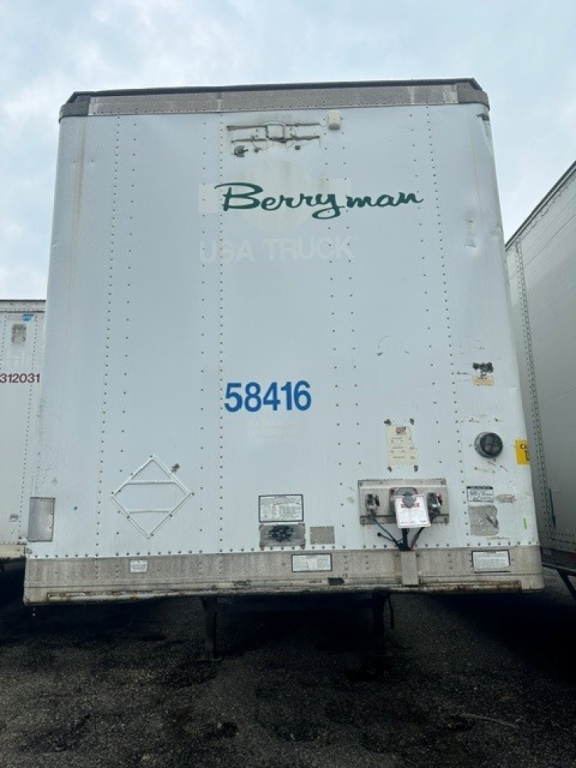
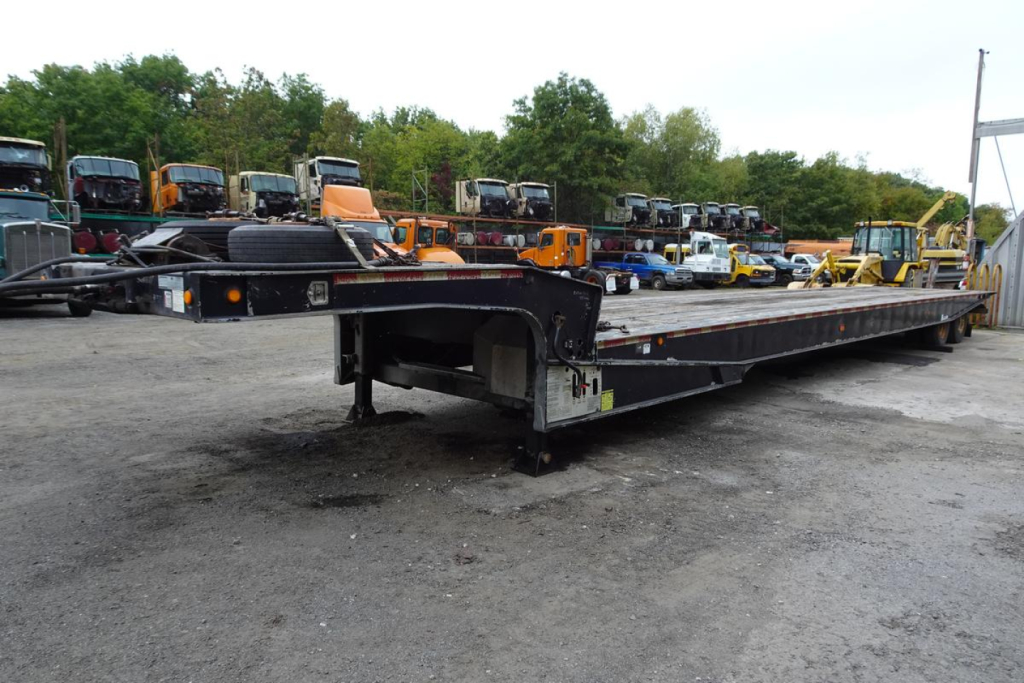
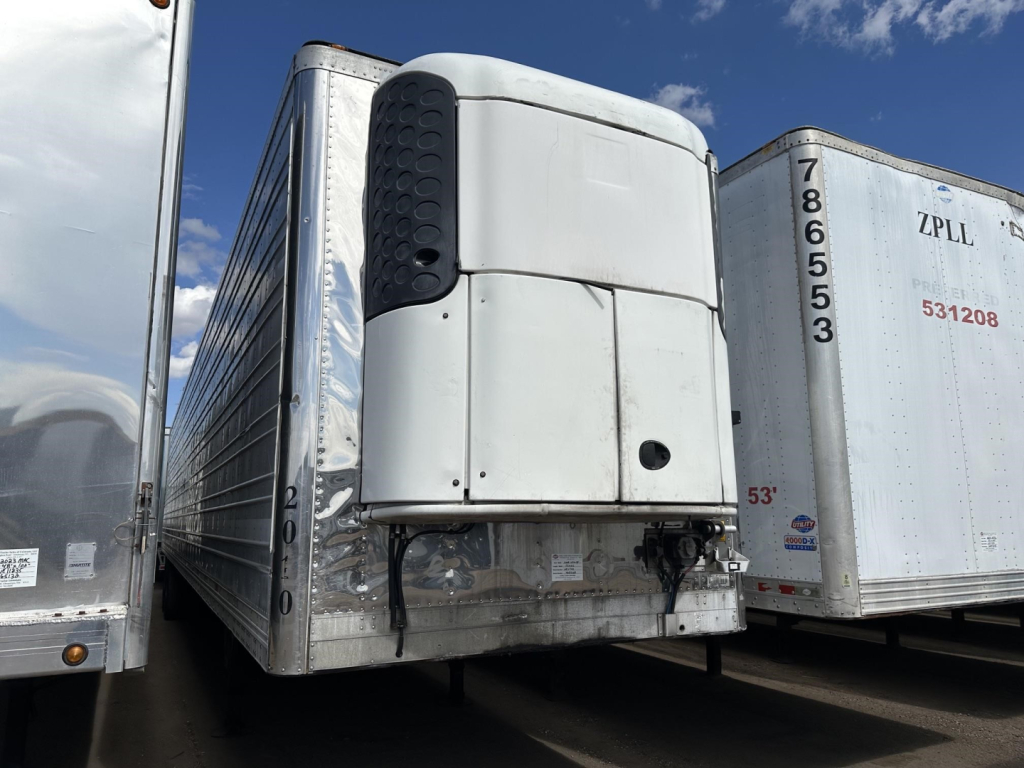
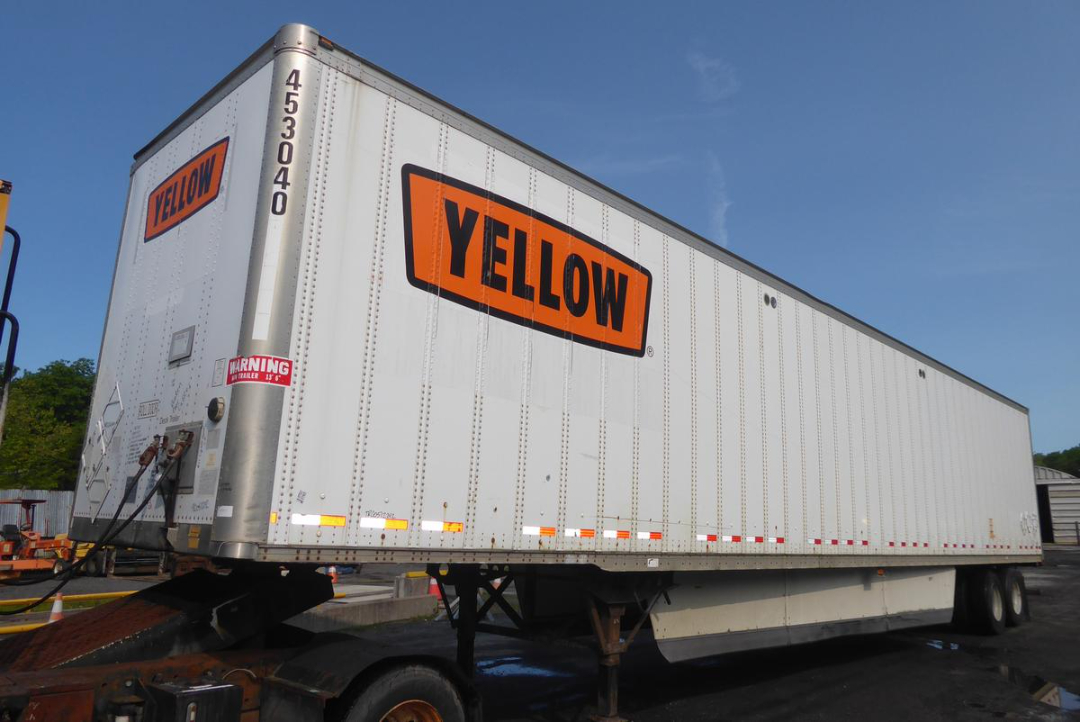
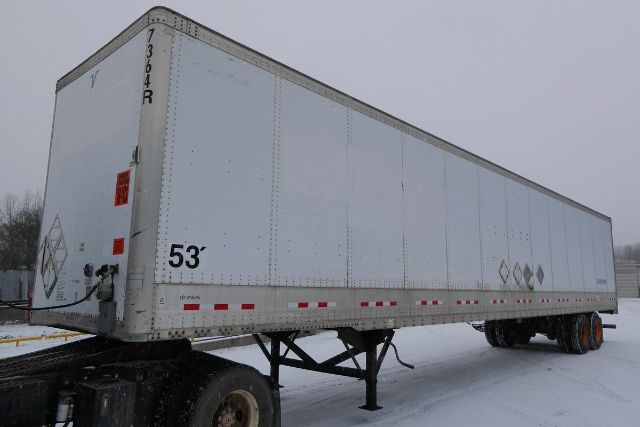
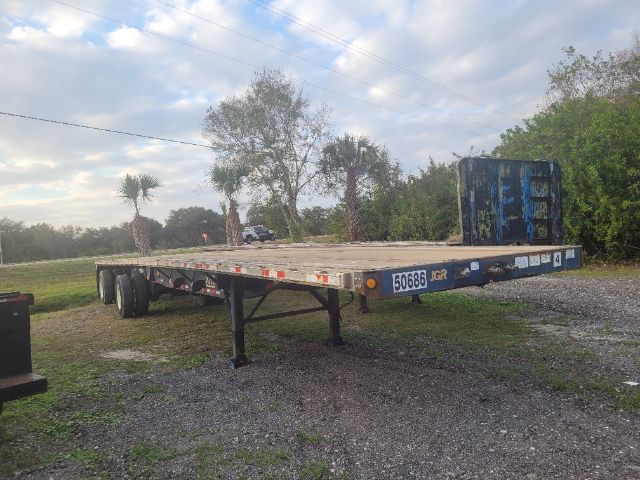
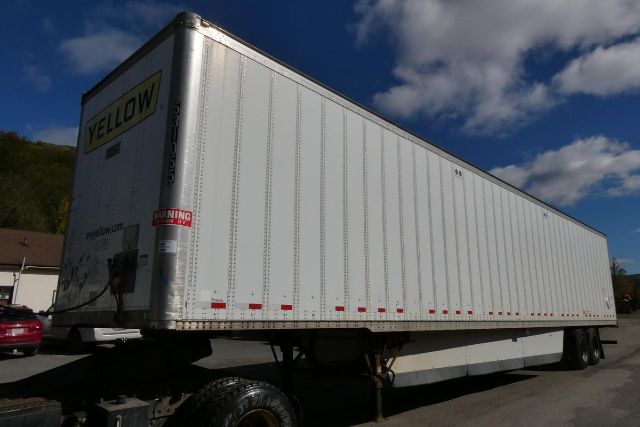
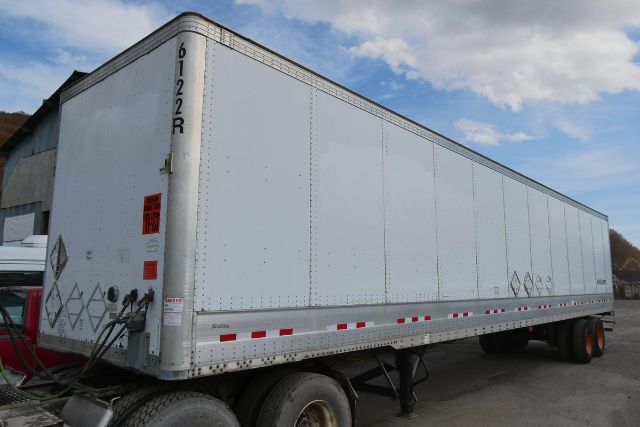
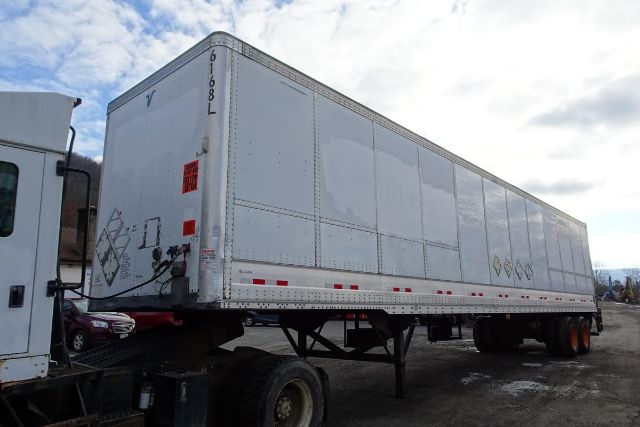

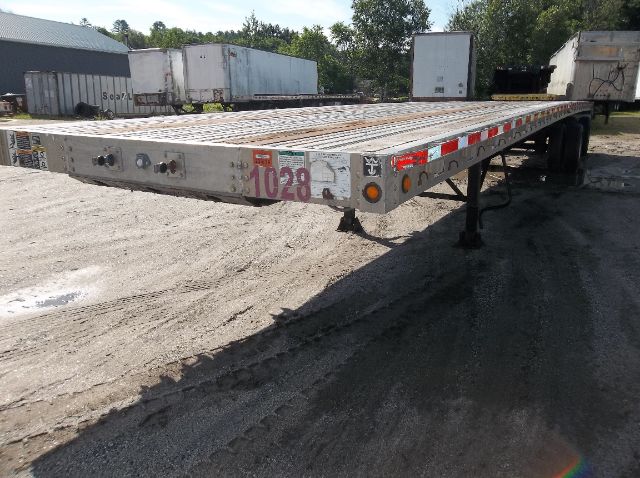
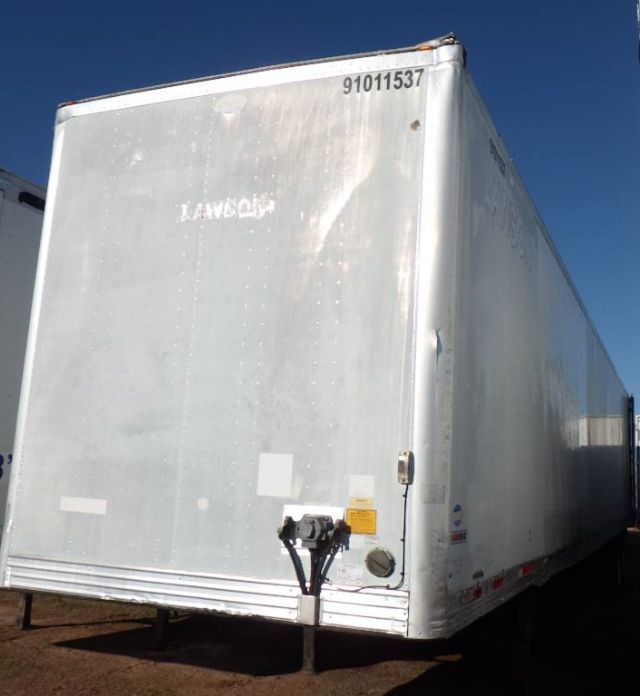
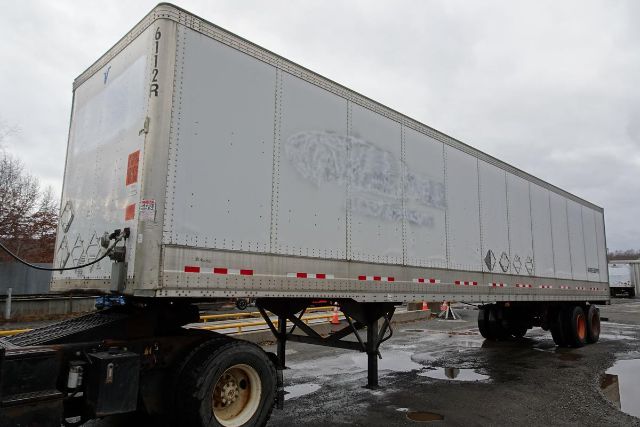
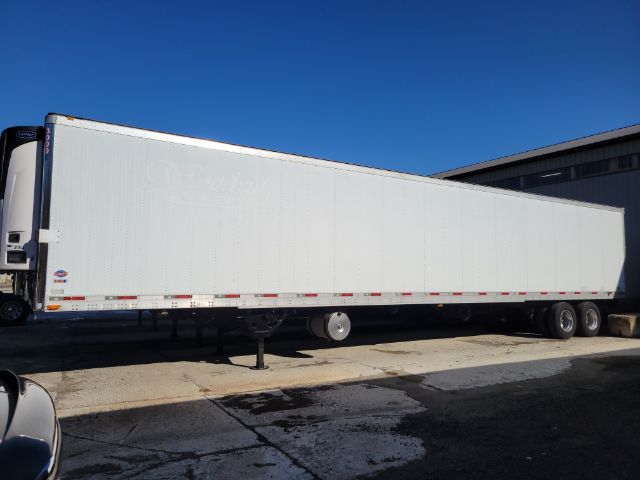

Selling a used 2009 strick trailer? List your used 2009 strick trailer for sale and reach thousands of commercial buyers.
Used 2009 Strick Trailers
Common configurations in this class include aluminum van trailers in 28-foot, 32-foot, 40-foot, and 53-foot lengths, usually 102 inches wide with overall heights around 12 feet 6 inches to 13 feet 6 inches depending on application. Buyers should pay close attention to inside height, especially if cube utilization matters. Wood floors remain common and are serviceable, but they need close inspection for forklift wear, patched sections, soft spots, and fastener pull-through. Interior specs such as plywood or composite lining, scuff liners, threshold plates, and E-track can make a big difference if the trailer will handle palletized freight, mixed cargo, or multi-stop loads.
Suspension and axle layout are major value drivers on a used 2009 Strick trailer. Air ride is preferred in many freight applications because it helps protect cargo and tends to be more versatile for general van service. Sliding tandems are common on road vans and add flexibility for bridge law compliance and weight distribution, while single-axle or pup setups may fit city delivery and terminal work better. Roll-up doors are popular for dock and route work, but swing doors still appeal to buyers prioritizing full rear opening and lower door maintenance. Tire size, wheel type, brake condition, and the presence of options like tire inflation systems or logistics posts should all be evaluated in the context of the freight you haul.
With any used 2009 trailer, age-related inspection matters more than original brochure specs. Check the roof for leaks and patches, inspect sidewalls for delamination or impact damage, and look closely at crossmembers, landing gear mounts, slider rails, and the rear sill for corrosion or repairs. A well-kept Strick can still be a productive trailer for regional dry van work, warehouse transfers, or local distribution, but condition varies widely at this age. Buyers comparing listings should focus on maintenance history, prior fleet use, DOT readiness, and how well the trailer's dimensions and cargo control setup match the lane and loading pattern.
Frequently Asked Questions about Used 2009 Strick Trailers
What should I inspect first on a used 2009 Strick trailer?
Start with the floor, roof, rear frame, suspension, and running gear. On a trailer of this age, forklift damage, roof leaks, cracked crossmembers, slider wear, and corrosion around the rear sill or landing gear mounts can have a bigger impact on value than cosmetic appearance. Tire condition, brake wear, ABS function, and door operation should also be checked before purchase.
Are 2009 Strick trailers usually dry vans or pup trailers?
They are most commonly found as dry van trailers, including both full-size vans and shorter pup configurations. Full-length vans are used for linehaul and general freight, while pups are common in LTL, P&D, and urban delivery operations where maneuverability matters. The right choice depends on your freight profile, dock setup, and route density.
Is air ride suspension worth prioritizing on a used Strick trailer?
In many cases, yes. Air ride helps reduce cargo shock and is generally preferred for a wider range of freight, especially palletized or higher-value loads. It can also improve resale appeal. Mechanical suspension may still be acceptable for tougher freight or lower-cost applications, but many buyers in the dry van market look first for air ride-equipped trailers.
What interior features add the most value on a used van trailer?
E-track, scuff liners, sound wall lining, a solid threshold plate, and a clean wood floor are some of the most useful features. These items improve cargo securement, protect the trailer body from forklift and pallet damage, and support mixed-freight applications. Inside height is also a key value factor because it directly affects cube and loading flexibility.
How long can a 2009 Strick trailer remain productive in fleet service?
A 2009 Strick trailer can remain productive for years if the structure is sound and maintenance has been consistent. Dry van trailers often stay in service well beyond that age in regional haul, storage, warehouse transfer, and local distribution roles. The limiting factors are usually structural condition, floor and roof integrity, brake and suspension maintenance, and how hard the trailer was used in its previous operation.