
Strick Trailers For Sale
Browse Strick trailers for sale, including dry van models with common lengths, logistics options, air ride suspensions, and sliding tandems.
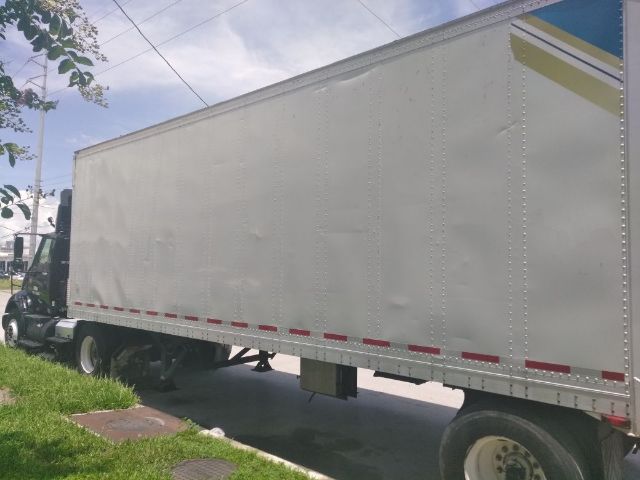

Looking for the easiest place to sell your strick trailer? List it here to reach thousands of buyers.
Strick Trailers
The biggest buying decisions usually come down to trailer length, door style, and suspension setup. A 53-foot Strick van is the standard for high-cube freight and long-haul dry freight lanes, while 48-foot and 40-foot units can make more sense for regional work, private fleet routes, or operations with tighter yard access. Roll-up doors are common on fleet-spec trailers because they hold up well at dock stops and reduce swing-door clearance issues in crowded urban locations. Air ride suspension is also a common spec and matters if cargo protection is a priority, particularly for consumer goods, packaged food, or other load types that do not tolerate excessive vibration.
On the used market, it is worth paying close attention to logistics equipment and structural details. E-track, plywood or composite lining, hardwood scuff protection, and galvanized rear frames all add value depending on the freight profile. Sliding tandems remain important for bridge law compliance, axle scaling, and dock positioning, while spread axle configurations may appeal to certain weight-distribution needs but can limit maneuverability in tight environments. Tire inflation systems, low-profile 22.5 tires, and disc wheels can also improve operating efficiency and maintenance planning, especially for fleets trying to reduce roadside downtime.
Condition matters as much as brand when comparing used Strick trailers. Check floor wear at the forklift traffic lanes, inspect the roof and upper rails for leaks or impact damage, and look closely at the rear frame, door hardware, crossmembers, and suspension components. Trailer age alone does not tell the whole story. A well-maintained Strick van with clean lining, solid floors, working logistics posts or E-track, and a straight frame can still be a productive trailer for high-volume dry freight service. For buyers focused on dry van capacity, dock compatibility, and fleet-friendly specs, Strick remains a familiar and practical trailer name in the used market.
Frequently Asked Questions about Strick Trailers
What are Strick trailers most commonly used for?
Strick trailers are most commonly used as dry van trailers for palletized freight, retail goods, packaged products, and general over-the-road cargo. Their enclosed design protects freight from weather and theft, and many are equipped with wood floors, scuff liners, and E-track for load securement. They are a common fit for fleet service, regional distribution, and warehouse-to-store delivery operations.
What lengths are common on used Strick van trailers?
Used Strick van trailers are often found in 40-foot, 48-foot, and 53-foot lengths. A 53-foot trailer is the most common choice for maximizing cubic capacity in standard dry freight applications. Shorter 48-foot and 40-foot units can be a better fit for regional routes, older dock layouts, or operations where maneuverability and yard access matter more than maximum trailer volume.
What should I inspect first on a used Strick dry van trailer?
Start with the floor, roof, rear frame, and suspension. The floor should be checked for forklift damage, rot, soft spots, and excessive wear at high-traffic lanes. The roof and sidewalls should be inspected for leaks, patches, and impact damage. The rear frame, threshold, and door hardware are common wear areas on van trailers, and the suspension, slider assembly, brakes, and wheel ends should be evaluated for maintenance condition and remaining service life.
Are air ride and sliding tandems important on a Strick trailer?
Yes. Air ride suspension helps protect cargo from road shock and is preferred for many dry freight applications involving sensitive or high-value goods. Sliding tandems are important for axle weight compliance, bridge law adjustment, and dock positioning. These features add flexibility in day-to-day operations and are especially useful for carriers running mixed freight across multiple states.
What logistics features add value on a used Strick van trailer?
E-track, logistics posts, scuff liners, threshold plates, composite or plywood lining, and galvanized rear frames are all valuable features depending on the freight. E-track improves load securement options for mixed cargo. Scuff protection and durable lining help the trailer hold up to repeated forklift loading. A galvanized rear frame can improve corrosion resistance, especially in northern climates or high-moisture operating environments.