
Strick Van Trailers For Sale
Browse Strick van trailers for sale, including dry vans and pup trailers with aluminum construction, air ride suspension, E-track, and roll-up or swing doors.
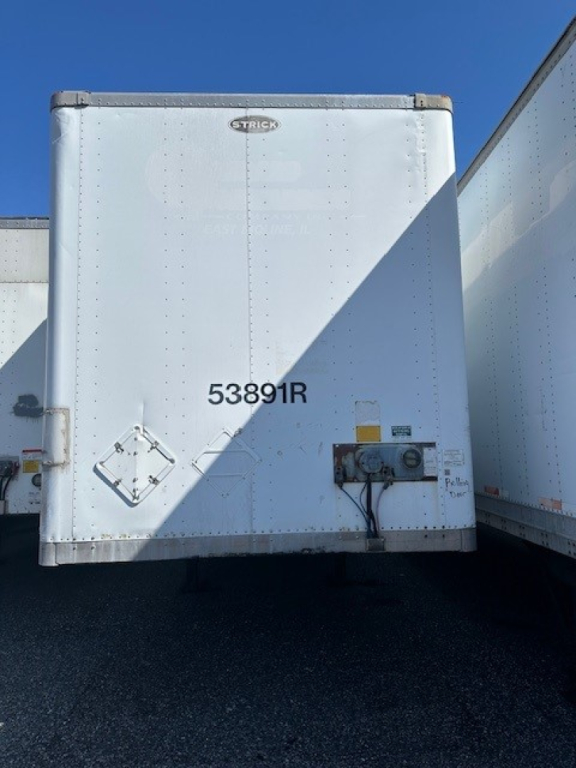
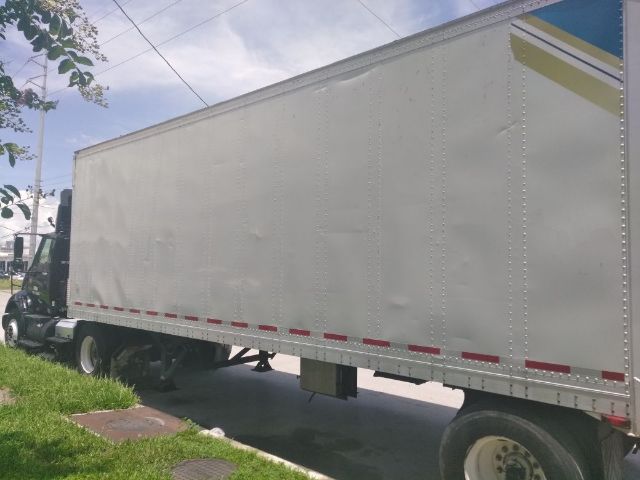

Have strick van trailer to sell? List it here to reach thousands of buyers.
Strick Van Trailers
Construction and axle setup matter because they change both payload and application. Many Strick vans are aluminum-bodied trailers with wood floors, aluminum roofs, and scuff liners, a combination that balances tare weight, repairability, and freight protection. Sliding tandem suspensions are common on over-the-road units because they help with bridge law compliance and dock positioning, while single-axle pups are better suited to local delivery and tight urban turns. Air ride suspension is a strong plus for shippers hauling packaged goods, electronics, and other freight that benefits from a smoother ride. Door style also affects use case. Swing doors are common on linehaul trailers, while roll-up doors are popular in route delivery where fast dock access matters and rear door swing clearance is limited.
A buyer comparing Strick van trailers should look closely at floor type, roof condition, sidewall repairs, threshold plate wear, and signs of forklift impact at the lower rail and front wall. Check crossmembers for corrosion or damage, inspect the rear frame and door header for cracks, and confirm that the landing gear, slider rails, lights, brakes, and ABS are in solid working order. Tire size, wheel type, and brake spec also matter for operating cost. Many used vans in this class run on 22.5 low-profile tires with disc or steel wheels. If the trailer will handle mixed freight, warehouse transfers, or high stop counts, features like logistic posts, scuff liners, and multiple rows of E-track can add real value.
Strick dry van trailers remain a practical option for fleets and owner-operators that need enclosed freight capacity without moving into refrigerated equipment. They are also known simply as dry vans, enclosed vans, or van trailers. The right choice depends on lane length, dock setup, cube needs, and how often the trailer will be loaded by forklift. For long-haul freight, a tandem-axle sliding suspension and swing doors may make the most sense. For local distribution, a shorter Strick van or pup trailer with a roll-up door and air ride can be the better fit.
Frequently Asked Questions about Strick Van Trailers
What are the most common sizes for a Strick van trailer?
Strick van trailers are commonly found in 53-foot dry van configurations for over-the-road freight, but used listings also include 40-foot vans and shorter pup trailers around 28 to 32 feet. Most are 102 inches wide, and many standard dry vans have an exterior height near 12 feet 6 inches. Shorter lengths are often used in city delivery, terminal operations, and regional distribution where maneuverability matters more than maximum cube.
What should I inspect first on a used Strick dry van?
Start with the floor, sidewalls, roof, and rear frame because these areas often reveal how the trailer was loaded and how hard it was worked. Look for soft spots in the wood floor, patched or bowed side panels, roof leaks, forklift impact around the threshold plate and front wall, and cracks near the door header or rear sill. After that, inspect suspension components, slider operation, brakes, tires, lights, landing gear, and ABS function. Interior equipment such as E-track, scuff liners, and logistic posts should also be checked for damage or missing sections.
Is air ride suspension important on a van trailer?
Air ride suspension is a desirable feature on a van trailer because it helps protect freight from road shock and generally provides a smoother ride than mechanical suspension. That matters for palletized consumer goods, paper products, electronics, and other damage-sensitive cargo. Air ride can also improve driver and shipper acceptance in operations where freight claims and cargo stability are closely watched. The tradeoff is that air systems add components that need periodic inspection and maintenance.
What is the difference between a Strick van trailer and a pup trailer?
A standard Strick van trailer is typically a full-length dry van used for linehaul or regional freight, while a pup trailer is a shorter enclosed trailer used in local delivery, LTL networks, and multi-trailer combinations depending on the operation. Pup trailers are easier to maneuver in tight yards and urban areas, and they can be a good fit for shorter routes with frequent stops. Full-size vans usually offer better cube and payload flexibility for long-haul freight.
Which door type is better on a dry van, swing doors or a roll-up door?
Swing doors are usually preferred for maximum rear opening and easier maintenance, which makes them common on linehaul dry vans and high-cube freight applications. Roll-up doors are useful in city and dock operations where rear clearance is limited and drivers need quick access without managing door panels. The right choice depends on the freight, dock environment, and how often the trailer is opened and closed during the day.