
Used Strick Trailers For Sale
Used Strick trailers for sale, including dry vans and van pups with air ride, wood floors, logistics posts, and common fleet-ready specs.
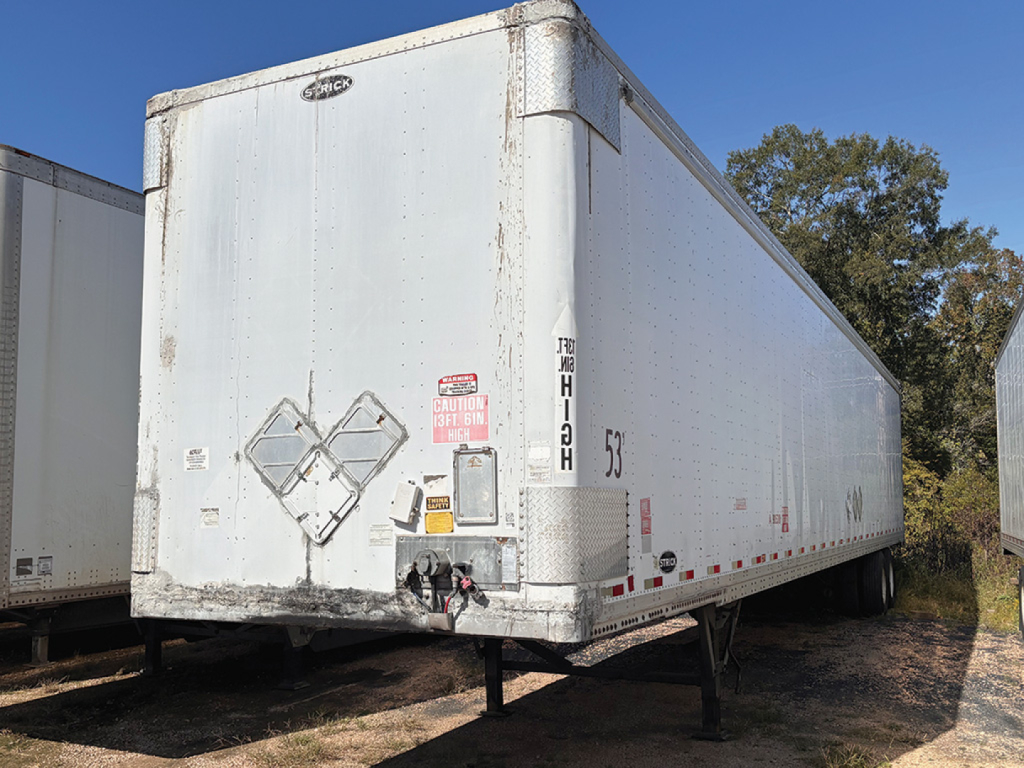
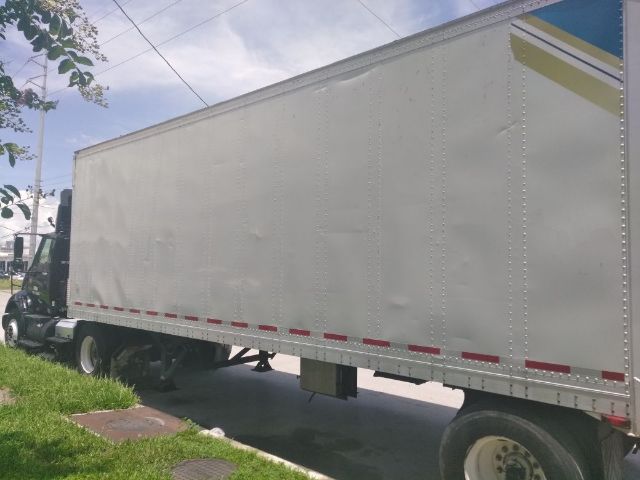
Selling a used strick trailer? List your used strick trailer for sale and reach thousands of commercial buyers.
Used Strick Trailers
For most buyers, the key decision is the trailer’s application and door configuration. A used Strick van with swing doors is common in over-the-road freight where dock access is predictable and full rear opening matters. Roll-up doors are more common on pups and urban delivery units where frequent stops and tight spaces make them easier to live with, even though they can reduce rear opening height. Interior details matter just as much. Wood floors remain standard in many used dry vans because they are repairable and forklift-friendly, while plywood lining, scuff plates, threshold plates, E-track, and logistics posts can make a trailer more useful for mixed freight and load securement.
Suspension, axle layout, and wheel-end specs deserve close attention on a used Strick trailer. Tandem axle air-ride 53-foot vans are typical for general freight, while single axle pups are common for lighter regional and LTL work. Sliding tandems affect bridge compliance, weight distribution, and dock positioning, so they are worth checking if the trailer will run in multiple states or under varied load profiles. Buyers should also look at roof condition, crossmember integrity, floor wear, sidewall repairs, door frame alignment, and signs of heavy forklift impact around the threshold and scuff liner area. Tire size, wheel type, landing gear condition, and current DOT readiness can have a direct effect on first-year operating cost.
A used Strick trailer is often a practical buy for fleets and owner-operators who need a standard dry van that can be put to work without specialized training or niche parts sourcing. The strongest value usually comes from matching the trailer’s length, door type, suspension, and interior securement package to the freight mix. For dock-to-dock van service, look for straight body lines, dry roof seams, solid floor sections, and clean rear frame structure. For pup work, pay extra attention to turning damage, curbside wall condition, and how the trailer tracks under a loaded suspension. A well-kept used Strick van can still be a dependable freight box for general commodities, retail loads, and route-based delivery service.
Frequently Asked Questions about Used Strick Trailers
What types of used Strick trailers are most common?
The most common used Strick trailers are dry van trailers, including 53-foot tandem axle vans and shorter 28-foot or 32-foot van pups. Full-size vans are typically used for general over-the-road freight, while pups are common in LTL, city delivery, and hub-and-spoke operations. Many are built with aluminum components, wood floors, scuff liners, and either swing or roll-up rear doors.
What should I inspect first on a used Strick dry van?
Start with the floor, roof, rear frame, and suspension. Floor soft spots, patched sections, and forklift damage near the threshold can indicate hard use. Roof leaks, bowed sidewalls, damaged scuff liners, and misaligned doors can point to structural wear or previous impact. On the running gear, check air-ride components, axle alignment, brake condition, tire wear, and landing gear operation because those items can quickly add to reconditioning cost.
Are Strick pup trailers a good fit for local delivery work?
Yes. Strick pup trailers are commonly used in local and regional service because their shorter length improves maneuverability in tight docks, city streets, and terminal yards. Single axle pups with roll-up doors are especially useful for frequent-stop operations. Buyers should still verify that the trailer’s GVWR, floor condition, and cargo securement setup match the intended freight.
What interior features are useful on a used Strick van trailer?
Useful interior features include plywood lining, scuff plates, threshold plates, E-track, and logistics posts. These features help protect the trailer walls, improve load securement options, and support mixed freight applications. A sound wood floor is still preferred by many operators because it handles forklift traffic well and can often be repaired section by section.
How important is axle configuration on a used Strick trailer?
Axle configuration affects payload flexibility, tire wear, bridge compliance, and maneuverability. Tandem axle vans are standard for heavier general freight and highway use, while single axle pups are more common for lighter route work. If the trailer has a sliding tandem, that adds flexibility for weight distribution and state bridge laws, but it should be checked for rail wear, locking pin function, and signs of neglected maintenance.