
Used Smithco Trailers For Sale in Colorado
Compare used Smithco trailers for sale in Colorado by axle layout, tub condition and hydraulic requirements for mountain hauling and aggregate work.
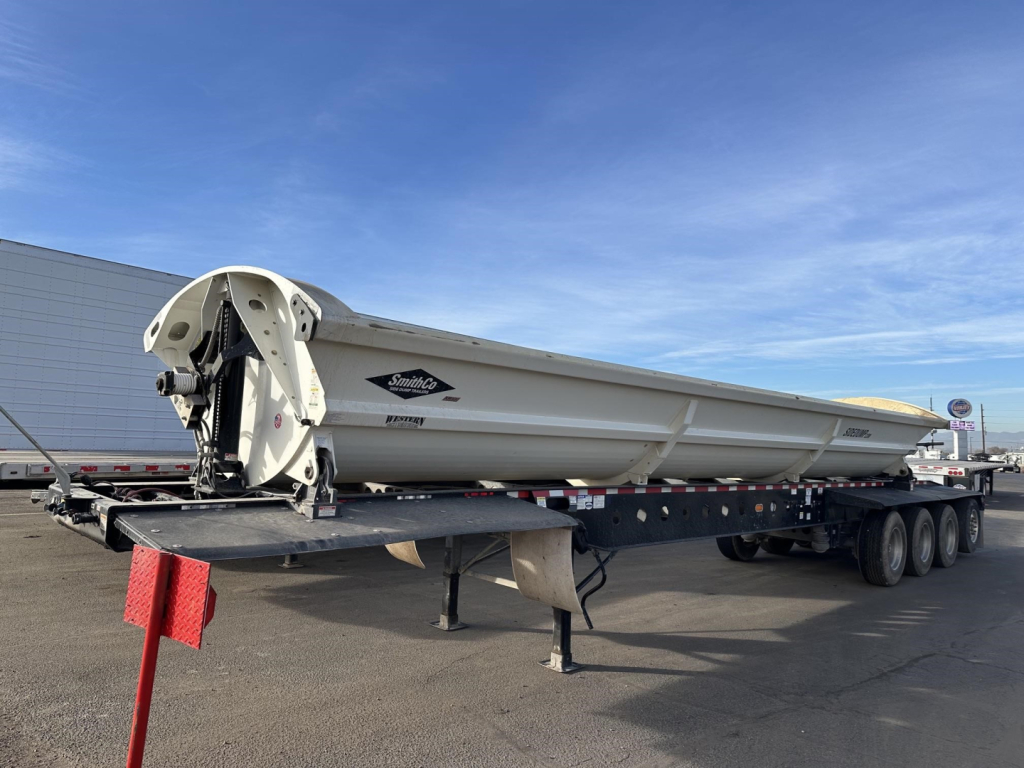
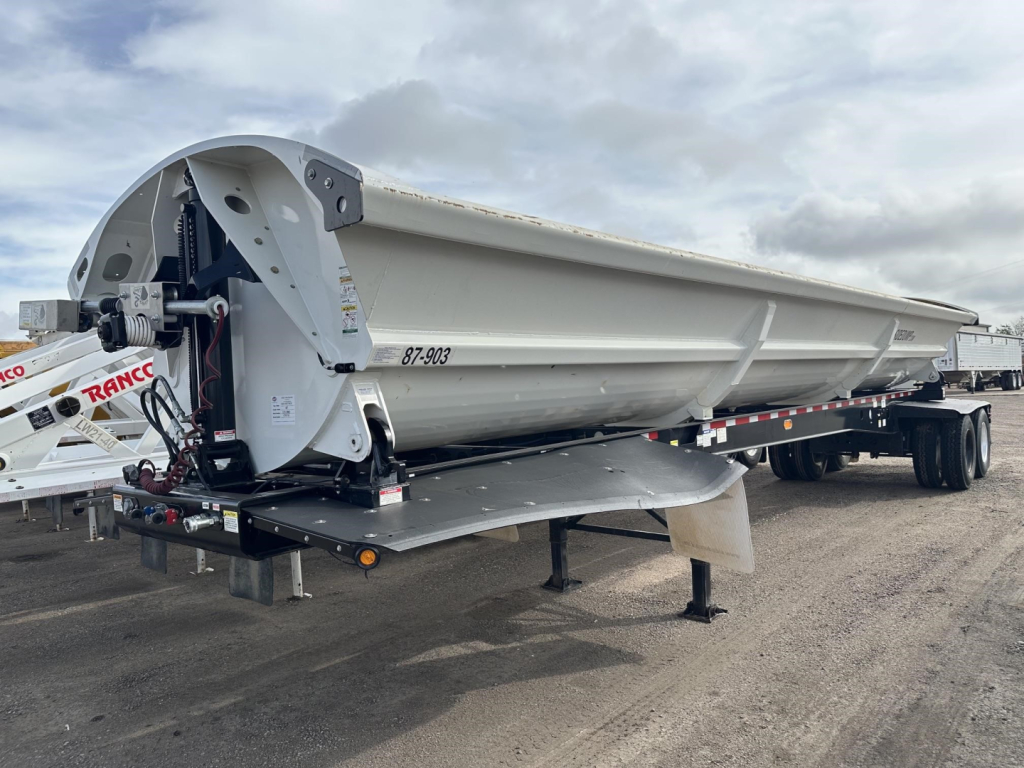
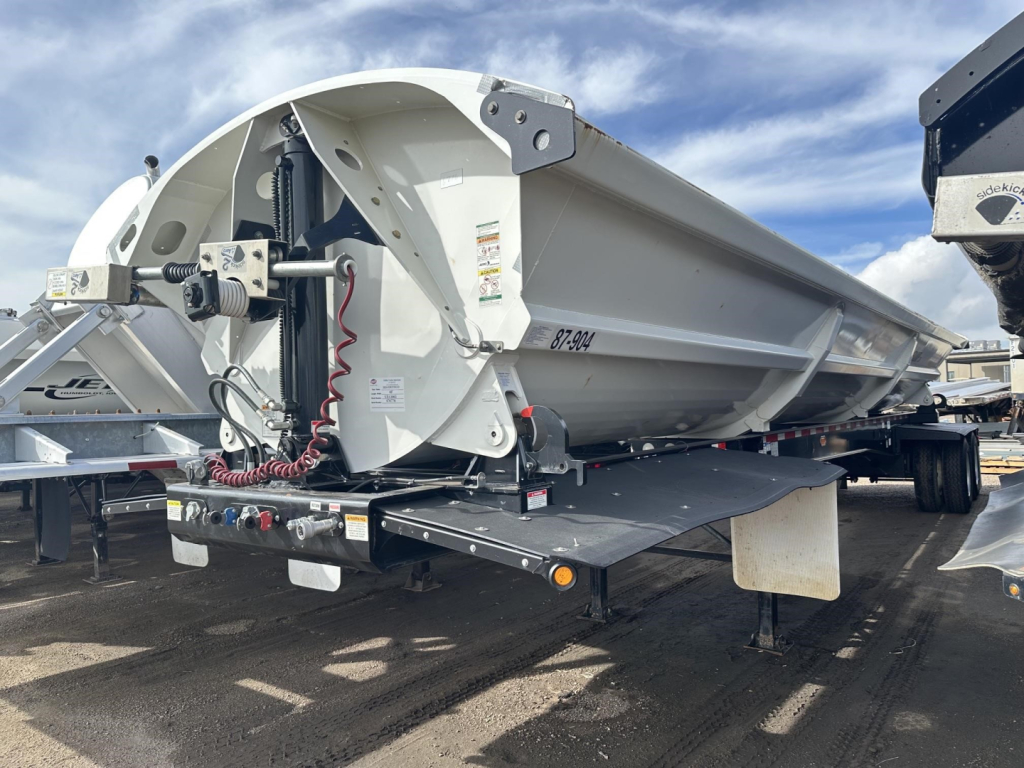
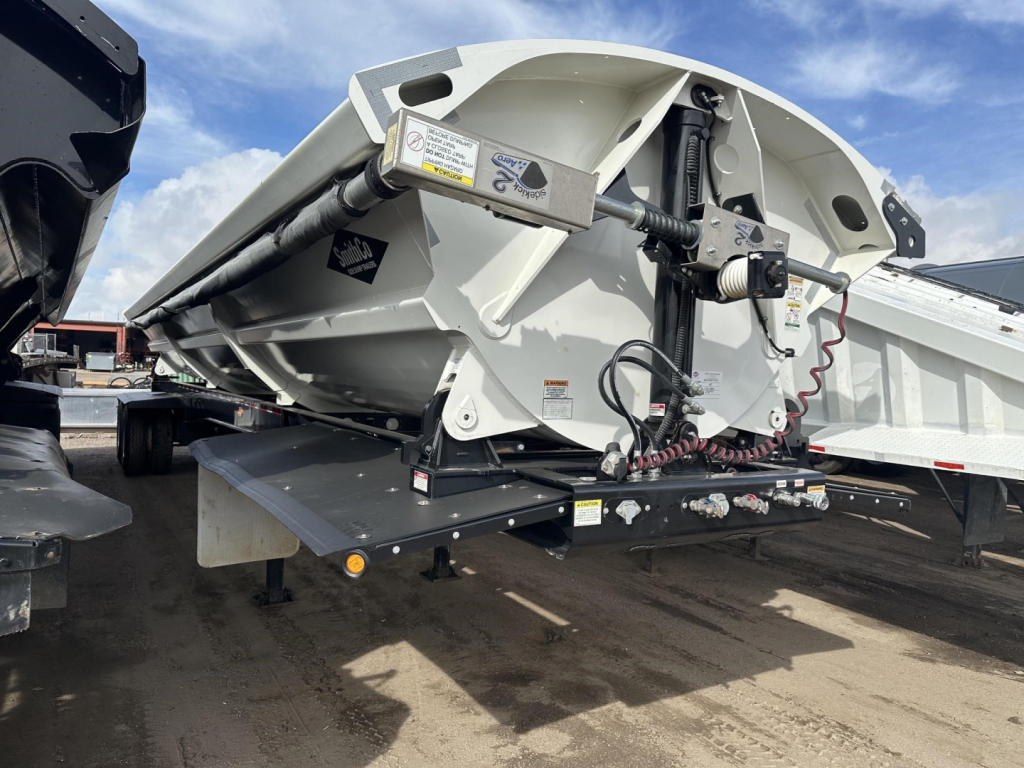
Selling a used smithco trailer? List your used smithco trailer for sale and reach thousands of commercial buyers.
Used Smithco Trailers in Colorado
Frequently Asked Questions about Used Smithco Trailers in Colorado
Should I choose a tandem-axle or quad-axle Smithco side dump?
A tandem-axle Smithco side dump favors lower empty weight and fewer tire and brake components, while a quad-axle configuration offers more load-distribution options. Extra axles also add maintenance and can increase tire scrub in tight turns. Compare actual tare weights, lift-axle operation and turning clearance against the legal axle loading on your intended Colorado routes.
What wet kit does a Smithco side dump need?
A Smithco side dump needs a tractor wet kit matched to the trailer's specified hydraulic pressure, flow, reservoir capacity and control arrangement. Obtain the requirements for the trailer's serial number rather than assuming an existing end-dump wet kit will work. Verify PTO compatibility, hose connections, filtration and return plumbing before coupling the tractor and trailer.
How much weight can a Smithco side dump legally haul in Colorado?
Legal payload equals the route's allowable gross combination weight minus the operating weight of the tractor and Smithco trailer. Colorado Interstate operation normally starts with an 80,000-pound gross ceiling, subject to axle limits and the Federal Bridge Formula, unless an exception or permit applies. Verify state-highway limits, bridge postings and local restrictions with CDOT and the relevant road authority before planning heavier loads.
What should I check when testing a used Smithco side dump?
The Smithco side-dump tub should cycle smoothly and seat correctly without hydraulic leaks or unintended movement. Have a qualified technician follow the manufacturer's testing procedure on firm, level ground, checking pivot locks, controls and tarp clearance before cycling. Jerky movement can indicate worn pivots, restricted hydraulic flow or cylinder problems, so a stationary visual inspection alone cannot establish operating condition.