
Used Smithco Trailers For Sale
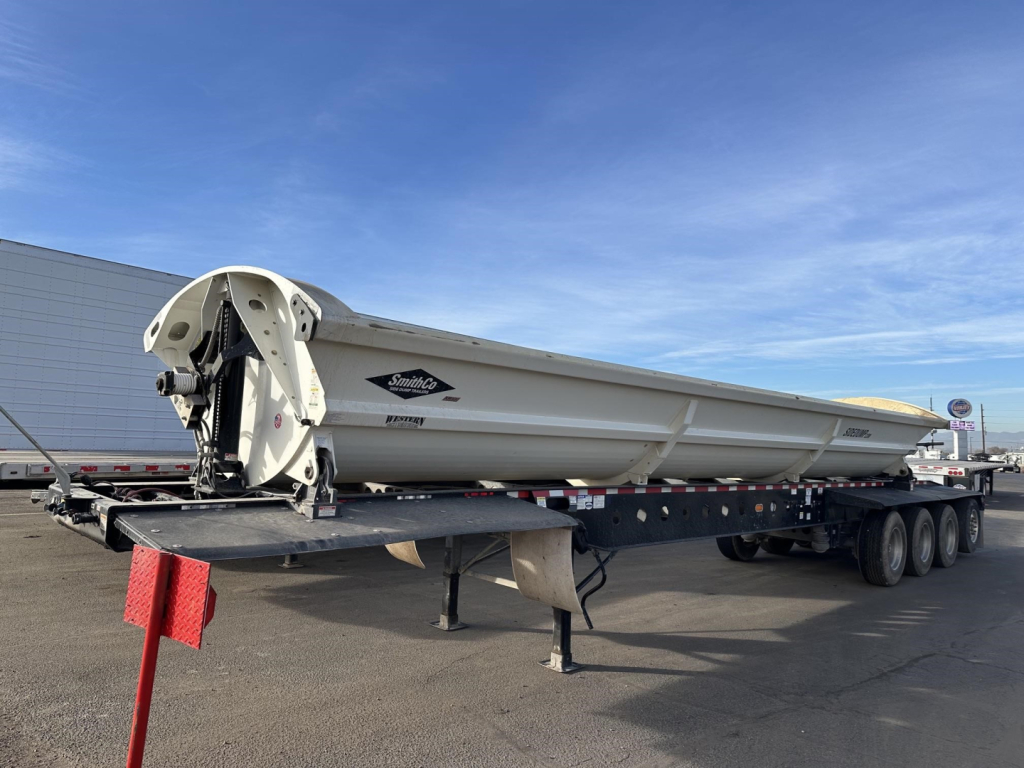
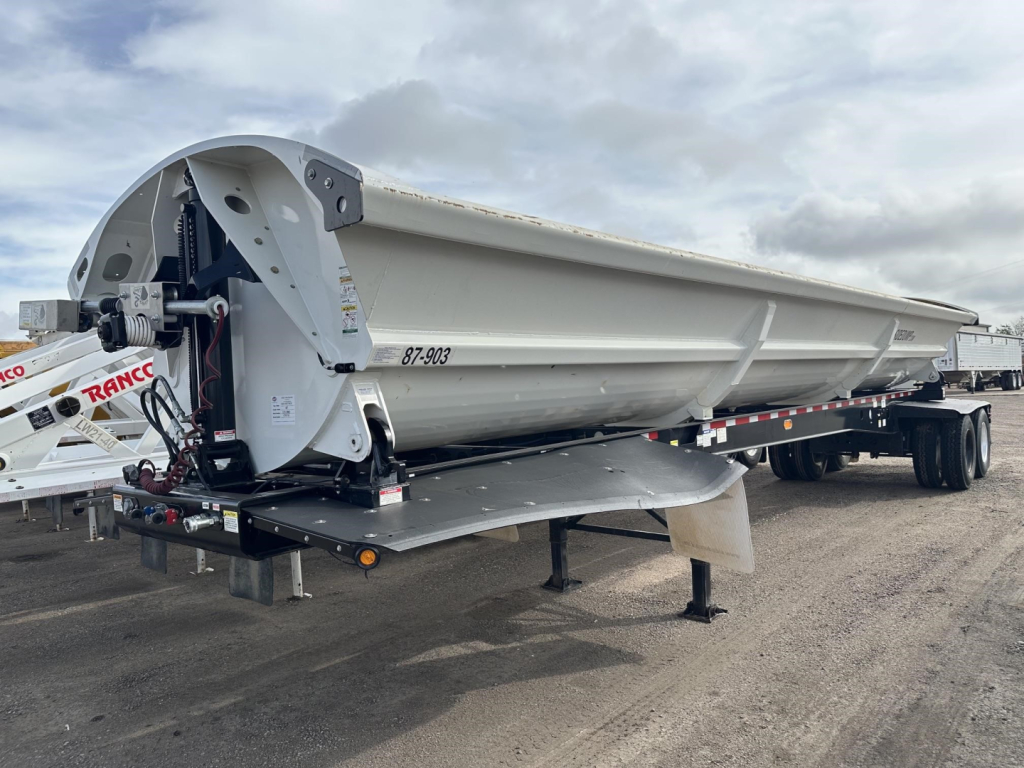
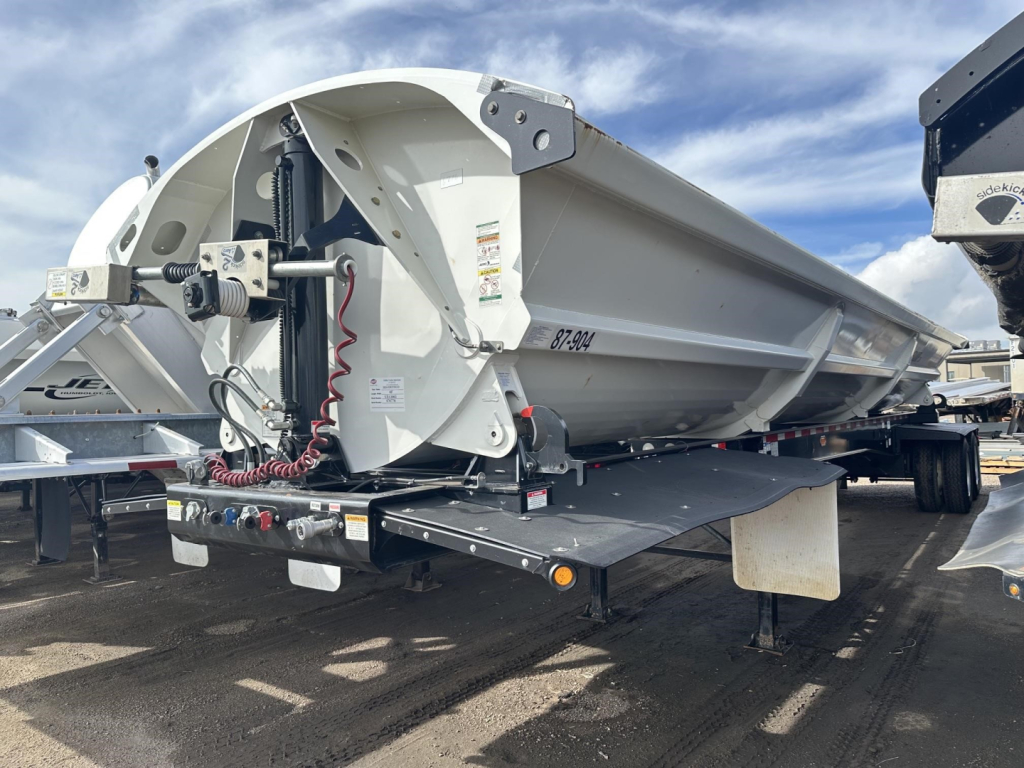
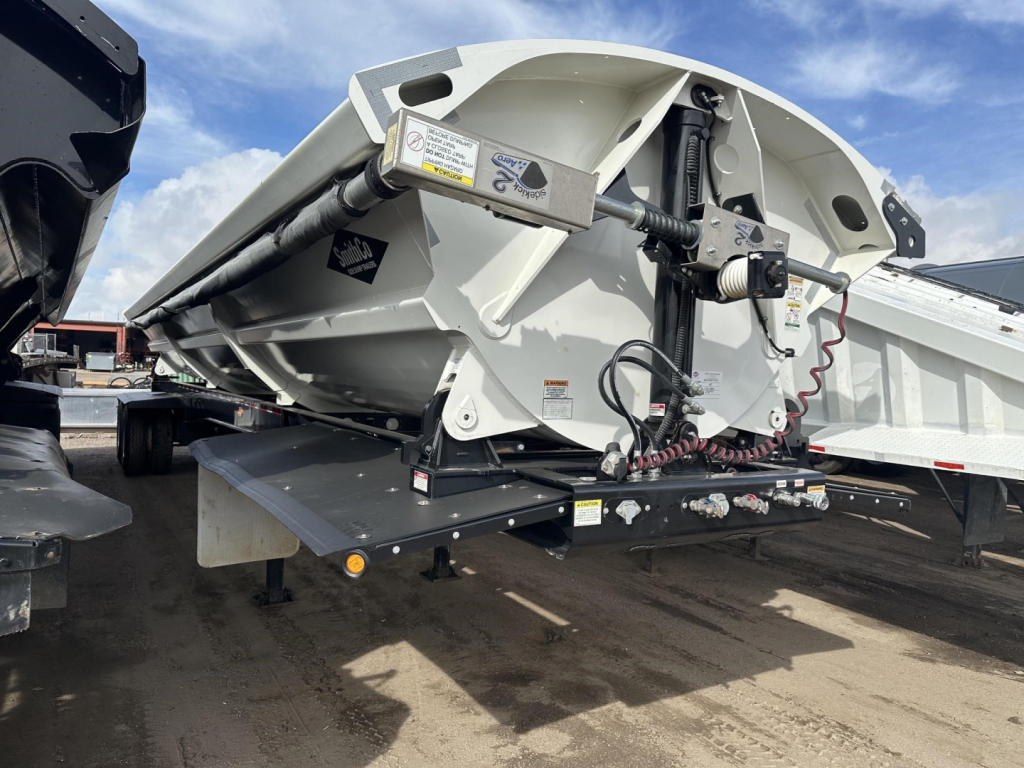
Browse used Smithco trailers, including dump configurations with steel bodies, tandem axles, air ride suspensions, and 24.5-inch rubber.

Selling a used smithco trailer? List your used smithco trailer for sale and reach thousands of commercial buyers.
Used Smithco Trailers
A typical used Smithco dump trailer may be a tandem axle configuration with air ride suspension from brands like Ridewell, 24.5-inch rubber, and aluminum outside wheels. Trailer length, side height, and body shape matter because they affect payload type and loading efficiency. A longer body can help with volume commodities, while heavier steel construction is usually preferred for rock, rubble, and scrap. Buyers should check for crossmember fatigue, hinge wear, doghouse and floor repairs, hoist cylinder seepage, suspension bushing wear, and signs of hard off-road use. If the trailer has seen paving duty, inspect for heat-related floor distortion and tailgate sealing condition.
Smithco trailers are often selected by contractors and fleets that need a straightforward vocational trailer that can stay productive under punishing jobsite conditions. If you are comparing used units, pay close attention to tare weight versus body durability, as that tradeoff affects revenue on every load. Tire size, brake condition, wheel-end service history, and the presence of air gauges or tire inflation systems can also influence operating cost. On dump models, look closely at gate style, tarp system condition, body liner setup, and whether the trailer has a fixed axle arrangement or a lift axle depending on your state bridge and payload requirements.
Resale buyers should also match the trailer to the road environment it will actually run in. A trailer used on short quarry turns has a different wear profile than one that has spent time on highway material hauling. Smithco has a solid reputation in regional dump and construction fleets because these trailers are generally simple to maintain and purpose-built for vocational work. The best used Smithco trailer is not just the newest one. It is the one with the right body spec, suspension, axle layout, and structural condition for the material you haul every day.
Frequently Asked Questions about Used Smithco Trailers
What are Smithco trailers commonly used for?
Smithco trailers are commonly used in dump and vocational hauling applications such as aggregate, asphalt, sand, gravel, dirt, demolition debris, and other construction materials. They are popular with contractors, paving crews, quarries, and regional material haulers because the trailers are typically built for repetitive load-and-dump cycles in demanding environments.
What should I inspect first on a used Smithco dump trailer?
Start with the structure. Inspect the body, floor, crossmembers, frame rails, suspension mounts, hinge area, and hoist system for cracks, repairs, distortion, or heavy corrosion. After that, check the tailgate, tarp system, brakes, tires, wheel ends, and air system. Cosmetic wear is expected on a vocational trailer, but structural repairs and poor hoist performance can directly affect safety, uptime, and total cost of ownership.
Is a steel Smithco trailer the right choice for heavy material hauling?
A steel Smithco trailer is often the preferred choice for abrasive and high-impact materials like rock, broken concrete, millings, and demolition debris. Steel bodies usually offer better resistance to impact and abrasion than lighter constructions, but they also add tare weight. The right choice depends on whether your operation values maximum durability, maximum legal payload, or a balance of both.
How important is suspension type on a used Smithco trailer?
Suspension type matters because it affects ride quality, maintenance cost, trailer stability, and component life. Air ride suspensions such as Ridewell are common on dump trailers and can help protect the trailer and improve road manners, especially on mixed highway and jobsite routes. Buyers should still inspect bushings, air bags, shocks, alignment, and equalization because worn suspension components can cause tire wear and handling issues.