
Used 2019 Refrigerated Trailers For Sale in Iowa
Browse used 2019 refrigerated trailers in Iowa. Compare reefer units, hours, insulation, doors, floors, suspension, and tire condition.
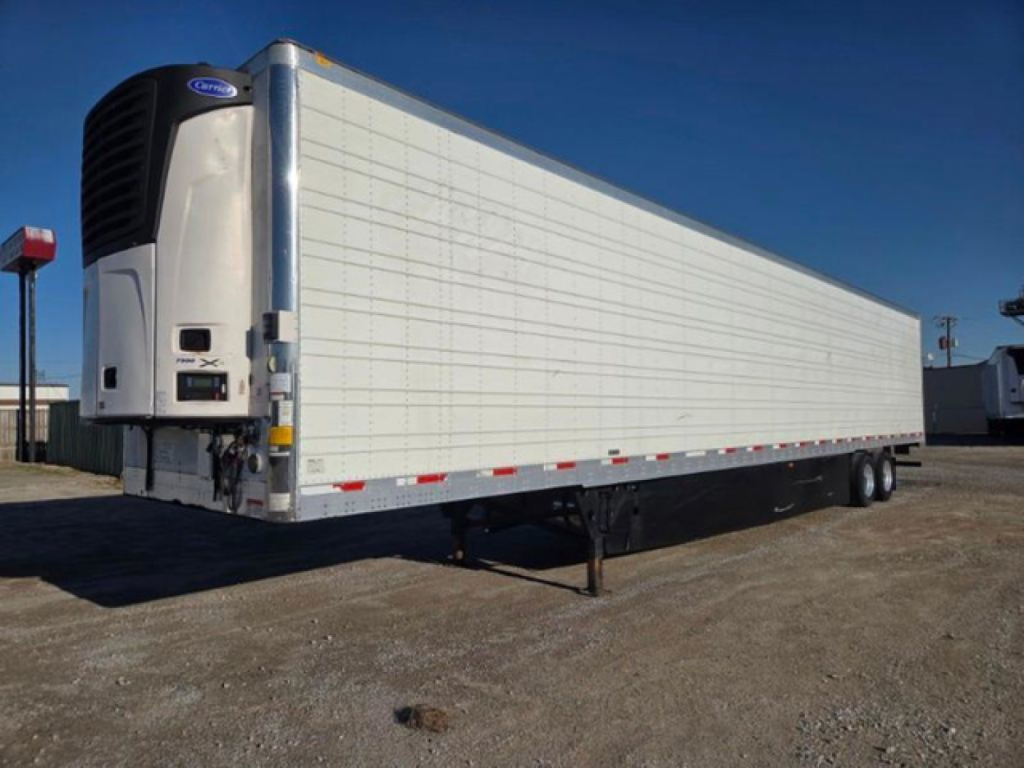
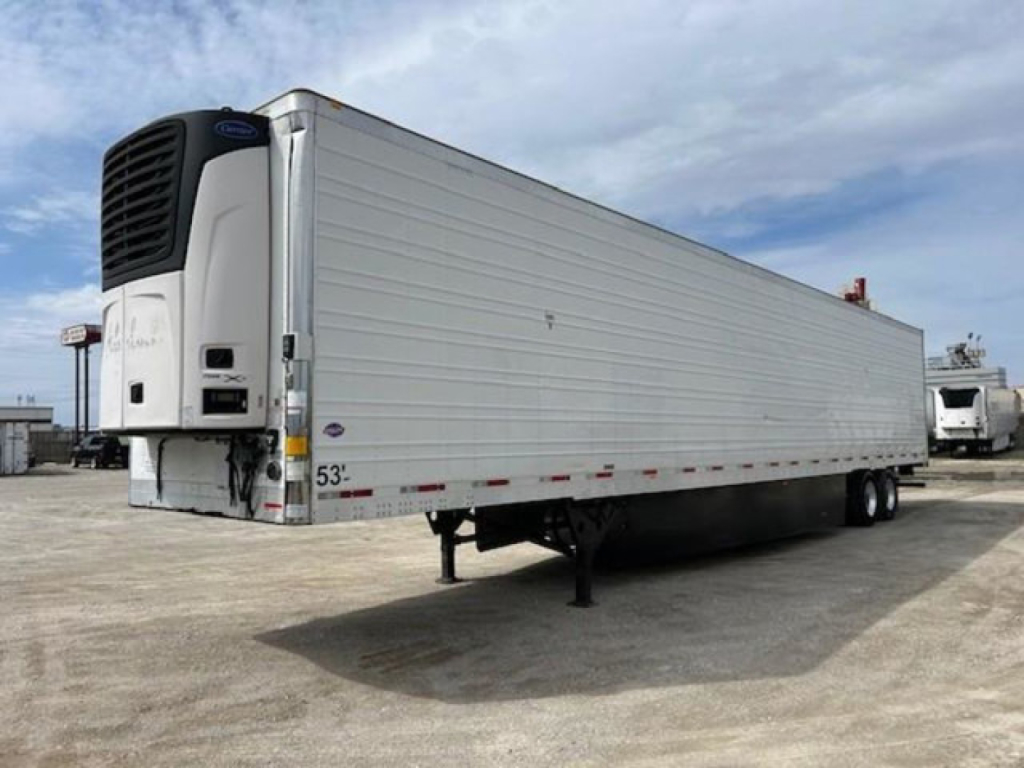
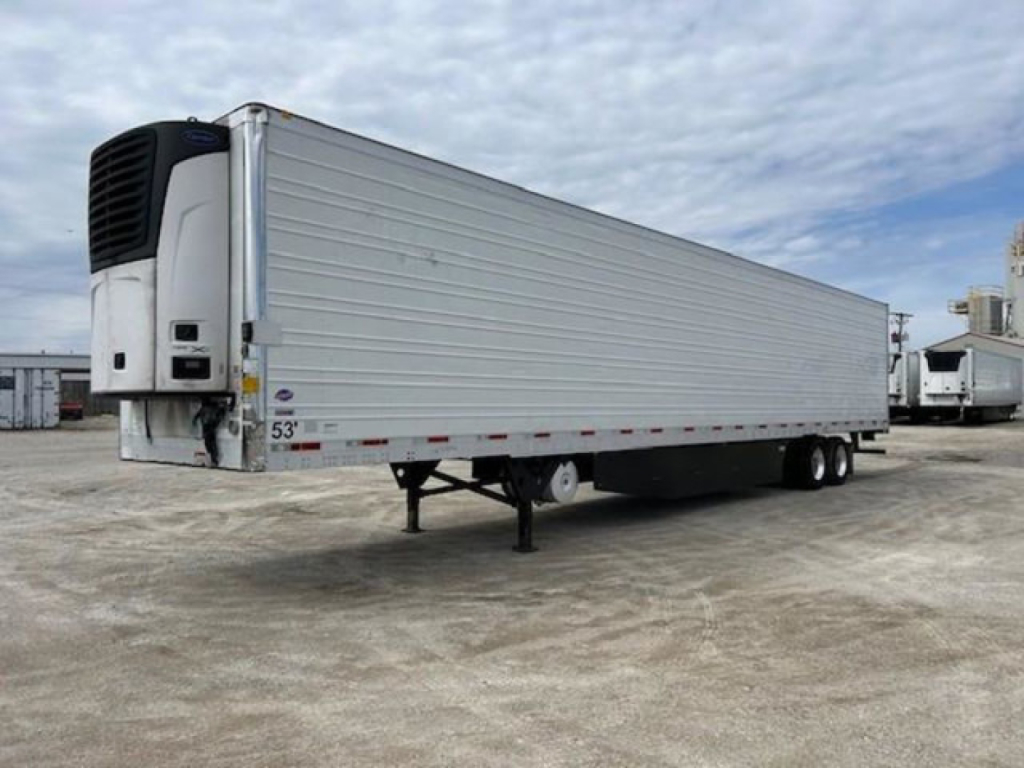

Have used 2019 refrigerated trailer to sell? List it here to reach thousands of buyers.
Used 2019 Refrigerated Trailers in Iowa
The refrigeration unit deserves the closest look. Many 2019 reefers in this class are paired with Carrier or Thermo King units, and buyers should compare engine hours, start-stop performance, pull-down time, fuel use, and service records before focusing on cosmetic features. Unit model matters because it affects parts support, shop familiarity, and suitability for continuous-run versus start-stop operation. Buyers hauling frozen freight should pay close attention to return-air and discharge-air performance, door seal condition, evaporator cleanliness, and the trailer's ability to hold setpoint under load. For multi-temp or high-cycle delivery work, door configuration, interior lining condition, and air chute integrity can be just as important as the unit itself.
Trailer construction details separate a good reefer from an expensive problem. Common specs include 53-foot overall length, air ride suspension, swing or roll-up rear doors, aluminum wheels, and lined insulated walls with scuff protection. Floor type matters based on commodity and loading method. A duct floor or aluminum floor is standard for airflow, but buyers should inspect closely for forklift damage, wear at the threshold, and any repairs that could affect air circulation or sanitation. Roof condition, front wall integrity, crossmember corrosion, and signs of moisture intrusion around rivets, seams, and penetrations are all worth checking. Tire inflation systems, tire tread depth, brakes, and suspension wear are especially relevant on used reefer trailers because downtime in temperature-controlled freight is far more costly than on general dry freight.
For Iowa operations, reefer performance in both summer heat and winter cold should be part of the buying decision. Cold-weather starts, defrost function, battery condition, and fuel tank integrity matter on units working through Midwest winters. Buyers should also confirm interior dimensions, pallet capacity, door opening height, and any features that support specific freight such as meat rails, load bars, E-track, or side doors. A used 2019 refrigerated trailer, also known as a reefer trailer, can offer excellent value when the box is tight, the floor still moves air properly, and the refrigeration unit has documented maintenance instead of just acceptable hour readings.
Frequently Asked Questions about Used 2019 Refrigerated Trailers in Iowa
What should I check first on a used 2019 refrigerated trailer?
Start with the refrigeration unit, then the box. Verify unit make and model, total hours, service history, fault codes, start-stop operation, and pull-down performance. After that, inspect the insulated body for floor damage, roof leaks, wall liner condition, door seals, and any signs the trailer has lost its thermal integrity. A reefer trailer with a clean exterior but poor temperature retention can become far more expensive than a rougher trailer with a strong unit and a tight box.
How many hours is a lot for a 2019 reefer unit?
Hour count by itself is not enough to judge a reefer unit, but it is still an important benchmark. A 2019 unit with moderate to high hours may be a better buy than a lower-hour unit that lacks maintenance records or has repeated shutdown issues. Buyers should compare engine hours with service intervals, major component replacements, and operational test results. Consistent preventive maintenance, clean starts, and stable temperature control matter more than chasing the lowest number on the meter.
Are 2019 reefer trailers good for Midwest and Iowa freight?
Yes, 2019 reefer trailers are well-suited for Iowa and broader Midwest lanes if the refrigeration system and insulation are in good condition. They are commonly used for dairy, meat, frozen food, grocery, and warehouse distribution. Iowa buyers should pay special attention to winter reliability, including battery health, defrost performance, and fuel system condition, because cold-weather failures can sideline a trailer quickly during peak season.
What trailer features matter most besides the refrigeration unit?
The most important features after the unit are floor condition, insulation integrity, door type, liner material, suspension, and tire and brake condition. Air ride suspension is common and helps protect sensitive cargo. Tire inflation systems can reduce roadside problems and uneven wear. Interior lining such as fiberglass-reinforced panels, Kemlite, Versitex, or similar materials affects durability and cleanability, while the floor design directly affects airflow and loading performance.
Can a used reefer trailer be used for storage or non-refrigerated applications?
Yes, some reefer trailers are repurposed for storage, dry service, or specialized non-refrigerated uses, especially if the refrigeration unit has been removed or is no longer economical to repair. The insulated box helps moderate temperature swings, which can be useful for certain products even without active cooling. Buyers considering storage use should still inspect the floor, doors, roof, and structural components, because water intrusion and body damage remain important even when refrigeration is no longer required.