
Used 2016 Refrigerated Trailers For Sale
Browse used 2016 refrigerated trailers with reefer unit, insulation, and spec details that matter for cold chain, regional, and long-haul work.
Learn more
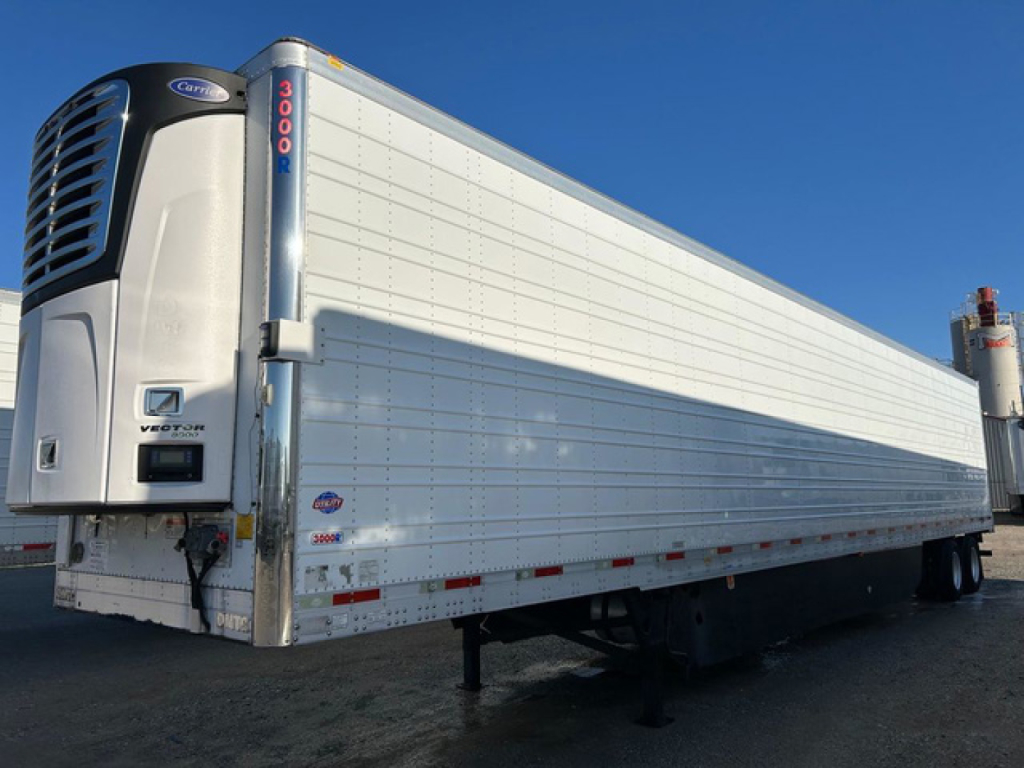
Have used 2016 refrigerated trailer to sell? List it here to reach thousands of buyers.
About Used 2016 Refrigerated Trailers
The biggest buying decision is usually the condition of the refrigeration unit and the trailer body as a system. Unit hours matter, but hours alone do not tell the whole story. Look closely at pull-down performance, return-air consistency, defrost operation, fuel system condition, and any recent engine or compressor work. On the trailer side, check the insulated walls and roof for repairs, moisture intrusion, and delamination. Interior lining types such as Armor or Versitex, scuff liners, flat floors, and ducted versus chute-style air delivery can affect sanitation, durability, and airflow depending on the freight. Swing doors remain common on 2016 reefers, and door seal condition is critical for holding setpoint and reducing reefer run time.
Common specs in this age group include air-ride suspension, aluminum roof construction, tandem sliding axles, and 53-foot lengths built for standard dock work. Tire condition, brake life, wheel type, and floor wear should be evaluated as seriously as the reefer engine. A refrigerated trailer that has even tire wear, solid crossmembers, clean floor channels, and straight rear frame structure will usually cost less to put to work than a cheaper trailer with deferred structural repairs. If the trailer will run in California or other emissions-sensitive markets, verify CARB compliance status and reefer engine eligibility before purchase. That single issue can determine where a 2016 reefer can legally and profitably operate.
For buyers comparing listings, the best value is often the trailer with the strongest maintenance records, not simply the lowest hours or lowest price. Reefer trailers from this year are often used in regional distribution, dedicated foodservice, and long-haul temperature-controlled freight, so prior application matters. A trailer that spent its life on high-cycle multi-stop work may show more door, floor, and lining wear than one used on steady over-the-road lanes. Pay attention to interior dimensions, lining condition, unit brand support in your area, and how quickly replacement parts can be sourced. A used 2016 refrigerated trailer is still a practical choice when the refrigeration system is healthy, the insulated box is tight, and the spec matches the freight you plan to haul.
Frequently Asked Questions
What should I check first on a used 2016 refrigerated trailer?
Start with the refrigeration unit, service records, and box integrity. Confirm unit hours, recent maintenance, alarm history, and how well the trailer holds temperature under load. Then inspect the insulated body, roof, floor, door seals, and interior liner for damage, moisture intrusion, and repair quality. A reefer with a strong maintenance file and a tight trailer body is usually a better buy than one with low hours but poor structural condition.
How many reefer unit hours is too many on a 2016 trailer?
There is no single hour threshold that makes a 2016 reefer trailer good or bad. Reefer unit hours must be weighed against maintenance quality, rebuild history, and operating style. A well-serviced unit with higher hours can outperform a neglected low-hour unit. Buyers should focus on preventive maintenance intervals, engine and compressor condition, pull-down performance, and whether the unit has documented major repairs or overhauls.
Are 2016 refrigerated trailers still good for long-haul and food-grade work?
Yes, many 2016 refrigerated trailers are still well-suited for long-haul and food-grade applications if the insulation, lining, floor, and reefer unit remain in proper condition. Food-grade use depends heavily on interior cleanliness, wall and floor condition, odor control, and consistent temperature performance. Long-haul suitability also depends on suspension condition, tire and brake life, fuel efficiency of the reefer unit, and the availability of local service support for the unit brand.
Why does CARB compliance matter on a used 2016 reefer trailer?
CARB compliance matters because a trailer can be mechanically sound and still have operating limits in California and other emissions-regulated markets if the refrigeration unit does not meet current requirements. Buyers should verify the reefer engine family, emissions label, and any remaining compliance window before committing to a trailer. This affects resale value, route planning, and where the trailer can legally be dispatched.
What trailer features matter most for refrigerated freight besides the reefer unit?
The most important trailer features beyond the reefer unit are the insulated body, floor design, door seal condition, suspension, and interior liner setup. Flat floors, durable liners, scuff protection, and clean airflow paths help protect freight and improve sanitation. Air-ride suspension helps reduce cargo damage, and sound rear frame and door hardware help the trailer maintain temperature. Tire condition, brake wear, and axle adjustment also matter because downtime on a reefer costs more than downtime on many dry freight trailers.