
Used 2016 Refrigerated Trailers For Sale in Iowa
Shop used 2016 refrigerated trailers in Iowa. Compare reefer specs, unit hours, insulation, floors, doors, suspension, and overall condition.
Learn more
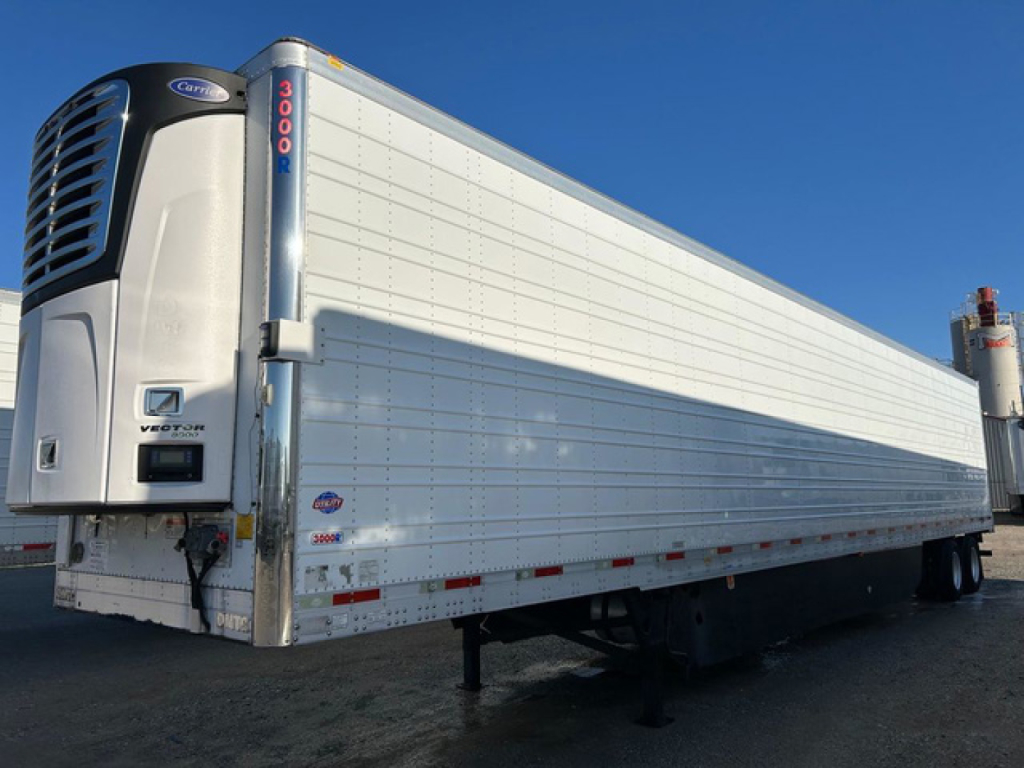
Have used 2016 refrigerated trailer to sell? List it here to reach thousands of buyers.
About Used 2016 Refrigerated Trailers in Iowa
The refrigeration unit is the first place to focus. A 2016 trailer may still have solid service life left, but condition depends heavily on maintenance records, engine hours, start-stop versus continuous run use, and how well the unit holds setpoint under load. Pay attention to pulldown performance, fuel consumption, defrost operation, evap condition, and any alarm history. If the trailer will be used for stricter cold-chain freight, inspect the insulation package, interior lining, door seals, and floor condition closely. Small issues in scuff liners, lining panels, drains, or rear frame seals can turn into temperature loss, moisture problems, and higher run time.
Trailer specification matters because reefer bodies are rarely one-size-fits-all. Common features include flat or duct floors, aluminum wheels, air ride suspension, tire inflation systems, side skirts, and interior lining materials such as Kemlite, ArmorTuf, or similar composite surfaces. Door style changes the application. Swing doors are common for dock work and full-trailer loading, while roll-up doors can make sense for frequent stop delivery, though they can affect cube and seal life. Some specialized refrigerated trailers also show up with multiple side doors or non-standard interior layouts for route delivery or liquid tender support. Check axle spread, brake type, tire condition, floor wear, and rear frame integrity, especially on trailers that have seen heavy dock contact or high-cycle urban work.
For Iowa buyers, corrosion exposure, washout practices, and seasonal use patterns deserve extra attention. Reefer trailers working through winter road treatment and repeated washdowns can show wear around crossmembers, threshold areas, door hardware, and unit mounting points. A good 2016 refrigerated trailer should still present well in the chassis, hold temperature consistently, and match the freight profile it is being bought for. The smartest comparison is not just price by model year. Compare reefer hours, maintenance history, lining type, floor style, suspension, and door configuration to find a trailer that fits the lane, commodity, and unloading pattern.
Frequently Asked Questions
What should I check first on a used 2016 refrigerated trailer?
Start with the refrigeration unit, because reefer performance drives the trailer’s value. Review engine hours, service records, alarm history, and operating mode history if available. Then inspect how well the box holds temperature by checking insulation condition, door seals, lining, floor wear, and any evidence of water intrusion. After that, evaluate the chassis like any other trailer by looking at suspension, brakes, tires, wheel ends, crossmembers, and rear frame condition.
How many reefer unit hours is too many on a 2016 reefer trailer?
There is no single cutoff, because maintenance quality matters more than the hour number alone. A well-maintained Carrier or Thermo King unit with higher hours can be a better buy than a lower-hour unit with poor service history, repeated alarms, or weak pulldown performance. Buyers should treat hours as one part of the picture and compare them alongside maintenance records, unit condition, fuel use, and the trailer’s ability to maintain setpoint consistently.
Are 2016 refrigerated trailers still a good fit for food-grade freight?
They can be, provided the trailer has been maintained to food-grade standards and the box remains clean, sealed, and structurally sound. Interior lining condition, floor type, drain condition, odor control, and door seal integrity all matter. If the trailer will haul produce, frozen freight, dairy, or meat, it is smart to verify washout history, inspect for panel damage, and confirm the reefer can hold required temperatures under real operating conditions.
What features matter most when comparing used reefer trailers in Iowa?
For Iowa operations, focus on unit reliability, air ride suspension, tire condition, brake type, lining material, floor design, and door configuration. Seasonal weather and road treatment make corrosion inspection important, especially around the rear sill, crossmembers, and door hardware. Buyers running regional grocery or foodservice lanes may also value options such as aluminum wheels, tire inflation systems, and side skirts if they want lower operating costs and easier fleet standardization.
What is the difference between swing doors and roll-up doors on a reefer trailer?
Swing doors are the standard choice for most refrigerated trailer applications because they seal well, maximize interior cube, and work efficiently at docks. Roll-up doors can be useful for frequent stop delivery because they open quickly and stay out of the way, but they may require more attention to seal condition and can slightly reduce usable space. The right choice depends on how often the trailer is opened, the dock setup, and how critical temperature retention is during delivery cycles.