
Used 2016 Utility Refrigerated Trailers For Sale
Shop used 2016 Utility refrigerated trailers. Compare 53-foot reefer specs, insulation, floors, reefers, suspension, and trailer condition.
Learn more
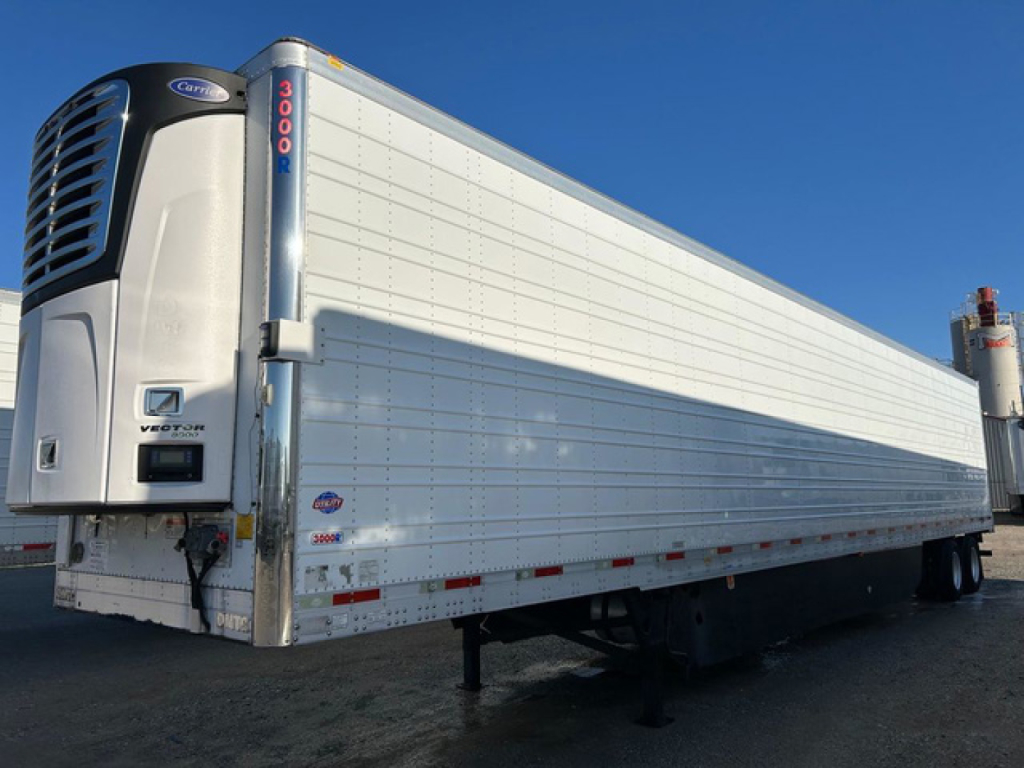
Have used 2016 utility refrigerated trailer to sell? List it here to reach thousands of buyers.
About Used 2016 Utility Refrigerated Trailers
For most buyers, the real value in a 2016 reefer comes down to temperature control performance and how hard the trailer was run. Unit hours matter, but they do not tell the whole story by themselves. A lower-hour unit with poor maintenance can be a bigger risk than a higher-hour unit with complete service records. Check pull-down performance, return-air and supply-air consistency, evap and condenser condition, fuel tank integrity, and whether the trailer holds setpoint under load. On the trailer side, inspect the front wall, roof seams, door frame, drains, and lining for hidden moisture damage or insulation breakdown. Reefer buyers should also pay close attention to floor type and condition, especially if the trailer has spent years on heavy pallet jack traffic or concentrated foodservice routes.
A 2016 Utility reefer may come with features that still matter in daily fleet use, including air ride suspension, tire inflation systems, aerodynamic skirts, aluminum wheels, and scuff liners or composite interior lining such as Versitex or similar materials. Tire condition, brake type, and tandem slide operation are worth checking closely because they affect both operating cost and dispatch flexibility. If the trailer is running long-haul refrigerated freight, look at kingpin area wear, crossmember condition, rear frame integrity, and door seal life. If it is intended for multi-stop delivery, details like rear step setup, grab handles, light package, and door hardware can have an outsized effect on driver efficiency and downtime.
Utility refrigerated trailers hold their place in the used market because they are straightforward to service and familiar to most fleet shops. A buyer comparing several 2016 units should think beyond paint and appearance and evaluate the trailer as a cold-chain asset. The best purchase is usually the one with a sound box, documented reefer maintenance, clean structural condition, and specs that match the freight. For frozen lanes, insulation quality and unit performance are critical. For produce and mixed-temp regional work, airflow, floor design, and door seal condition become just as important. When the trailer is right, a used 2016 Utility reefer can still be a productive trailer in dedicated food-grade service or general refrigerated freight.
Frequently Asked Questions
What should I inspect first on a used 2016 Utility refrigerated trailer?
Start with the refrigeration unit, the trailer body, and the floor. Confirm the reefer unit brand, model, and total hours, then review maintenance records if available. Check that the unit reaches and holds setpoint, including proper pull-down and stable return-air temperature. On the trailer body, inspect the front wall, roof, corners, interior lining, and rear door frame for signs of water intrusion, impact damage, or insulation failure. Floor wear is also critical because damaged channels or weak spots can hurt airflow and cargo protection.
Are 2016 Utility reefers still a good fit for over-the-road refrigerated freight?
Yes, many 2016 Utility reefers still make sense for over-the-road and regional refrigerated service if the box is structurally sound and the reefer unit has been maintained properly. This model year is old enough that condition matters more than age alone. A well-kept trailer with a clean interior, tight doors, good suspension, and documented unit service can remain productive in grocery, frozen food, and produce lanes. Buyers should budget for normal wear items such as tires, brakes, door seals, and reefer service as part of the purchase decision.
What reefer unit details matter most when buying a used refrigerated trailer?
The most important details are unit brand, model, hours, service history, and operating performance. Carrier and Thermo King units are common on Utility reefers, and both have broad service support, but the exact model affects fuel usage, emissions equipment, maintenance intervals, and repair cost. Hours are important, but service history is often a better predictor of reliability. Look for evidence of regular preventive maintenance, clean operating records, and recent inspections of belts, filters, coils, sensors, and fuel system components.
How important is interior lining and floor type on a Utility reefer?
Interior lining and floor design are major buying factors because they directly affect sanitation, airflow, and long-term trailer life. Food-grade operations often prefer clean, intact composite or fiberglass-reinforced linings with minimal damage and good sealability. The floor must support the intended freight and allow proper air movement under pallets. Deep wear, crushed channels, patched sections, or corrosion can lead to poor temperature distribution and faster cargo damage. Buyers running heavy palletized freight should inspect the floor carefully for fatigue and repeated forklift or pallet jack impact.
What trailer specs are commonly found on a 2016 Utility refrigerated trailer?
Many 2016 Utility reefers are 53-foot trailers with air ride suspension, tandem sliding axles, swing rear doors, aluminum roof construction, and food-grade interior lining. Some are equipped with tire inflation systems, aerodynamic skirts, aluminum wheels, and underbody storage trays. Brake configuration may vary, and some units will show fleet-focused options like front impact protection, extra lighting, and dock-friendly rear hardware. Exact specs differ by original fleet order, so buyers should confirm suspension, unit model, door style, floor construction, and axle setup on each trailer individually.