
New Refrigerated Trailers For Sale
New refrigerated trailers for sale, including 53-foot reefer trailers with air ride, sliding tandems, aluminum roofs, and cold-chain specs.

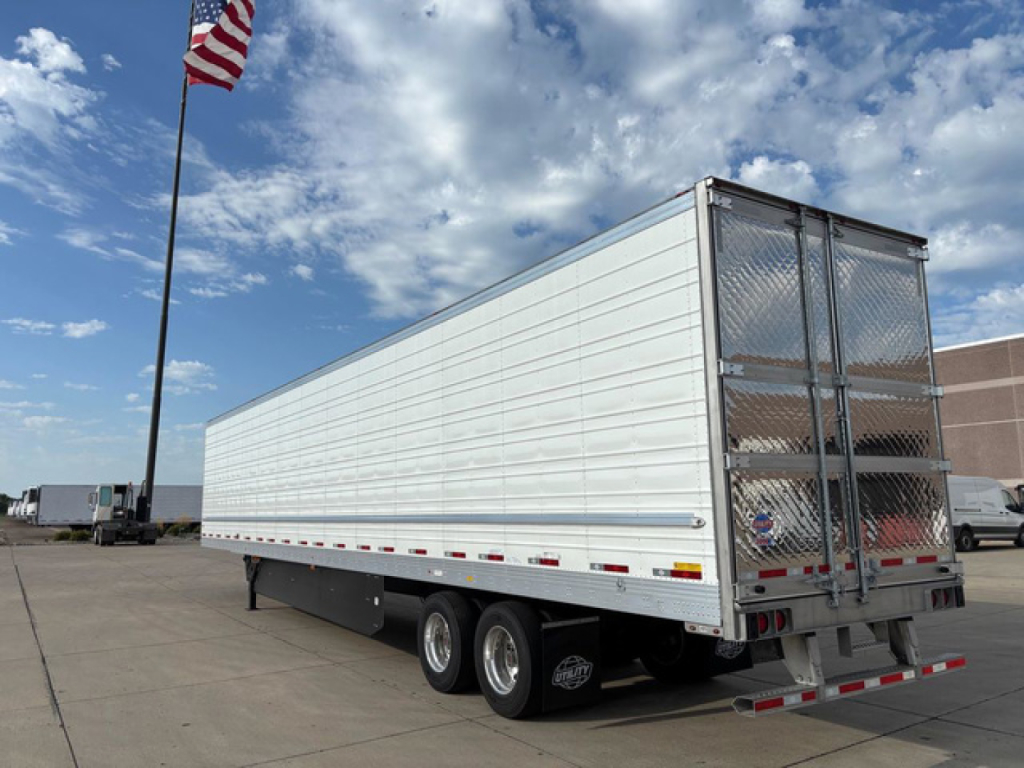
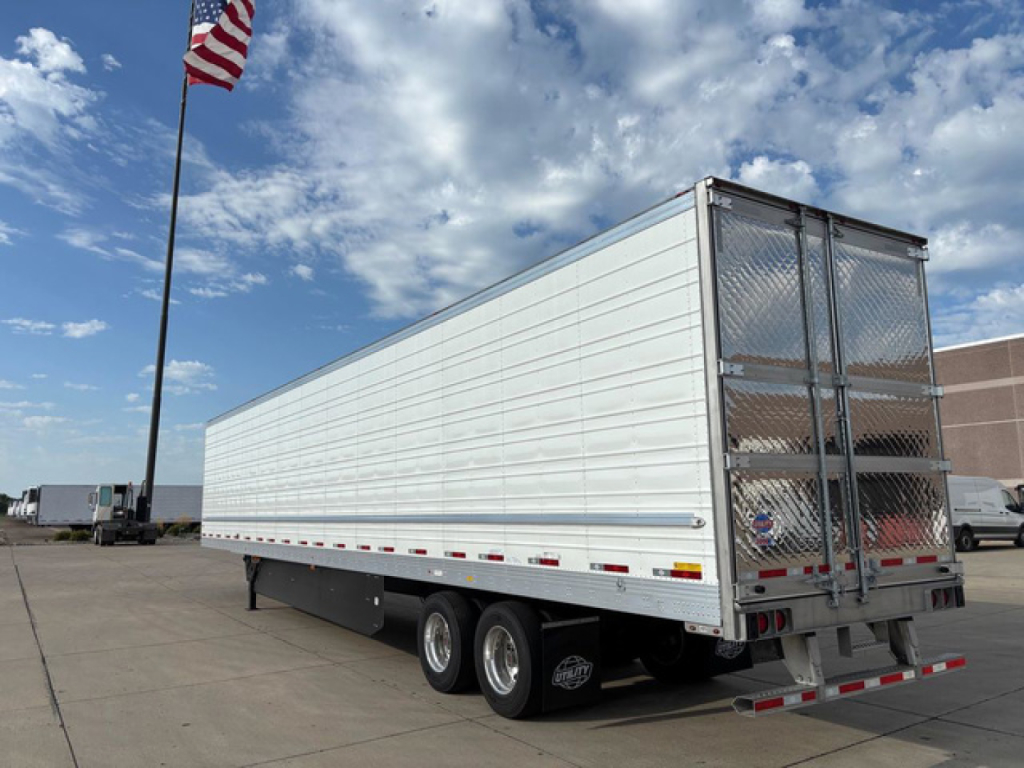
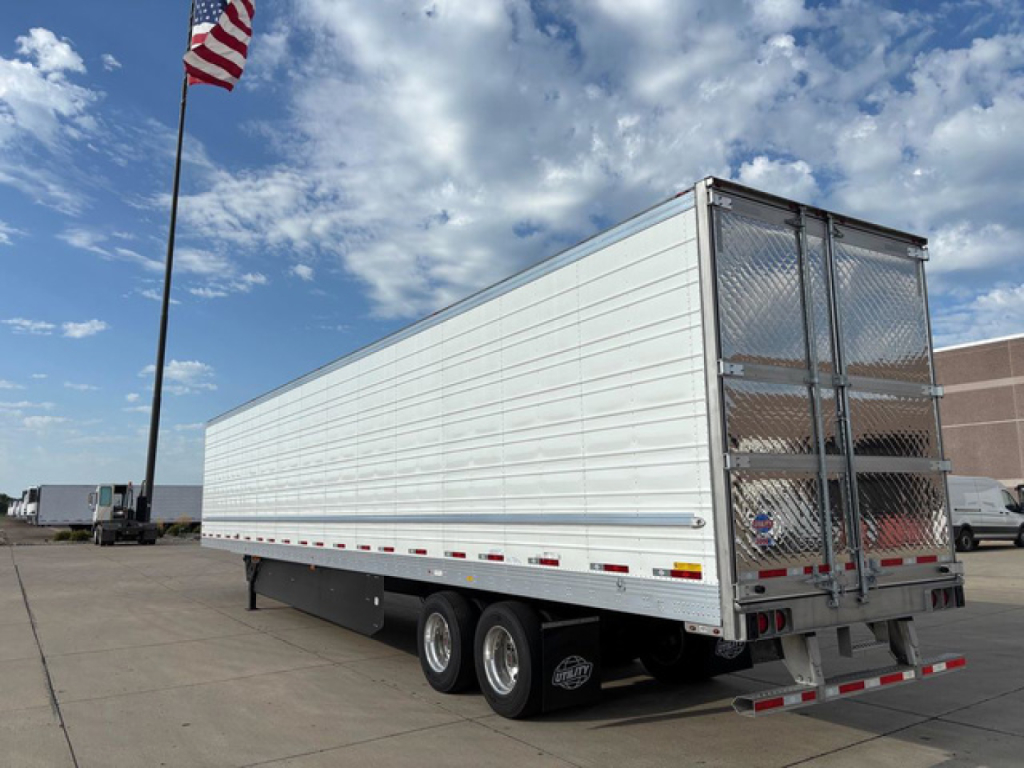

Showing 1 to 28 of 90 results
Selling a new refrigerated trailer? List your new refrigerated trailer for sale and reach thousands of commercial buyers.
New Refrigerated Trailers
The key buying decision is not just trailer length or brand. It is how the trailer is spec'd for the freight. Interior width and height, floor rating, insulation package, evaporator and return-air performance, and door seal quality all affect pull-down times and temperature recovery. Many new reefer trailers are ordered with air ride suspension for better product protection, sliding tandem axles for bridge-law and dock flexibility, 22.5-inch rubber, and aluminum wheels to manage tare weight. Buyers should also look closely at roof construction, scuff liners, ducted airflow options, bulkheads, and logistics tracking or telematics prep if the trailer will run in a managed fleet.
For operations that load mixed or high-turn freight, trailer durability matters just as much as refrigeration output. A strong floor system is important for heavy pallet jack traffic and concentrated forklift loads. Interior lining, threshold design, rear frame construction, and door hardware all take abuse in multi-stop distribution. If the trailer will see produce sheds, meat plants, or foodservice routes, think about washout requirements, drain layouts, corrosion resistance, and how easy the interior is to sanitize. New units also give buyers the advantage of current-spec lighting, ABS, tire monitoring options, and improved thermal efficiency that can reduce fuel burn on the refrigeration unit over time.
A new reefer trailer is usually a long-hold asset, so resale and serviceability should be part of the purchase decision. Common specs such as 53-foot length, air ride, sliding tandems, and standard tire sizes tend to stay liquid in the secondary market. It also pays to match the trailer to the refrigeration unit support network in your operating region, because uptime depends on parts access and technician coverage. Buyers comparing new refrigerated trailers should focus on payload versus insulation, route profile, loading style, and the temperature tolerance of the commodity. A trailer that is ideal for frozen LTL can be a poor fit for heavy regional grocery work if the floor, lining, or airflow package is wrong.
Frequently Asked Questions about New Refrigerated Trailers
What is the most common size for a new refrigerated trailer?
The most common size is a 53-foot reefer trailer with tandem axles. That configuration is widely used in over-the-road and regional cold-chain freight because it balances cubic capacity, legal compliance, dock compatibility, and resale appeal. It is also the easiest spec to place into general food-grade service, grocery distribution, and dedicated contract freight.
What specs matter most when buying a new reefer trailer?
The most important specs are insulation performance, interior dimensions, floor rating, suspension type, axle configuration, and refrigeration unit compatibility. Buyers should also pay attention to roof and wall construction, rear door sealing, scuff protection, and airflow management inside the box. A reefer trailer is not just a dry van with a cooling unit attached. The trailer body, floor, doors, and insulation package all affect temperature control, fuel efficiency, and product protection.
Are air ride and sliding tandems standard on many new refrigerated trailers?
Air ride suspension and sliding tandem axles are very common on new reefer trailers because they improve freight protection and operating flexibility. Air ride helps reduce cargo shock on sensitive loads such as produce, dairy, and pharmaceuticals. Sliding tandems help with bridge-law compliance, axle weight distribution, and positioning the trailer correctly for different loading docks and state requirements.
How do I choose the right reefer trailer for frozen versus fresh freight?
Frozen freight usually puts more emphasis on insulation quality, tight door seals, and stable long-duration temperature hold. Fresh freight often requires strong airflow management, quick temperature recovery after door openings, and interior layouts that suit frequent loading and unloading. If the trailer will haul mixed commodities, the buyer should consider bulkhead options, ducted airflow, floor design, and how often the doors will be opened in route.
Do new refrigerated trailers hold their value well?
New refrigerated trailers can hold value well when they have mainstream specs and are maintained properly. Trailers with common lengths, standard tire sizes, air ride, sliding tandems, and recognized body and refrigeration components are typically easier to remarket. Long-term value also depends on structural condition, floor wear, interior cleanliness, service records, and the reputation of the refrigeration unit support network tied to that trailer.