
New Refrigerated Trailers For Sale in Iowa
Shop new refrigerated trailers in Iowa with specs for food, produce, dairy, and frozen freight, including suspension, tire, and axle options.


Selling a new refrigerated trailer? List your new refrigerated trailer for sale and reach thousands of commercial buyers.
New Refrigerated Trailers in Iowa
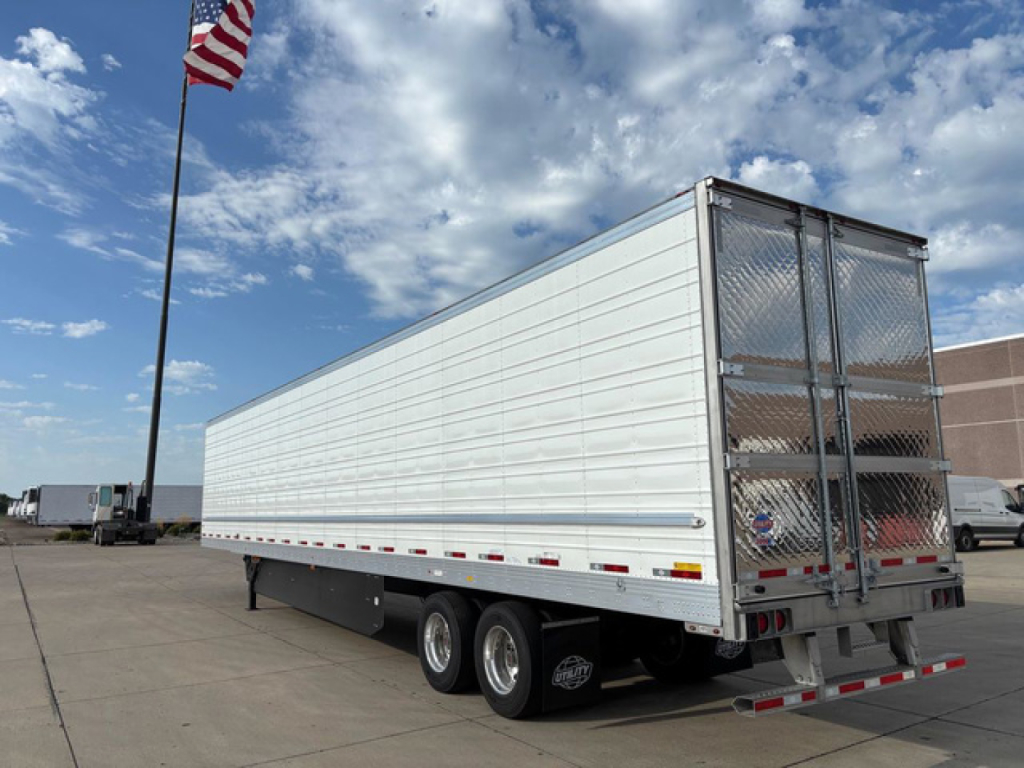
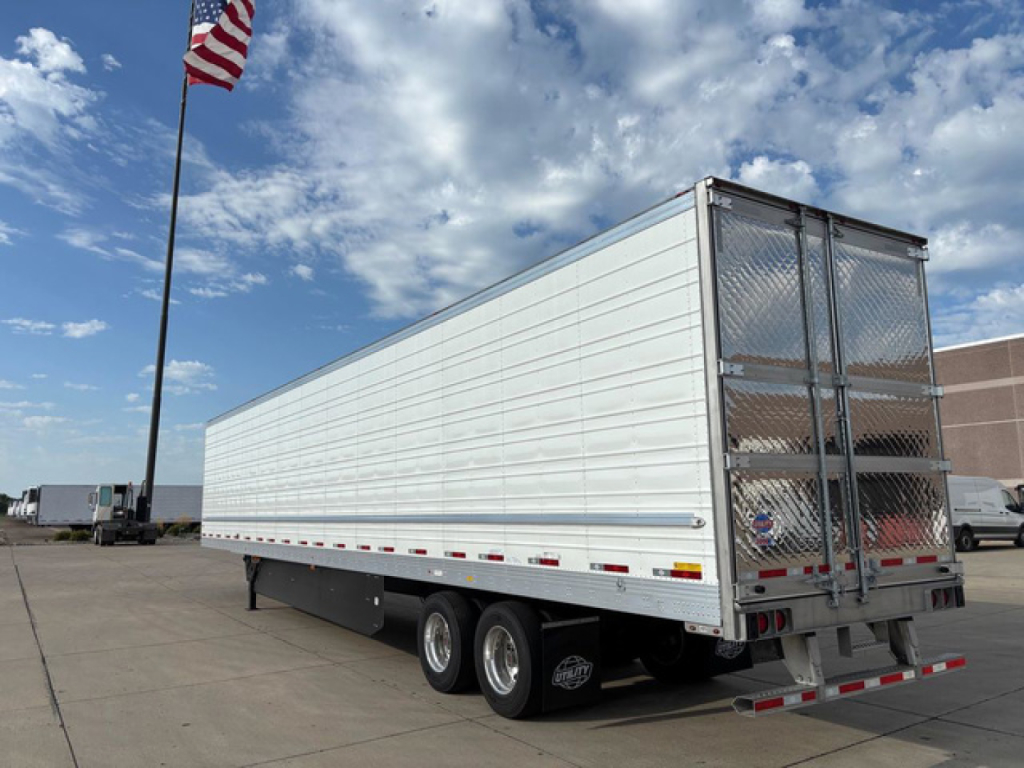
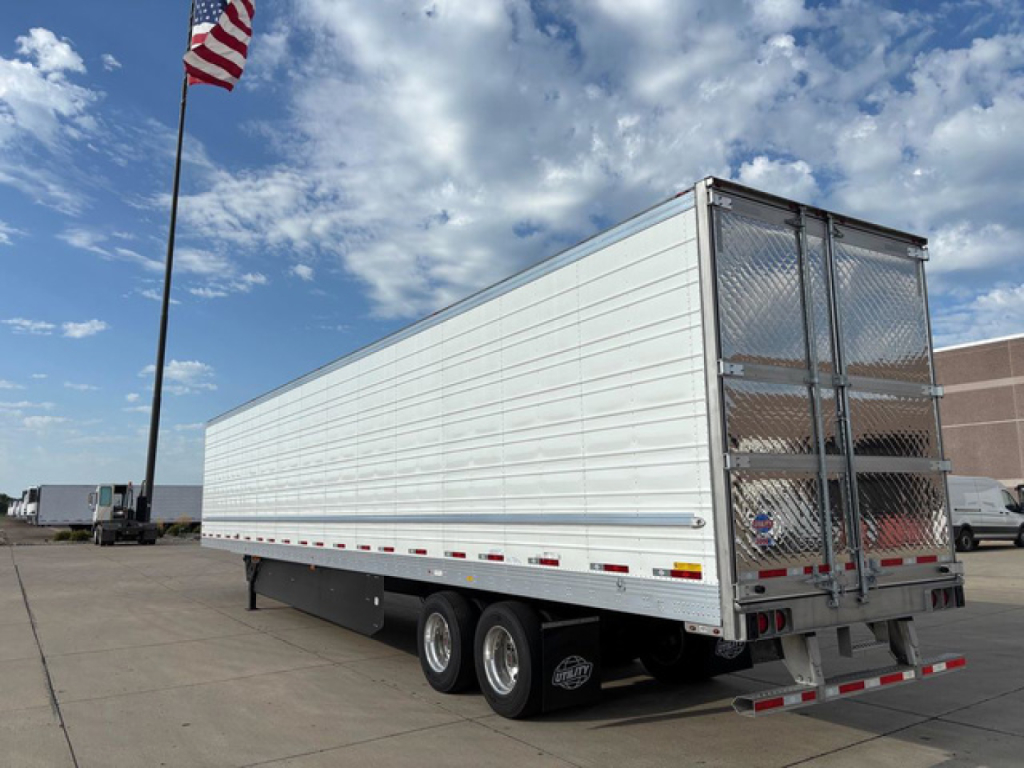
Most new reefer trailers in this category are 53-foot tandem axle units with air-ride suspension, aluminum wheels, and 22.5-inch rubber. Sliding tandem configurations are common because kingpin setting and axle placement matter for bridge law compliance, dock access, and weight distribution across different states and lanes. Aluminum roofs and corrosion-resistant construction are standard priorities on new refrigerated trailers because they help keep tare weight in check while holding up in high-mileage service. Interior details such as duct floors, scuff liners, logistics posts, and multiple rows of E-track can make a major difference if the trailer will handle mixed pallets, load bars, or frequent hand-unload freight.
A reefer trailer is more than an insulated box. The refrigeration unit, air chute or ducting setup, and trailer body all have to work together. Buyers moving deep-frozen freight may prioritize tighter temperature tolerance and strong floor air circulation, while produce and floral operations may focus more on fresh-air exchange and gentler temperature management. Fuel tank size, unit runtime strategy, telematics, and remote temperature monitoring are worth reviewing on new trailers because they directly affect compliance, maintenance planning, and claim prevention. If the operation runs dedicated routes, a narrow spec can maximize efficiency. If the trailer will rotate through several customers, a more flexible interior and multi-temp readiness may be the better long-term choice.
For Iowa fleets, durability in seasonal weather matters as much as refrigeration performance. Road spray, freeze-thaw cycles, and dock-heavy service put stress on rear frames, floors, door hardware, and suspension components. New trailers give buyers the advantage of choosing the right roof, lining, tire, wheel, and suspension package up front instead of inheriting someone else’s compromises. A well-matched reefer trailer should balance payload, thermal efficiency, serviceability, and resale value. The best spec is usually the one that fits the freight profile first, then aligns axle spread, suspension, and interior options to the lanes it will actually run.
Frequently Asked Questions about New Refrigerated Trailers in Iowa
What should I look for first when buying a new refrigerated trailer?
Start with the freight profile. Frozen freight, fresh produce, dairy, and multi-stop grocery service all place different demands on insulation, airflow, floor design, and refrigeration capacity. After that, review interior dimensions, floor type, door configuration, suspension, axle slider setup, and tare weight. A new reefer trailer should be spec'd around the temperature range, loading pattern, and legal weight distribution your operation sees most often.
Are air-ride suspension and sliding tandems common on new reefer trailers?
Yes. Air-ride suspension is widely used on refrigerated trailers because it helps protect sensitive cargo and reduces shock transfer compared with harsher ride setups. Sliding tandems are also common because they give the driver flexibility to manage bridge laws, trailer swing, and axle weight distribution. On reefer work, that flexibility matters when pallet count, product density, and stop patterns change from load to load.
How important is the trailer floor in a refrigerated trailer?
The floor is critical because it affects both airflow and durability. A duct floor or aluminum floor design helps cold air move under the load, which improves temperature consistency from front to rear. Floor condition and construction also matter for forklift traffic, washout routines, and long-term structural life. If the freight includes heavy pallets, beverage, or repeated dock loading, floor strength and repairability should be reviewed closely.
What features help a reefer trailer perform better in multi-stop delivery service?
Multi-stop work benefits from strong insulation, tight door seals, fast refrigeration recovery, and interior cargo control that keeps product stable as the load changes through the route. Features such as scuff liners, logistics track, load securement options, and telematics can improve both durability and temperature compliance. A spec built for repeated door openings should also consider airflow management and refrigeration unit performance under frequent cycling.
Why does trailer spec matter for Iowa operations?
Iowa fleets often deal with wide seasonal temperature swings, road spray, and a mix of regional and over-the-road freight. Those conditions make corrosion resistance, thermal efficiency, dependable suspension, and durable rear-door hardware especially important. A trailer that is properly spec'd for local weather and lane requirements can reduce maintenance downtime, improve product protection, and hold its value better over time.