
New Utility Refrigerated Trailers For Sale in Iowa
Shop new Utility refrigerated trailers built for cold-chain freight, with durable construction, air-ride suspension, and reefer-ready specs.

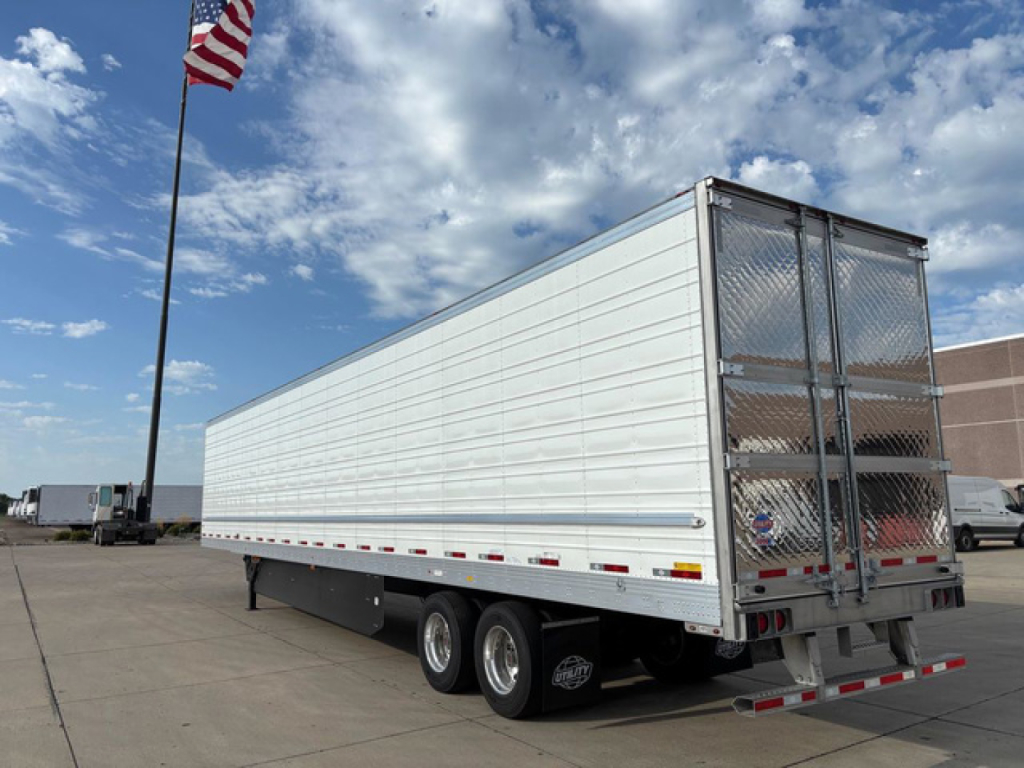

Selling a new utility refrigerated trailer? List your new utility refrigerated trailer for sale and reach thousands of commercial buyers.
New Utility Refrigerated Trailers in Iowa
A typical Utility reefer spec centers on a 53-foot tandem axle platform with a smooth interior, ducted airflow design, and a floor system built to handle repeated pallet jack and forklift traffic. Common buyer decisions include aluminum versus steel wheel spec, 22.5-inch rubber, slider axle settings, and air-ride suspension such as Hendrickson systems for better ride quality and cargo protection. Features like tire inflation systems, aerodynamic side skirting, heavy-duty frame rails, and marker light packages are often selected to improve operating efficiency, maintenance control, and visibility on regional or long-haul routes. Roof construction, door seal quality, and rear frame durability also deserve close attention because they directly affect temperature retention and trailer service life.
For Iowa operations, reefer trailer performance in both summer heat and winter cold is a real buying factor. Strong insulation, dependable door hardware, and a trailer body that holds temperature efficiently can reduce refrigeration unit run time and help protect margins over thousands of miles. If your freight includes frozen products, ice cream, meat, or mixed temp-sensitive loads, pay close attention to airflow management, bulkhead options, and the floor and wall condition standards you need from day one. For fleet buyers, standardizing around a Utility reefer spec can simplify parts stocking, technician training, and maintenance scheduling across multiple trailers.
A new Utility refrigerated trailer also gives buyers the advantage of starting with current spec choices instead of inheriting someone else’s wear patterns or repair history. That matters if your operation is sensitive to seal condition, interior cleanliness, corrosion control, or fuel-saving trailer components. The right reefer trailer should match your freight profile, loading pattern, and route length, not just your purchase price. Payload targets, dock frequency, suspension preference, and refrigeration requirements all play into selecting a trailer that will stay productive in cold-chain service.
Frequently Asked Questions about New Utility Refrigerated Trailers in Iowa
What are the most important specs to compare on a new Utility refrigerated trailer?
The most important specs are trailer length, interior dimensions, insulation package, floor capacity, axle configuration, suspension type, and reefer unit compatibility. Many buyers also compare slider settings, wheel and tire specifications, roof construction, door seal quality, and airflow design. These details affect payload, temperature consistency, maintenance costs, and how well the trailer fits your freight lanes.
Why do many buyers choose air-ride suspension on a reefer trailer?
Air-ride suspension is popular on reefer trailers because it helps reduce cargo shock and improves ride quality for temperature-sensitive or damage-prone freight. It can be especially useful on produce, dairy, beverage, and packaged food loads where trailer movement matters. Systems such as Hendrickson air ride are also widely recognized in fleet service networks, which can simplify maintenance planning.
How does a tire inflation system help on a refrigerated trailer?
A tire inflation system helps maintain proper tire pressure while the trailer is in operation, which can improve tire life, reduce irregular wear, and support better fuel economy. On refrigerated trailers that run long miles and tight delivery schedules, fewer tire-related roadside issues can translate into better uptime. It is a practical option for fleets focused on maintenance control and operating efficiency.
What should Iowa buyers look for in a new reefer trailer?
Iowa buyers should pay close attention to insulation performance, door sealing, corrosion resistance, suspension durability, and roof and floor construction. Reefer trailers in the Midwest often see a wide range of temperatures and frequent dock cycles, so strong temperature retention and durable hardware are important. If the trailer will run both local and long-haul freight, aerodynamic components and dependable running gear can also add value.
Is a Utility refrigerated trailer a good fit for multi-stop delivery work?
A Utility refrigerated trailer can be a strong fit for multi-stop delivery when it is spec'd with durable rear frame components, a floor built for pallet jack traffic, reliable door hardware, and a suspension that protects cargo. Multi-stop operations put extra wear on the body, floor, and doors, so build quality matters. Buyers moving grocery, foodservice, or retail cold-chain freight often prioritize those durability features from the start.