
Used Reefer Trailers For Sale in Texas
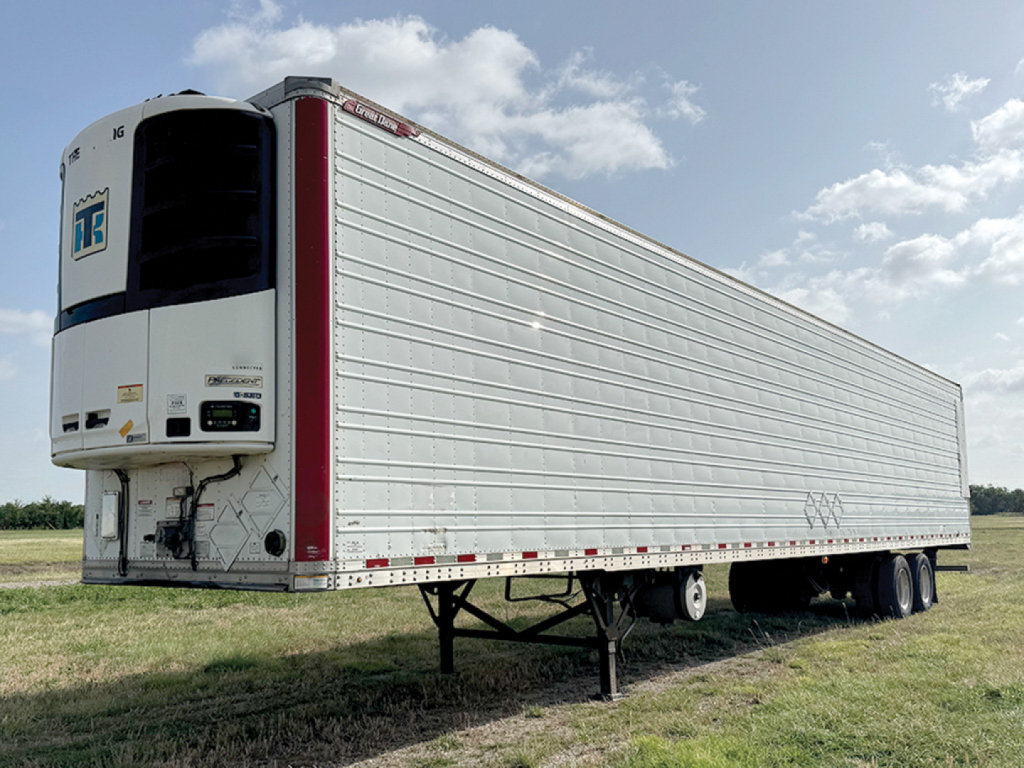
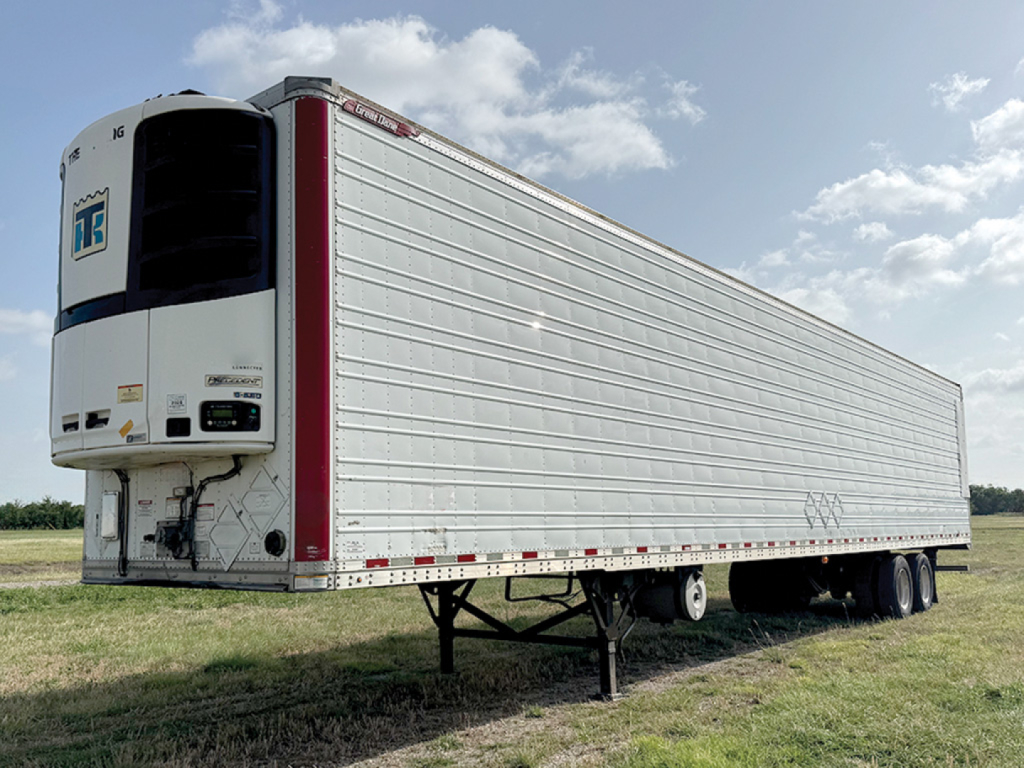
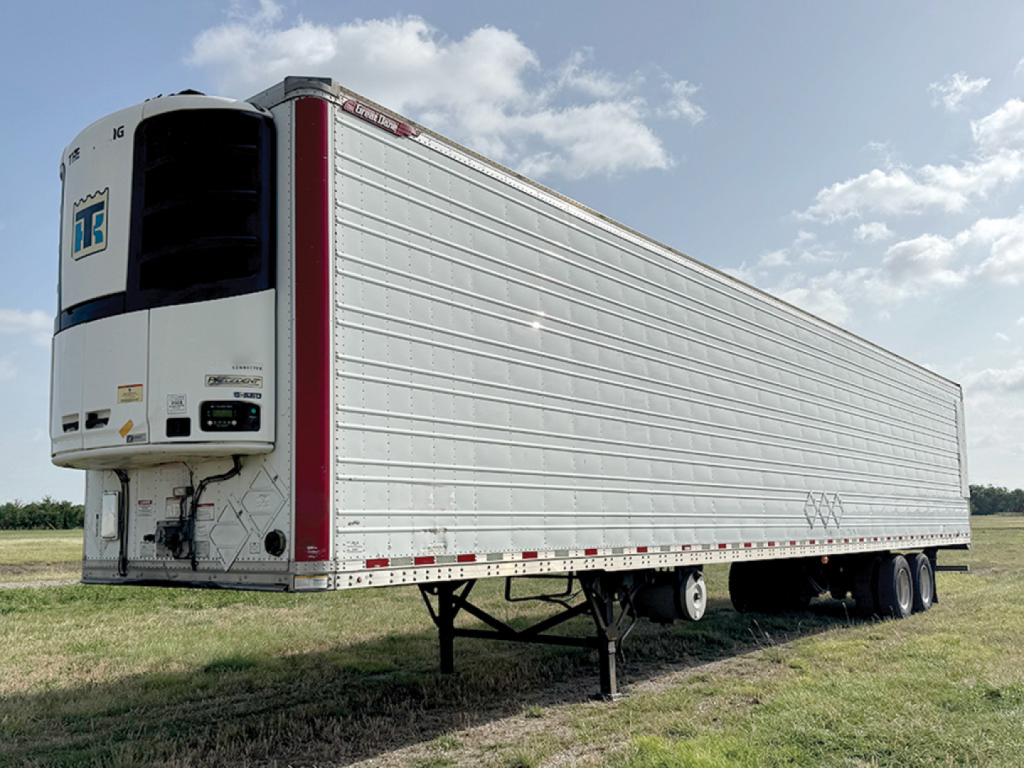
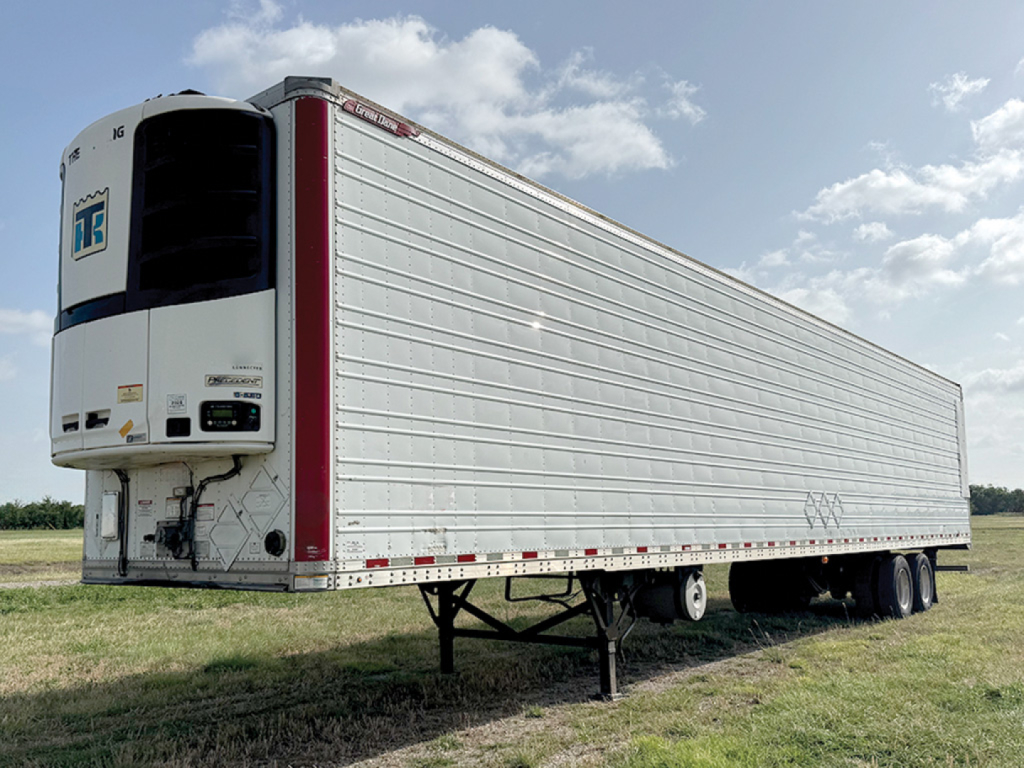
Browse used reefer trailers for sale in Texas, including 53-foot refrigerated trailers with Thermo King or Carrier units and air ride suspensions.
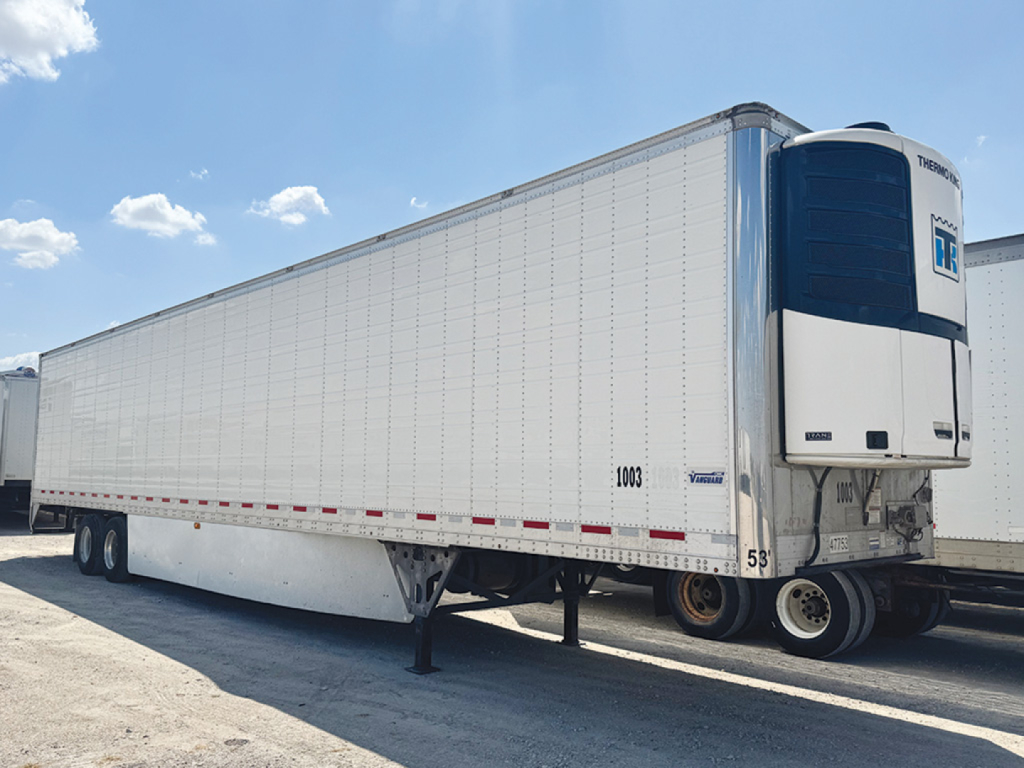
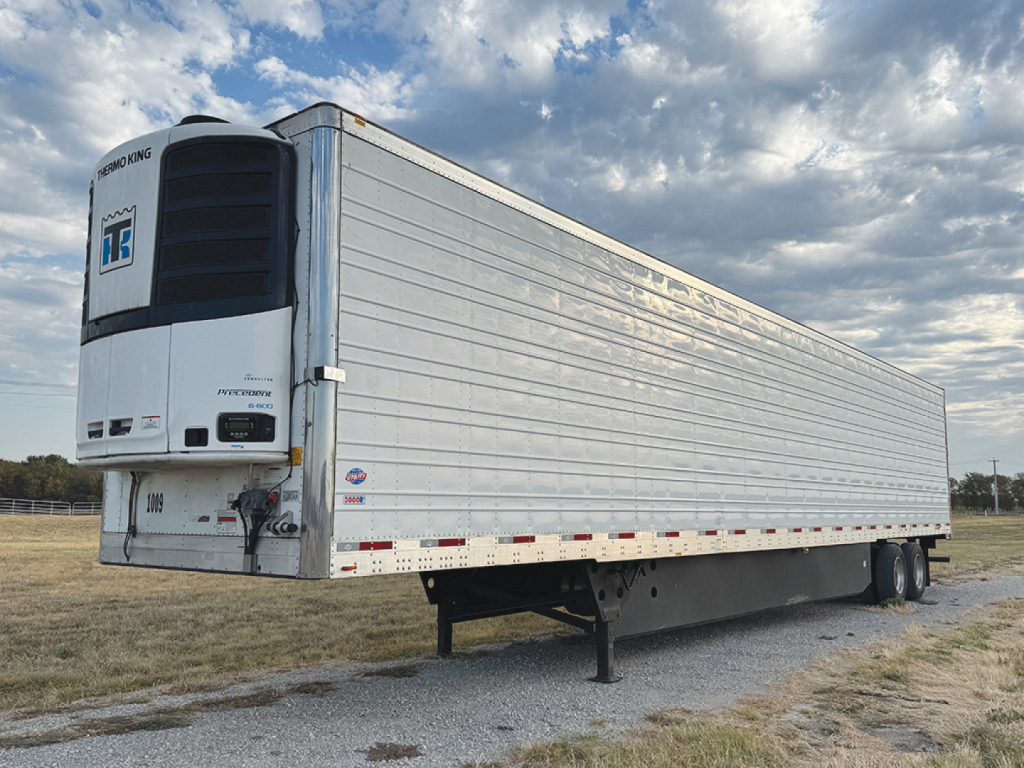
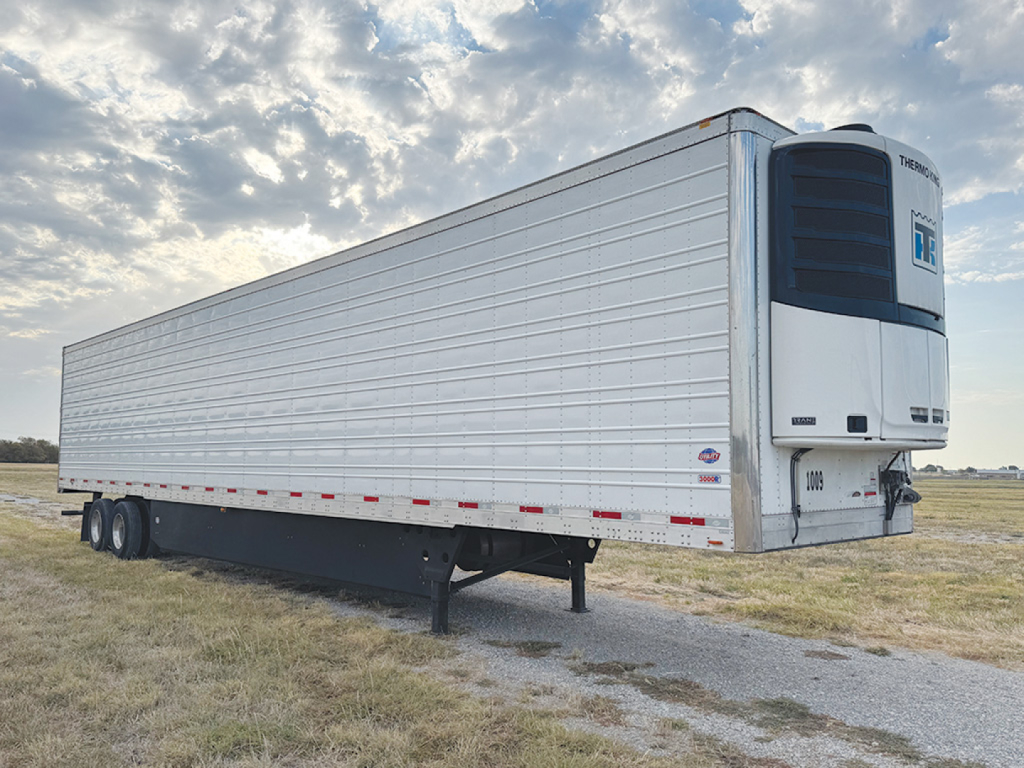
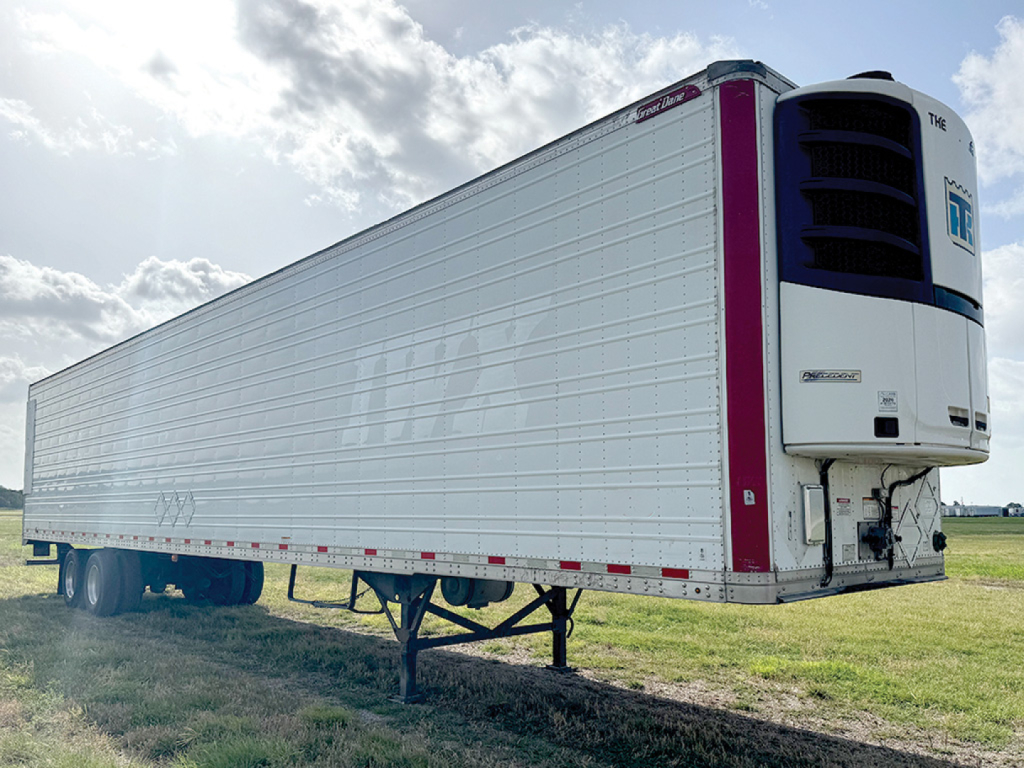
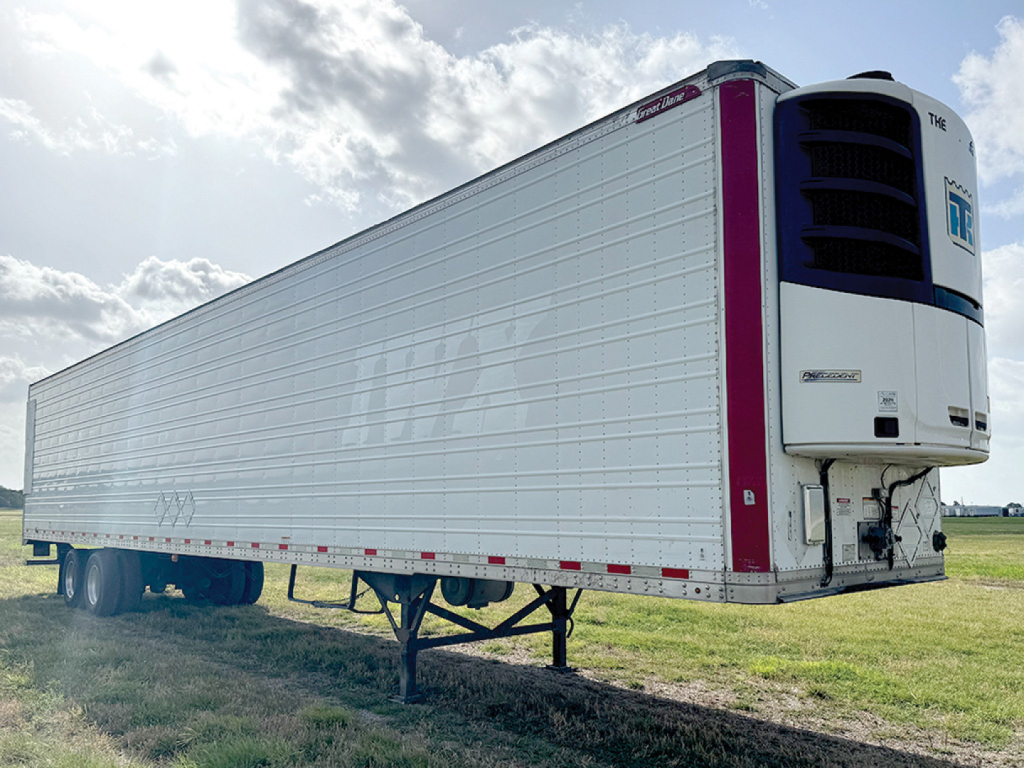
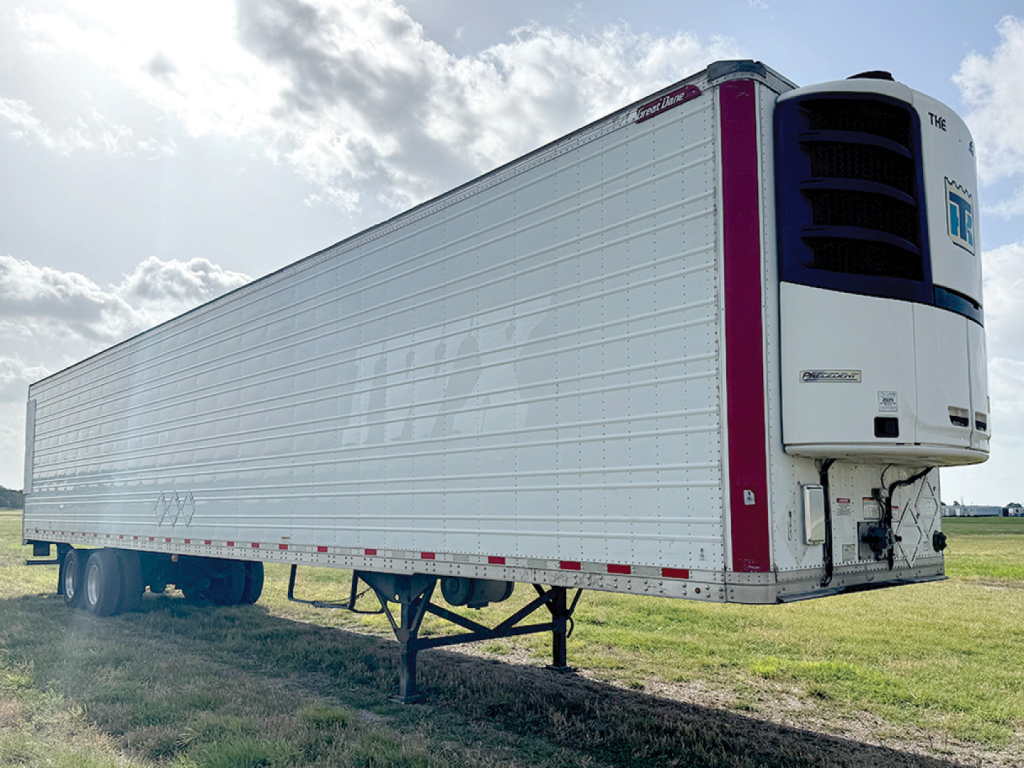
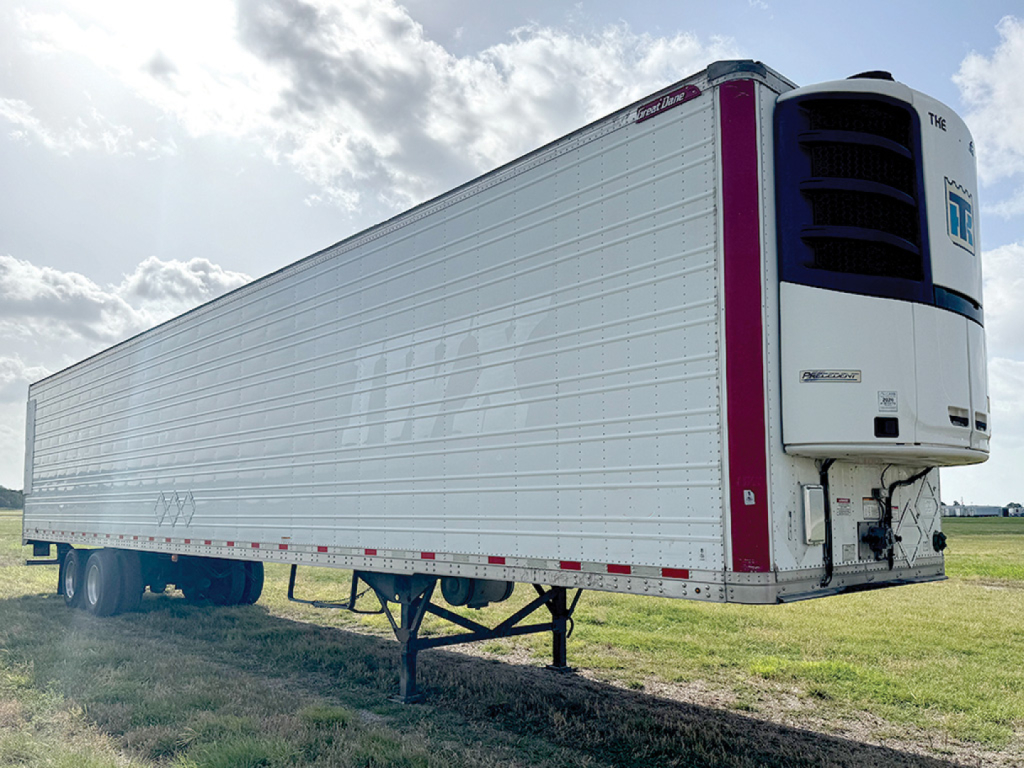
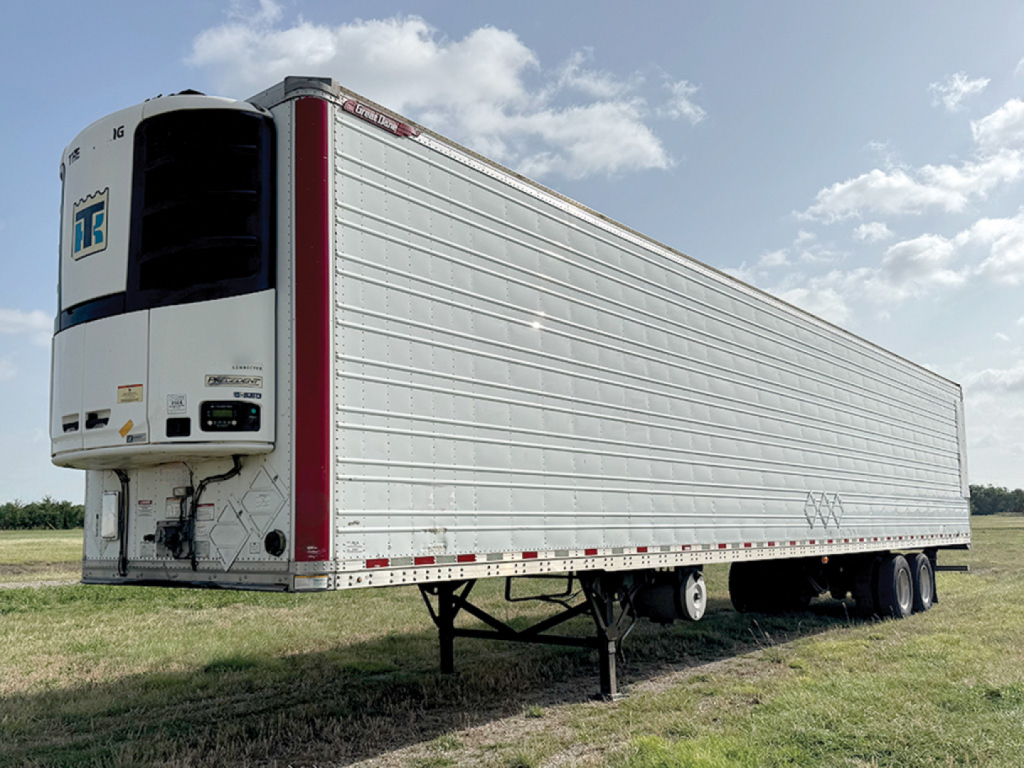
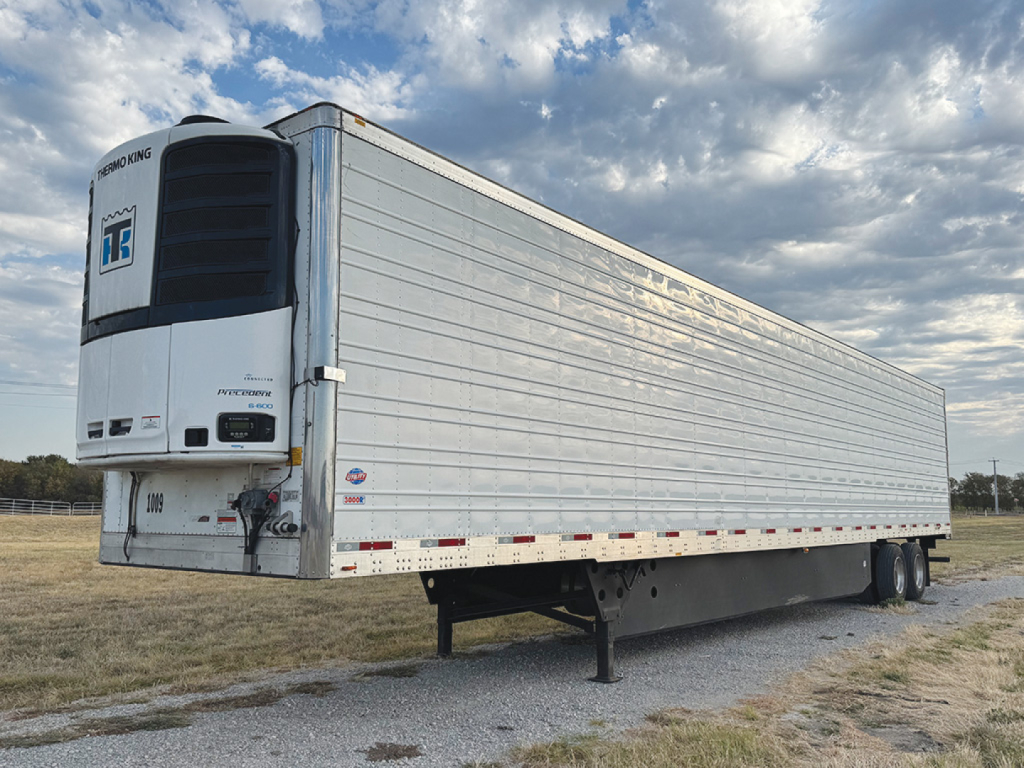
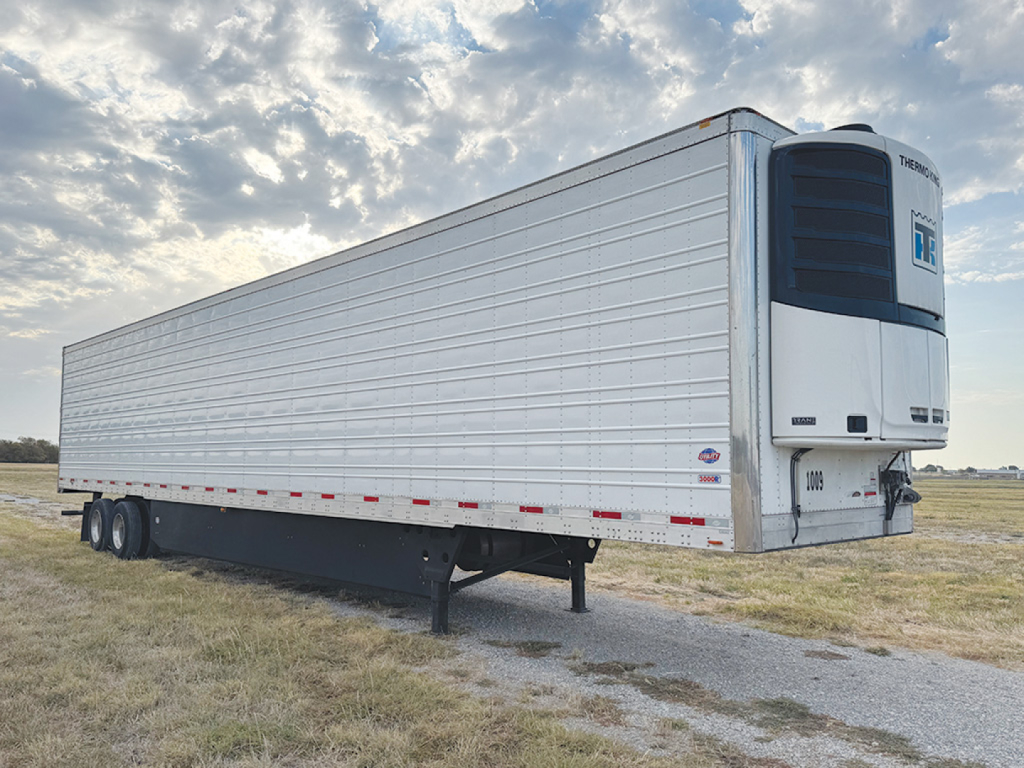

Showing 1 to 24 of 32 results
Have used reefer trailer to sell? List it here to reach thousands of buyers.
Used Reefer Trailers in Texas
Body construction and interior spec have a direct effect on resale value and day-to-day usability. Common features on reefer trailers include aluminum duct floors, scuff liners or scuff plates, stainless steel rear frames, stainless front radius panels, cold chutes, and either swing or roll-up rear doors. Inside height is worth checking closely, especially for shippers loading tall pallets or requiring cube optimization. Many late-model reefers offer around 104 to 108 inches of inside height, which can make a difference for high-cube freight. Floor condition is especially important because duct floors must still protect airflow under the load while handling forklift traffic without crushed channels or major wear.
Texas buyers often pay close attention to refrigeration performance in sustained heat, especially for regional distribution, produce harvest traffic, and long-haul lanes that originate in Dallas-Fort Worth, Houston, San Antonio, or the Rio Grande Valley. A reefer working in this market needs good insulation, clean evaporator and condenser operation, dependable door seals, and a healthy unit capable of holding setpoint in high ambient temperatures. Suspension and running gear also matter. Air ride suspension, sliding tandems, low-profile 22.5 tires, and aluminum or steel disc wheels are all common on used refrigerated trailers and affect bridge compliance, ride quality, and maintenance cost.
When comparing used reefer trailers, buyers should inspect the unit hours, engine starts, reefer controller diagnostics, structural condition around the front wall and rear sill, door alignment, and signs of prior floor or sidewall repair. It is also smart to verify the trailer’s interior width, kingpin setting, tandem slide range, and whether features like E-track, vents, and stainless quilted doors match the intended freight. A reefer trailer, also known as a refrigerated trailer or refrigerated van trailer, is a specialized asset where operating cost can swing quickly based on deferred maintenance. The best values are usually trailers with a clean temperature-control history, solid insulation, and a refrigeration unit that can be supported easily through service networks across Texas and beyond.
Frequently Asked Questions about Used Reefer Trailers in Texas
What should I check first on a used reefer trailer?
Start with the refrigeration unit, because that is the most expensive system on the trailer and the main reason the equipment earns its keep. Review unit hours, maintenance records, alarm history, controller operation, and how well the unit pulls down and holds temperature under load. After that, inspect the trailer body for floor damage, wall delamination, poor door seals, roof or front wall repairs, and rear frame wear. A clean-looking box does not always mean the reefer system is healthy, so mechanical condition and temperature performance should come before cosmetic appearance.
Are Thermo King and Carrier units both common on used reefer trailers?
Yes. Thermo King and Carrier are the two most common refrigeration unit brands in this segment, and both are widely used on 53-foot reefer trailers. The better choice often comes down to service support in your lanes, technician familiarity, parts availability, and the maintenance history of the individual trailer. A well-maintained unit from either brand is generally more important than brand preference alone, especially in a used trailer.
Why does floor type matter on a reefer trailer?
Floor type affects airflow, sanitation, forklift durability, and long-term repair cost. Heavy-duty aluminum duct floors are common because they allow air to move beneath the freight while standing up to repeated loading cycles. If the floor channels are crushed, heavily patched, or worn unevenly, airflow can be restricted and the trailer may struggle to maintain uniform temperature. Buyers hauling dense palletized freight should inspect the floor closely, because floor repairs on reefers can become expensive quickly.
What specs are most common on used reefer trailers in Texas?
A common Texas reefer trailer spec is 53 feet long, 102 inches wide, and 13 feet 6 inches tall, usually with air ride suspension and sliding tandems. Many used units also have 22.5 low-profile tires, aluminum or steel disc wheels, swing doors, duct floors, scuff plates, and stainless rear door frames. Refrigeration units are commonly single-temp trailer units from Thermo King or Carrier. Interior height can vary, so that measurement should be confirmed if your freight needs maximum cube.
Is a used reefer trailer a good fit for dry freight if the unit is not used often?
It can be, but buyers should think through the tradeoff carefully. A reefer trailer can haul dry freight, especially loads that benefit from insulation or a cleaner enclosed environment, but you still carry the cost and weight of the refrigeration system. If the unit is rarely used, maintenance can still be required to keep it reliable, and neglected reefer units often become expensive when they are finally needed. For mixed operations, a used reefer makes sense when temperature-controlled loads are part of the business often enough to justify the higher ownership cost.