
Used 2008 Reefer Trailers For Sale in Texas
Browse used 2008 reefer trailers for sale in Texas. Compare trailer specs, reefer units, flooring, suspension, and cold-chain features.
Learn more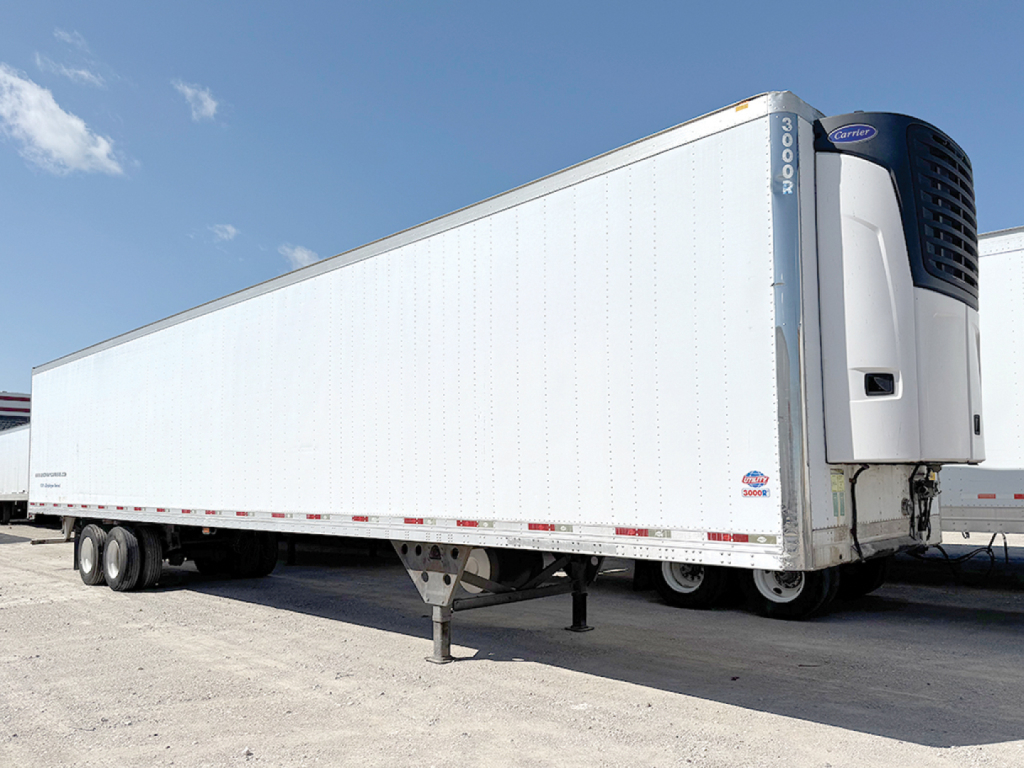
Have used 2008 reefer trailer to sell? List it here to reach thousands of buyers.
About Used 2008 Reefer Trailers in Texas
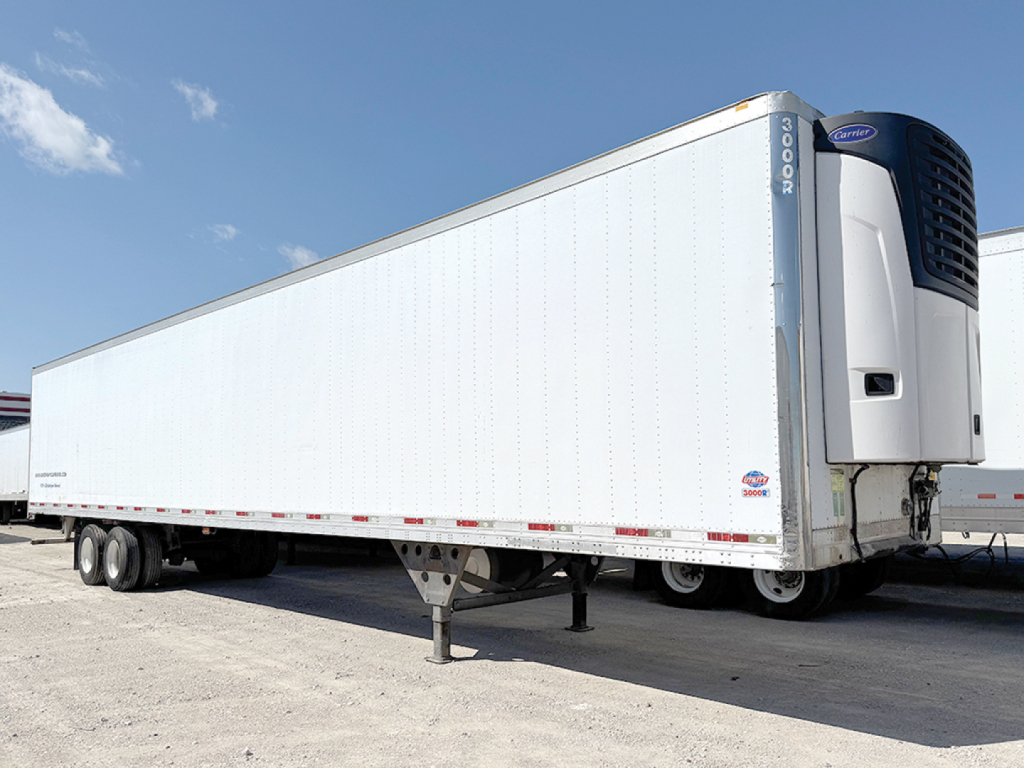
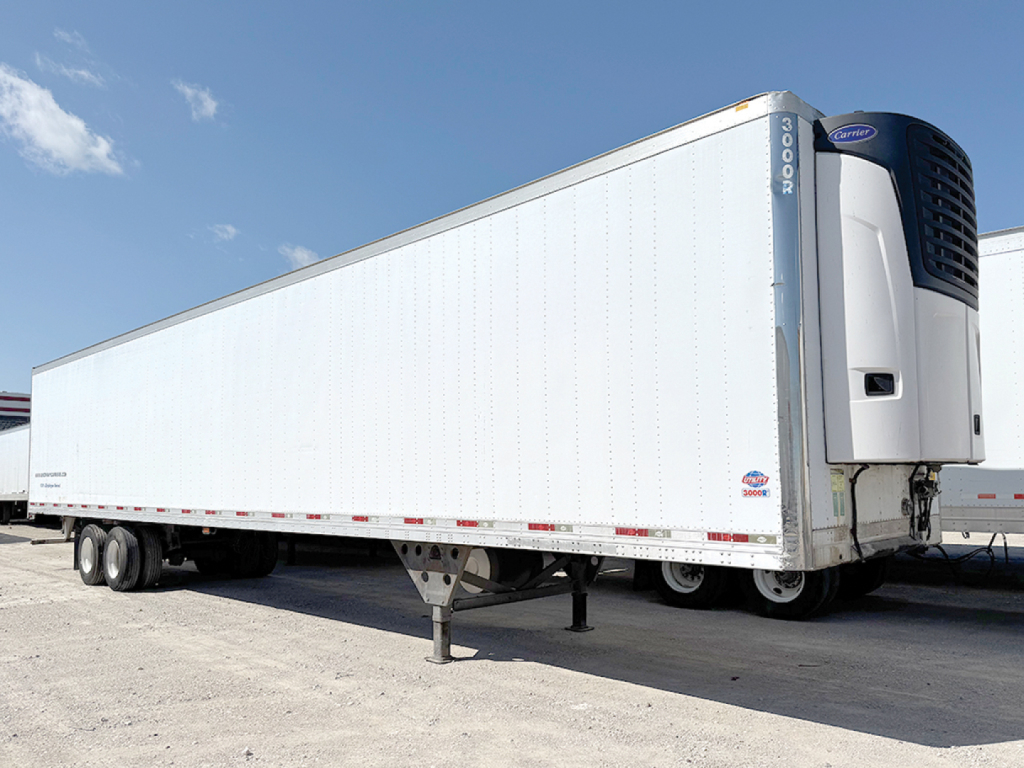
For Texas operations, reefer performance matters in extreme summer heat as much as it does in freeze protection. Buyers should pay close attention to the refrigeration unit make and model, common names being Thermo King and Carrier, along with total engine hours, electric standby if equipped, and service records for compressors, evaporators, and control systems. A clean-running unit is only part of the picture. Check the trailer body for moisture intrusion, damaged front walls, soft floors, compromised door seals, and poor return-air management. Features like duct floors, flat floors, scuff liners, stainless steel door frames, rear vents, and cold chutes can make a real difference in temperature recovery, cargo protection, and day-to-day washout durability.
A 2008 reefer trailer may also be set up for single-temp or multi-temp service. Single-temp trailers are common for straightforward frozen or chilled lanes. Multi-temp setups add flexibility for mixed loads but bring more complexity with bulkheads, additional airflow considerations, and higher maintenance exposure. Door configuration matters too. Swing doors are still preferred for many dock applications because they seal well and are simple to maintain, while roll-up doors can help in route delivery but may reduce cubic efficiency and add repair cost over time. Tire size, wheel type, brake spec, and suspension condition should all be evaluated alongside the reefer unit, because downtime rarely comes from one system alone.
The best used 2008 reefer trailers are usually the ones with consistent PM history, solid floors, straight rails, and reefer units that can hold setpoint under load instead of just during an idle inspection. Buyers comparing listings should look beyond cosmetic appearance and verify inside height, floor type, door opening dimensions, unit hours, and signs of previous patchwork in the roof or front cap. In Texas, where long hauls, heavy heat, and strict food safety expectations all intersect, a reefer trailer needs to do more than cool air. It needs to maintain stable product temperatures, load efficiently, and stay dependable between service intervals.
Frequently Asked Questions
What should I inspect first on a used 2008 reefer trailer?
Start with the reefer unit hours, maintenance records, and proof that the trailer can hold temperature at setpoint. Then inspect the box itself for insulation issues, water intrusion, floor wear, door seal condition, and structural damage around the front wall, roof, and rear frame. A reefer trailer is only as good as its thermal envelope, so a healthy refrigeration unit does not offset a weak trailer body.
Are 2008 reefer trailers still a good choice for Texas freight?
They can be, especially for buyers who need a lower acquisition cost and are willing to focus on condition over model year. Texas heat puts extra stress on refrigeration systems, so the key is finding a trailer with a sound insulated body, good doors and seals, and a reefer unit with documented service history. For produce, dairy, frozen foods, and regional grocery work, an older reefer can still be productive if it maintains temperature consistently and passes inspection.
What is the difference between a duct floor and a flat floor on a reefer trailer?
A duct floor is designed to move supply air under the load and back through the trailer more efficiently, which helps maintain even temperatures when cargo is loaded correctly. A flat floor may be easier for certain freight and cleaning routines, but airflow management becomes more dependent on pallet spacing and loading discipline. Buyers moving temperature-sensitive food products often prefer a duct-style floor because it supports better circulation and temperature recovery.
Is a single-temp or multi-temp 2008 reefer trailer better?
That depends on the freight mix. A single-temp reefer trailer is simpler, usually cheaper to maintain, and well suited for dedicated frozen or chilled lanes. A multi-temp trailer adds flexibility for mixed product loads, but it also adds components, bulkhead considerations, and more opportunities for maintenance issues. If the operation does not regularly require separated temperature zones, single-temp is often the more economical choice.
What reefer trailer specs matter most when comparing listings?
Focus on trailer length, inside height, door opening dimensions, reefer unit make and model, engine hours, floor type, suspension, tandem setup, brake condition, and wheel and tire spec. Also look for practical cargo features such as scuff liners, E-track, stainless steel door frames, cold chutes, and rear vents. These details affect payload handling, temperature control, maintenance cost, and how well the trailer fits the freight you plan to haul.