
Used 2018 Reefer Trailers For Sale in Texas
Browse used 2018 reefer trailers for sale in Texas. Compare 53-foot refrigerated trailers, reefer units, specs, insulation, and suspension.
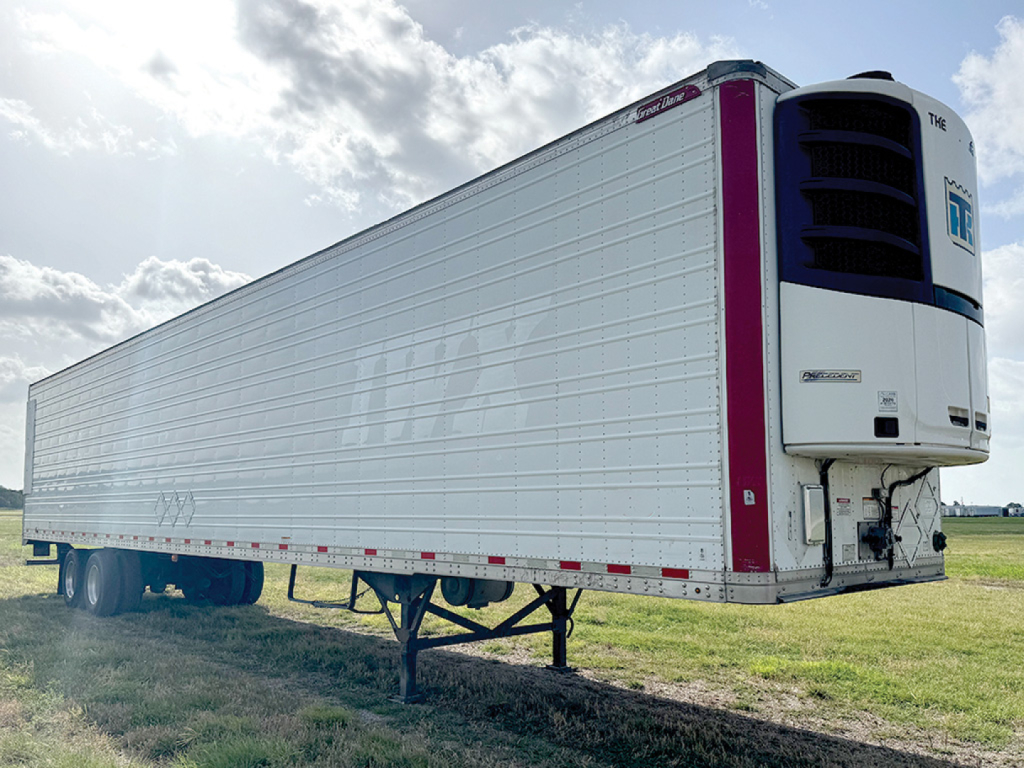
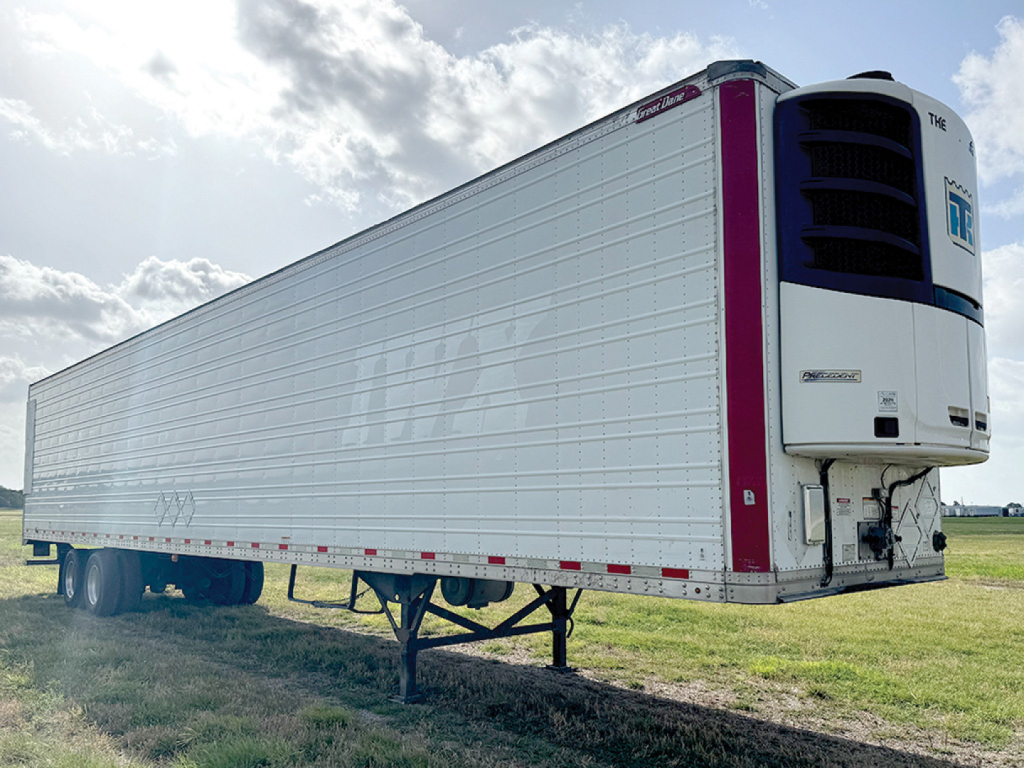
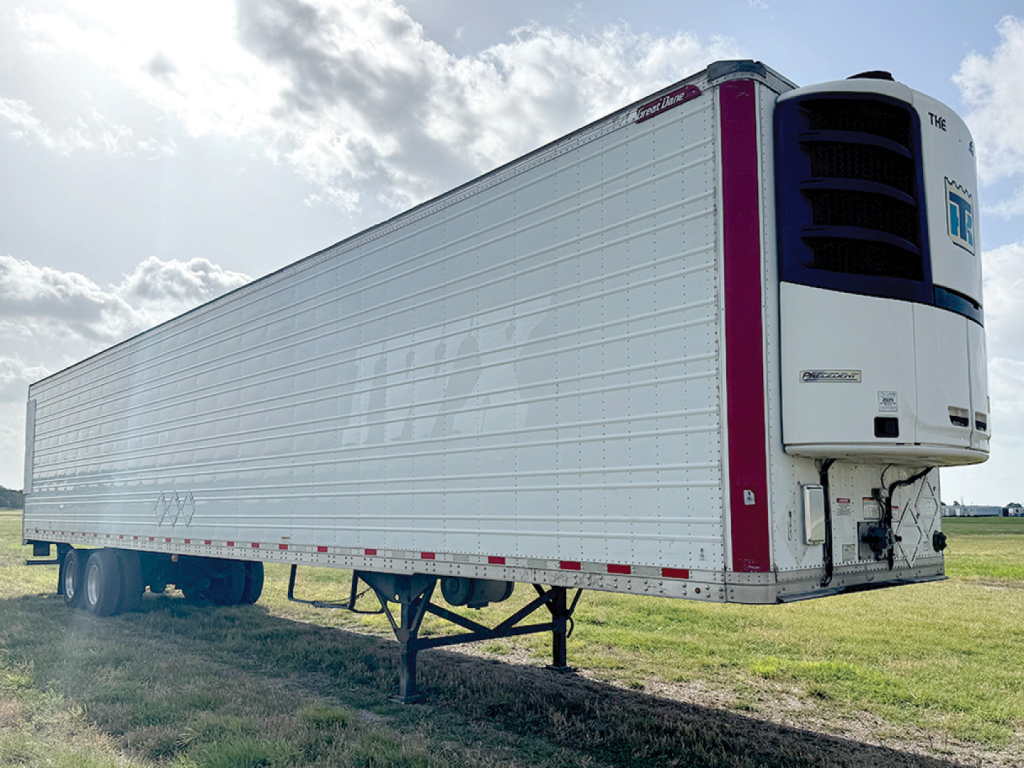
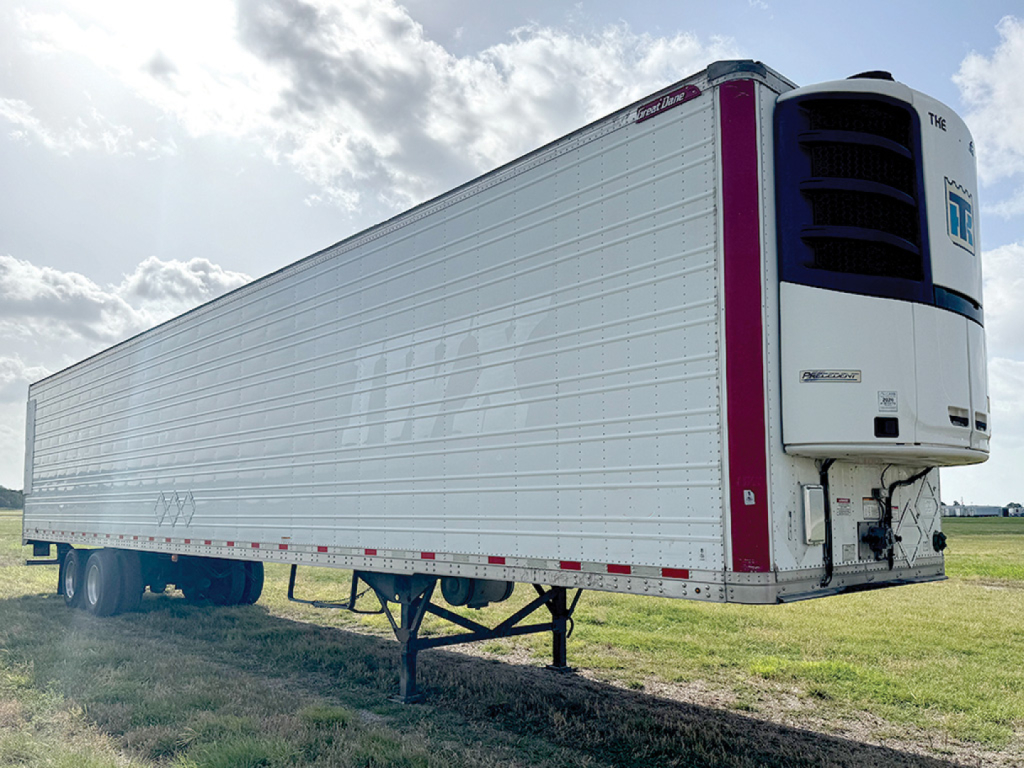

Have used 2018 reefer trailer to sell? List it here to reach thousands of buyers.
Used 2018 Reefer Trailers in Texas
The reefer unit matters as much as the box. On a 2018 trailer, buyers should pay close attention to engine hours, start-stop history, maintenance records, fuel tank condition, and whether the unit has held calibration for setpoint-sensitive freight. Common specs in this class include duct or duct-style floors for airflow, cold chutes, rear vents, stainless steel door frames, scuff liners or scuff plates, and swing doors. Interior height is often around 108 inches on 53-foot models, which helps cube out grocery, produce, dairy, frozen food, and other temperature-controlled loads while maintaining proper air circulation.
For Texas operation, reefer buyers should think beyond box dimensions and focus on lane demands, ambient heat, and dock abuse. A trailer working produce out of the Rio Grande Valley, grocery distribution around Dallas-Fort Worth, or frozen freight through Houston will benefit from strong insulation integrity, tight door seals, and a floor system that has not been crushed by forklifts. Check the condition of the evaporator area, bulkhead, chute, drain lines, and interior walls. Look closely for patchwork repairs, delamination, moisture intrusion, and uneven floor wear, because those issues can affect temperature pull-down, sanitation, and resale value.
A used 2018 reefer trailer can be a practical middle ground between older refrigerated vans and newer high-cost equipment. Buyers comparing listings should verify unit brand and model, CARB and emissions compliance where applicable, suspension type, wheel setup, and kingpin setting for axle spread and bridge-law flexibility. If the trailer will handle mixed-temp or high-turn freight, features like aluminum duct floors, stainless rear frames, and durable interior lining are worth prioritizing. The best value usually comes from a reefer with documented maintenance, clean structural condition, and a refrigeration unit that can still deliver reliable temperature control in hard summer service.
Frequently Asked Questions about Used 2018 Reefer Trailers in Texas
What should I check first on a used 2018 reefer trailer?
Start with the refrigeration unit, structural condition of the insulated box, and the trailer floor. Confirm the reefer unit’s hours, service history, and operating performance at setpoint. Then inspect the walls, roof, front bulkhead, door seals, and rear frame for leaks, impact damage, or insulation problems. Floor damage from forklift traffic is common and can affect airflow, sanitation, and load protection.
Are 2018 reefer trailers still a good value for temperature-controlled freight?
Yes, 2018 reefer trailers often sit in a useful value range because they are modern enough to have current-style construction and widely supported refrigeration units, but old enough to avoid the pricing of newer equipment. Value depends heavily on maintenance records, reefer unit condition, and the integrity of the insulated body. A clean 2018 trailer with a dependable Thermo King or Carrier unit can still be productive in grocery, produce, dairy, frozen, and pharmaceutical support lanes.
What trailer specs are most common on a 2018 reefer?
The most common over-the-road configuration is a 53-foot by 102-inch refrigerated trailer with 13-foot 6-inch overall height, air ride suspension, sliding tandem, and 22.5 low-profile tires. Many units from this era include aluminum duct floors, cold chutes, swing doors, stainless steel door frames, and interior heights around 108 inches. Exact specifications vary by manufacturer and application, so buyers should verify dimensions and reefer unit model on each listing.
What matters most for reefer trailers operating in Texas?
Texas buyers should prioritize cooling performance in high ambient temperatures, insulation integrity, and trailer durability under heavy distribution use. Hot-weather operation puts more demand on the refrigeration unit, especially in produce, grocery, and frozen service. Tight door seals, a sound floor, clean evaporator airflow, and documented preventive maintenance are especially important when a trailer will spend long periods loading, unloading, or idling in summer heat.
How important are features like duct floors, cold chutes, and rear vents on a reefer trailer?
These features directly affect airflow management inside the trailer. A duct floor helps move cold air under the load, a cold chute helps carry discharge air along the ceiling, and rear venting can improve circulation depending on the freight pattern. On high-value or temperature-sensitive loads, good airflow is critical because the reefer unit cools the air, not the product itself. Poor airflow can create hot spots, uneven temperature readings, and claims exposure.