
Used 2017 Reefer Trailers For Sale in Texas
Browse used 2017 reefer trailers for sale in Texas, including 53-foot refrigerated trailers with Thermo King or Carrier units.
Learn more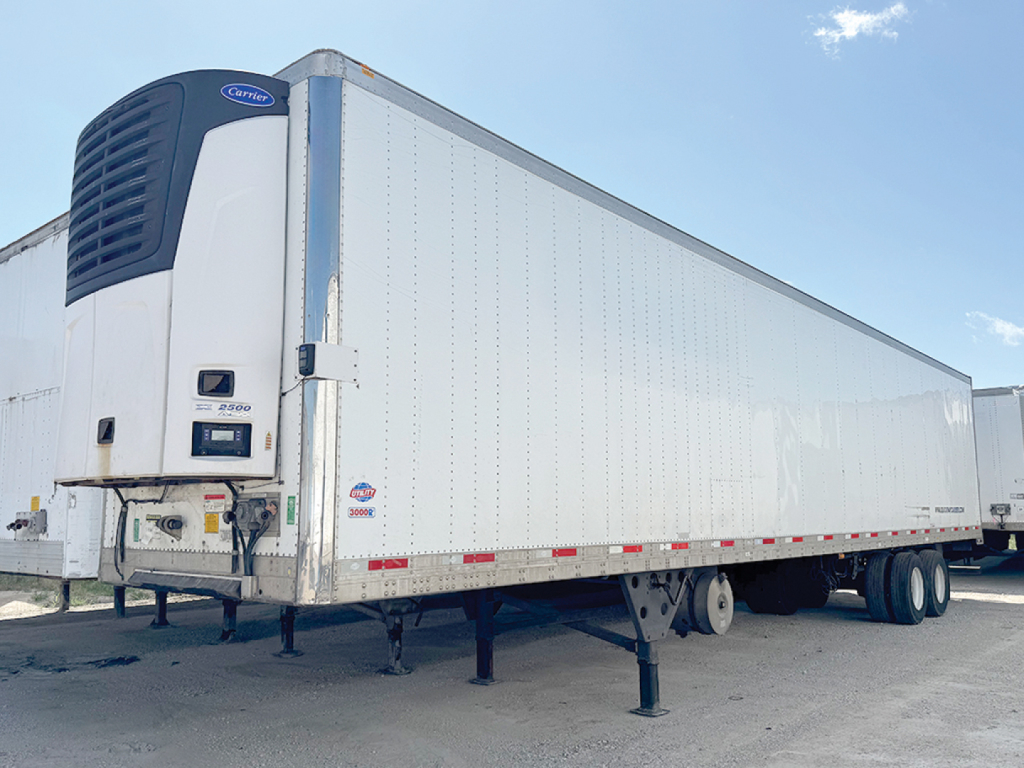

Have used 2017 reefer trailer to sell? List it here to reach thousands of buyers.
About Used 2017 Reefer Trailers in Texas
For this category, the baseline spec is typically 53 feet long, 102 inches wide, and 13 feet 6 inches high, often with about 108 inches of inside height. Common reefer unit choices include Thermo King Precedent and Carrier X4 series systems. Buyers in Texas should think hard about pull-down performance and continuous run reliability, especially for long summer hauls and dense urban delivery cycles. A good 2017 reefer should hold setpoint consistently, cycle cleanly, and show no signs of moisture intrusion, hot spots, or excessive air loss around the rear frame and doors. Features like a cold chute, rear vent, stainless steel door frame, and scuff liners can make a real difference in temperature management and trailer longevity.
Floor and suspension specs should match the freight. Heavy duty aluminum duct floors support airflow under palletized refrigerated loads, while flat floors may suit certain beverage or mixed-freight applications. Air ride suspension and sliding tandems remain standard for ride quality, dock flexibility, and bridge compliance. Tire inflation systems, low-profile 22.5 tires, and disc or aluminum wheels can reduce operating headaches, but the bigger buying decision is structural condition. Inspect the front wall, roof, interior liner, crossmembers, and threshold area for previous repairs, delamination, corrosion, or forklift damage. On a used reefer, small insulation or lining issues can turn into costly temperature claims.
Texas buyers also need to consider lane profile and compliance. A reefer running produce out of South Texas, foodservice into Dallas-Fort Worth, or frozen freight across state lines may need different specs for fuel capacity, door style, and unit configuration. Swing doors are still preferred for many full-truckload applications, while roll-up doors may fit frequent dock work at the cost of some cube and sealing simplicity. For a 2017 reefer trailer, the best value usually comes from balancing reefer unit health, clean interior condition, and sound trailer structure against the demands of your freight mix. If the box is tight, the unit is documented, and the floor and suspension are still strong, a used 2017 reefer can remain a productive refrigerated asset for years.
Frequently Asked Questions
What should I inspect first on a used 2017 reefer trailer?
Start with the refrigeration unit hours, maintenance records, and the trailer’s ability to hold temperature. Then inspect the interior liner, floor, door seals, front wall, and roof for damage or moisture intrusion. On a used reefer, insulation integrity and box condition are just as important as the reefer engine itself because air leaks, delamination, and floor damage can create temperature-control problems that are expensive to fix.
Are 2017 reefer trailers still a good fit for regional and over-the-road freight?
Yes, many 2017 reefer trailers are still a solid fit for regional distribution and over-the-road refrigerated service if they have been maintained properly. This model year is often old enough to offer better purchase value, but still modern enough to include current fleet-friendly specs such as air ride suspension, sliding tandems, duct floors, and late-generation Thermo King or Carrier units. The deciding factor is not the year alone, but unit condition, repair history, and structural soundness.
What reefer trailer specs matter most in Texas?
In Texas, high ambient temperatures make refrigeration performance, insulation quality, and door sealing especially important. Buyers should focus on dependable pull-down, stable setpoint control, clean airflow through the duct floor or chute system, and a box free of leaks or liner damage. Suspension condition, tire specification, and tandem slide function also matter because many Texas operations mix highway miles, distribution centers, and city deliveries.
Is a duct floor better than a flat floor on a reefer trailer?
A duct floor is generally better for most refrigerated pallet freight because it promotes consistent airflow under the load and helps the reefer unit maintain even temperatures from front to rear. A flat floor can work for specific applications, but it is less forgiving if the load blocks air movement. Buyers hauling produce, dairy, meat, or frozen goods usually prefer a heavy duty aluminum duct floor because it supports both airflow and daily forklift traffic.
Which is better on a reefer trailer, swing doors or a roll-up door?
Swing doors are usually preferred for full-truckload refrigerated service because they provide a simpler seal, full rear opening, and fewer moving parts. Roll-up doors can be useful for frequent stop-and-go delivery work where quick dock access matters, but they can reduce interior clearance and add maintenance concerns. The right choice depends on how the trailer will be loaded, how often the doors will cycle, and how important maximum cube and seal integrity are to the operation.