
Used Hyundai Reefer Trailers For Sale in Texas
Browse used Hyundai reefer trailers in Texas. Compare 48-ft and 53-ft specs, reefer units, floors, suspension, and cargo-control features.
Learn more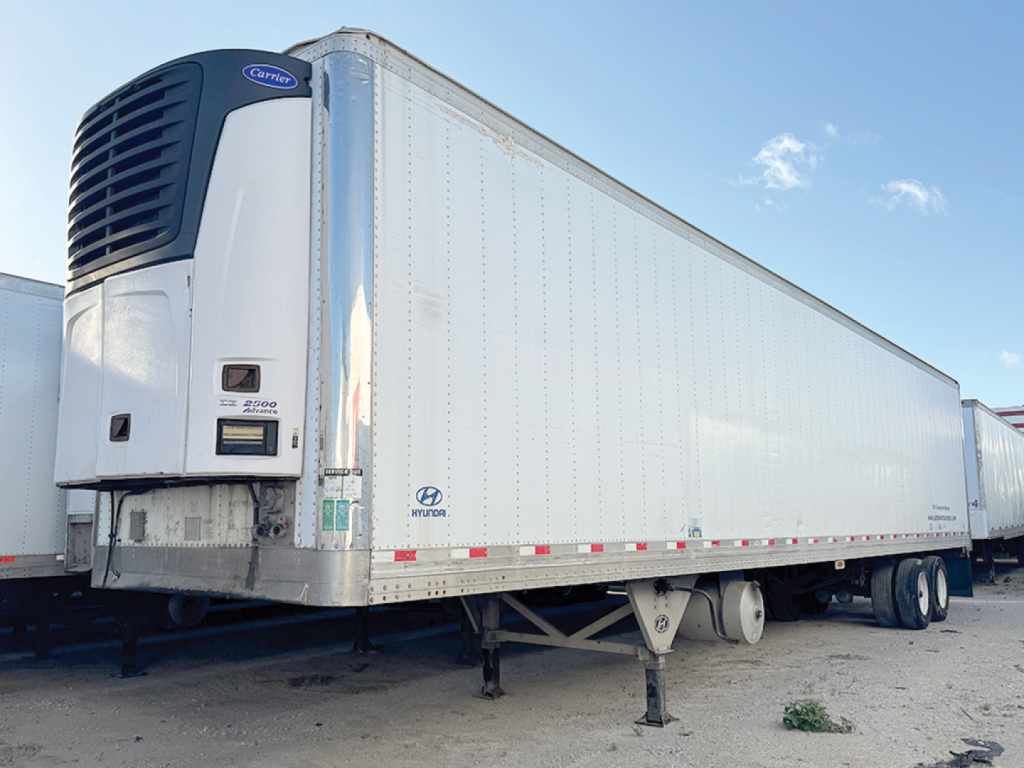

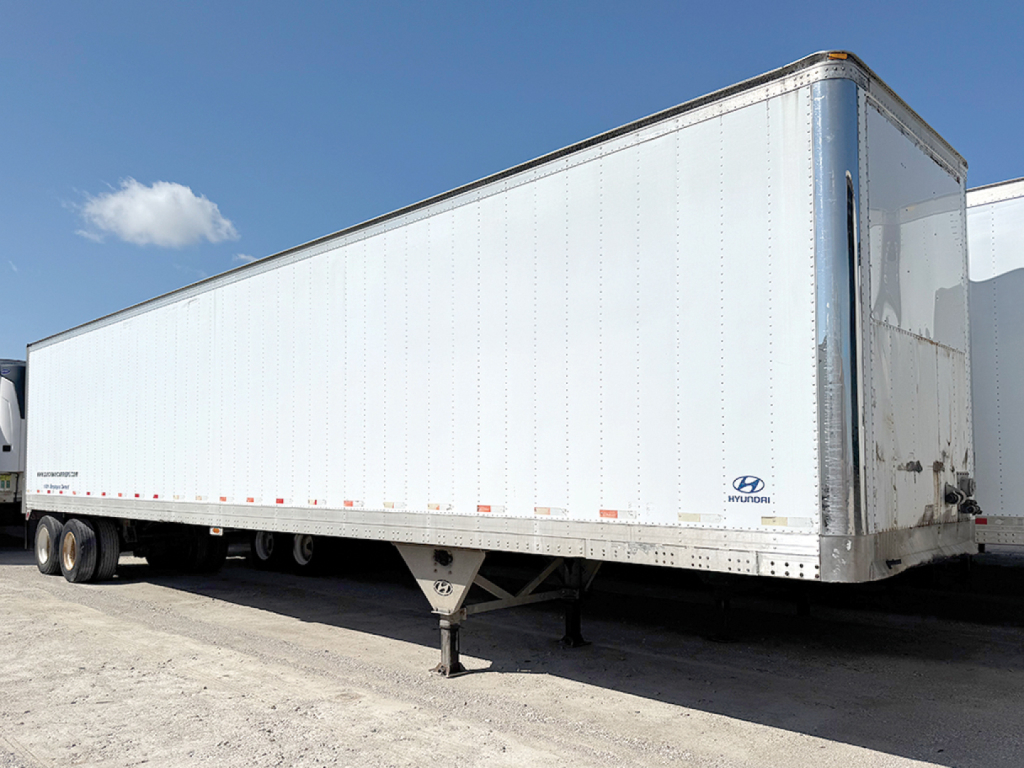
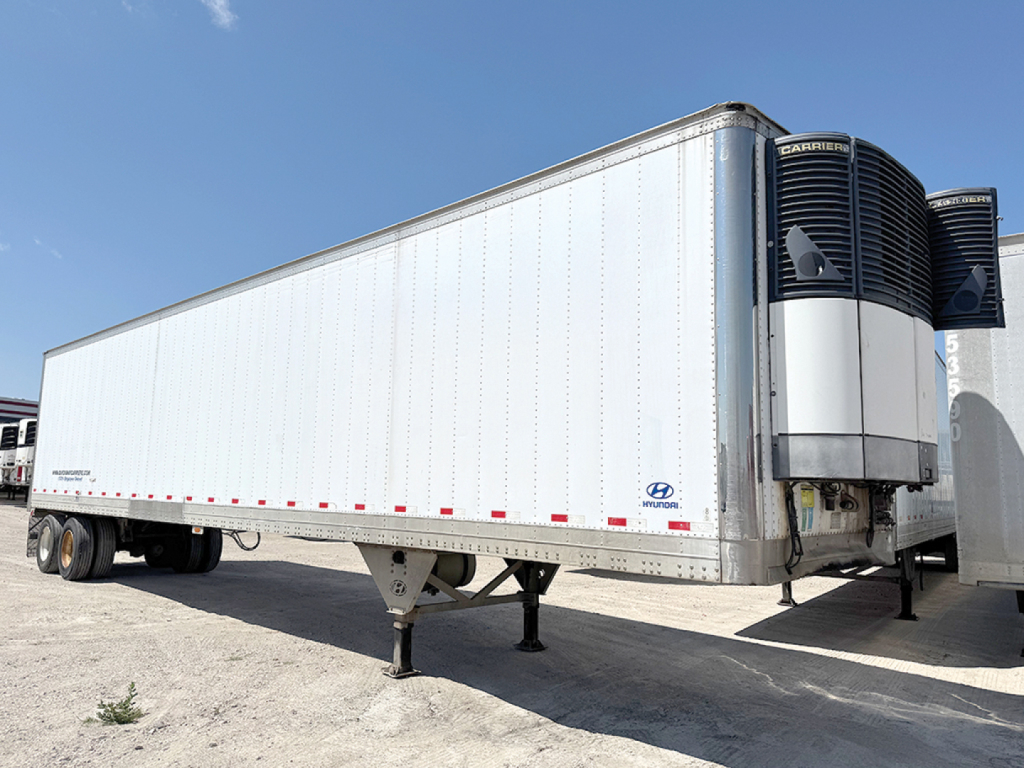
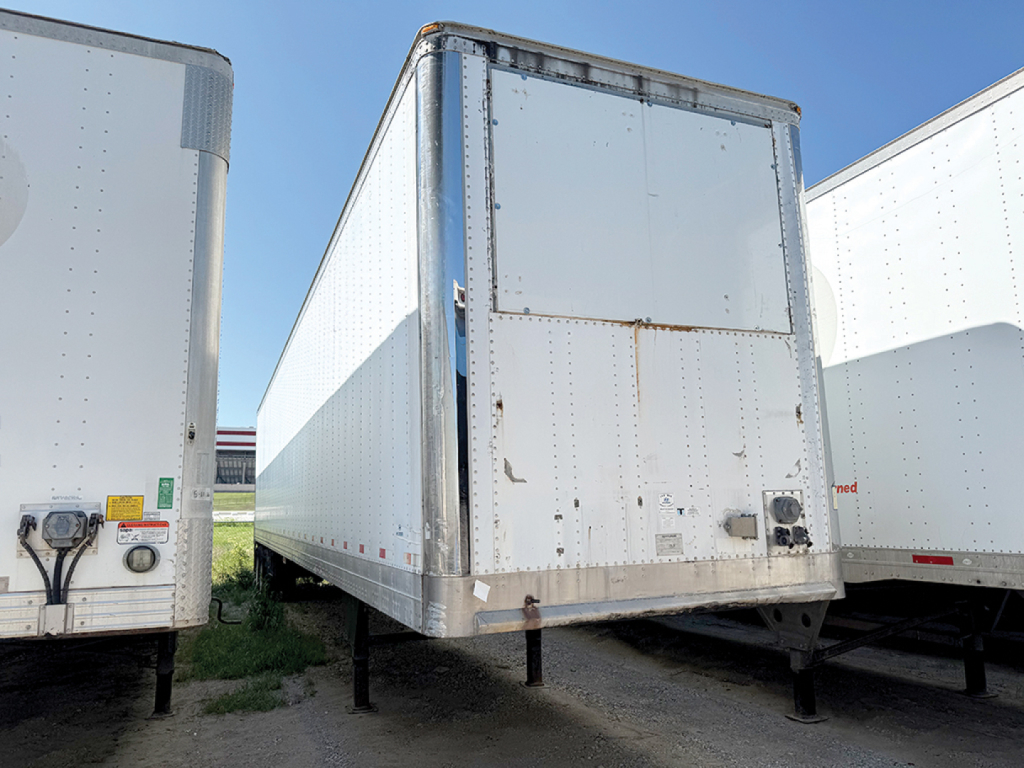
Have used hyundai reefer trailer to sell? List it here to reach thousands of buyers.
About Used Hyundai Reefer Trailers in Texas
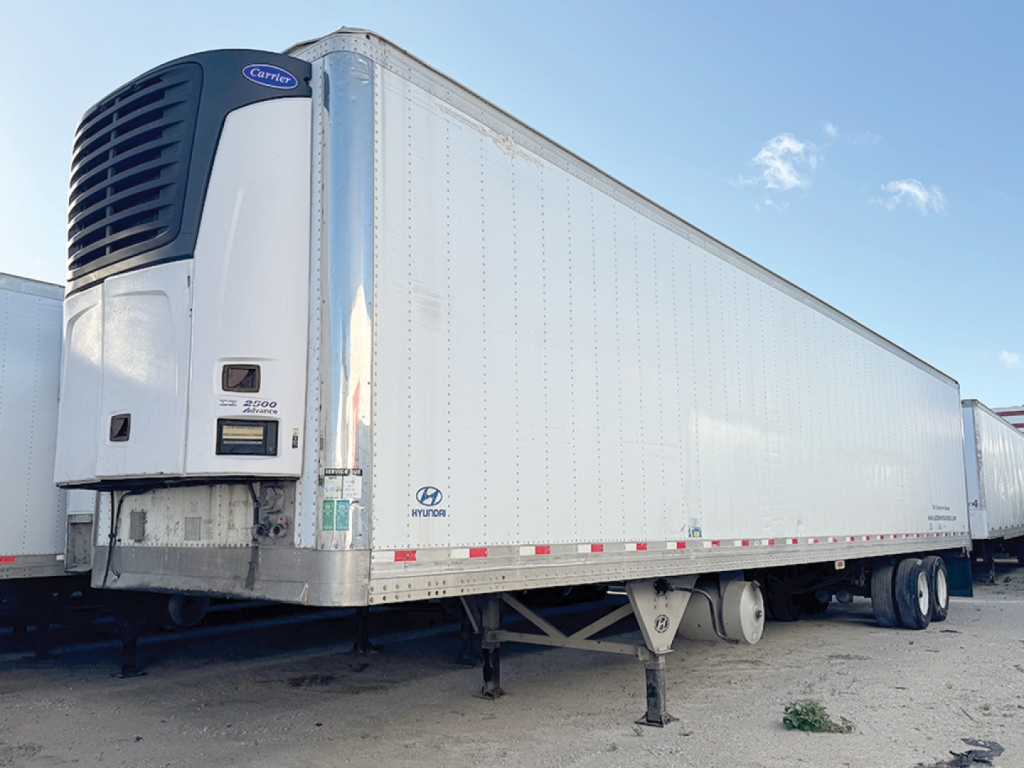
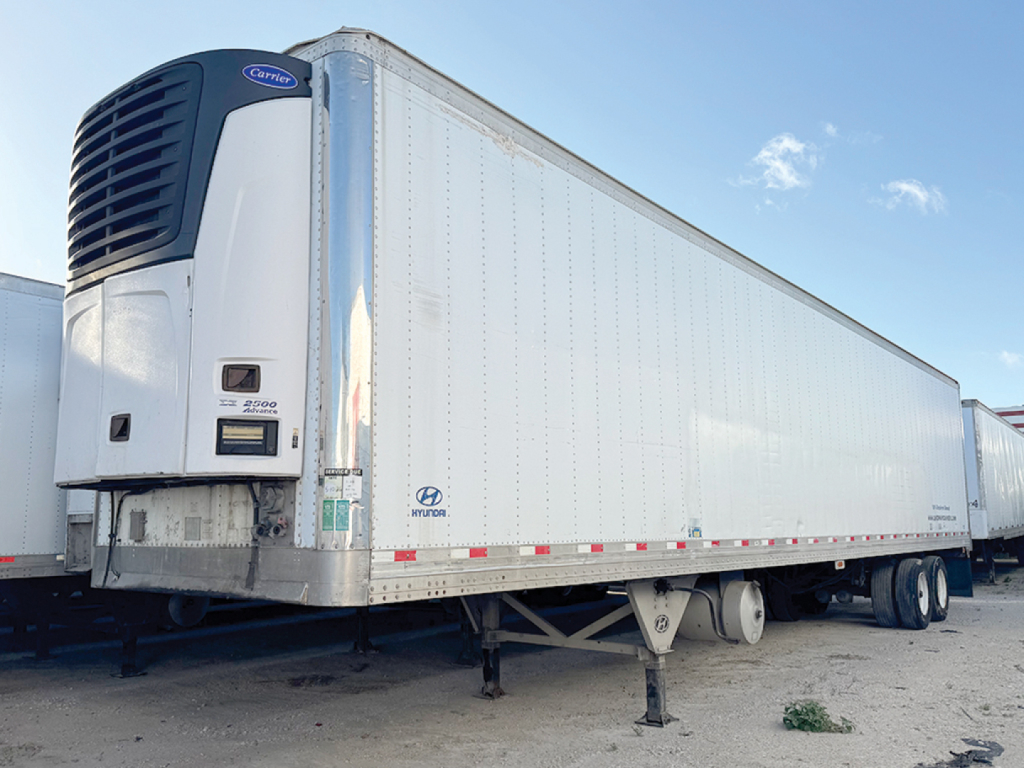
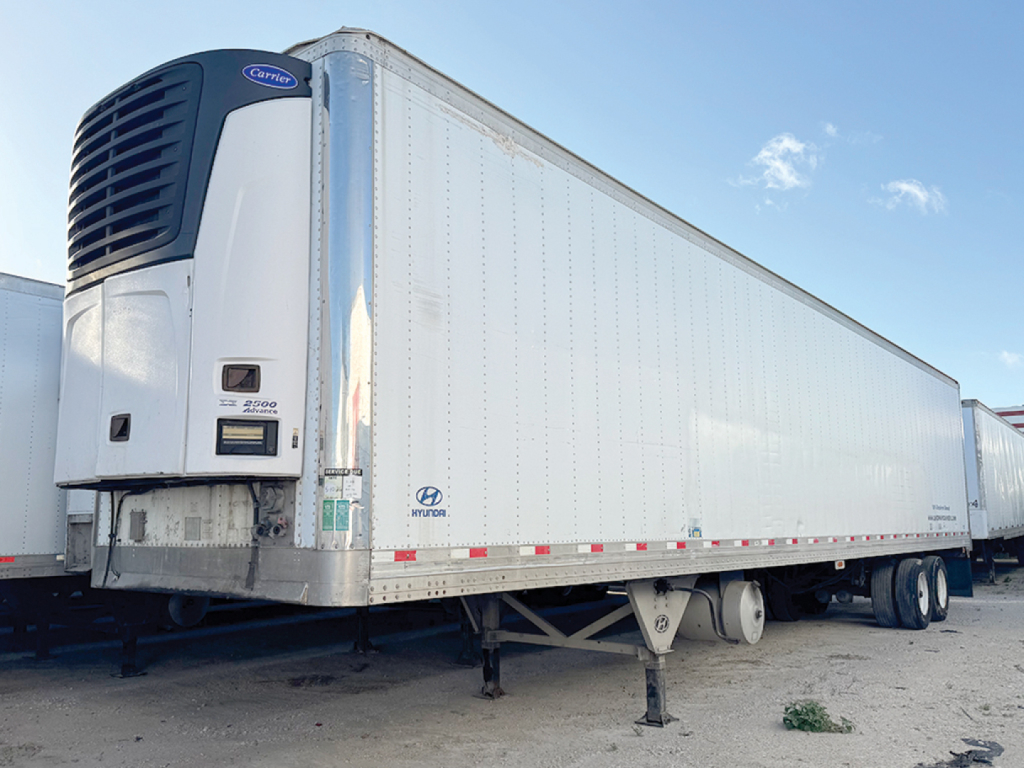
On used Hyundai reefers, the refrigeration unit matters as much as the trailer body. Many trailers in this class are equipped with Carrier units such as the 2500A, Ultra XTC, or X4 7300, while some are sold less unit for buyers planning a repower or yard-storage use. Unit hours, engine hours, service records, evap condition, fuel tank integrity, and controller operation are all critical checkpoints. Inside the box, pay attention to floor type and air management. Aluminum flat floors are common, but heavy-duty aluminum duct floors are often preferred when maintaining consistent airflow under palletized freight. Cold chutes, scuff plates, and interior E-track add value for food, floral, pharma-adjacent, and mixed LTL refrigerated applications.
Body construction details on Hyundai reefer trailers are worth a close look because they affect both durability and repair cost. Stainless steel front radius panels, stainless rear structures, and stainless door frames help resist wear in high-moisture service and repeated dock contact. Roll-up doors can be useful for multi-stop delivery work, but buyers should inspect door seal condition, track wear, and header alignment since air leaks quickly reduce reefer efficiency. Check the walls and roof for prior repairs, water intrusion, delamination, floor softness, and damage around the front bulkhead. In Texas heat, insulation performance and door seal integrity have a direct impact on pull-down time and fuel consumption.
Running gear and suspension should match the lane and commodity. Sliding tandems are standard on many Hyundai reefers and matter for bridge compliance and dock positioning. Older trailers often carry spring suspension, while newer specifications may include air ride for better cargo protection. Tire inflation systems, low-profile 22.5 tires, and disc wheels are also seen on this category and can reduce roadside interruptions when maintained properly. For buyers comparing used Hyundai reefer trailers, the best value usually comes from balancing reefer condition, floor and lining spec, suspension type, and overall structural integrity instead of focusing on model year alone.
Frequently Asked Questions
What should I inspect first on a used Hyundai reefer trailer?
Start with the refrigeration unit, floor, and body integrity. Confirm the reefer starts cleanly, holds temperature, and shows believable engine and hour-meter readings supported by service history if available. Then inspect the floor for wear, soft spots, and crushed duct channels, because airflow problems can ruin temperature performance even when the unit runs well. Finish with a close look at the front wall, roof, door frame, and seals for leaks, repairs, and signs of insulation damage.
Are 48-ft or 53-ft Hyundai reefer trailers better for Texas operations?
A 53-ft reefer trailer is usually the better fit for mainstream over-the-road and distribution freight in Texas because it maximizes pallet count and revenue space. A 48-ft reefer can still be a smart buy for regional routes, older dock layouts, or dedicated contracts with lower cube requirements. The right choice depends on your customer base, state bridge considerations, and whether maneuverability or maximum capacity matters more on your lanes.
Is a used reefer trailer without a refrigeration unit worth buying?
It can be, if the trailer body is sound and your intended use justifies it. A reefer sold less unit may work for cold storage, yard storage, dry-freight conversion in limited cases, or a full repower when the purchase price leaves enough room in the budget. The key is to compare the cost of installing or replacing a unit against the value of buying a complete, operating trailer with verified temperature performance.
What floor type is best in a used Hyundai reefer trailer?
For most refrigerated freight, a duct floor is the stronger choice because it supports better air circulation beneath the load and helps maintain even box temperature. Flat aluminum floors can still perform well, especially with the right loading practices, but they are less forgiving when pallets block airflow. Buyers hauling produce, frozen food, or dense palletized freight usually place a premium on a heavy-duty aluminum duct floor in good condition.
Do suspension and tandem setup matter on a reefer trailer?
Yes. Sliding tandems are important for axle compliance, load distribution, and practical dock use across different states and facilities. Suspension also affects cargo protection and trailer wear. Spring suspension is common on older used reefers and can be perfectly serviceable, while air ride is often preferred for more delicate loads and smoother ride quality. The best setup depends on commodity, route length, and how often the trailer sees rough yards or uneven loading conditions.