
Used Hyundai Reefer Trailers For Sale
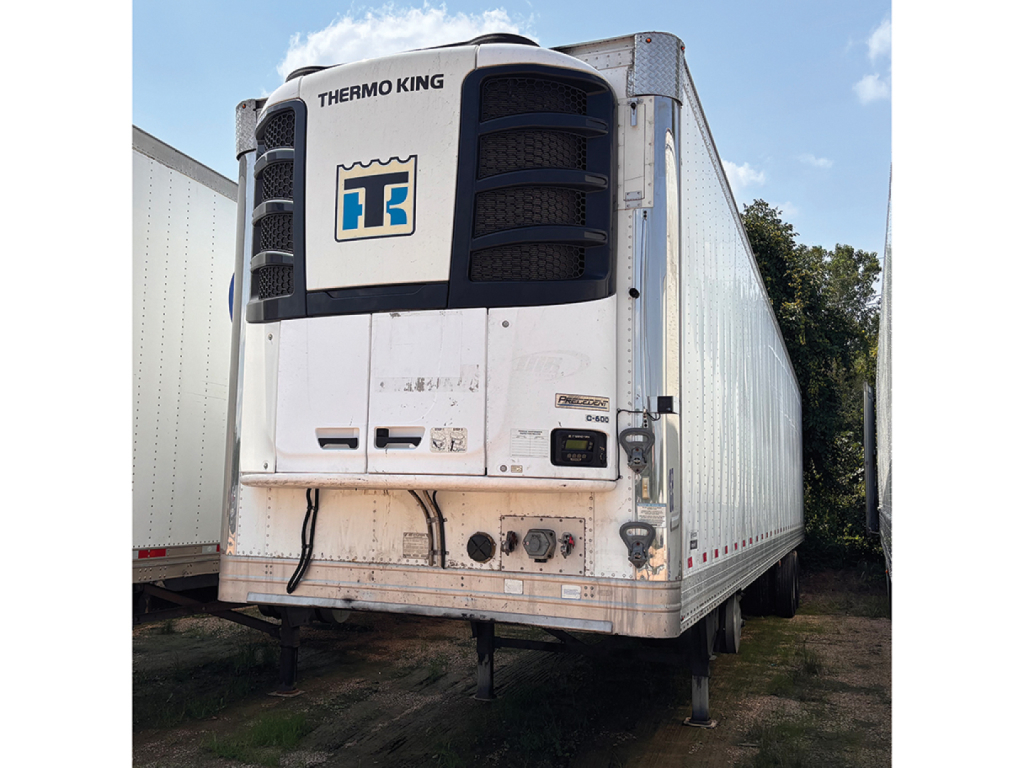
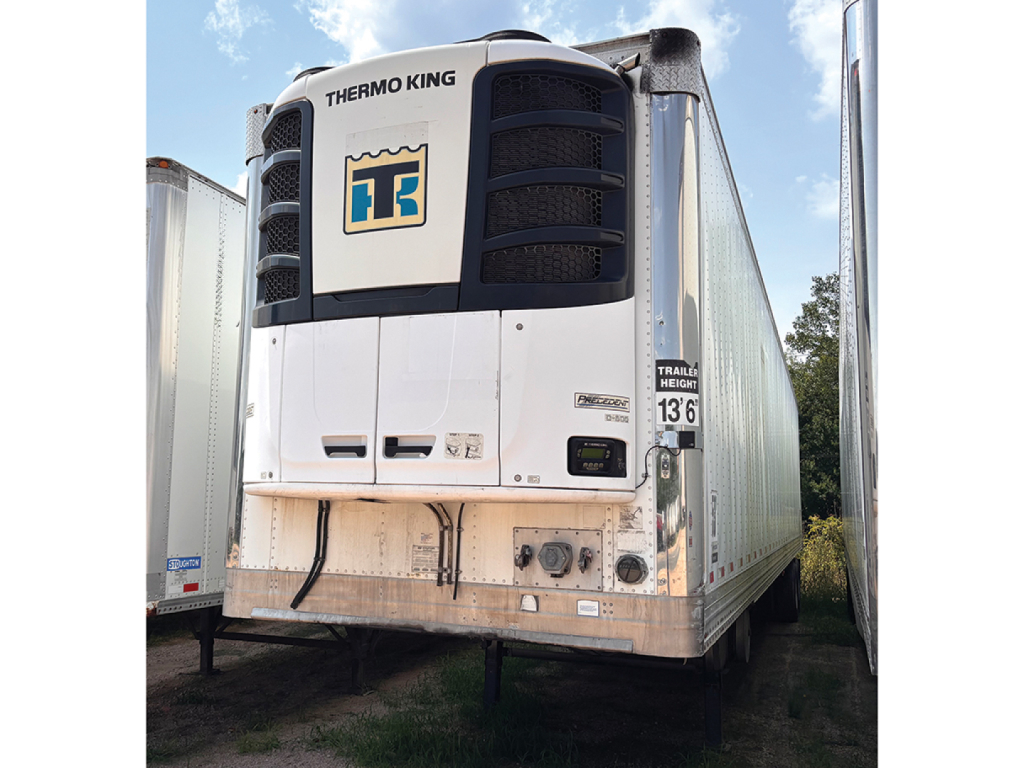

Have used hyundai reefer trailer to sell? List it here to reach thousands of buyers.
Used Hyundai Reefer Trailers
A buyer should start with the refrigeration package and the trailer’s intended service. Used Hyundai reefer trailers often appear with Carrier units such as the 2500A, Ultra XTC, or X4 7300, and some older trailers are sold less unit for stationary cold storage, storage yard use, or repower projects. For over-the-road food service, pay close attention to engine hours, run hours, maintenance records, evaporator condition, and whether the unit is set up for multi-temp or single-temp operation. Interior configuration also matters. Aluminum flat floors are common, while heavy-duty duct floors can improve airflow under palletized freight. Features like a cold chute, scuff plates, and E-track can make a real difference depending on whether the trailer is handling boxed freight, mixed loads, or frequent dock work.
Trailer running gear and dock compatibility deserve the same scrutiny. Many used Hyundai reefer trailers are equipped with sliding tandems, and suspension may be spring ride or air ride depending on the build and target application. Air ride is often preferred for more delicate refrigerated freight, while spring suspension can still make sense in regional service where simplicity and lower repair cost are priorities. Roll-up rear doors show up regularly on Hyundai reefers and can be useful for high-frequency deliveries, though buyers should inspect door seals, track wear, and frame integrity closely because air leaks and damaged rear structures can hurt temperature retention. Stainless steel front radius panels, rear sections, and door frames are common on older units and help with durability in corrosive washdown and food-grade environments.
On a used Hyundai reefer trailer, condition is everything. Check the front wall, roof, floor seams, drains, and interior liner for signs of water intrusion, delamination, patched insulation, or forklift damage. Verify tire size, wheel type, brake condition, and the presence of systems such as automatic tire inflation if uptime is a priority. Kingpin wear, tandem slide operation, and crossmember condition are important on any reefer, especially on older trailers that have seen heavy grocery or distribution use. A clean used Hyundai reefer with a sound box, solid floor, and documented refrigeration service can still be a productive trailer, but a low-priced unit with insulation damage or an overdue reefer unit can become expensive very quickly.
Frequently Asked Questions about Used Hyundai Reefer Trailers
What should I inspect first on a used Hyundai reefer trailer?
Start with the trailer box and the refrigeration unit together, because both determine whether the trailer can hold temperature and stay compliant in service. Inspect the front wall, roof, floor, door frame, and interior liner for punctures, soft spots, delamination, moisture intrusion, and repair work. Then review reefer unit hours, service records, fuel system condition, and operating performance under load. A good-looking trailer with a weak unit, or a strong unit on a compromised box, can still become a costly problem.
Are used Hyundai reefer trailers commonly 48 foot or 53 foot?
Both lengths are common in the used market. A 48-foot Hyundai reefer can fit certain regional, urban, or dedicated applications where maneuverability matters, while a 53-foot reefer is more common for long-haul grocery, distribution, and high-cube refrigerated freight. Width is often 96 inches on older trailers and 102 inches on later over-the-road configurations, so buyers should match trailer dimensions to customer docks, lane requirements, and payload goals.
Is air ride better than spring suspension on a used reefer trailer?
Air ride is usually preferred when cargo protection and ride quality are priorities, especially for delicate food products, pharmaceuticals, or higher-value temperature-controlled freight. Spring suspension can still be a workable choice for budget-focused operations, regional runs, or buyers who want a simpler setup with potentially lower maintenance cost. The better choice depends on commodity type, route quality, and how important ride isolation is to the shipper.
What does “less unit” mean on a used reefer trailer listing?
“Less unit” means the trailer is being sold without a refrigeration unit installed. That can make sense for buyers planning to repower the trailer with a different unit, use it for cold storage applications, or convert it for non-refrigerated storage use. Before buying a less-unit reefer, confirm the condition of the insulated box, front wall opening, electrical components, and any fuel tank or mounting provisions that would affect a future installation.
Which features add value on a used Hyundai reefer trailer?
Value usually comes from features that improve temperature control, cargo securement, and operating efficiency. Buyers often look for a documented Carrier or Thermo King service history, aluminum or duct floors in good condition, E-track, scuff liners or scuff plates, stainless steel rear framing, sliding tandems, roll-up doors with tight seals, and tire inflation systems. Those features do not replace overall condition, but they can improve resale appeal and reduce day-to-day operating issues.