
Pup Trailers For Sale in Pennsylvania
Browse pup trailers for sale, including short van pups built for city delivery, LTL service, doubles, and tight-route freight work.
No exact matches found for your search
Showing Trailers instead.
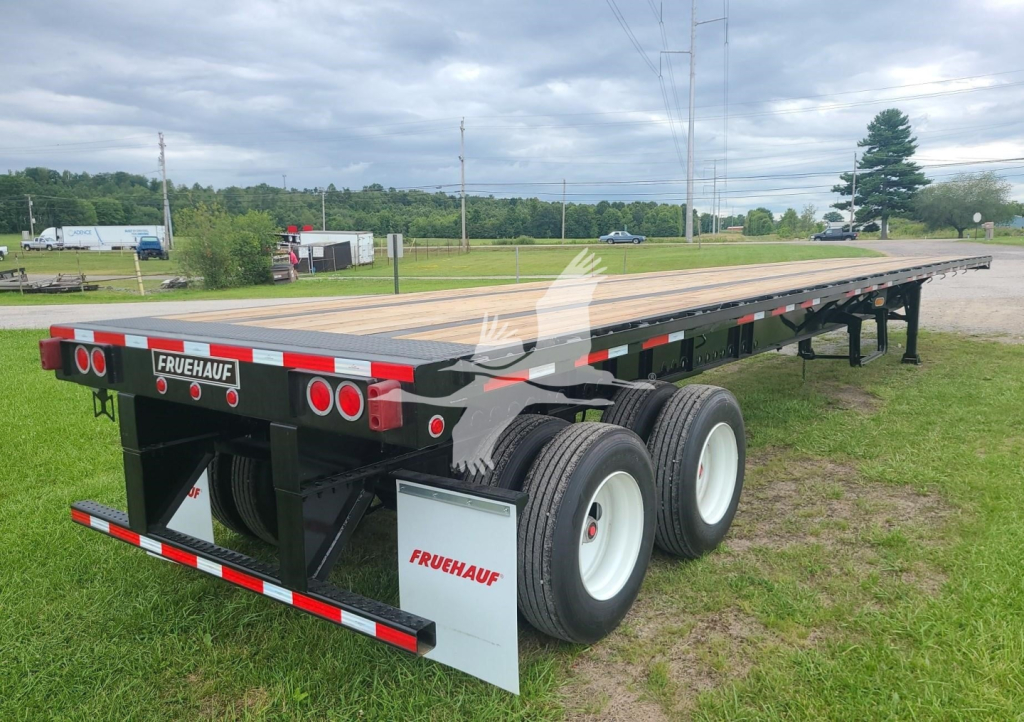
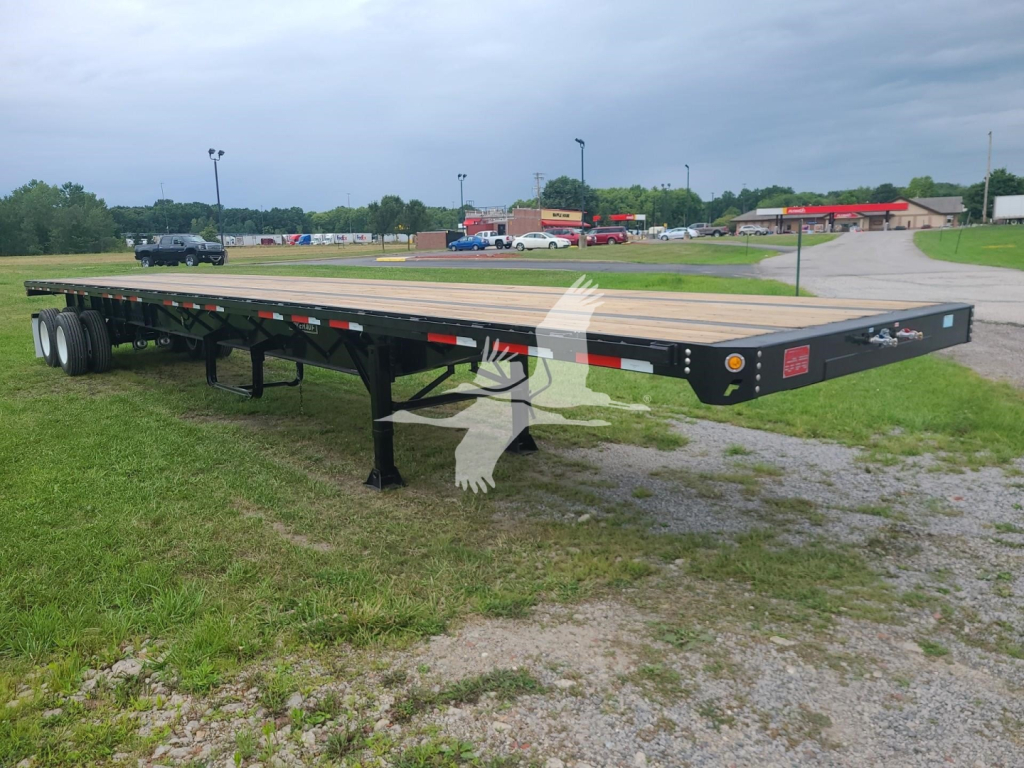
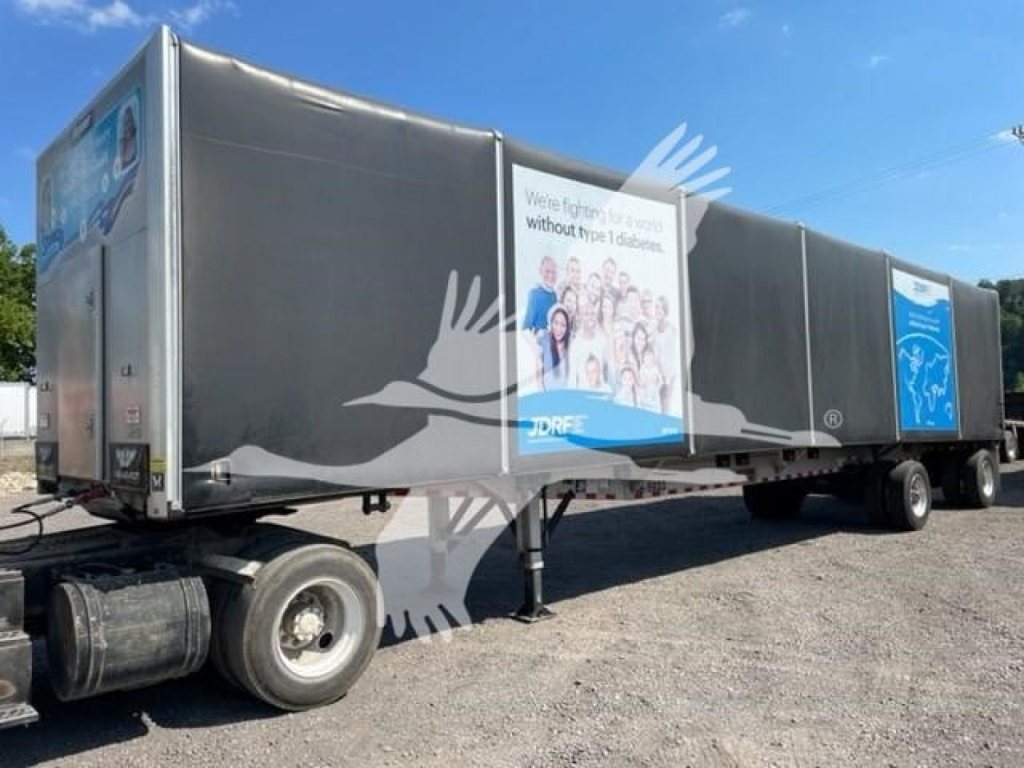
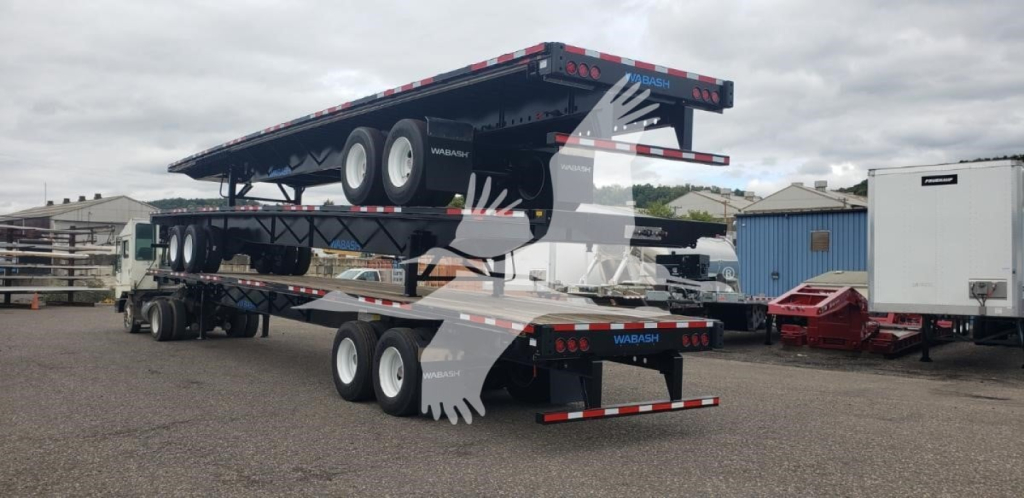
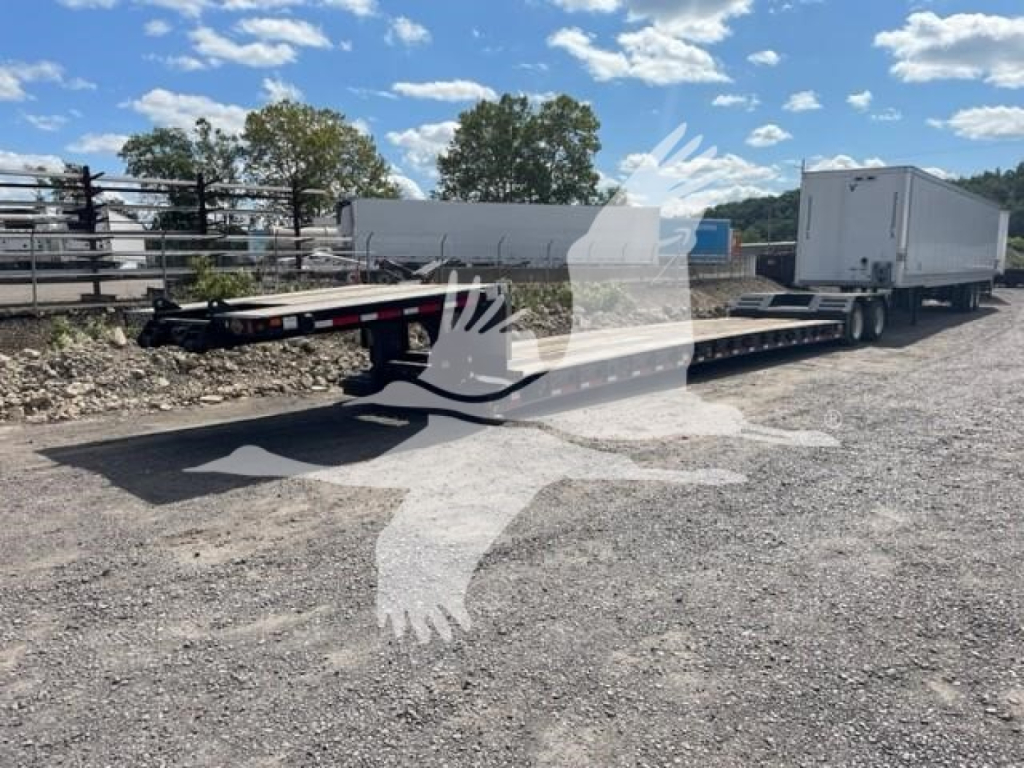
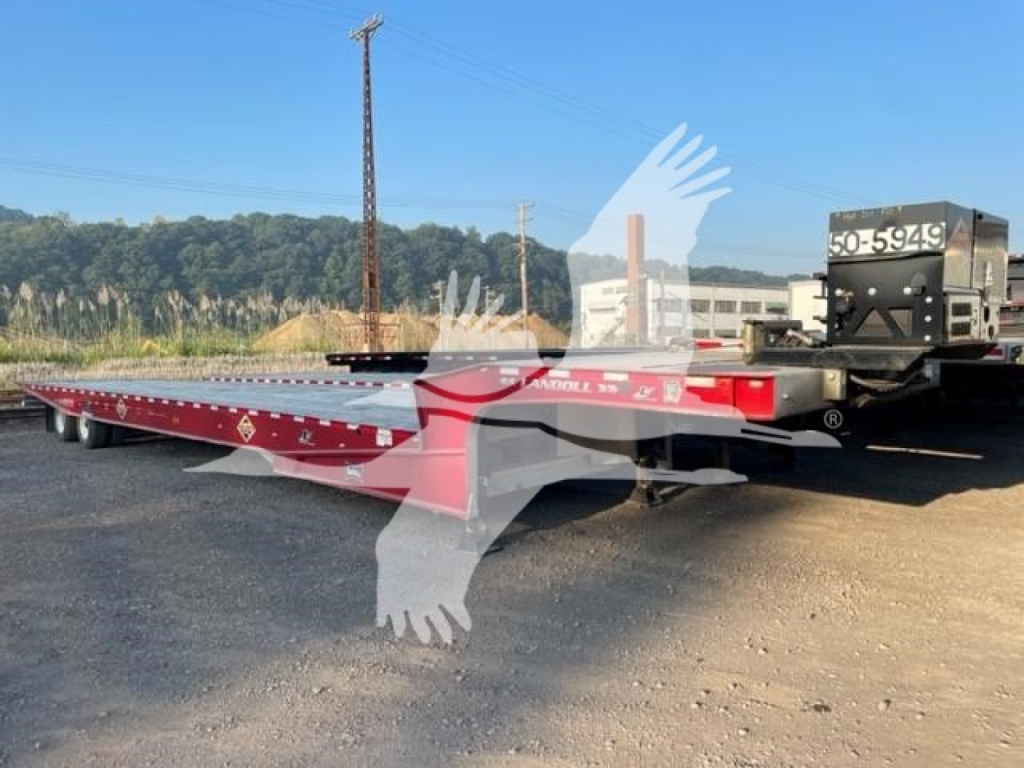
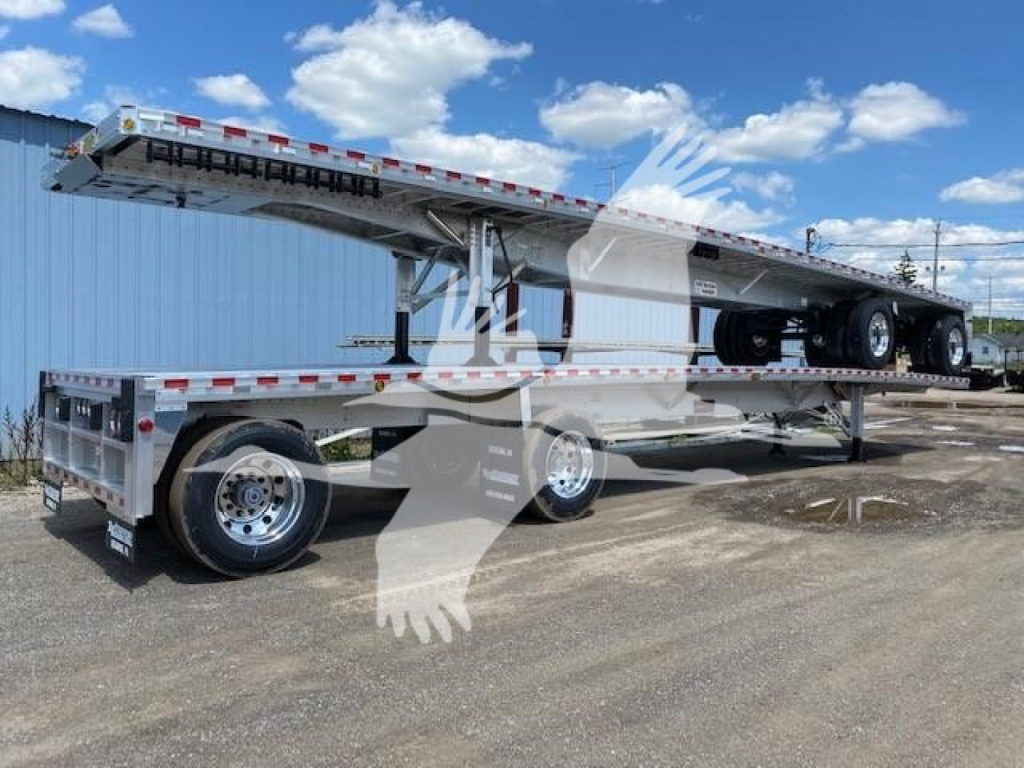
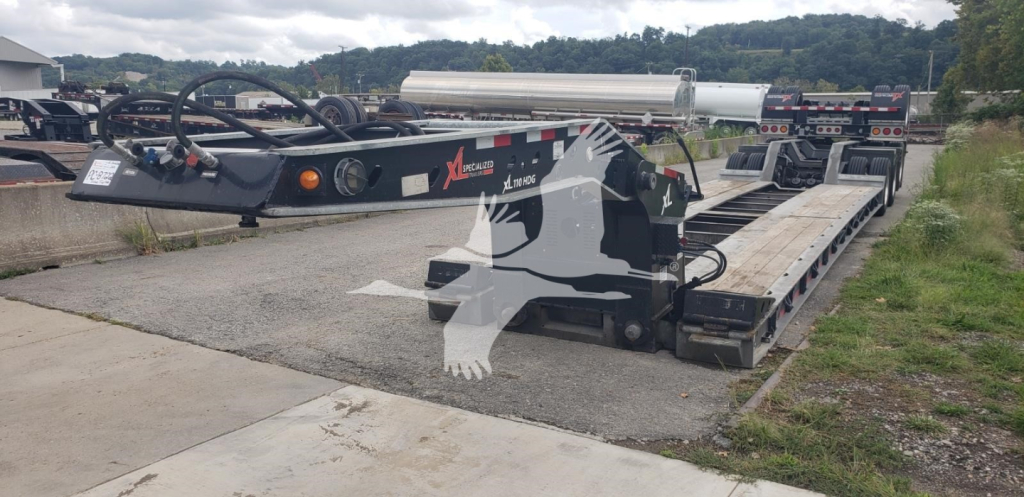
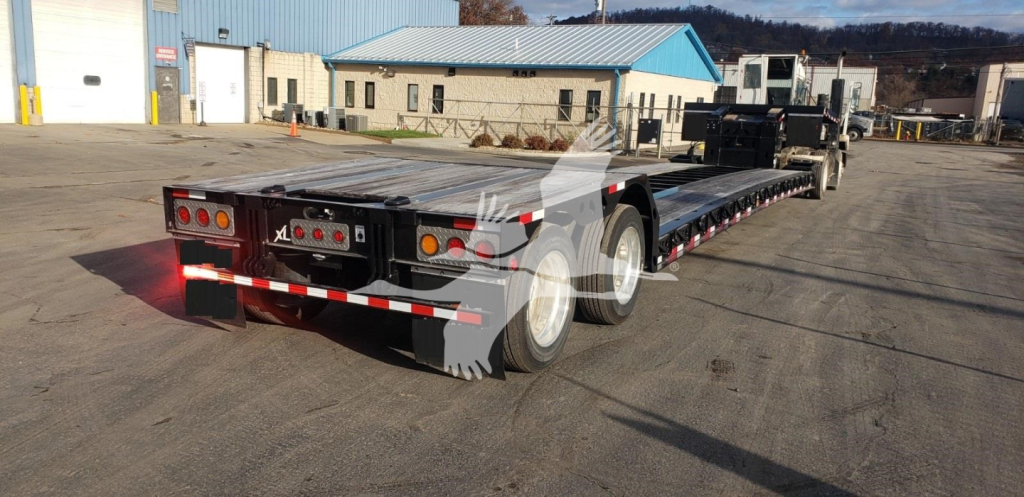
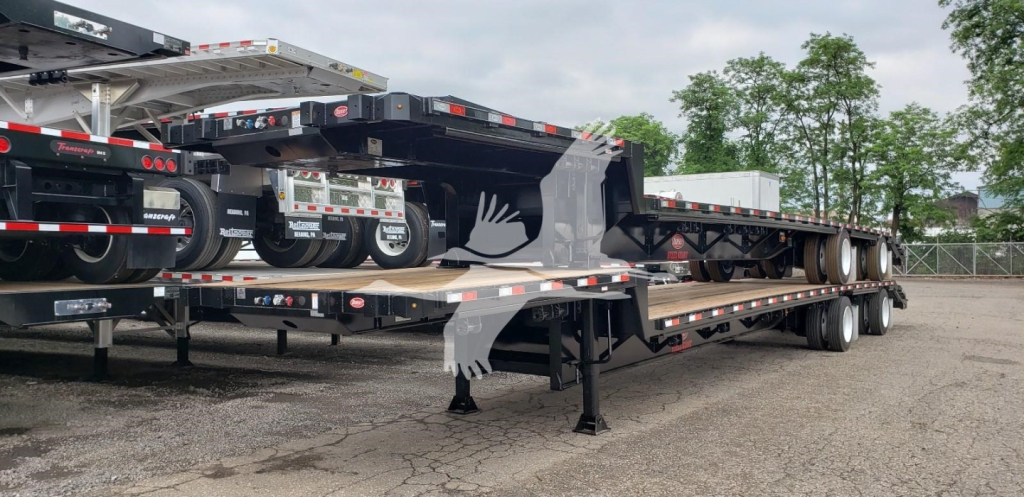
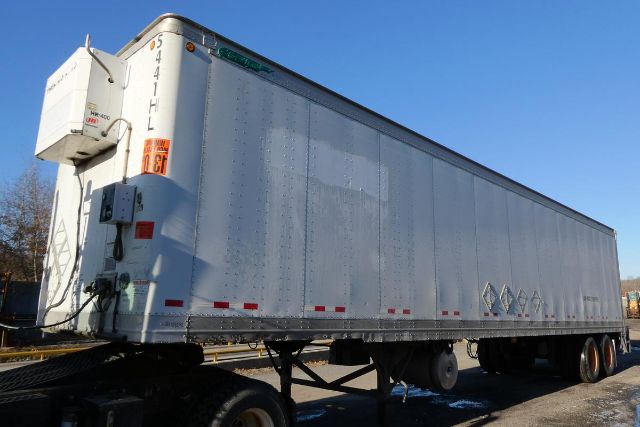
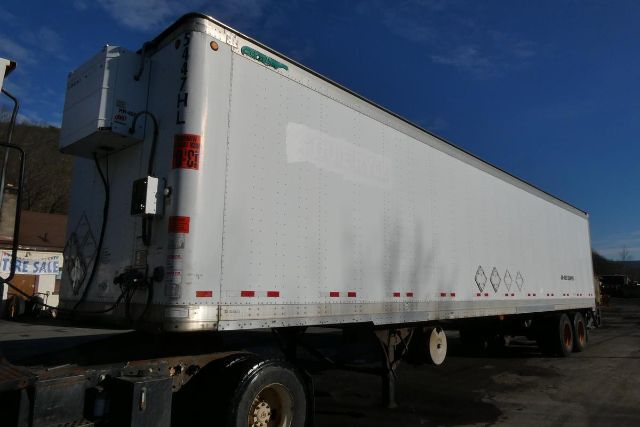
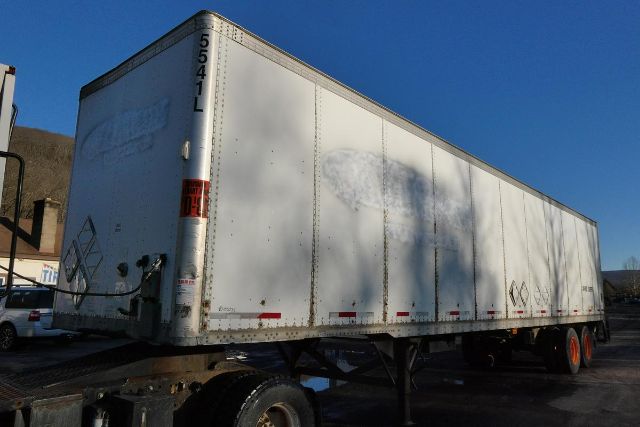
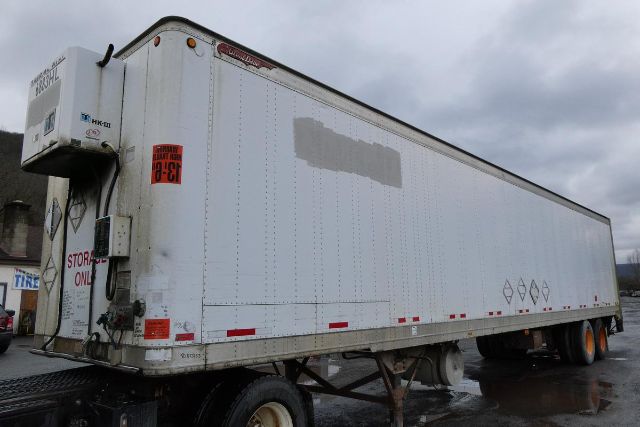
Showing 1,177 to 1,204 of 1,798 results
Selling a pup trailer? List your pup trailer for sale and reach thousands of commercial buyers.
Pup Trailers in Pennsylvania
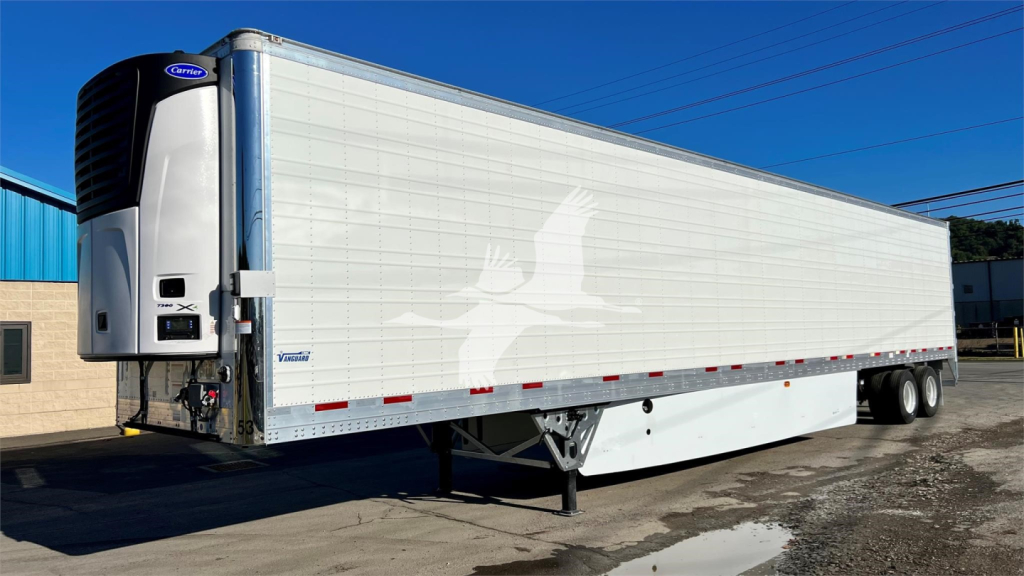
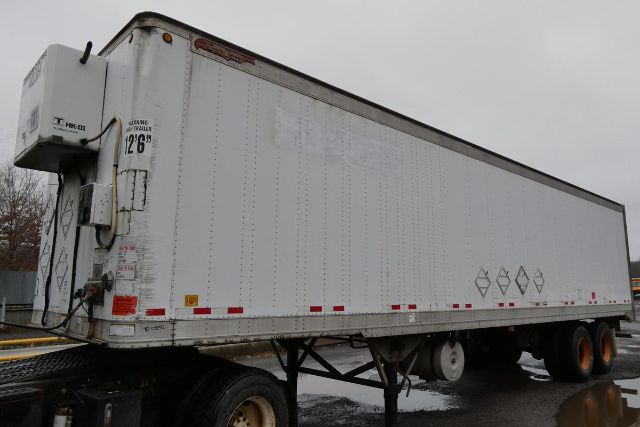
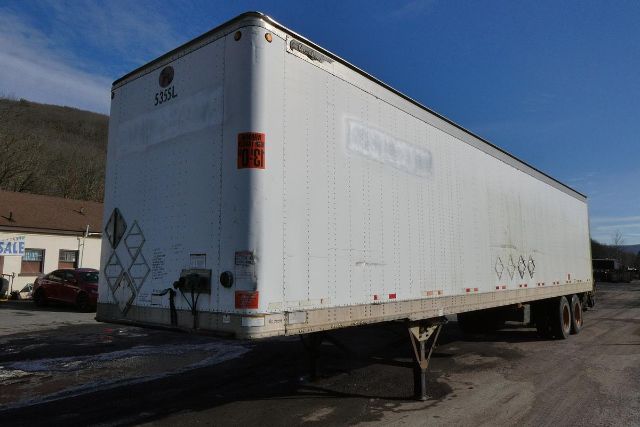
For enclosed freight, pup vans usually feature aluminum sheet-and-post construction, wood floors, roll-up rear doors, and spring ride or air ride suspension depending on the application. Common specs include a 102-inch outside width, 13-foot-6-inch overall height, single axle or tandem axle configurations, and 11R22.5 rubber. Some are outfitted with scuff liners, plywood side lining, dome lights, and tuckaway liftgates for multi-stop delivery work. If the trailer will spend most of its life on local routes with frequent dock contact, look closely at rear frame condition, floor wear, door opening dimensions, roof integrity, and crossmember spacing. On a used pup, those details usually tell you more than paint or panel appearance.
The right configuration depends on how the trailer will be dispatched. A single axle pup keeps tare weight down and works well for lighter LTL or city freight, while a tandem axle setup offers more payload stability and flexibility under heavier loads. Suspension type matters too. Spring ride is simple and durable for many fleets, while air ride is preferred when freight protection is a priority. Liftgate-equipped pups are valuable for customers without docks, but the added weight affects payload and should be considered alongside floor rating and axle capacity. Tire condition, brake life, wheel type, landing gear operation, and fifth wheel plate wear are all worth checking because these trailers often see frequent hook-and-drop cycles.
Buyers comparing pup trailers for sale should focus on application first, then match body spec to route demands. A dock-to-dock linehaul pup has different needs than a final-mile delivery trailer working city streets every day. In Pennsylvania, road conditions, tight loading areas, and mixed urban-rural lanes make structural durability just as important as dimensions. Also known as a pup van or short van trailer, this category is popular with LTL carriers, private fleets, and regional operations that need compact freight capacity with easier handling than a full-size dry van.
Frequently Asked Questions about Pup Trailers in Pennsylvania
What is a pup trailer used for?
A pup trailer is a short trailer used for LTL freight, city delivery, terminal transfers, and doubles operations. Its shorter length makes it easier to maneuver in tight docks, urban streets, and congested yards than a full-length van or dry van trailer. Pup trailers are commonly used for palletized freight, retail shipments, and regional hub work where fast turns and easy backing matter.
How long is a typical pup trailer?
Most pup trailers fall in the 26-foot to 32-foot range, although exact length depends on the application and fleet specification. Length affects cube, bridge compliance, turning radius, and how the trailer fits into doubles combinations. Buyers should verify overall trailer length, inside dimensions, door opening height, and kingpin setting because those details directly affect freight fit and compatibility with the intended tractor and route.
Should I choose a single axle or tandem axle pup trailer?
A single axle pup trailer is lighter and often better for local or lighter freight where low tare weight and agility are priorities. A tandem axle pup usually offers better load distribution, improved stability, and more capacity for heavier or denser freight. The better choice depends on payload, route type, road conditions, and how the trailer will be loaded. In regular high-cycle freight service, axle configuration has a direct impact on operating cost and usability.
What should I inspect on a used pup van trailer?
The most important inspection points are floor condition, rear frame integrity, suspension wear, brake life, tire condition, roof leaks, sidewall damage, and door operation. On van pups, buyers should also check scuff liners, plywood lining, crossmembers, landing gear, and the fifth wheel plate area for damage from frequent hook-and-drop use. If the trailer has a liftgate, inspect the platform, hydraulic components, controls, and corrosion closely because liftgate repairs can add significant cost.
Are pup trailers common in Pennsylvania freight operations?
Yes. Pup trailers fit many Pennsylvania freight applications because they work well in older industrial zones, dense city streets, regional terminals, and mixed local-regional routes. They are especially useful where a full-length trailer is harder to maneuver or where doubles service is part of the operation. Buyers running freight in Philadelphia, Pittsburgh, Scranton, Allentown, and other high-traffic markets often value the shorter footprint and easier handling of a pup trailer.