
Used Pneumatic - Dry Bulk Trailers For Sale in Ohio
Used pneumatic - dry bulk trailers for sale in Ohio: compare hopper capacity, corrosion, product history and blower requirements before choosing a trailer.
Selling a used pneumatic - dry bulk trailer? List your used pneumatic - dry bulk trailer for sale and reach thousands of commercial buyers.
Used Pneumatic - Dry Bulk Trailers in Ohio
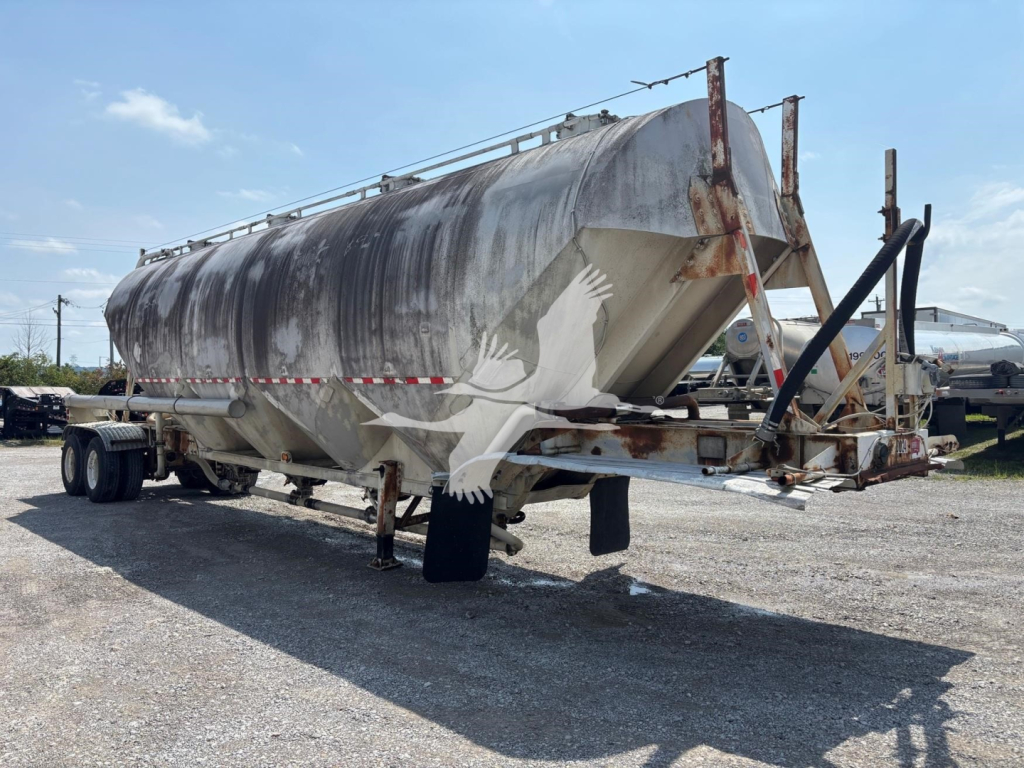
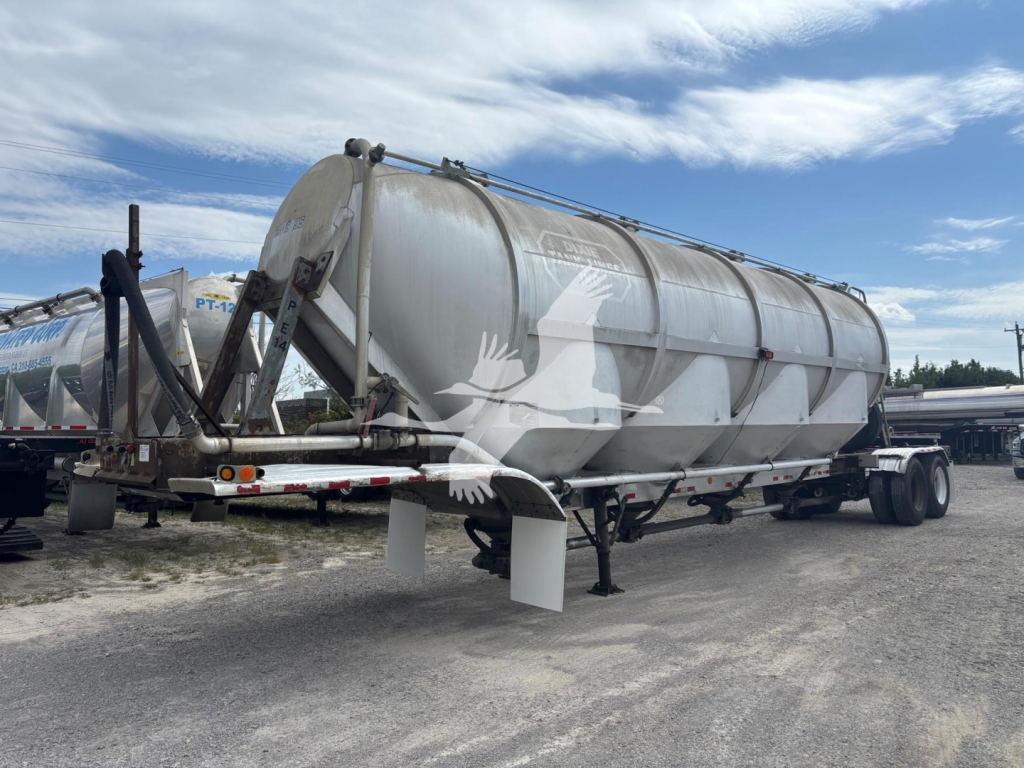
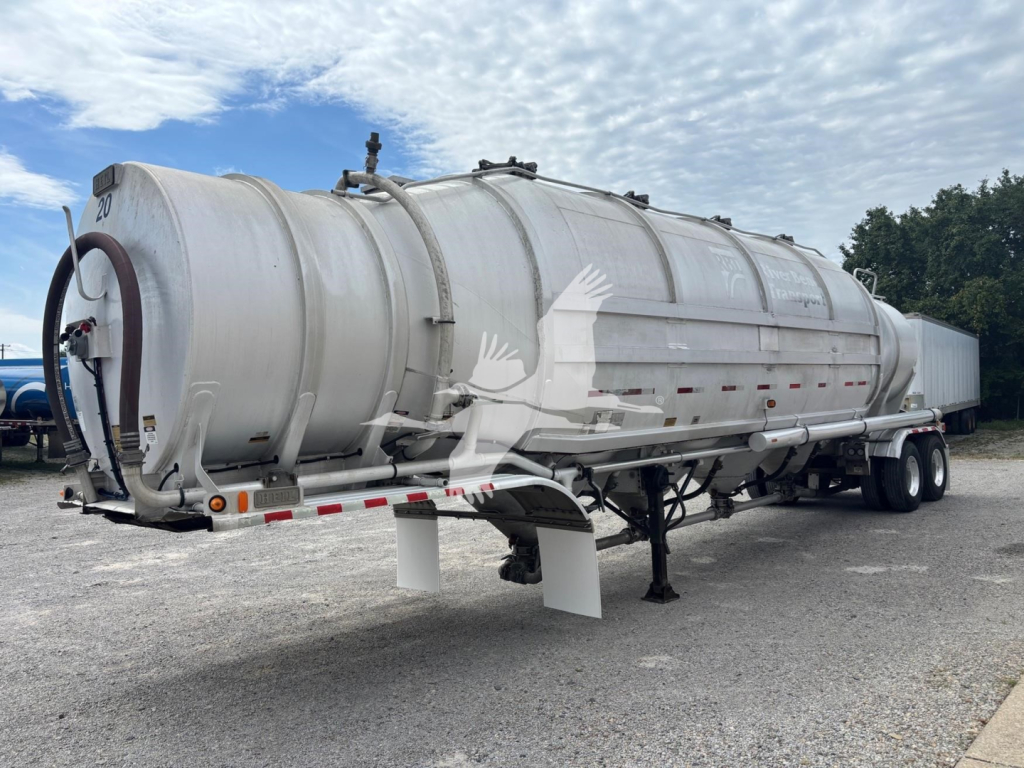
Across makes such as Heil and Polar, plus legacy Fruehauf equipment, compare hopper arrangement, aeration design and discharge routing rather than brand alone. Four-hopper designs provide separate discharge points, but each valve, gasket and aerator adds a service item. Under-axle plumbing needs inspection for impact damage and clearance, while any discharge layout needs accessible valves and sound pipe supports.
Used aluminum barrels deserve careful inspection around hopper welds, saddles, frame attachments and previous repairs. Look for cracking, distorted panels, worn discharge elbows and evidence of abrasive cargo erosion. Check manhole seals, butterfly valves, aeration pads, pressure gauges and the pressure-relief system, and have a qualified shop evaluate leaks using the manufacturer's procedures and rated working pressure. Obtain cargo history, cleaning records where applicable and repair documentation, especially for welded repairs to the pressure vessel. A current annual roadworthiness inspection does not establish vessel condition or prove that a dry bulk tank trailer is suitable for food or feed service.
Ohio winter road salt can attack steel end frames, suspension hangers, landing gear and brake hardware, including steel-to-aluminum attachment areas. Inspect those joints for corrosion, loose fasteners and separation rather than judging the trailer by its outer barrel. On older units, check spring hangers and equalizers or air-ride bushings, bags and height-control components, depending on suspension type. Verify brake adjustment, wheel-end condition and tire age, especially on trailers parked between seasonal grain or construction contracts. Maintenance records should show attention to running gear as well as unloading equipment.
For deliveries around Lake Erie terminals and along I-70, I-71 and I-75, check turning clearance, hose reach and rear discharge height against actual customer sites. Match discharge fittings and the tractor's blower airflow to the receiving silo and delivery distance. Calculate payload using actual tractor-trailer tare weight, axle spacing and route restrictions, not nominal tank capacity.
Frequently Asked Questions about Used Pneumatic - Dry Bulk Trailers in Ohio
Do I need a blower on my tractor to unload a pneumatic dry bulk trailer?
A pneumatic dry bulk trailer needs a compatible compressed-air source, commonly a tractor-mounted PTO-driven blower. A trailer-mounted power package or an approved stationary air source can be alternatives. Confirm required airflow, operating pressure, PTO compatibility and air temperature limits with the trailer and blower manufacturers. Do not assume a used trailer includes the blower, drive equipment or connections needed for your tractor.
Can a former cement pneumatic trailer haul food or animal feed?
A former cement pneumatic trailer should not enter food or feed service without documented acceptance by the shipper and a qualified sanitation assessment. Residue can remain in aeration components, valves, hoses and inaccessible areas even when the barrel looks clean. Obtain complete cargo history and the customer's written equipment requirements before purchase. Some customers require dedicated service and will reject equipment with prior industrial cargo.
What weight limits apply to pneumatic dry bulk trailers in Ohio?
For ordinary operation on Ohio Interstate highways, federal limits are generally 80,000 pounds gross, 20,000 pounds on a single axle and 34,000 pounds on a tandem, subject to the bridge formula. A pneumatic dry bulk combination can reach an axle limit before reaching its gross limit. Lower equipment ratings, posted bridges and route-specific restrictions still control, so evaluate the complete tractor-trailer combination and delivery route.
Do older pneumatic trailers have to have ABS?
Air-braked semitrailers manufactured on or after March 1, 1998, generally must have ABS under U.S. rules. Earlier pneumatic trailers may lack factory ABS, so verify the manufacture date rather than relying only on an advertised model year. On ABS-equipped trailers, inspect the warning lamp, wiring, wheel-speed sensors and fault history. ABS does not compensate for worn foundation brakes or poor brake adjustment.
What pressure should a pneumatic dry bulk trailer run at?
The trailer's nameplate rating and manufacturer-approved unloading procedure set the pressure limit, not the blower's maximum output. Many dry bulk pneumatic trailers have a 15 psi maximum working pressure, but that figure must not be assumed for every vessel. Normal unloading pressure may be lower. Verify gauge accuracy and relief-device condition, and never open a manhole or disconnect product piping while the vessel remains pressurized.