
2027 Heil Pneumatic - Dry Bulk Trailers For Sale in Ohio
Shop 2027 Heil pneumatic dry bulk trailers, including aluminum cement and bulk powder specs with 1,040 cu ft capacity options.
Selling a 2027 heil pneumatic - dry bulk trailer? List your 2027 heil pneumatic - dry bulk trailer for sale and reach thousands of commercial buyers.
2027 Heil Pneumatic - Dry Bulk Trailers in Ohio
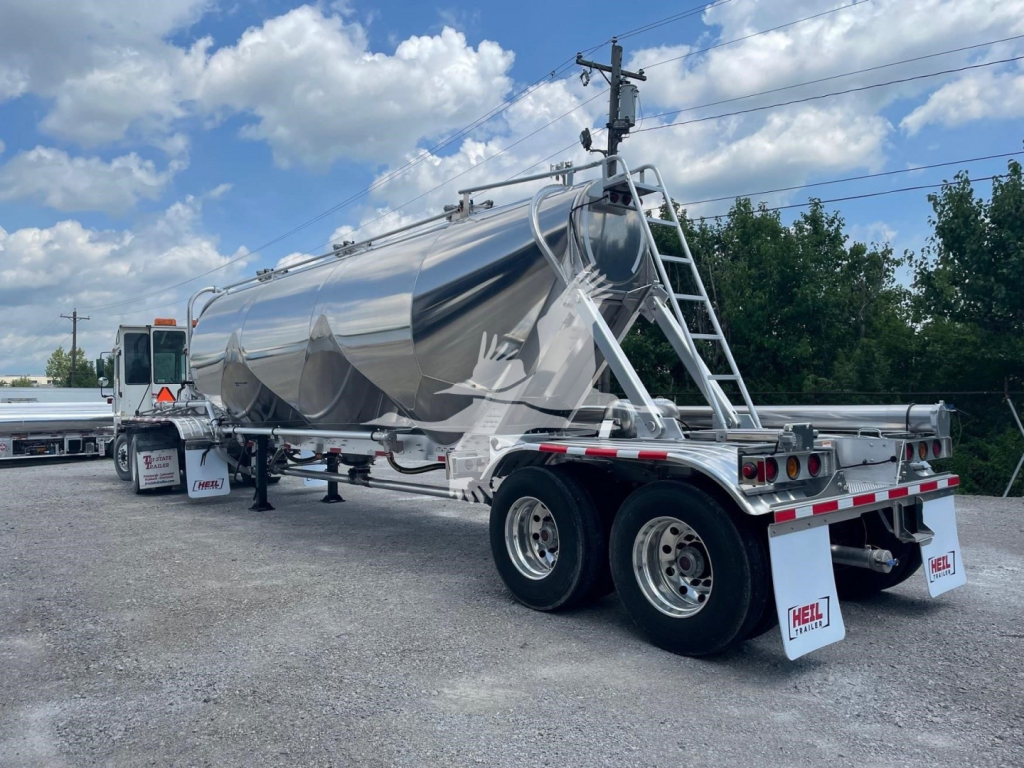
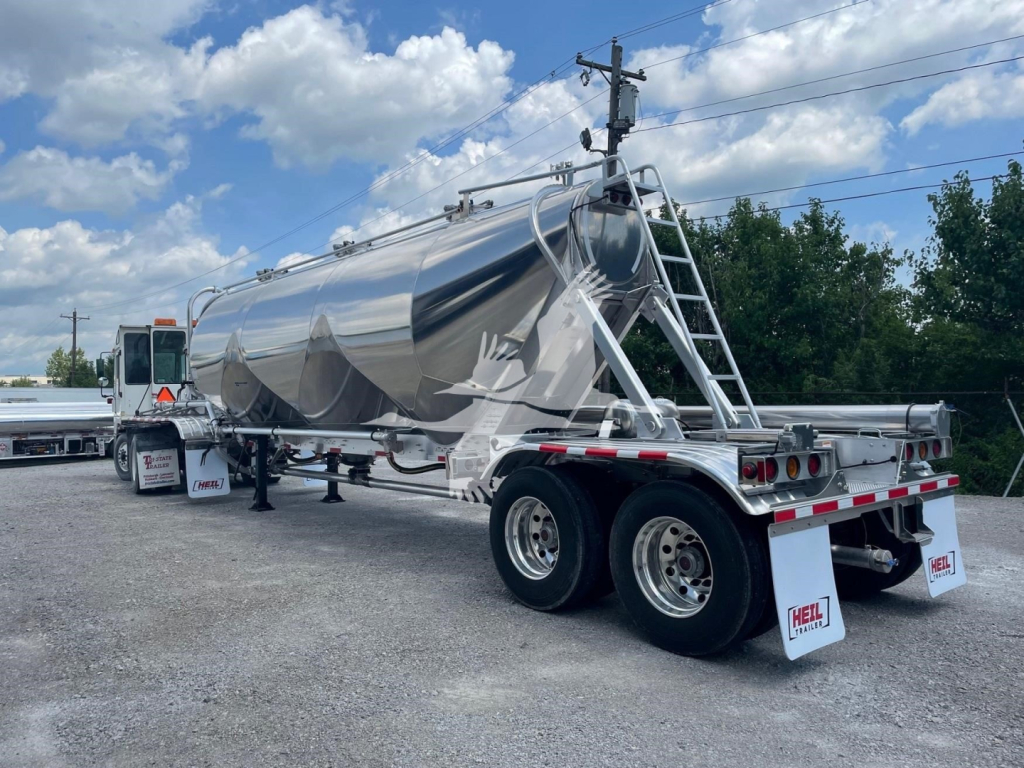
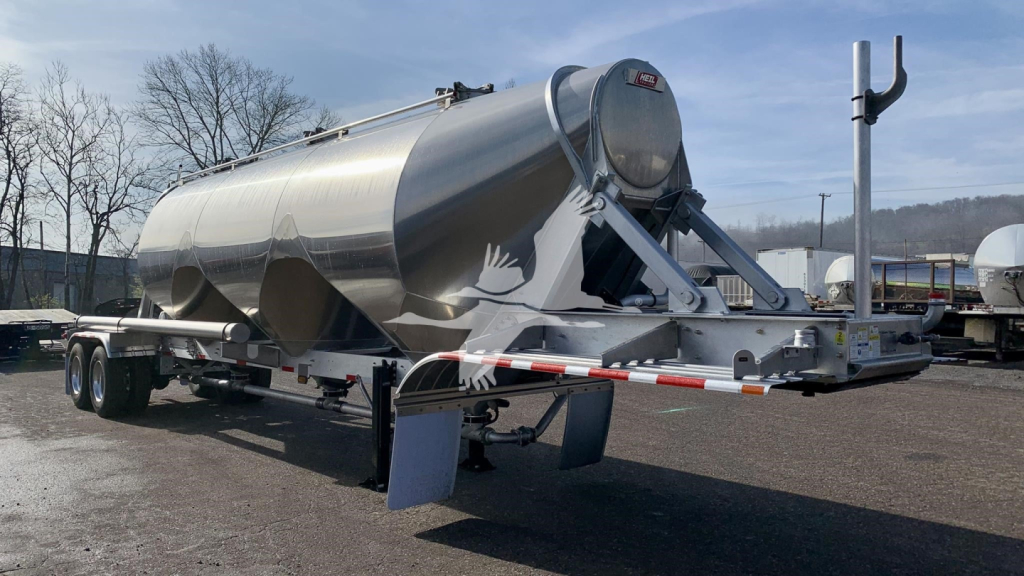
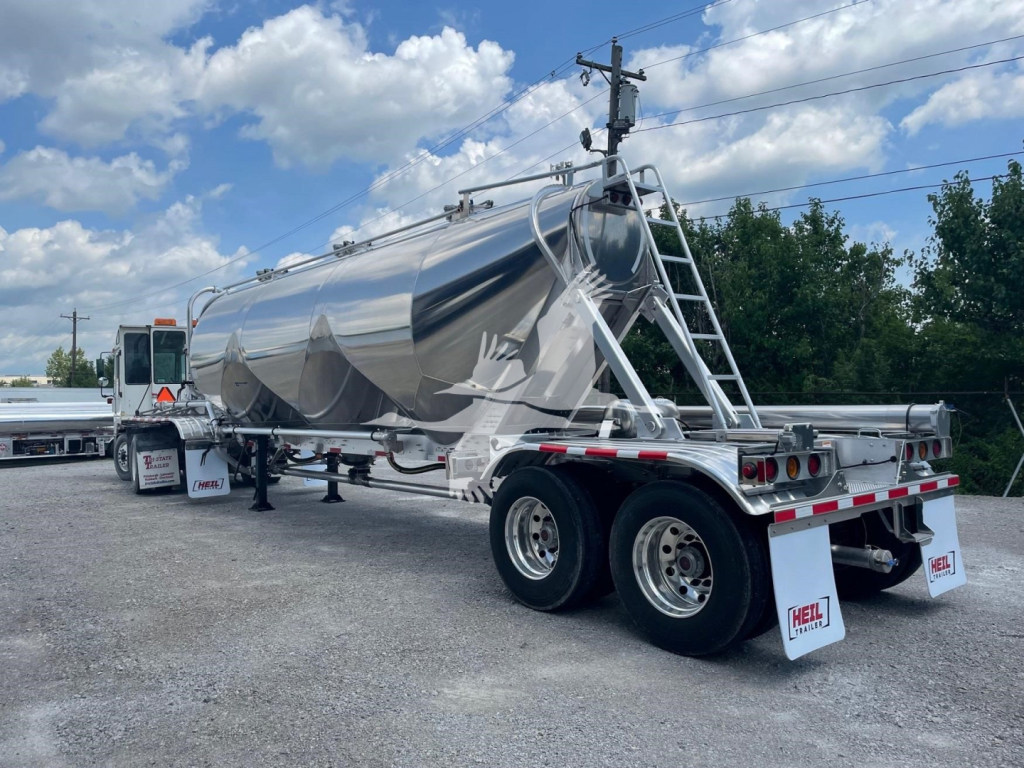
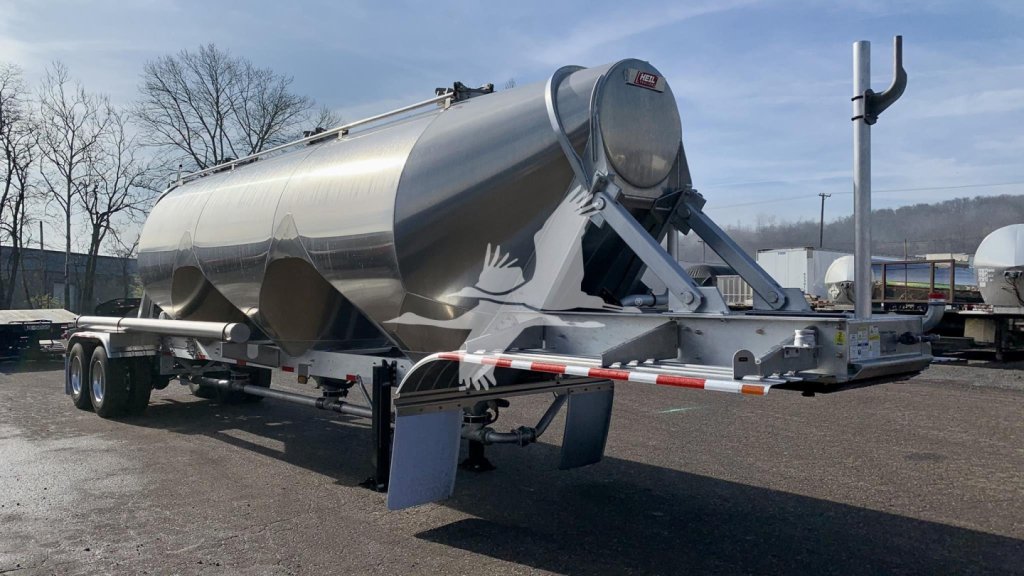
The sample specs point to a lightweight aluminum configuration with a 42-foot barrel, 96-inch width, three hopper design, and rear discharge plumbing. That combination is popular because it gives good product evacuation while keeping tare weight under control. Aluminum barrel construction, aluminum piping, aluminum end frames, and aluminum wheels all matter in this segment because every pound saved can translate into more legal payload. Buyers should pay close attention to aeration design, hopper slope, pipe routing, and valve quality. Components such as Flo Cones aeration and 5-inch butterfly product valves are important because pneumatic trailers live or die by unload efficiency, cleanout, and resistance to product bridging.
Suspension and axle layout also deserve a close look. Air ride tandems with a 49-inch setting are common on dry bulk trailers because they help protect the trailer structure, improve ride quality for powdered commodities, and support stable handling on uneven terminal or plant surfaces. Raised center axle configurations can help with tire wear and maneuverability depending on the operation. Details like galvanized hangers, Holland landing gear, hose tube length, cabinet-mounted gauges, rear ladder placement, and work lights may look secondary on paper, but they affect daily usability, maintenance access, and turnaround time at the plant or jobsite.
For Ohio and surrounding Midwest lanes, a Heil pneumatic trailer is often chosen for cement, industrial minerals, and construction-related bulk hauling where frequent loading cycles and predictable unload performance matter more than maximum cube. Buyers comparing listings should verify the discharge arrangement, available hose storage, tractor blower compatibility, and whether the trailer is set up for the commodity they plan to move most often. A dry bulk trailer can be called a pneumatic tank trailer, bulk powder trailer, or cement trailer, but the right choice comes down to matching the tank design to product density, unload pressure requirements, and the routes the trailer will run every week.
Frequently Asked Questions about 2027 Heil Pneumatic - Dry Bulk Trailers in Ohio
What commodities are Heil pneumatic dry bulk trailers commonly used to haul?
Heil pneumatic dry bulk trailers are commonly used for cement, fly ash, lime, sand, dry chemical products, mineral powders, flour, and some plastic pellet applications. The exact commodity depends on the trailer’s cubic capacity, hopper design, plumbing, and aeration system. Dense commodities like cement usually pair well with lower cube, lighter-weight aluminum trailers because payload reaches legal limits before the tank is physically full.
What does a 1,040 cubic foot pneumatic trailer mean for payload?
A 1,040 cubic foot rating refers to the internal volume of the tank, not the legal payload. Actual payload depends on the density of the commodity, tare weight of the trailer, tractor weight, axle configuration, and state bridge laws. With dense materials such as cement or lime, buyers usually hit legal gross weight well before using every cubic foot, which is why 1,040 cu ft trailers are a common choice in cement service.
Why is aluminum construction important on a dry bulk trailer?
Aluminum construction reduces trailer tare weight, which can improve legal payload and operating efficiency. On pneumatic dry bulk trailers, aluminum barrels, piping, end frames, and wheels are especially valuable because these trailers often haul dense commodities where every pound matters. Aluminum can also offer corrosion resistance advantages, although maintenance practices and the type of commodity hauled still play a major role in long-term durability.
What should I check in the unload system on a pneumatic dry bulk trailer?
The unload system should be matched to the commodity and the blower setup on the tractor. Buyers should look at aeration design, discharge location, pipe size, valve quality, hose storage, gauge placement, and how easy the trailer is to clean out between loads. A good unload system helps reduce product hang-up, shortens unload times, and lowers the chance of plugging lines or leaving residual product in the hoppers.
Is a three-hopper pneumatic trailer a good choice for cement hauling?
Yes, a three-hopper design is a common and proven setup for cement and similar powder commodities. Multiple hoppers help move product efficiently toward the discharge system and can improve complete evacuation of the tank. The real advantage depends on hopper geometry, aeration, and overall plumbing design, but for many cement operations a three-hopper aluminum Heil trailer is a practical configuration for balancing capacity, unload performance, and tare weight.