
2027 Pneumatic - Dry Bulk Trailers For Sale in Ohio
Shop 2027 pneumatic dry bulk trailers for cement, lime, sand, and powders. Compare capacities, hopper layouts, weight, and discharge specs.
Selling a 2027 pneumatic - dry bulk trailer? List your 2027 pneumatic - dry bulk trailer for sale and reach thousands of commercial buyers.
2027 Pneumatic - Dry Bulk Trailers in Ohio
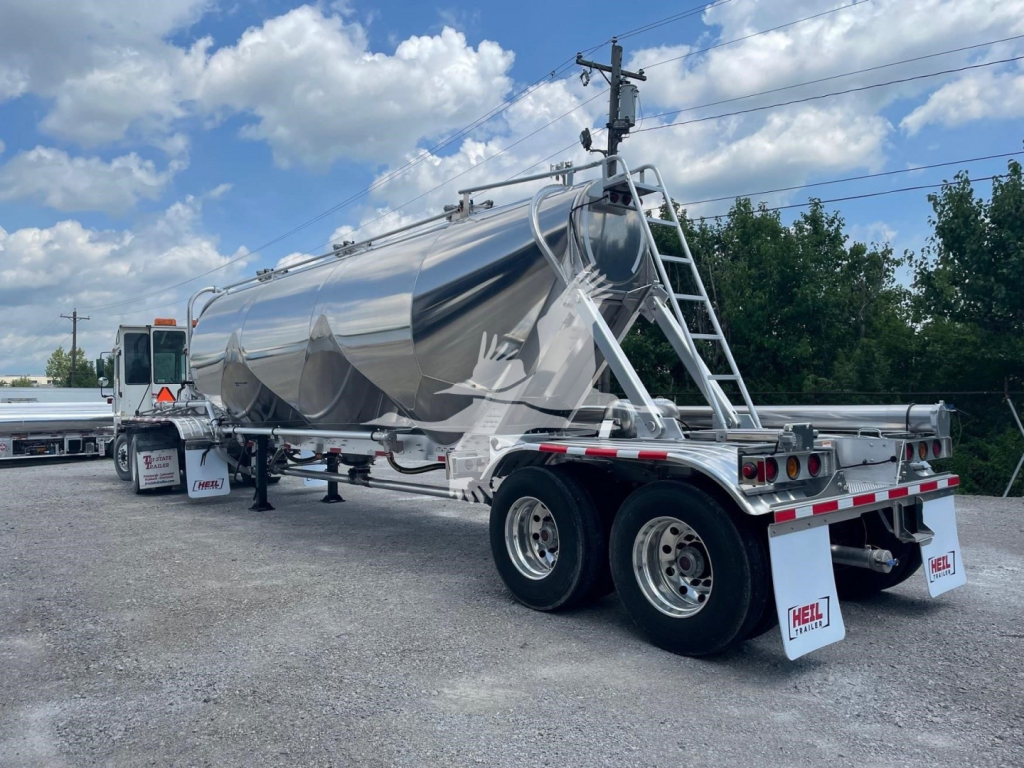
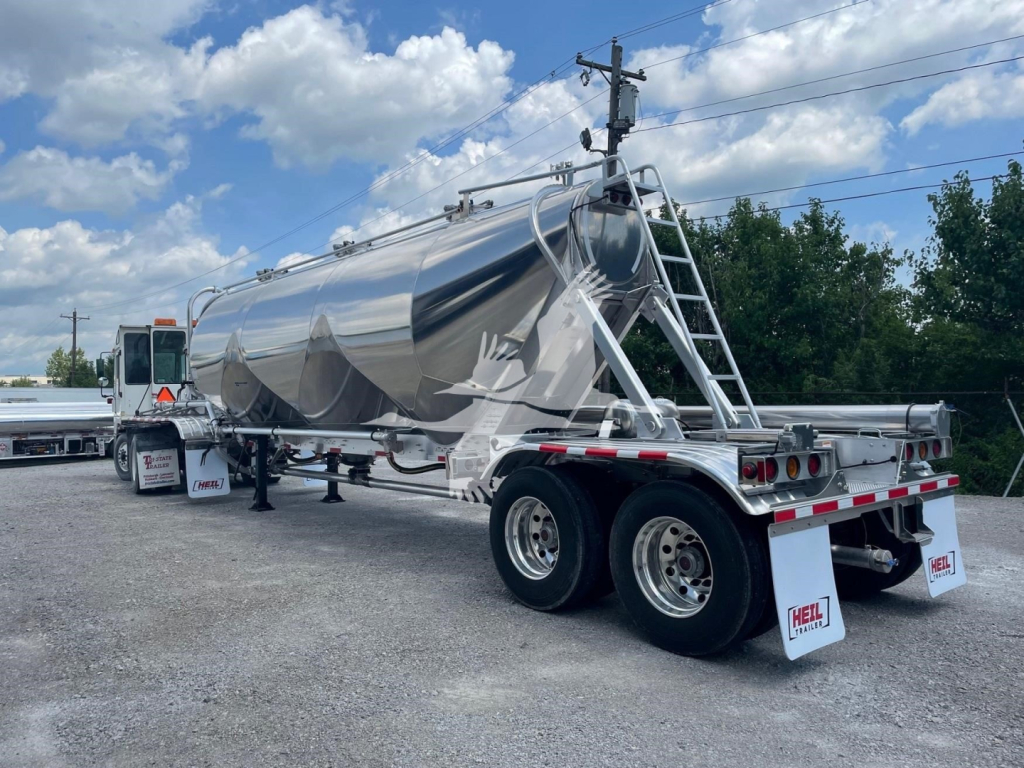
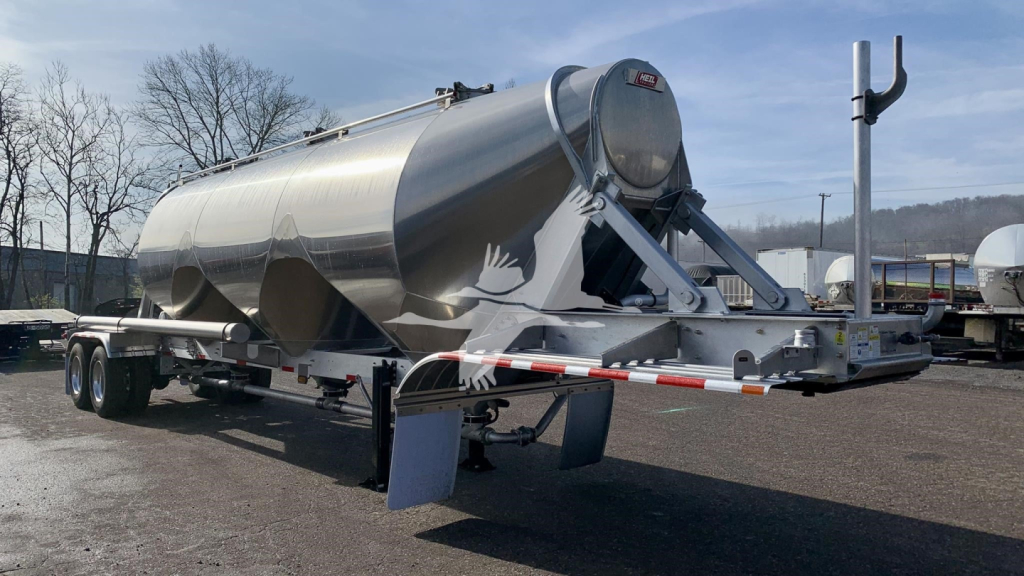
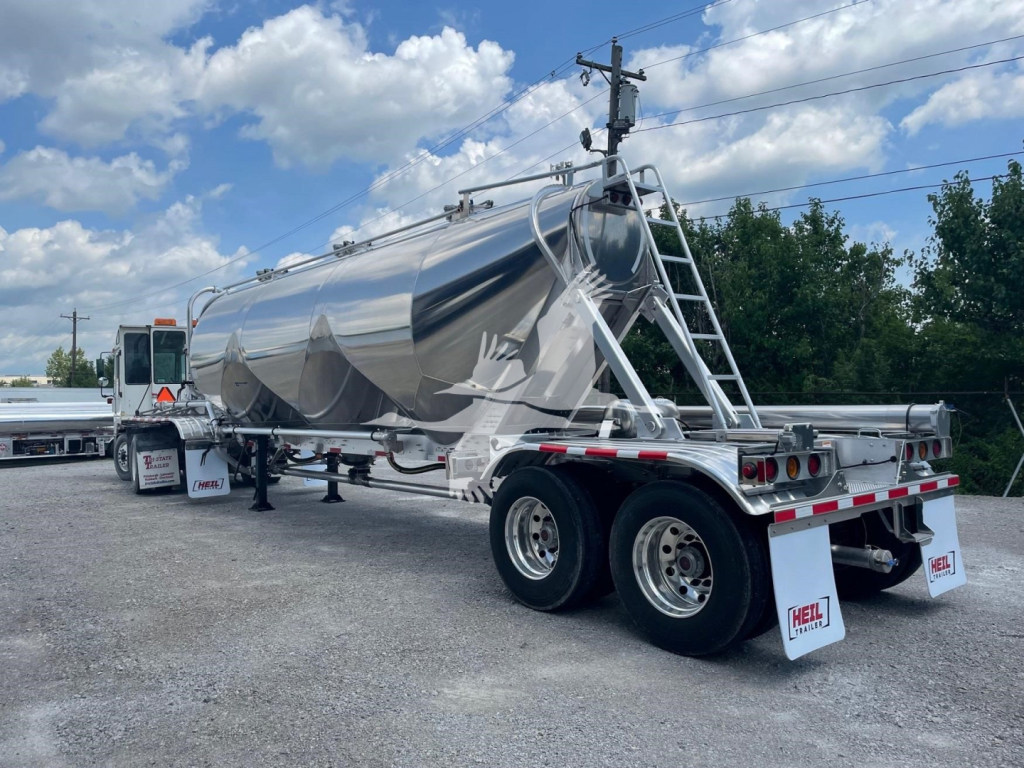
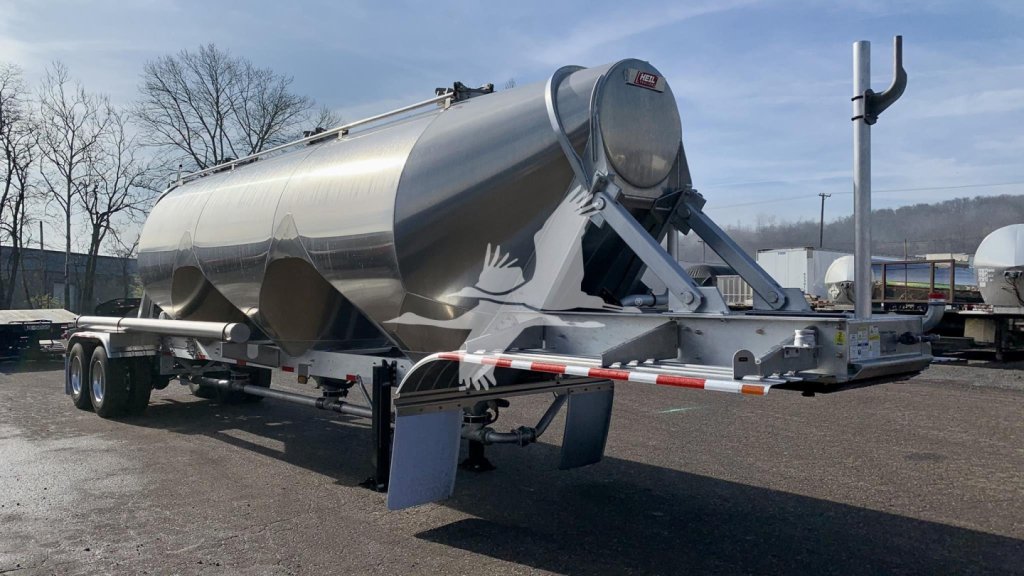
A 42-foot tandem axle trailer around 1,040 cubic feet is a familiar setup for cement and related bulk commodities. That size often balances legal payload, jobsite maneuverability, and compartment flow without getting too specialized. Aluminum construction on the barrel, end frames, struts, piping, and tees helps keep tare weight down and improves corrosion resistance. Aeration systems such as flo cones are important on fine powders because they help fluidize product and maintain consistent discharge. Rear discharge under the axles is also common on cement service, and valve quality matters here. Many buyers prefer proven 5-inch butterfly valves and clean, accessible plumbing because serviceability and sealing performance directly affect unload speed and product control.
Running gear deserves as much attention as the tank. Tandem air ride suspension remains the standard choice for ride quality and product stability, and raised center axle configurations are often specified to help with tire scrub in tight turns. Suspension setting, axle spacing, tire size, and wheel material should be reviewed alongside state bridge laws and target payloads. In Ohio and across the Midwest, corrosion protection on steel components is worth noting, especially on hangers, landing gear mounts, and other understructure parts exposed to year-round road conditions. Aluminum wheels, galvanized hardware in key areas, and durable paint systems on steel components can all make a difference in long-term appearance and maintenance cost.
Practical details separate one pneumatic trailer from another once the basic spec is right. Manhole count affects loading access and cleaning, hose tube length matters for day-to-day unload convenience, and gauge placement can improve operator visibility during discharge. Ladder location, work lights, fender design, and cabinet layout all affect usability on busy plants and tight delivery sites. For buyers focused on 2027 models, the main goal is matching the trailer to the product density, blower setup, discharge routine, and legal weight targets of the operation. A well-matched pneumatic dry bulk trailer should move product efficiently, unload cleanly, and stay light enough to protect revenue on every load.
Frequently Asked Questions about 2027 Pneumatic - Dry Bulk Trailers in Ohio
What commodities are pneumatic dry bulk trailers commonly used to haul?
Pneumatic dry bulk trailers are commonly used for cement, fly ash, lime, sand, mineral powders, and other dry bulk products that can be unloaded with air pressure. The exact commodity matters because product density, particle size, and flow behavior affect the ideal trailer capacity, hopper design, aeration system, and valve package.
What does a 1,040 cubic foot pneumatic trailer mean for payload?
A 1,040 cubic foot rating describes the vessel volume, not the legal payload. Actual payload depends on the density of the commodity, the trailer's empty weight, tractor weight, axle configuration, and state weight laws. Dense products such as cement can gross out before the trailer is filled by volume, so lightweight construction is especially valuable in this category.
Why do buyers pay close attention to hopper count and aeration design?
Hopper count and aeration design have a direct effect on how well product flows to the discharge system. Three-hopper layouts are common because they promote more consistent evacuation of fine powders across the length of the tank. Aeration systems such as flo cones help fluidize material during unload, which can reduce leftover product and improve discharge efficiency.
Is aluminum construction better for a dry bulk pneumatic trailer?
Aluminum is widely preferred in pneumatic dry bulk service because it reduces tare weight and helps maximize payload on dense commodities. It also offers good corrosion resistance compared with heavier steel construction. Buyers should still inspect steel subcomponents and mounting areas because those parts remain important for long-term durability, especially in regions with winter road chemicals.
What suspension and running gear setup is typical on a cement trailer?
A tandem axle air ride suspension is a standard setup for cement and dry bulk pneumatic trailers because it delivers stable road manners and helps protect the trailer structure. Many trailers in this class run 11R22.5 tires, aluminum wheels, and suspension settings designed to balance bridge compliance with maneuverability. The best setup depends on route conditions, state regulations, and the target commodity weight.