
Other Trailers For Sale in Kansas
Browse other trailers for specialized hauling, attachments, and niche transport applications with varying configurations, widths, and capacities.
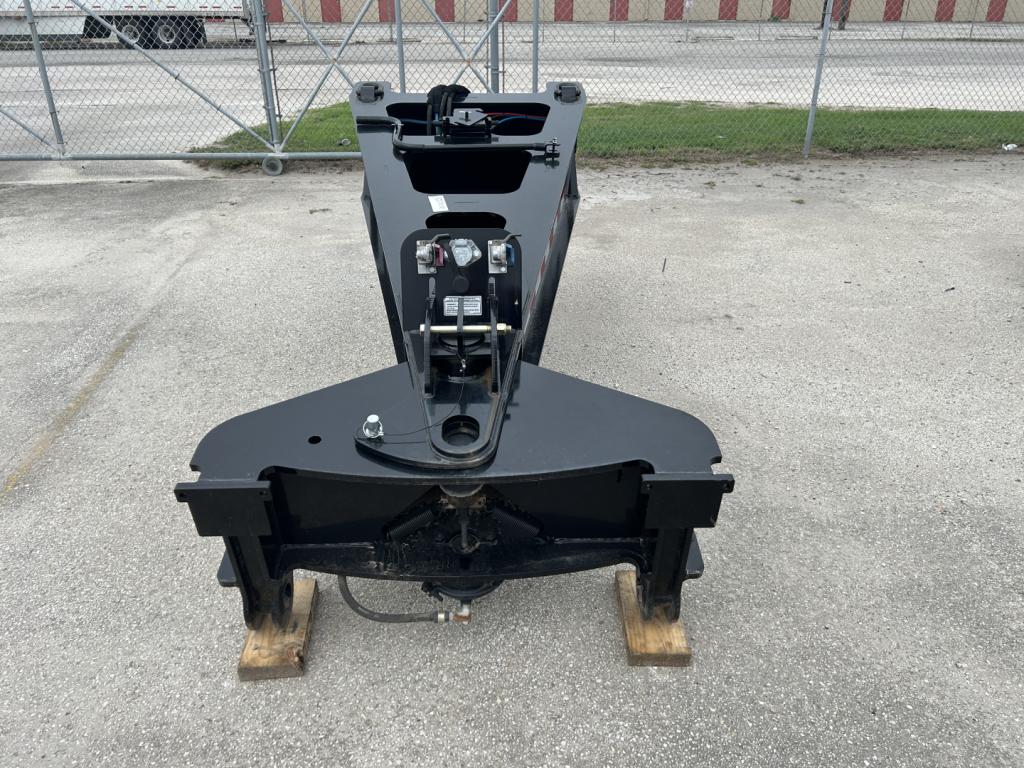
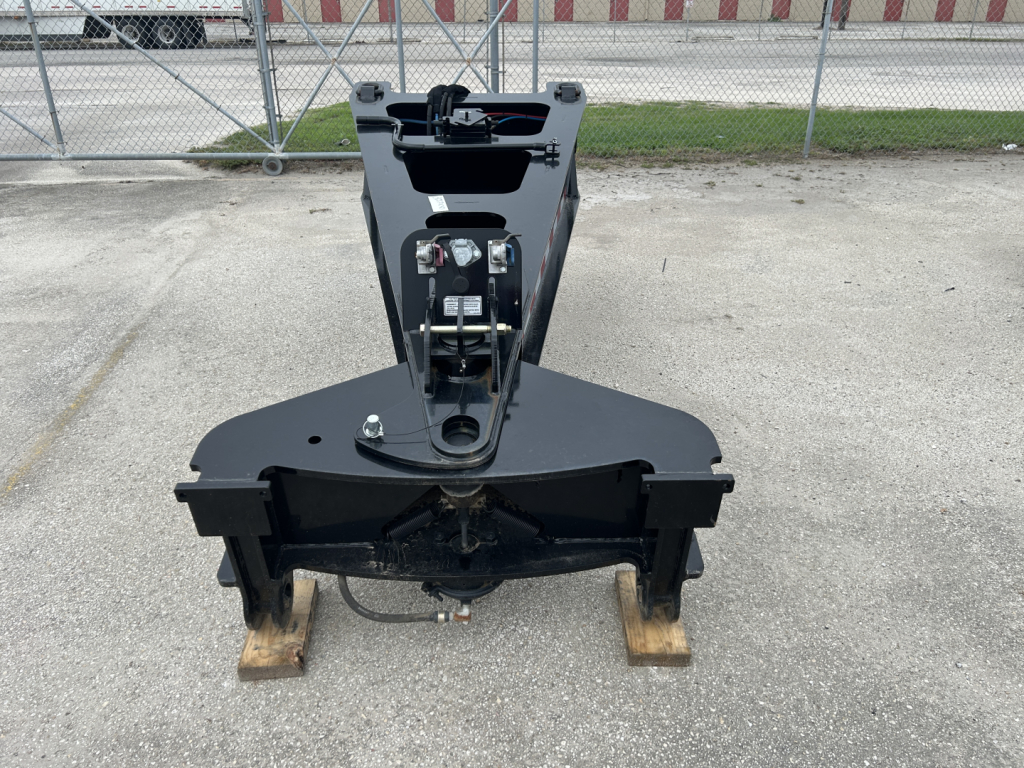
Selling a other trailer? List your other trailer for sale and reach thousands of commercial buyers.
Other Trailers in Kansas
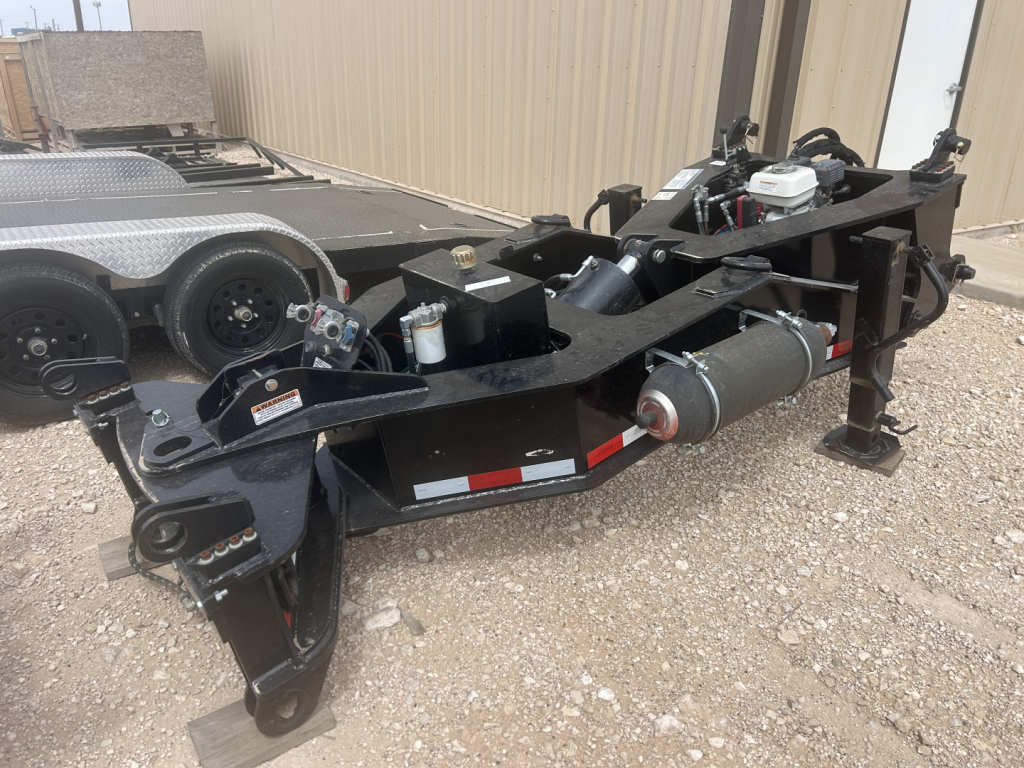
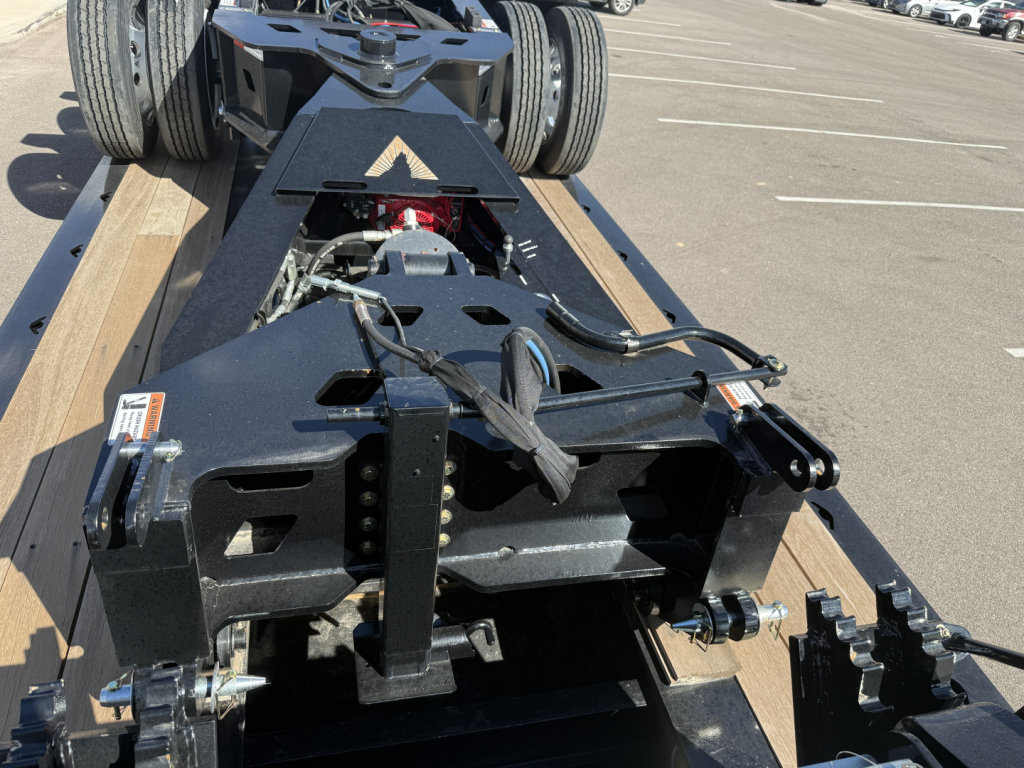
In Kansas, trailer selection often comes down to route planning, legal weight distribution, and the kind of machinery or components being moved across state highways, county roads, and energy or construction sites. Specialized trailer components such as spreader bars or flip axle-compatible assemblies are commonly used to increase axle spacing and help distribute load more effectively. That matters when hauling over-length or concentrated-weight loads, especially when bridge formulas, permit conditions, and turning radius all affect how the trailer can be configured in the field.
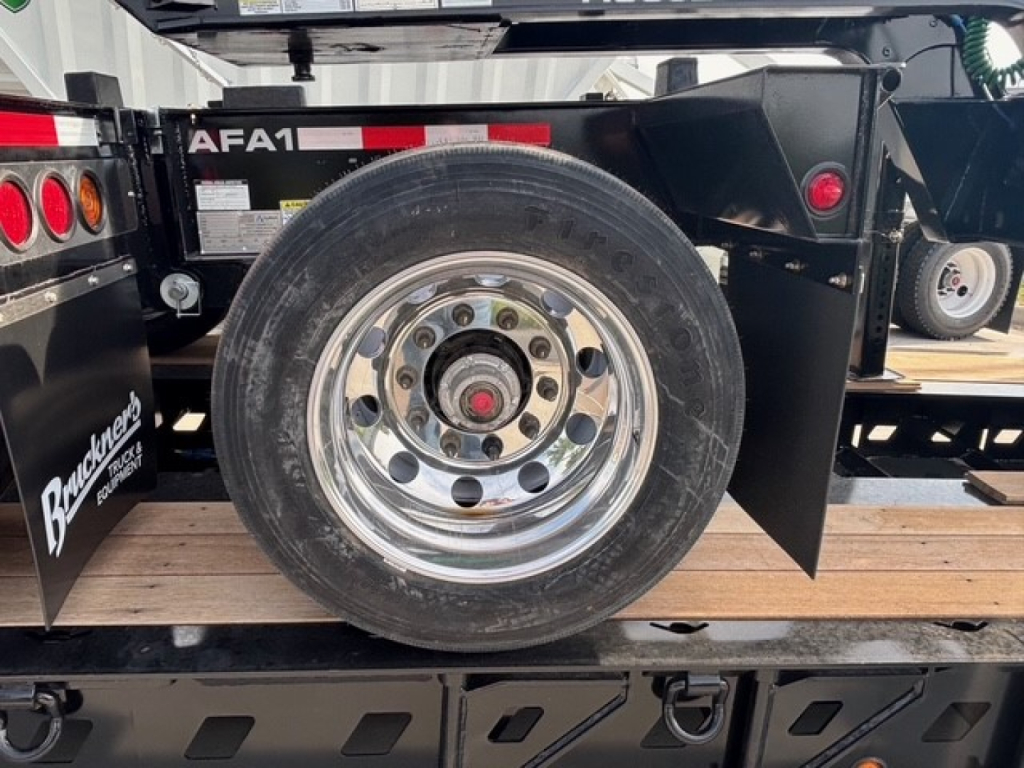
Specs vary widely in this category, so buyers should focus on the fundamentals first: frame construction, overall width, compatibility with existing trailer setups, axle provisions, brake configuration, suspension type, and intended load path. Steel construction is common for heavy-duty applications because it handles concentrated stress well and is easier to repair in many fleet shops. On attachment-style equipment, fitment is critical. A spreader or auxiliary trailer component must match the primary trailer’s dimensions, axle group design, and connection points. If the unit is designed for one or two flip axles, for example, the center-to-center spacing and legal setup options should be confirmed before purchase.
The best buying decision in this category comes from understanding how the equipment works as part of a complete hauling system. Ask how it affects deck length, axle spread, permitted capacity, loading procedure, and transport efficiency when empty. Also consider parts support, fabrication quality, and whether the design aligns with the trailer brands already in your fleet. With specialized trailers and trailer components, small dimensional differences can have a major impact on compliance, usability, and resale value.
Frequently Asked Questions about Other Trailers in Kansas
What does “other trailers” usually include?
“Other trailers” usually refers to specialized trailer types or trailer-related hauling equipment that fall outside common categories such as flatbeds, lowboys, tank trailers, or dumps. This can include spreader attachments, booster axles, jeeps, converter gear, specialty equipment transport platforms, and other niche hauling solutions designed for specific weight distribution or configuration needs.
How do I evaluate a specialized trailer or trailer attachment before buying?
Start with the intended application and confirm the unit’s compatibility with your existing tractor and trailer setup. Check frame design, width, rated use, connection points, axle spacing, brake provisions, and whether it is built to work with flip axles or other auxiliary components. For specialized hauling equipment, dimensional fit and legal configuration matter as much as material condition.
Why is axle spacing so important on specialized trailers?
Axle spacing affects legal weight distribution, bridge compliance, permit eligibility, and how the load is carried across the trailer system. On components such as spreaders or flip axle-capable assemblies, the spacing between the rear trailer axle group and the auxiliary axle can determine whether the configuration meets route and load requirements. Incorrect spacing can limit usable capacity or create permitting problems.
Are steel trailers and steel trailer attachments still a good choice?
Steel remains a strong choice for many heavy-duty specialized trailer applications because it handles concentrated loads well and is widely serviceable. It is often preferred on components that see high stress or require field repair. Buyers should balance the strength and repairability of steel against tare weight, corrosion exposure, and the demands of the specific hauling application.
What should Kansas buyers pay attention to with specialized trailers?
Kansas buyers should pay close attention to permit requirements, axle group layout, empty transport practicality, and how the trailer will perform on both major highways and secondary roads. Specialized trailer equipment used in construction, agriculture, and energy-related hauling often needs to balance legal load distribution with maneuverability. Route conditions and state permit rules can influence which configuration makes the most sense.