
Load King Other Trailers For Sale in Kansas
Browse Load King other trailers, including spreader and specialty trailer equipment built for heavy-haul axle spacing and payload flexibility.
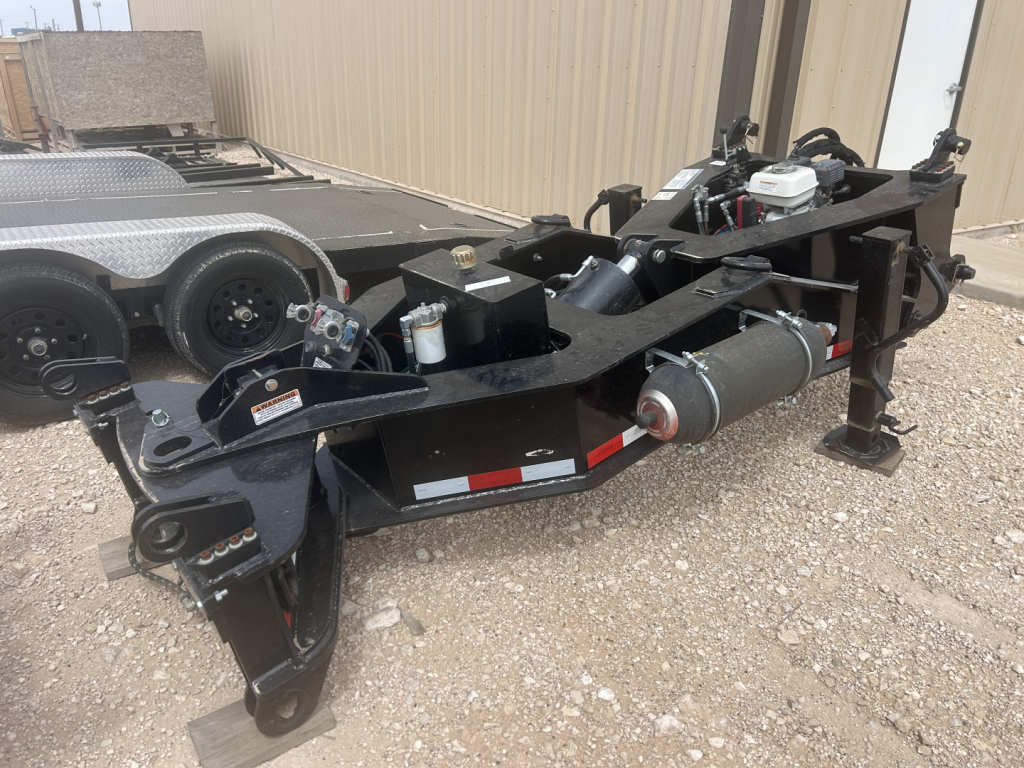
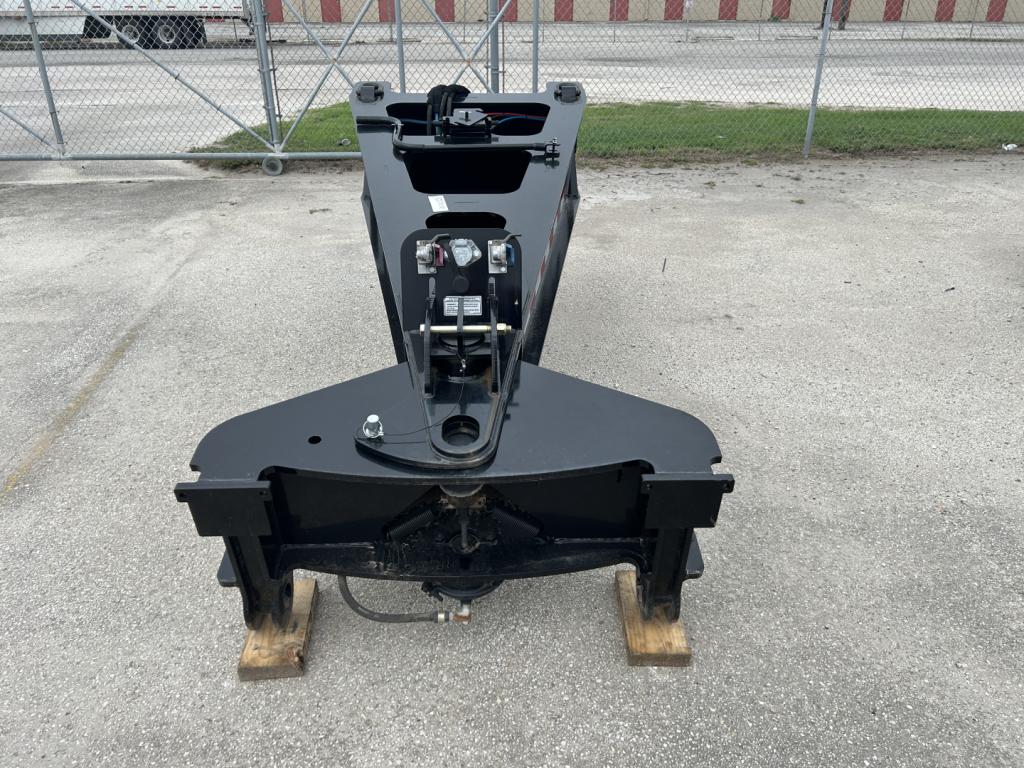
Selling a load king other trailer? List your load king other trailer for sale and reach thousands of commercial buyers.
Load King Other Trailers in Kansas
The key details to verify are the same details that determine whether the equipment will actually work in your operation: trailer width, rated capacity, number of flip axles supported, and the exact spacing from the rear trailer axle group to the added axle. On Load King equipment, those measurements are not minor specs. They affect bridge law compliance, turning characteristics, weight distribution, and how the trailer performs under permit conditions. If you are matching a spreader or specialty attachment to an existing lowboy or detachable gooseneck configuration, fitment matters just as much as condition.
Load King has a strong reputation in heavy-haul applications, and that matters in this category because specialized trailer components are expected to work within a broader system. Buyers should look closely at connection points, structural condition, brake and lighting provisions if equipped, and how the unit integrates with existing flip axle hardware or rear frame geometry. For Kansas operators and regional heavy-haul fleets, that often means balancing rural road maneuverability with the axle spread needed for legal payload movement on state and interstate permits.
This is a category for buyers who already know that a standard flatbed, step deck, or lowboy will not solve every hauling problem. A Load King specialty trailer or spreader can be the difference between a workable permitted load and one that requires a different route, a reduced payload, or a more expensive axle setup. When comparing listings, focus on application first: the trailer series it was built for, the spacing it provides, and whether it supports the axle combination your permits and freight profile demand.
Frequently Asked Questions about Load King Other Trailers in Kansas
What is a Load King trailer spreader used for?
A Load King trailer spreader is used to increase the distance between the rear axle group of a heavy-haul trailer and a flip axle. That added spacing helps distribute weight more effectively, improve bridge formula compliance, and support permitted hauling of heavier loads. It is a specialty component commonly used with lowboy and other heavy-haul trailer configurations rather than general freight trailers.
Why does axle spacing matter on specialty trailers?
Axle spacing matters because it directly affects legal weight distribution, permit approval, and bridge law compliance. On heavy-haul setups, even small differences in the measured distance between axle centers can change the allowable payload or route restrictions. Buyers should confirm exact center-to-center spacing, supported axle combinations, and how the setup fits their operating states and permit requirements.
How do I know if a spreader will fit my existing Load King trailer?
Fitment starts with the trailer model, deck width, rated capacity, and rear frame configuration it was designed to work with. You also need to verify connection hardware, axle compatibility, brake and electrical provisions if applicable, and the intended flip axle arrangement. A spreader built for a 55-ton or 60-ton Load King trailer may not interchange correctly with another series or a different manufacturer without modification.
Are Load King other trailers only for heavy-haul operations?
Most equipment in this category is geared toward specialized hauling rather than everyday freight service. That includes spreaders, axle-related trailer components, and other niche configurations that support oversized or overweight transport. Buyers looking at this category are usually solving a specific operational need tied to load distribution, permitting, or trailer adaptability.