
Trailers For Sale in Nevada
Browse trailers for sale in Nevada including dry vans and reefers. Compare lengths, suspension, tandem settings, floors, doors, and specs.
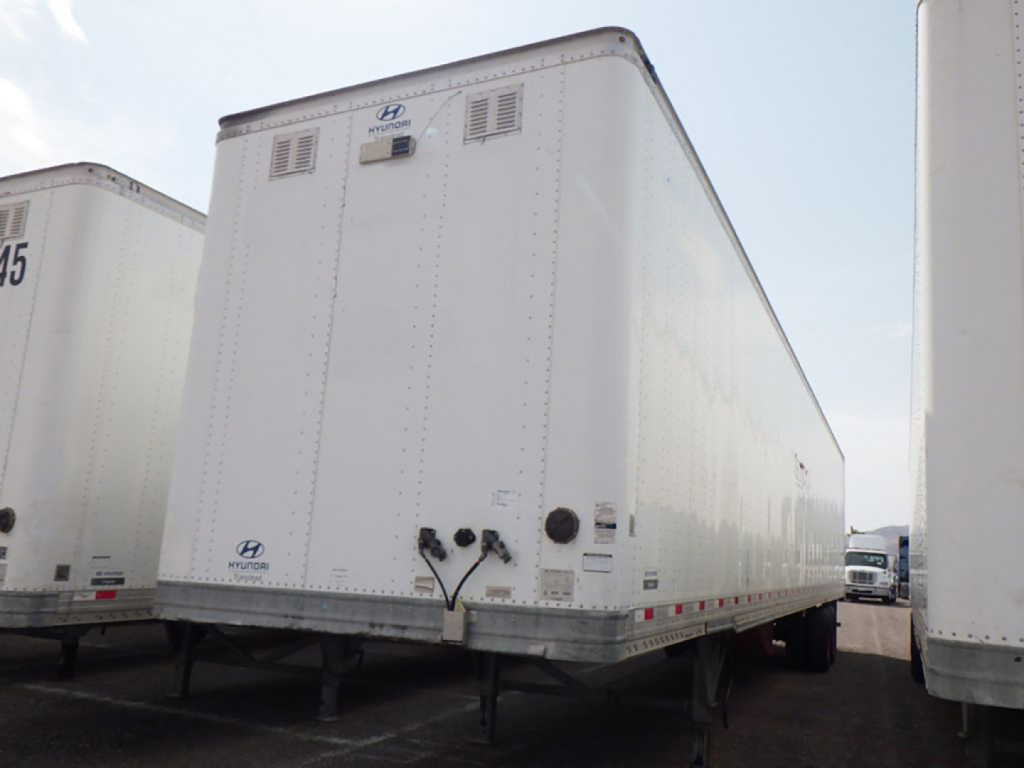
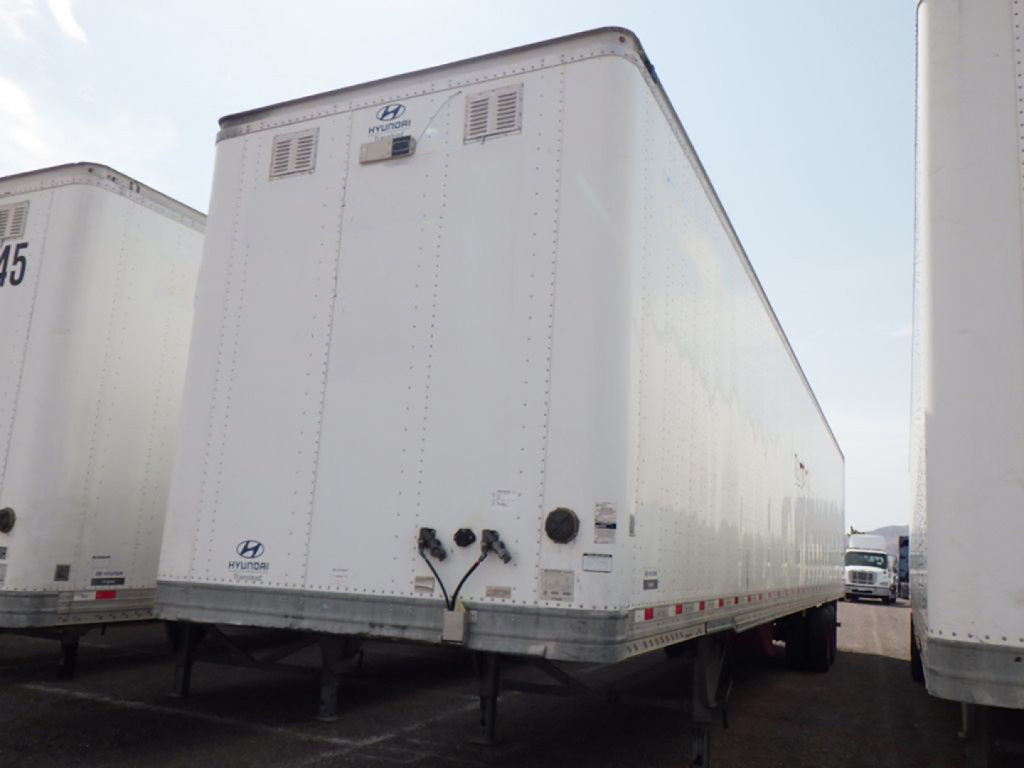
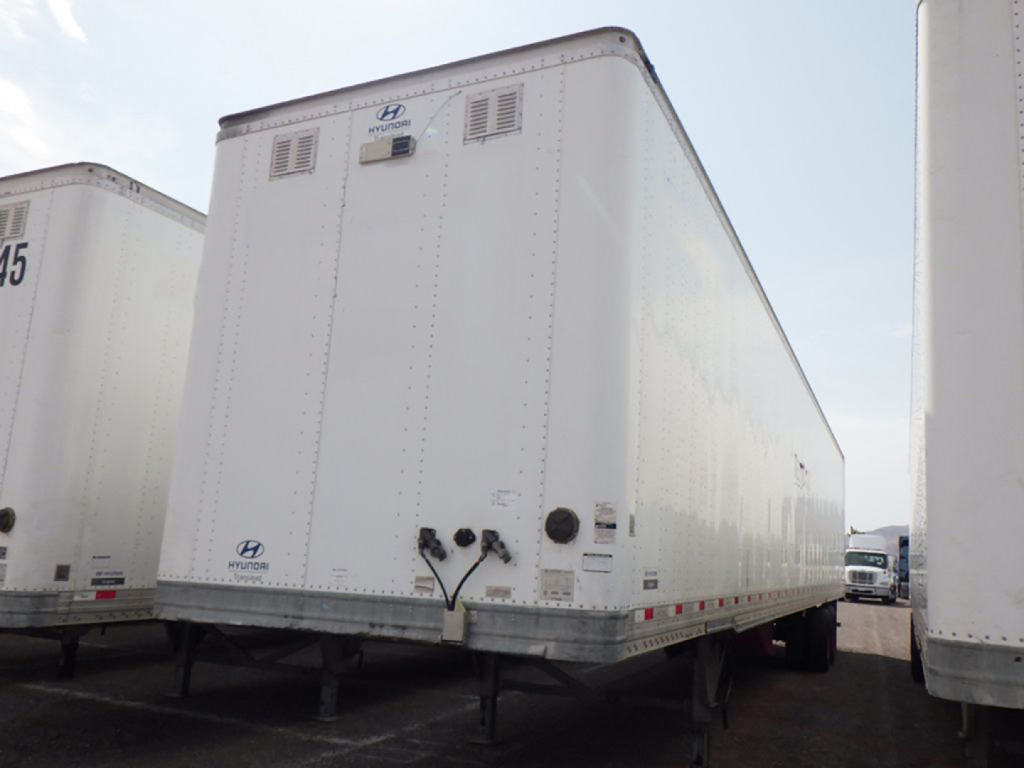
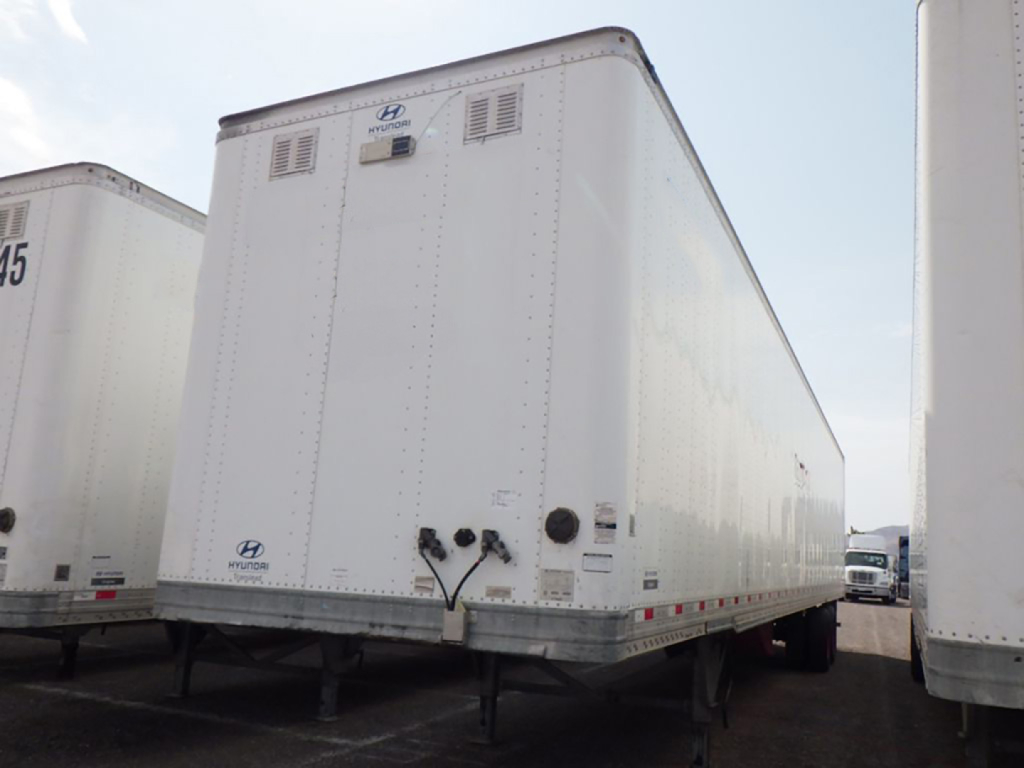
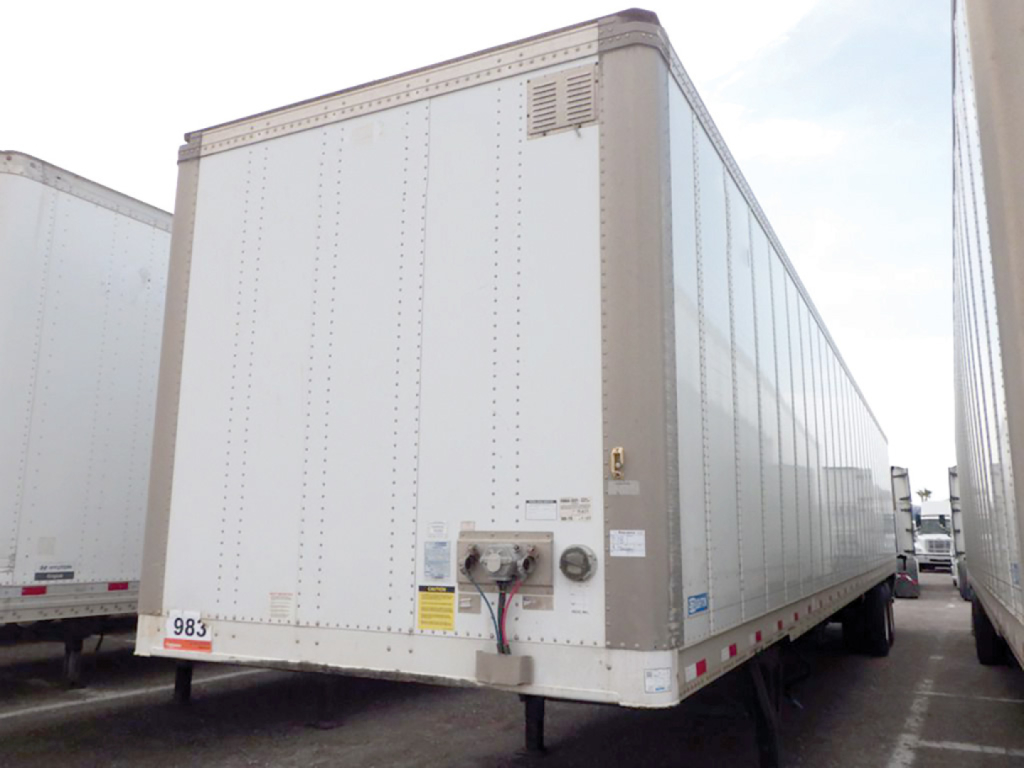
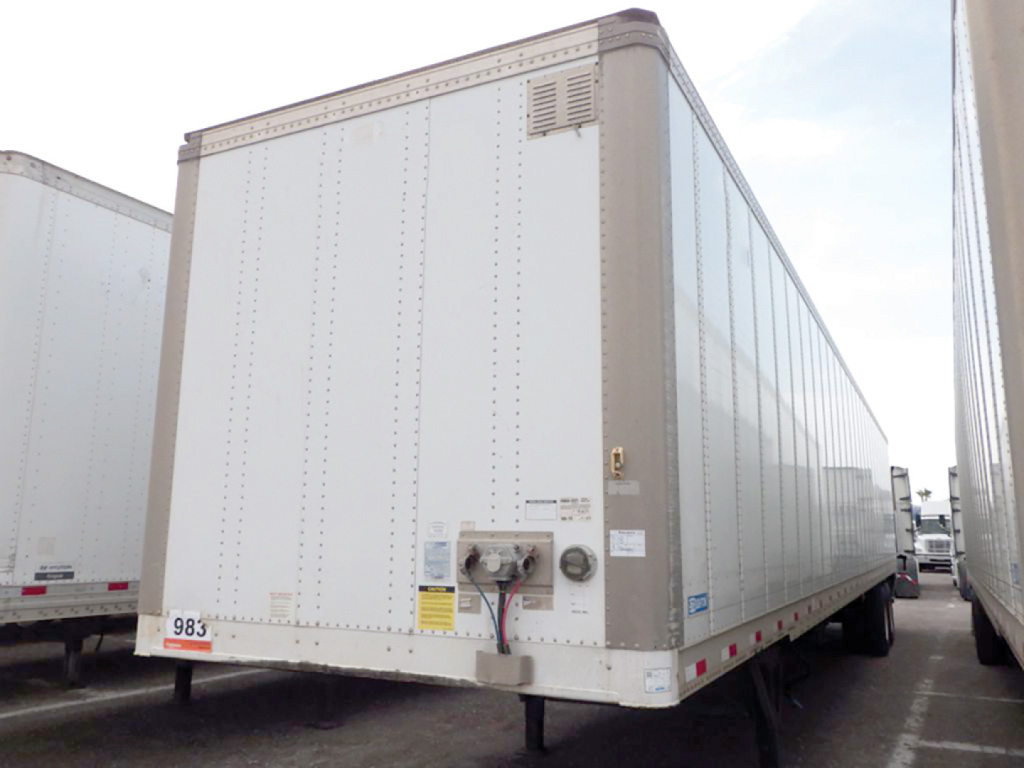
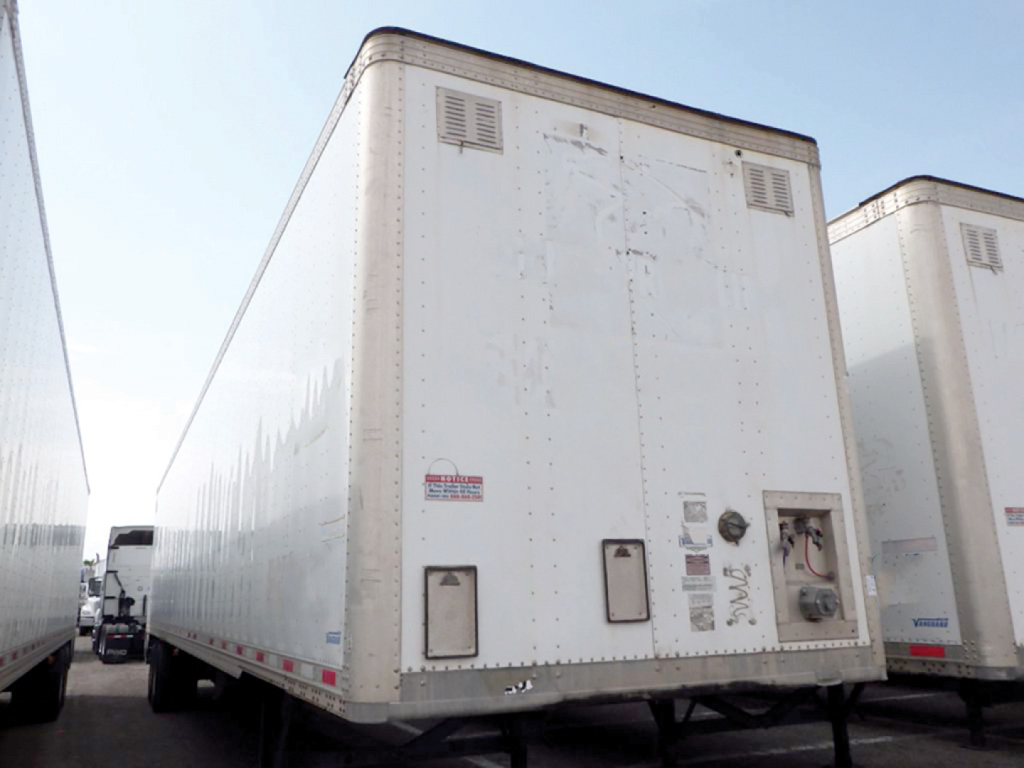
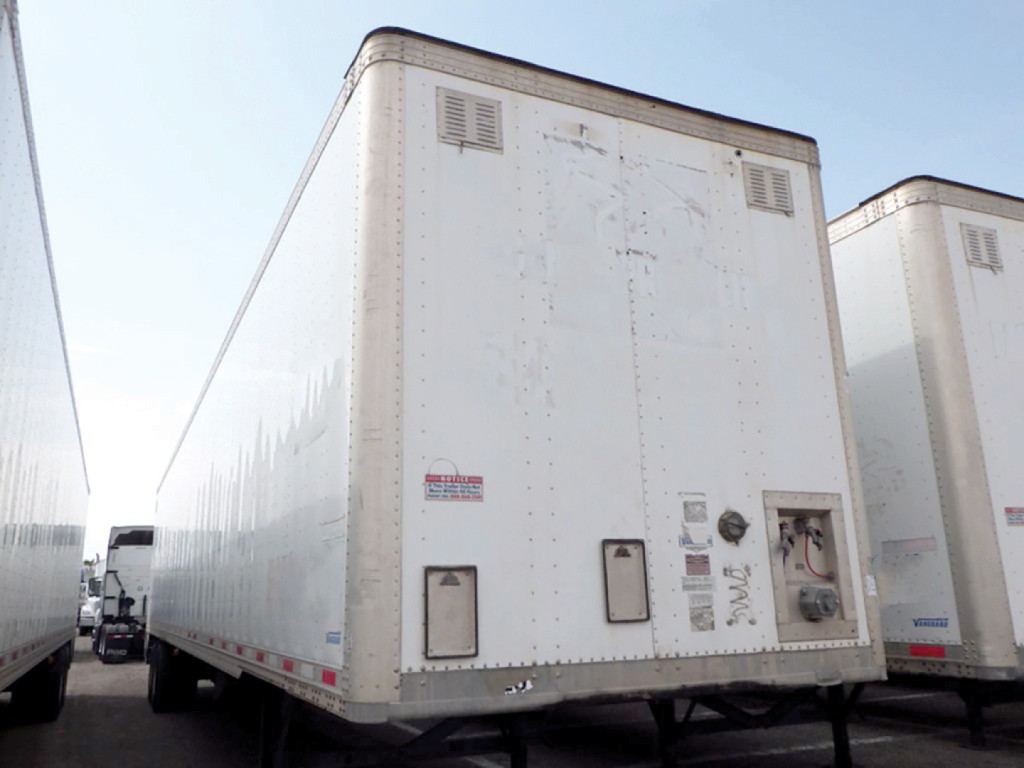

Selling a trailer? List your trailer for sale and reach thousands of commercial buyers.
Trailers in Nevada
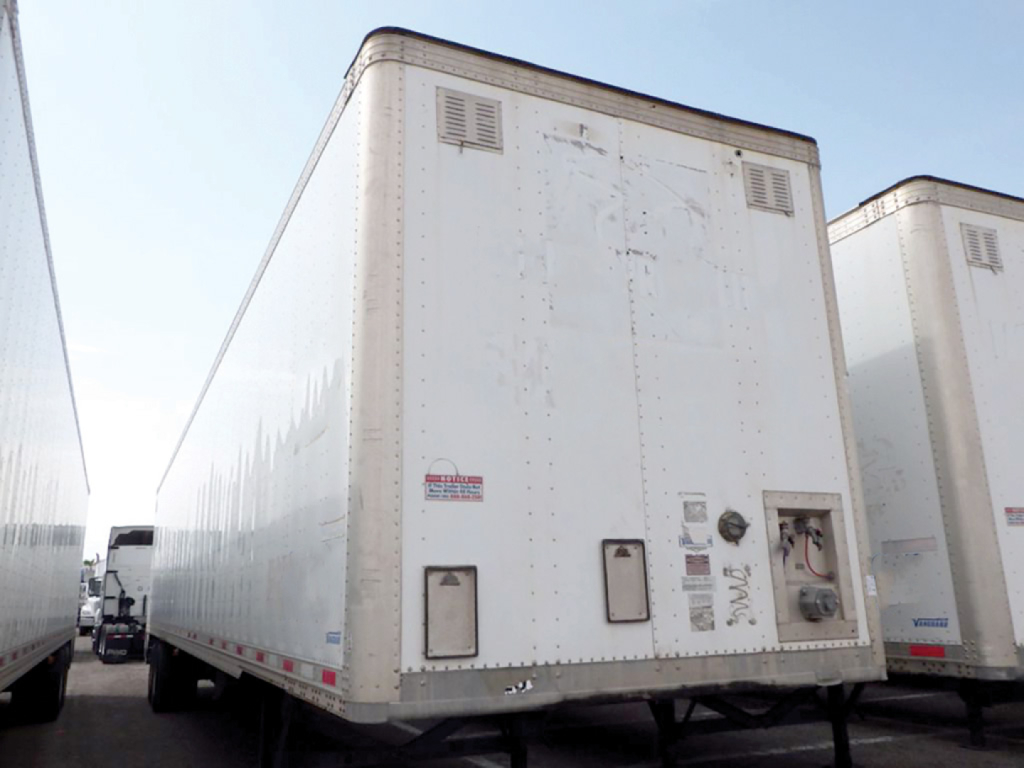
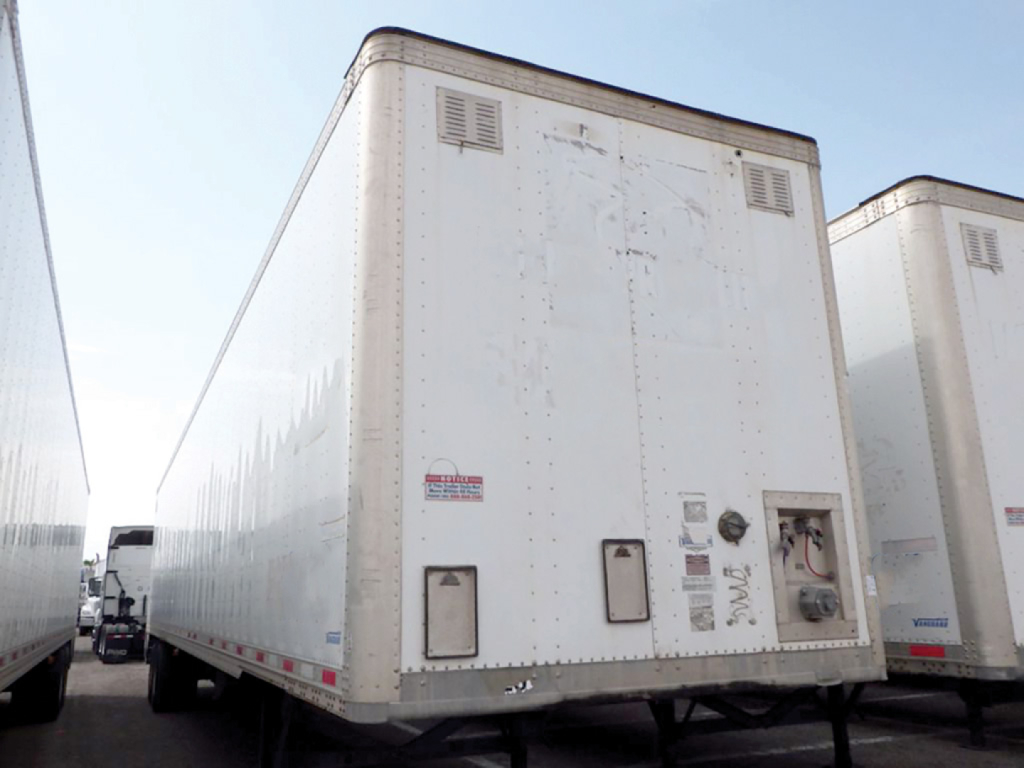
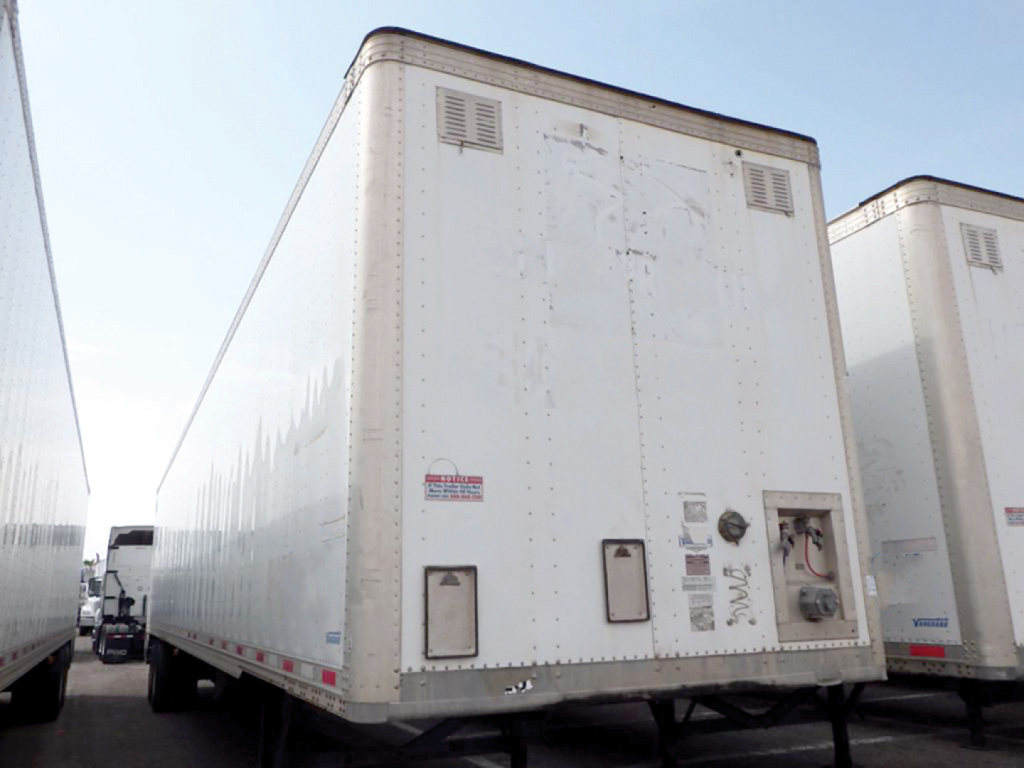
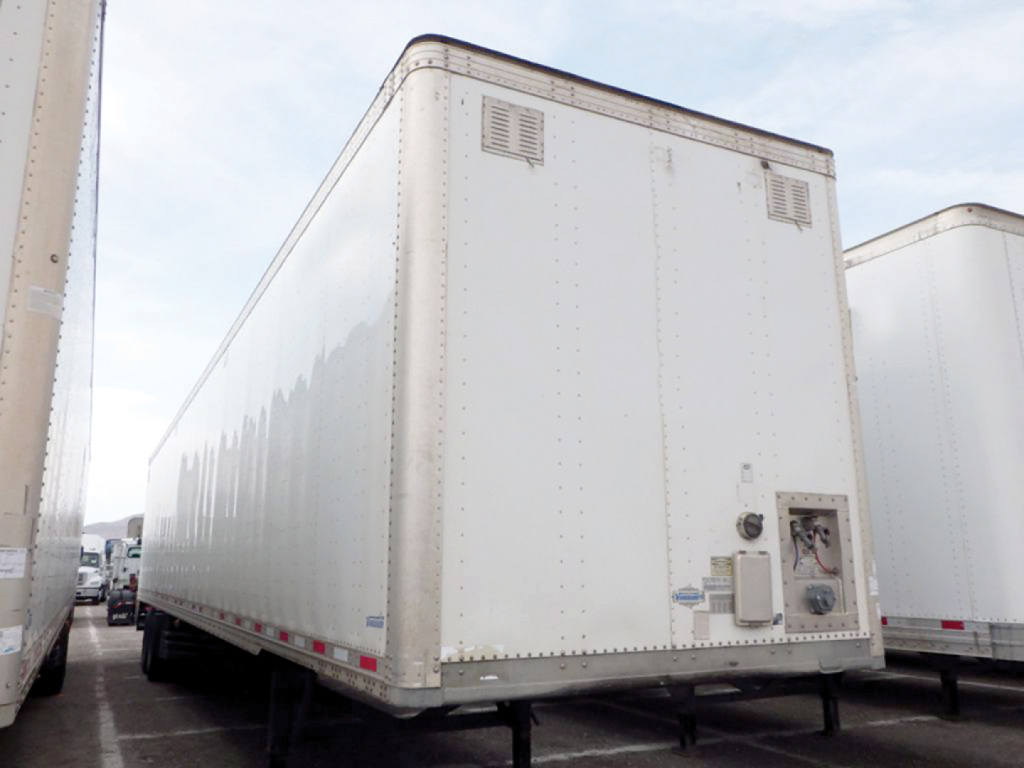
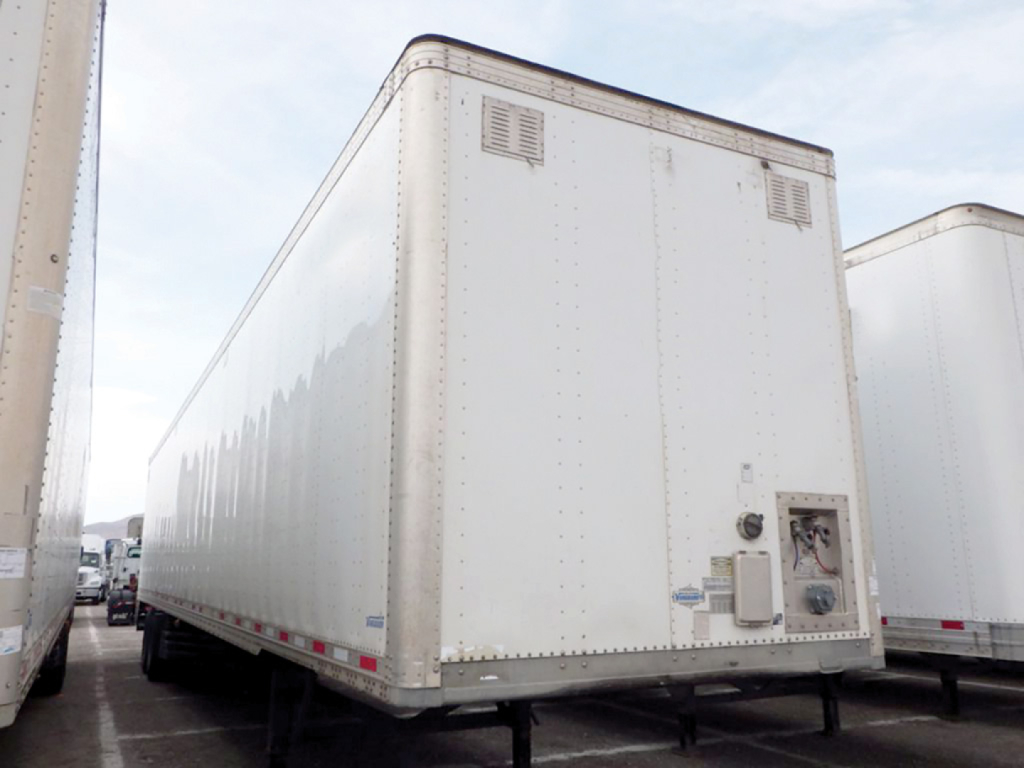
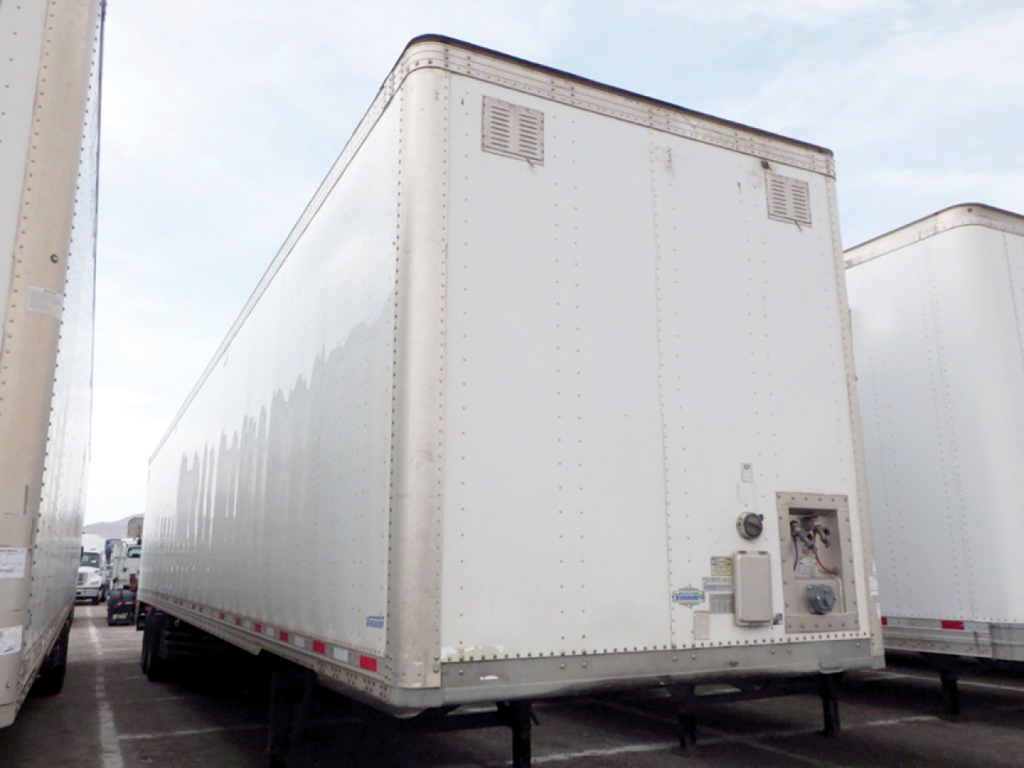
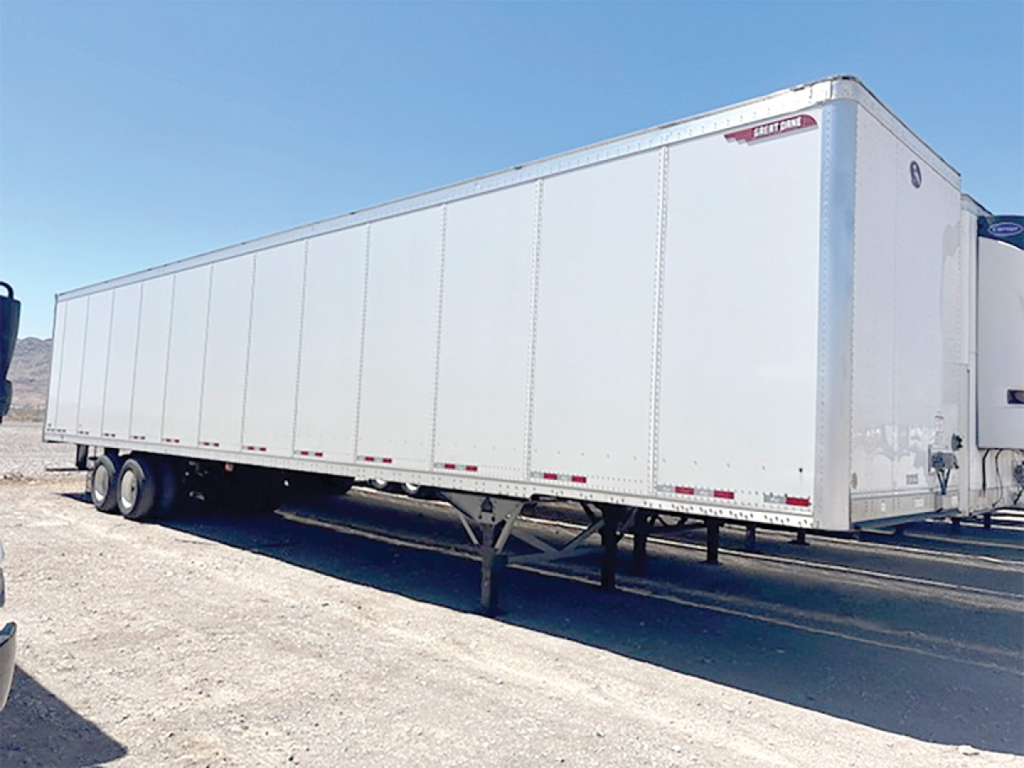
Dry van trailers, also called enclosed van trailers or box trailers, are built for general freight that needs weather protection and secure loading. Common specs include 53-foot length, 102-inch width, 13-foot to 13-foot 6-inch overall height, air ride suspension, and sliding tandems to help with bridge law compliance and dock positioning. Buyers should pay close attention to the floor type, crossmember condition, scuff liners, logistics posts or E-track, threshold plates, roof condition, and whether the trailer has swing doors or a roll-up rear door. In Nevada service, sun exposure and heat can accelerate roof seal wear, wall liner fatigue, and tire aging, so trailer condition matters as much as published specs.
Reefer trailers add another layer of evaluation because the refrigerated body and the reefer unit both affect operating cost. A refrigerated trailer may include features such as duct floors, chute systems, insulated walls and roof, stainless rear frames, and temperature-control units from Thermo King or Carrier. Buyers should verify reefer unit hours, maintenance records, evaporator and condenser condition, fuel tank integrity, door seal performance, and floor wear around high-traffic pallet lanes. If the trailer will be used for produce, frozen food, pharmaceuticals, or other temperature-sensitive freight, insulation quality and air circulation design are just as important as the engine spec on the refrigeration unit.
Across all trailer types, it pays to look closely at tires, wheel ends, brakes, suspension bushings, frame corrosion, kingpin wear, landing gear operation, and ABS function. Western fleets often prefer air ride for ride quality and cargo protection, while sliding tandems remain important for weight distribution and route flexibility. Aluminum construction helps reduce tare weight, but steel components in the rear frame, substructure, and running gear still need careful inspection. A good trailer should match the freight, the lanes, and the loading environment, not just the purchase price.
Frequently Asked Questions about Trailers in Nevada
What should I look for first when buying a used trailer in Nevada?
Start with the trailer type that matches the freight, then inspect structure and running gear before cosmetic details. On a used trailer, floor condition, roof integrity, wall lining, suspension, brakes, tires, wheel ends, kingpin wear, and tandem operation usually matter more than appearance. In Nevada, heat and sun exposure can also affect roof seals, door gaskets, tires, and interior lining, so environmental wear should be part of the inspection.
What is the difference between a dry van trailer and a reefer trailer?
A dry van trailer is designed for general freight that needs enclosed, weather-protected transport but not active temperature control. A reefer trailer is an insulated refrigerated trailer with a self-powered cooling unit used for frozen, chilled, or temperature-sensitive loads. Reefers typically cost more to buy and maintain because the body, duct floor, insulation system, and refrigeration unit all require regular service.
Why do so many 53-foot trailers have sliding tandems?
Sliding tandems allow the axle group to move forward or rearward to help balance axle weights, meet bridge law requirements, and improve maneuverability at docks or in tight yards. This is especially useful for over-the-road freight where different shippers, commodities, and states can change how weight needs to be distributed. A properly functioning slider system is an important operational feature, not just a convenience item.
Are aluminum trailers better than steel trailers?
Aluminum trailers are often preferred for van and reefer applications because they reduce tare weight and can improve payload potential. That said, aluminum construction does not eliminate the need for a close inspection because trailers still use steel in key areas such as running gear, fasteners, rear frames, and structural support points. The better choice depends on the application, the condition of the trailer, and how important empty weight is to the operation.
Which trailer specs matter most for dock work and general freight?
For dock-height freight, buyers usually focus on trailer length, interior width, rear door style, floor strength, logistics system, suspension type, and tandem configuration. Swing doors are common and durable, while roll-up doors can be useful in certain loading environments where rear clearance is limited. Inside the trailer, scuff liners, strong flooring, and secure cargo control points are important because they directly affect loading speed, freight protection, and long-term maintenance cost.