
Hyundai Trailers For Sale in Nevada
Browse Hyundai trailers for sale in Nevada, including 53-foot dry van models with air ride, sliding tandems, logistics posts, and fuel-saving specs.
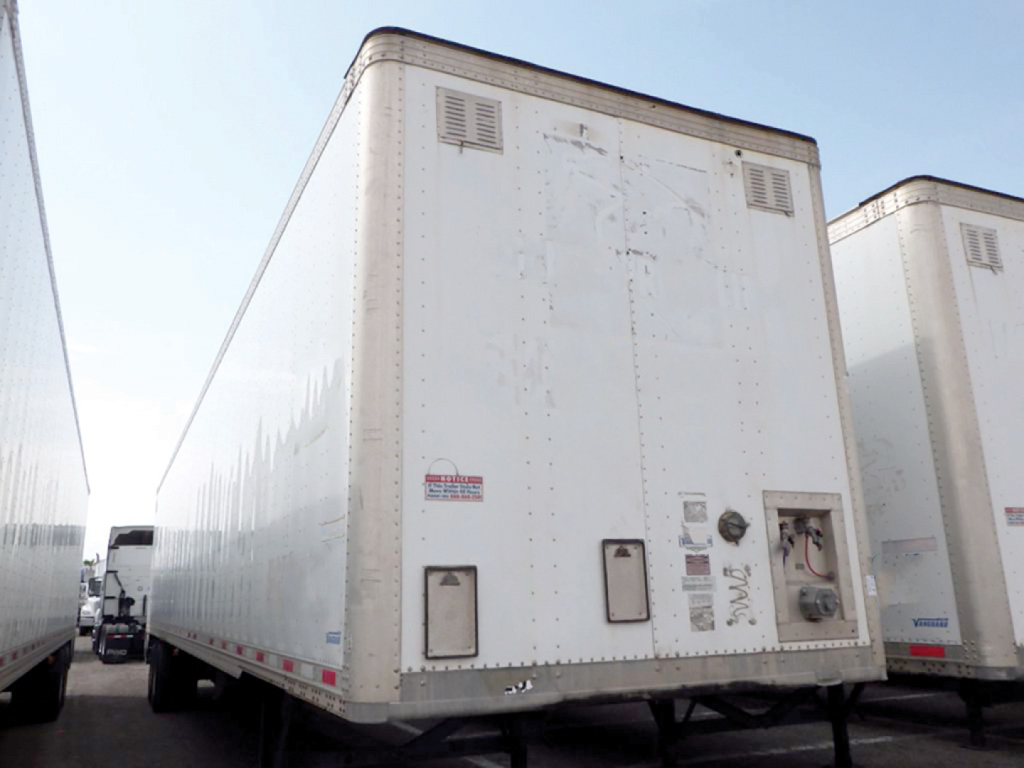
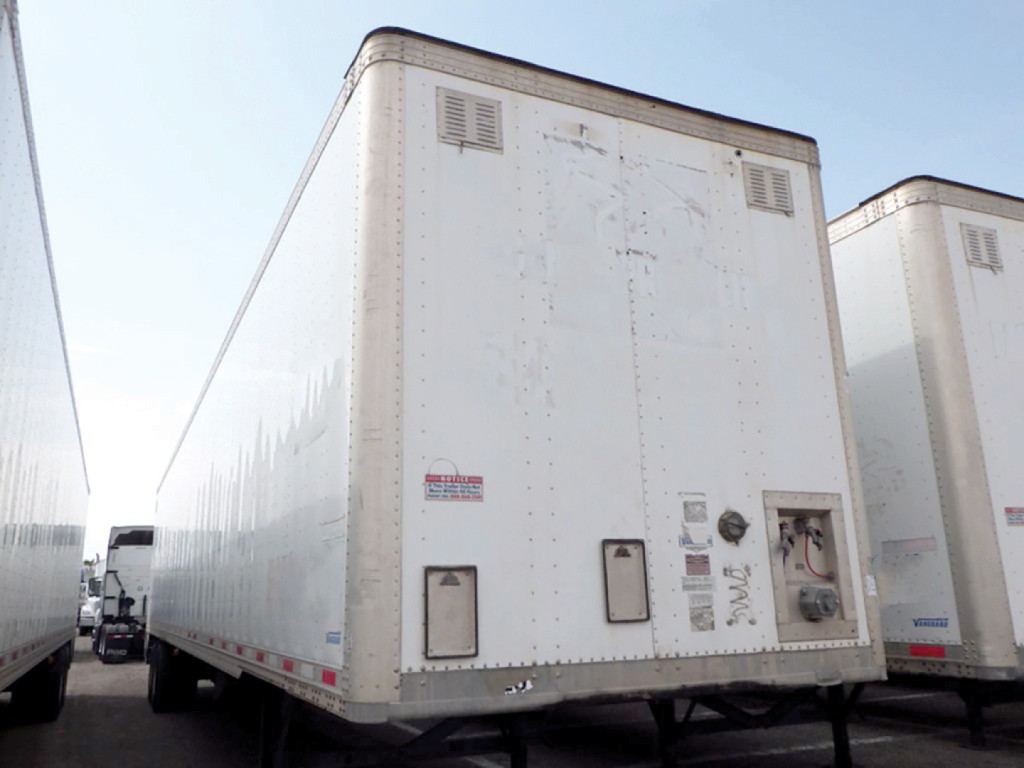
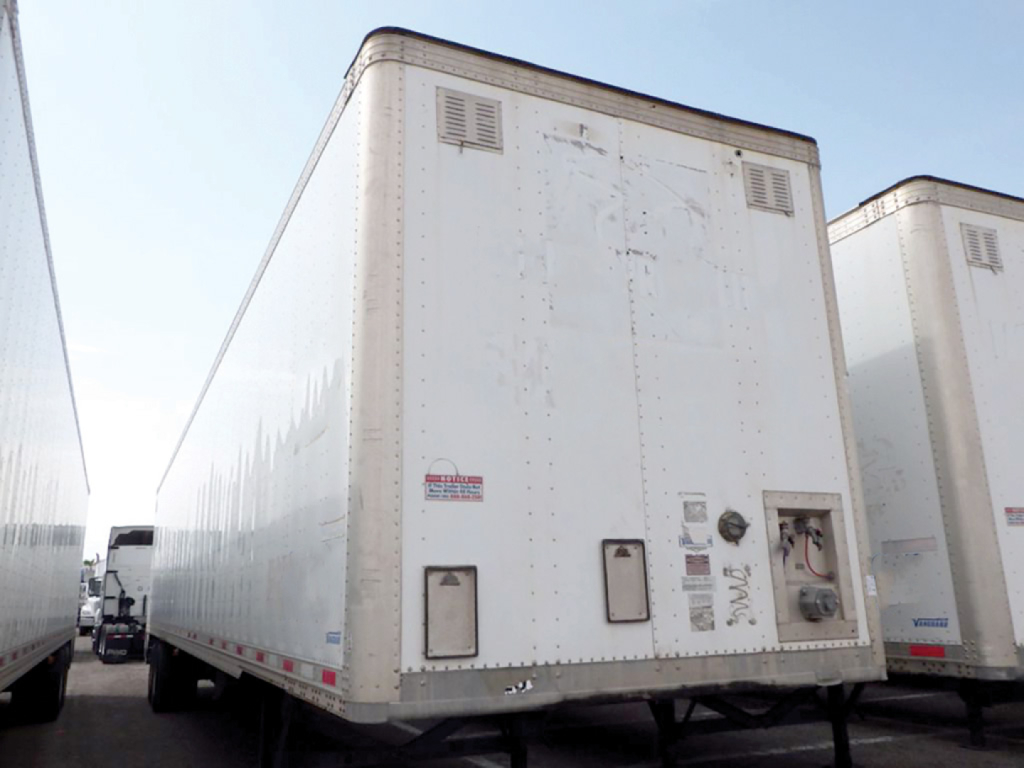
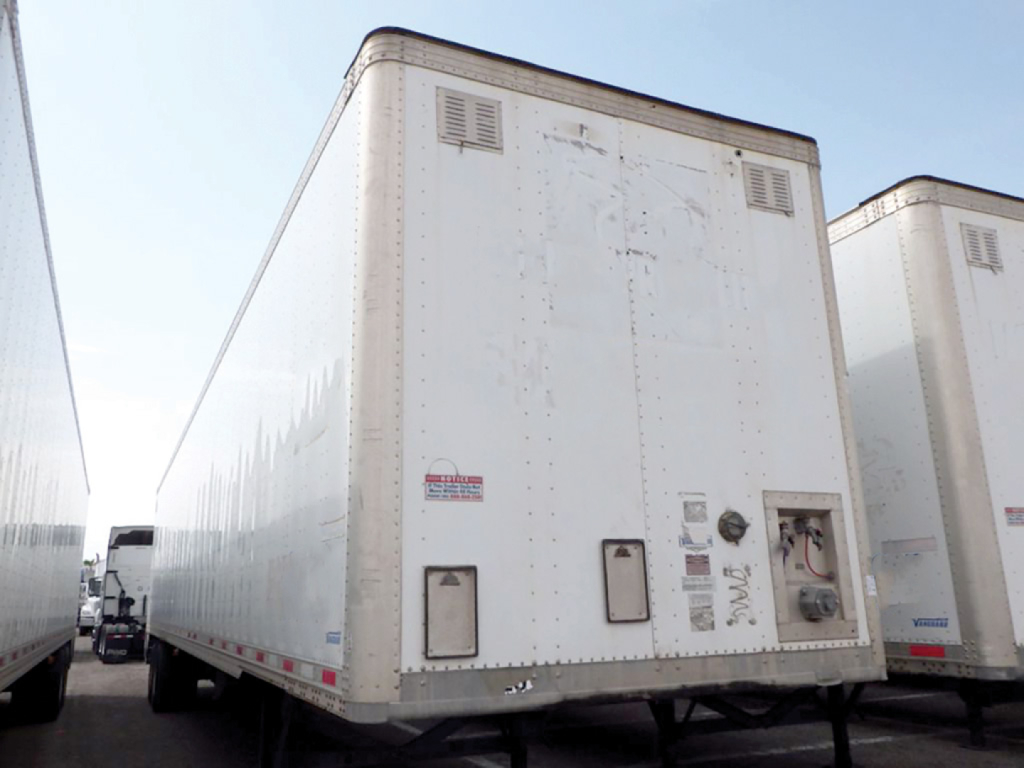
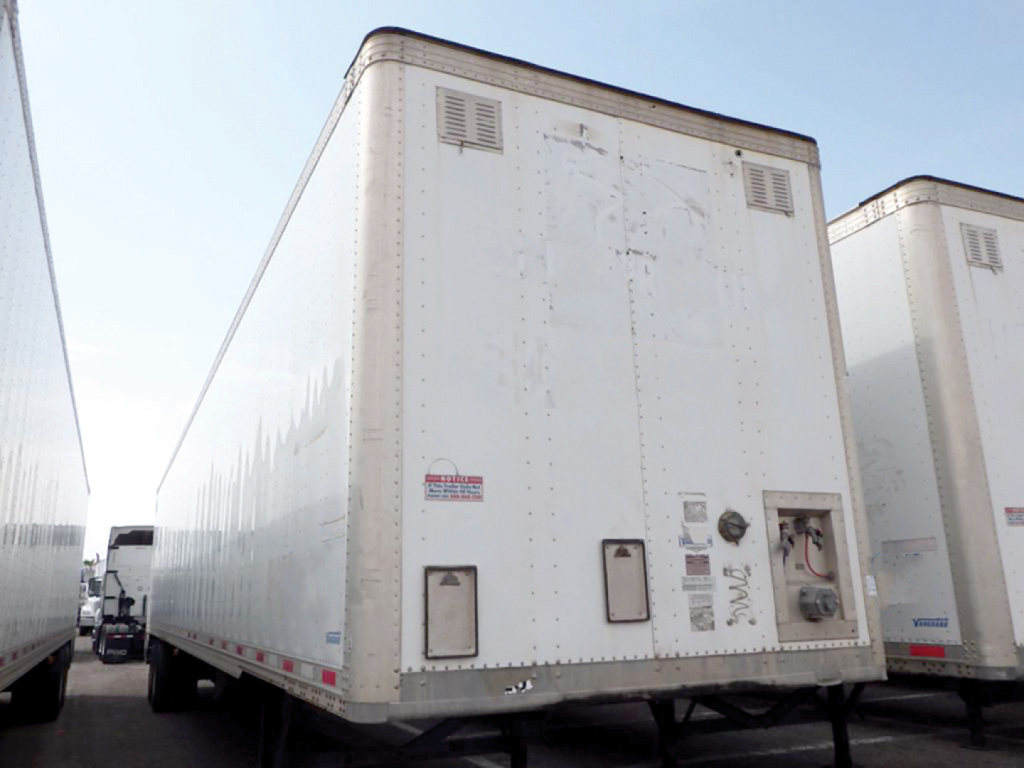
Looking for the easiest place to sell your hyundai trailer? List it here to reach thousands of buyers.
Hyundai Trailers in Nevada
The biggest spec differences usually come down to body construction and cargo-control setup. Hyundai dry vans are often found in aluminum or plate van construction, with wood floors, scuff liners or scuff plates, threshold plates, and either plywood or composite interior lining. Buyers hauling palletized freight should pay close attention to inside height, wall liner condition, floor wear, and the type of rear closure. Swing doors remain common for full dock access and simpler repair, while roll-up doors can be useful in tighter delivery environments but add weight and maintenance points. Logistics-equipped trailers are better suited for mixed freight because they allow faster load securement and more flexibility across different customer requirements.
Running gear and aerodynamic spec are just as important as the box itself. Many Hyundai vans are equipped with air ride, low-profile 22.5 tires, disc or steel wheels, tire inflation systems, and side skirts. For Nevada operations, that combination can help with ride quality, cargo protection, and fuel economy on long interstate runs. Sliding tandems are standard on most 53-foot vans and matter for bridge law compliance, dock positioning, and weight distribution. Buyers should also look at axle lift setups, brake type, rear frame condition, and corrosion protection around the rear sill, door frame, and front radius panels, especially on trailers that have seen heavy dock use or multi-state service.
A good Hyundai trailer choice comes down to freight type, loading pattern, and total lifecycle cost. For general dry freight, a clean van with straight rails, solid crossmembers, healthy floor thickness, and a well-maintained suspension package will usually matter more than cosmetic appearance. In the Nevada market, vented vans, galvanized rear components, and aerodynamic packages can be attractive for carriers running hot, dry routes with long highway miles. Hyundai trailers have a strong presence in fleet turnover channels, so buyers often have access to consistent specs across multiple model years, which can simplify maintenance planning and driver familiarity.
Frequently Asked Questions about Hyundai Trailers in Nevada
What types of Hyundai trailers are most common in Nevada?
The most common Hyundai trailers in Nevada are 53-foot dry van trailers, including aluminum van and plate van configurations. These are typically spec'd with 102-inch width, 13-foot-6 height, sliding tandems, air ride suspension, wood floors, and logistics-ready interior systems. They are well suited for general freight, retail distribution, and warehouse-to-warehouse hauling across long western routes.
What should I inspect first on a used Hyundai dry van trailer?
Start with the structural and cargo-contact areas. Check the floor for rot, delamination, thin spots, and forklift damage. Inspect crossmembers, side rails, rear frame, door frame, roof bows, and the front wall for repairs or impact damage. Then review suspension condition, axle alignment, brake wear, tire inflation system function, and tandem slide operation. Interior lining, scuff protection, and logistics track condition also matter if the trailer will be used for palletized or mixed freight.
Are Hyundai trailers a good fit for fleet and high-mileage operations?
Yes. Hyundai trailers are widely used in large fleets because they offer standardized specs, broad parts familiarity, and strong utility in dry freight service. Features such as air ride, sliding tandems, side skirts, and logistics interiors make them practical for long-haul and regional applications. Their prevalence in fleet service also helps resale and can make it easier to keep maintenance procedures consistent across multiple trailers.
What is the difference between an aluminum van and a plate van on a Hyundai trailer?
An aluminum van generally emphasizes lighter weight for payload efficiency, while a plate van uses plate-style construction that can offer a different durability profile depending on the application and build spec. The right choice depends on freight type, expected loading abuse, and weight sensitivity. Buyers hauling dense freight often compare tare weight closely, while operations with frequent dock contact or heavy cycle loading may focus more on body robustness and repairability.
Which trailer features matter most for long western runs in Nevada?
For Nevada and other western lanes, buyers usually prioritize air ride suspension, aerodynamic side skirts, low-profile tires, tire inflation systems, and durable rear components. Vented trailers can also help in hot, dry climates depending on cargo. A reliable tandem slide, solid brakes, and clean undercarriage condition are important for long-distance highway use, while a logistics-equipped interior adds flexibility if freight mix changes from load to load.