
2018 Trailers For Sale in Nevada
Browse 2018 used trailers for sale in Nevada, including dry vans and reefers with common specs, suspension, tandem, and floor options.
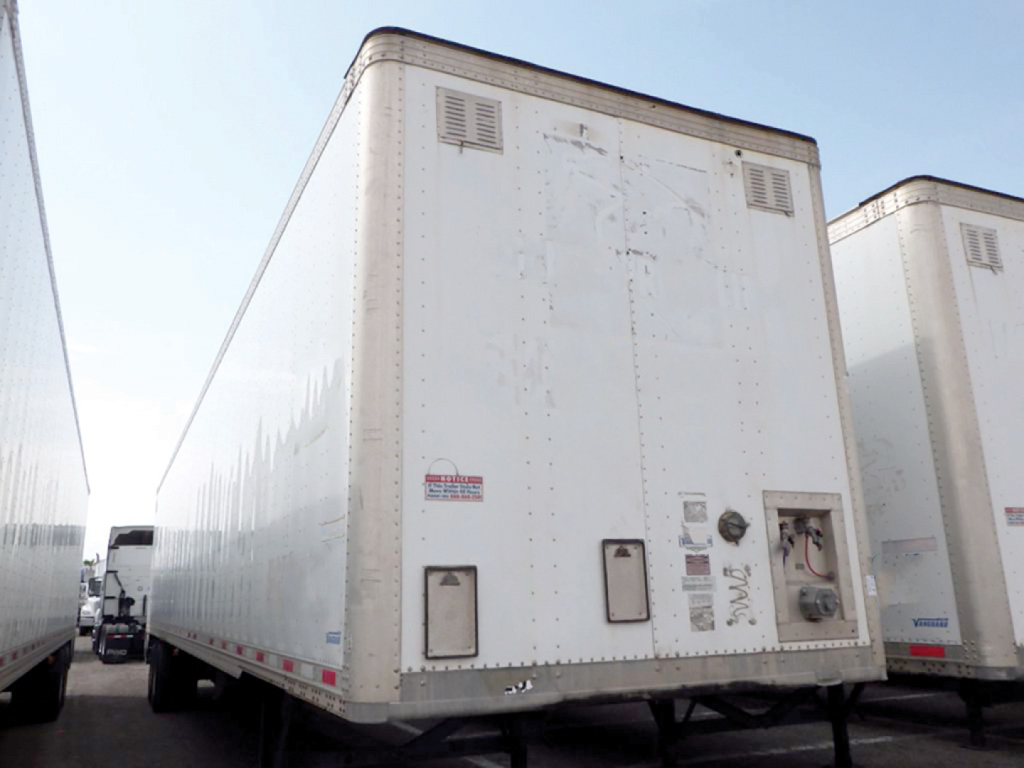
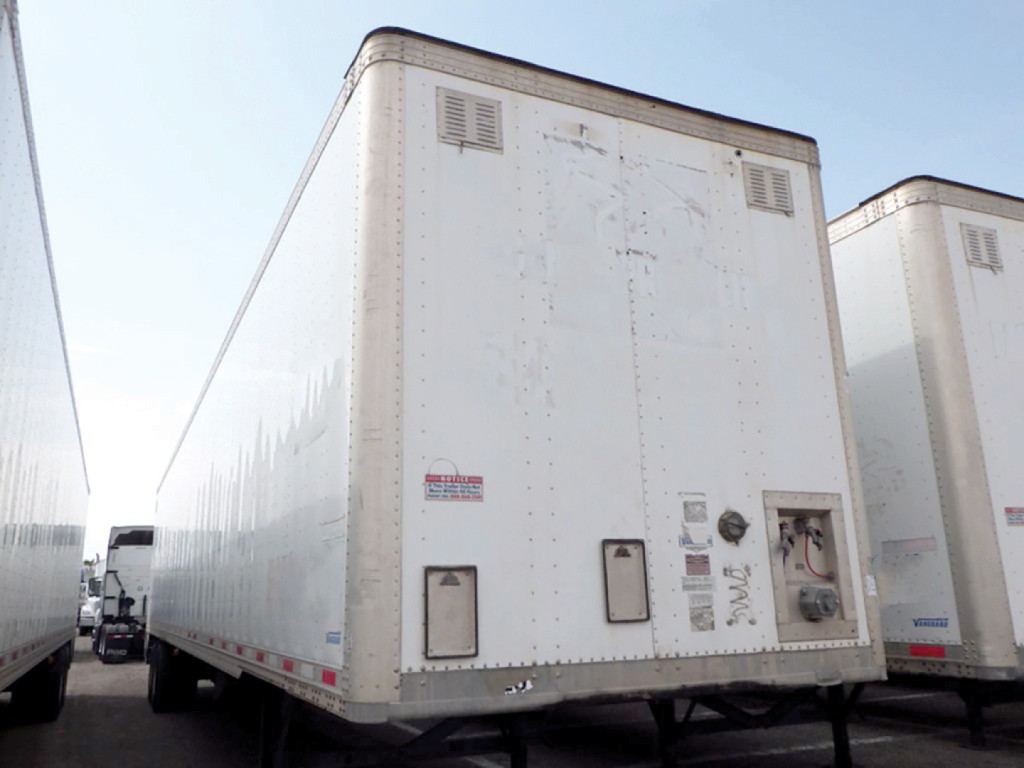
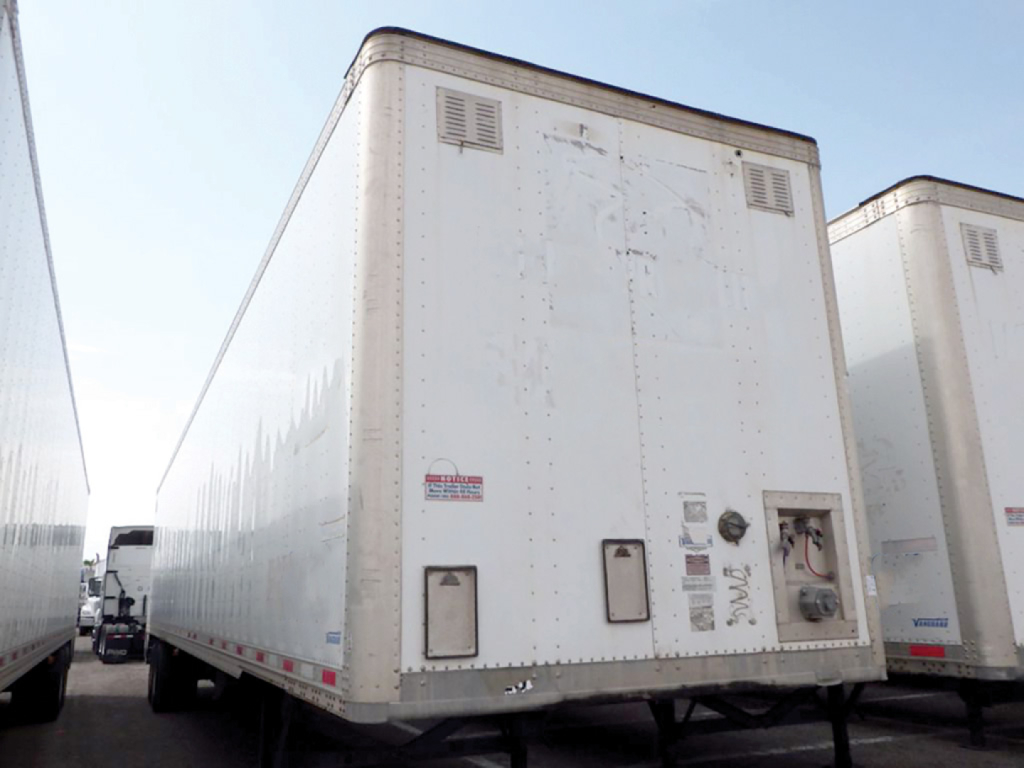
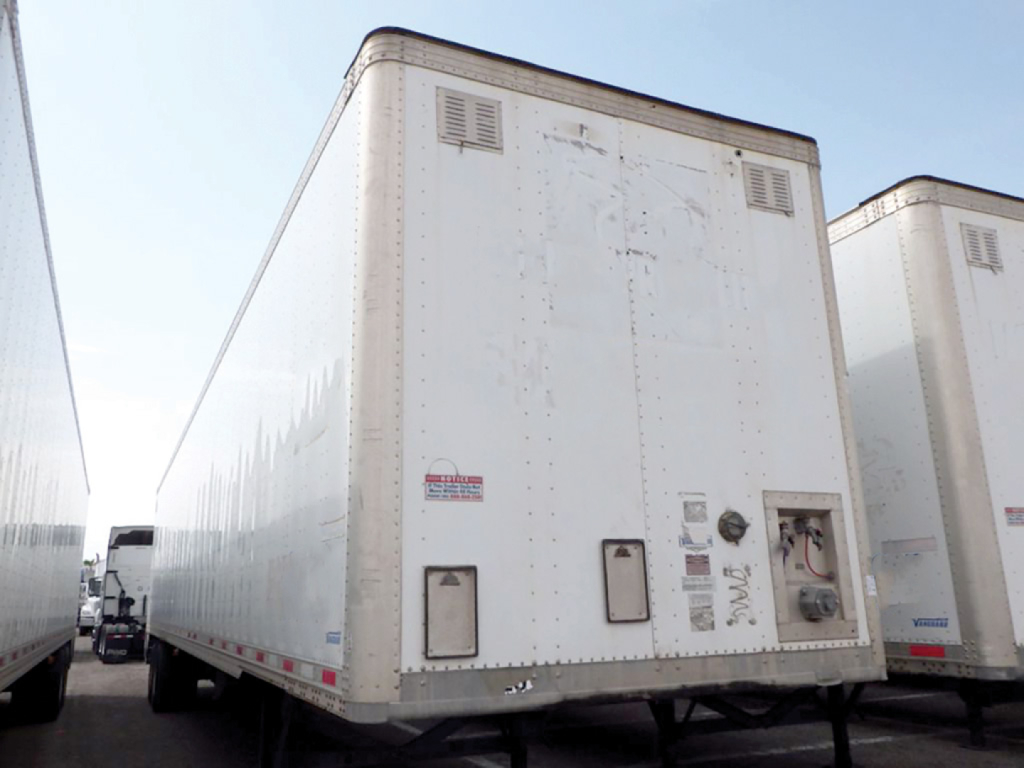
Looking for the easiest place to sell your 2018 trailer? List it here to reach thousands of buyers.
2018 Trailers in Nevada
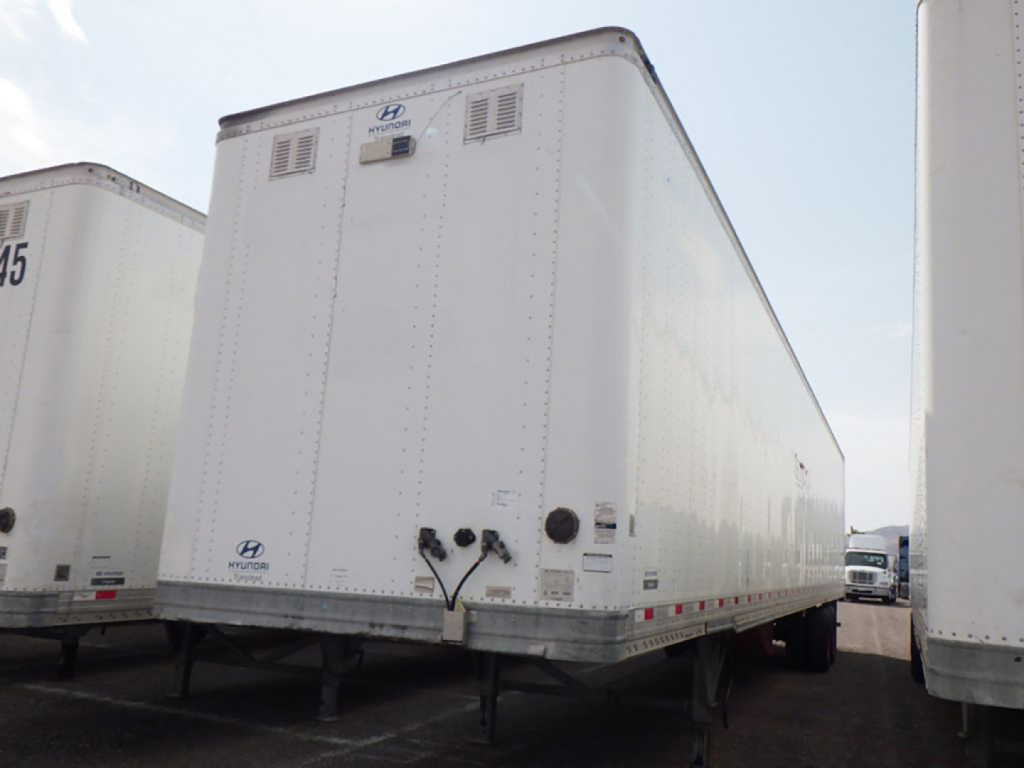
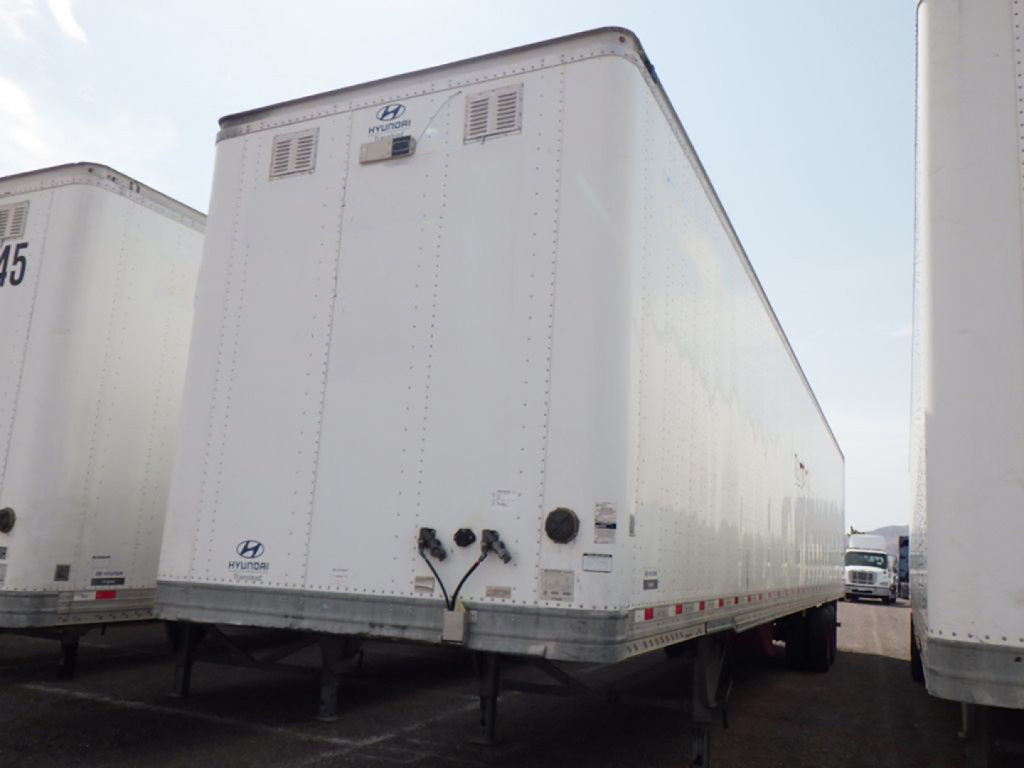
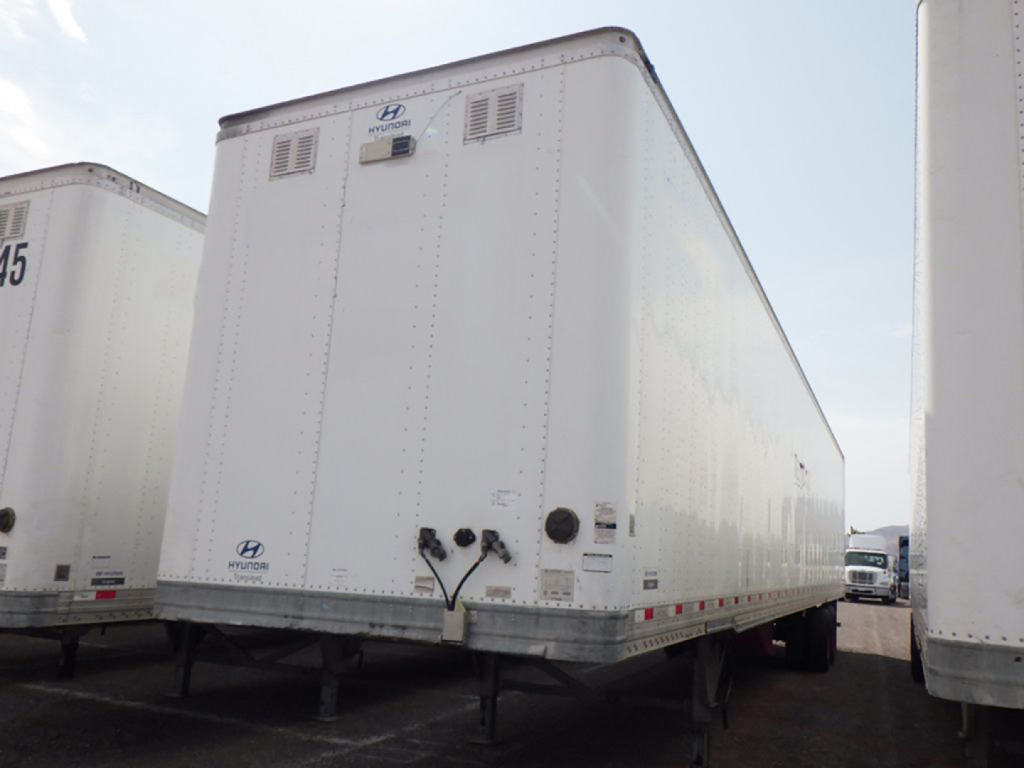
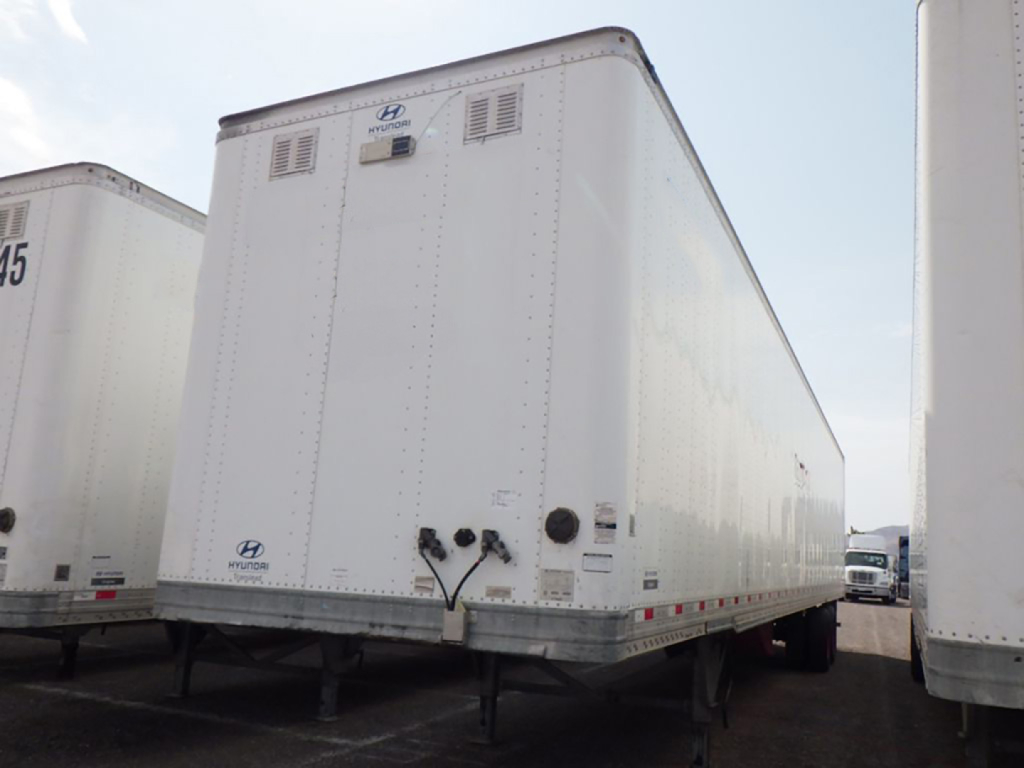
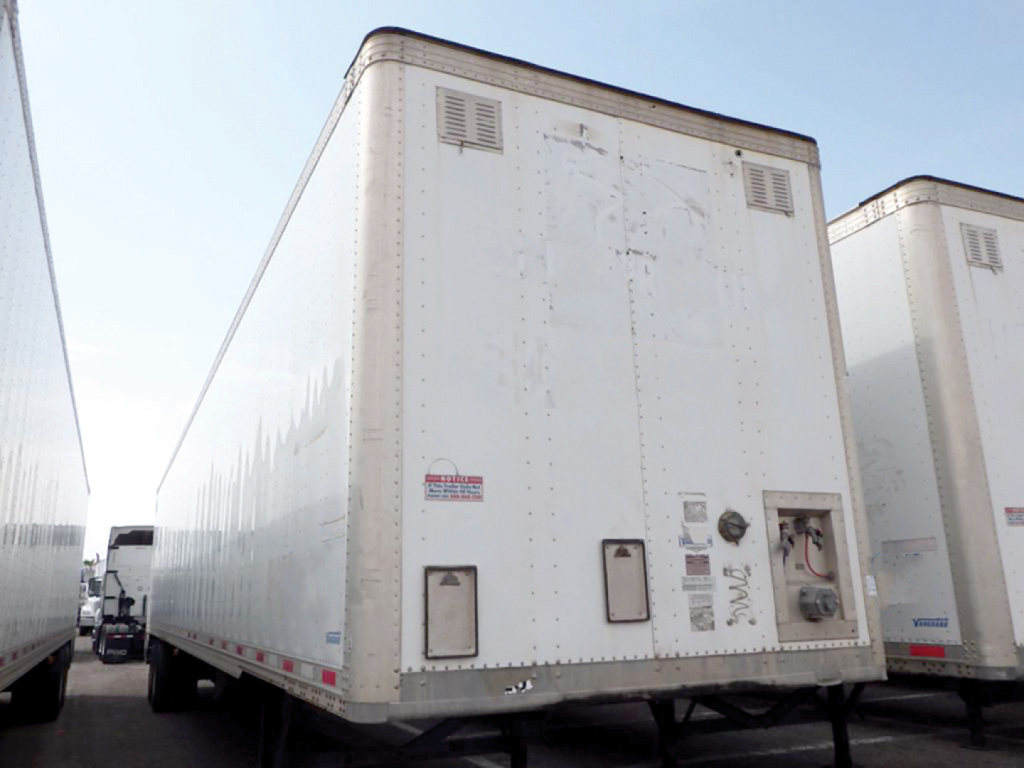
For dry van trailers, the most common configuration is a 53-foot van at 102 inches wide and 13 feet 6 inches overall height. Key buying points are wall construction, floor condition, inside height, and cargo control setup. Plate vans and composite or DuraPlate-style vans are popular because they balance durability with lighter empty weight. A wood floor remains common and practical, but it should be checked for forklift damage, soft spots, and patched sections. Logistics tracks, scuff liners, threshold plates, galvanized rear frames, stainless front corners, and side skirts all add value depending on the lane and the freight profile. Swing doors are still standard on many fleet vans, and sliding tandems matter if the trailer will run California, Nevada, or multi-state bridge law routes.
For reefer trailers, a 2018 model can still be a strong candidate for grocery, produce, dairy, frozen freight, or dedicated foodservice work if the refrigeration unit and trailer body have been maintained correctly. Buyers should focus on reefer unit hours, maintenance records, evaporator and condenser condition, floor wear, door seal condition, and the overall integrity of the insulated body. Common specs include aluminum construction, duct or heavy-duty aluminum floors, cold chutes, rear vents, and 22.5 low-profile tires. In hot, dry regions like southern Nevada, pre-cooling performance and the ability to hold setpoint in high ambient temperatures are especially important.
Across trailer types, a 2018 unit should be evaluated around suspension, axle alignment, wheel-end condition, brake life, and tandem slider operation as much as cosmetics. Air ride is preferred for many general freight applications because it helps protect cargo and supports broader shipper acceptance, while spring ride may still make sense for lower-cost van service. Buyers comparing 2018 trailers should also look at inside height, empty weight, wheel material, tire spec, and whether the trailer is set up for the freight they actually haul. A well-maintained 2018 trailer can still deliver solid utilization in regional or over-the-road service, especially when the spec matches lane requirements and loading practices.
Frequently Asked Questions about 2018 Trailers in Nevada
What should I look for when buying a 2018 trailer?
Start with the structure and running gear before focusing on appearance. Check the roof, sidewalls, rear frame, floor, crossmembers, suspension, axle alignment, brakes, tires, and wheel ends. On dry vans, pay close attention to floor wear, scuff damage, door operation, and logistics track condition. On reefers, review unit hours, service history, insulation integrity, chute condition, and temperature-holding performance. A 2018 trailer can still be a good value if the maintenance history is solid and the spec fits the intended freight.
Is a 2018 trailer still a good age for fleet or owner-operator use?
Yes, a 2018 trailer is often considered a practical middle-ground unit. It is typically modern enough to include desirable fleet specs such as air ride, sliding tandems, tire inflation systems, and higher interior cube, while still being priced below newer model years. The real value depends less on age alone and more on prior use, maintenance discipline, and how well the trailer body and running gear have held up.
What are the most common specs on 2018 dry van trailers?
Many 2018 dry vans are 53 feet long, 102 inches wide, and 13 feet 6 inches tall. Common features include air ride suspension, sliding tandems, swing doors, wood floors, scuff plates, threshold plates, logistics posts, and 22.5 low-profile tires. Buyers may also see plate vans, composite-lined vans, side skirts, galvanized rear structures, and aluminum or steel disc wheels. Inside height is important if cube utilization matters for the freight mix.
What matters most on a 2018 reefer trailer?
The refrigeration unit and insulated body matter most. Check engine hours, run hours, service records, fuel system condition, evaporator and condenser cleanliness, floor wear, chute condition, and rear door seals. A reefer that cannot pull down temperature quickly or hold setpoint under load in high ambient heat can become expensive fast. In Nevada service, strong cooling performance in desert conditions is especially important.
Why does a sliding tandem matter on a 2018 trailer?
A sliding tandem gives the operator more flexibility for axle weight distribution and bridge law compliance. That matters on multi-state lanes and in freight environments where load placement changes from stop to stop. A tandem slider should move freely, lock correctly, and show no signs of heavy corrosion, damaged rails, or worn locking components. Poor slider condition can create downtime and limit where the trailer can be used legally and efficiently.