
Used McLendon Trailers For Sale
Compare used McLendon trailers for sale by frame condition, FT45L bunk layout, axle ratings, and brake wear before choosing a timber-hauling setup.
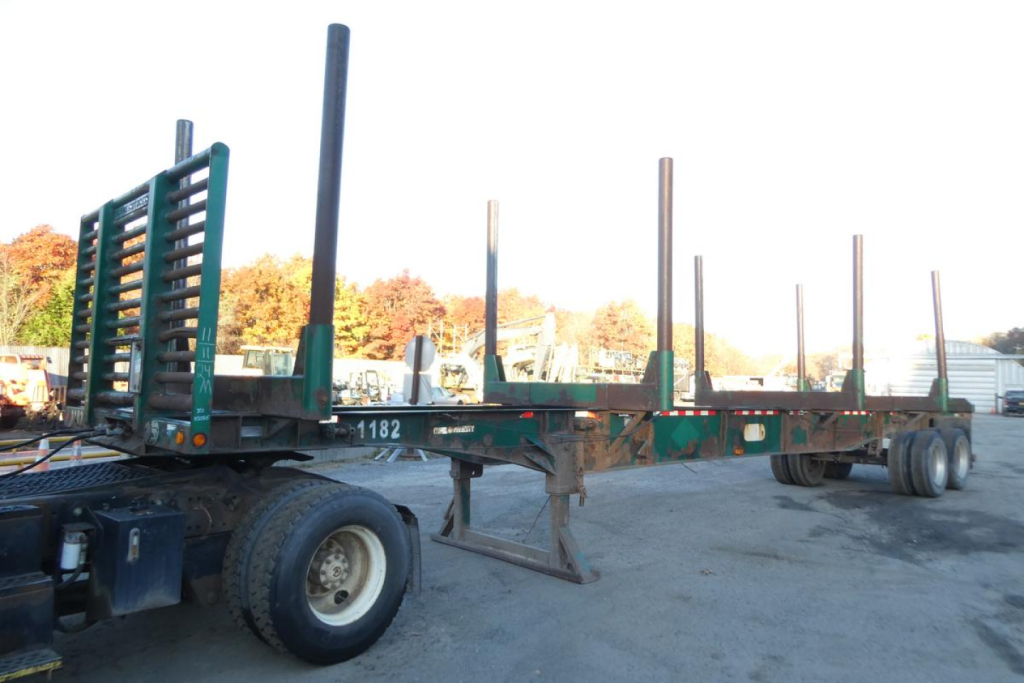
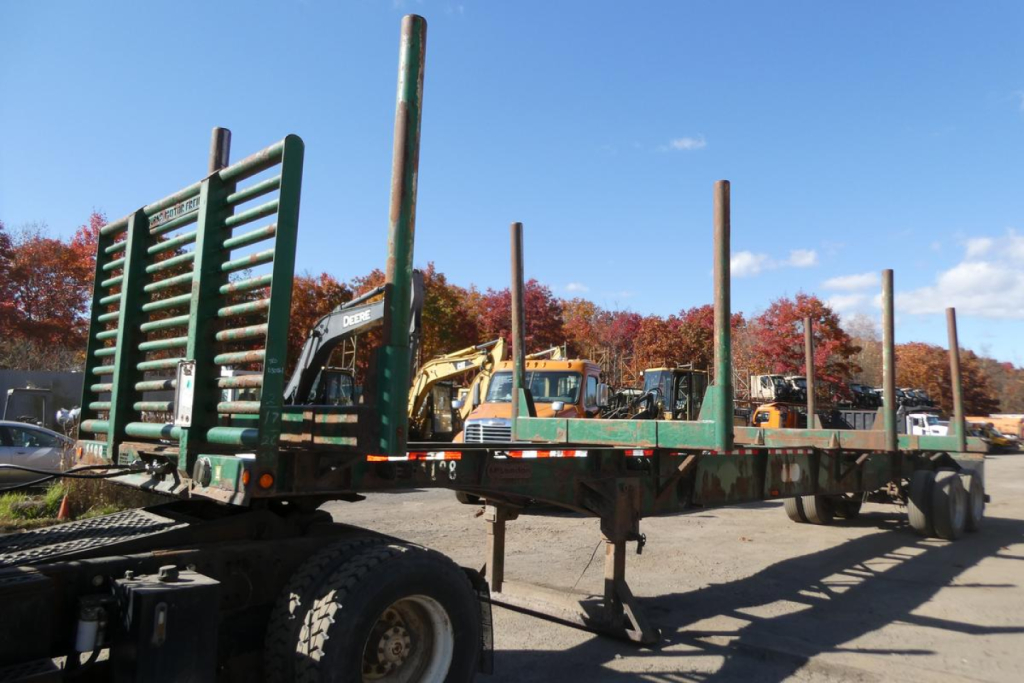
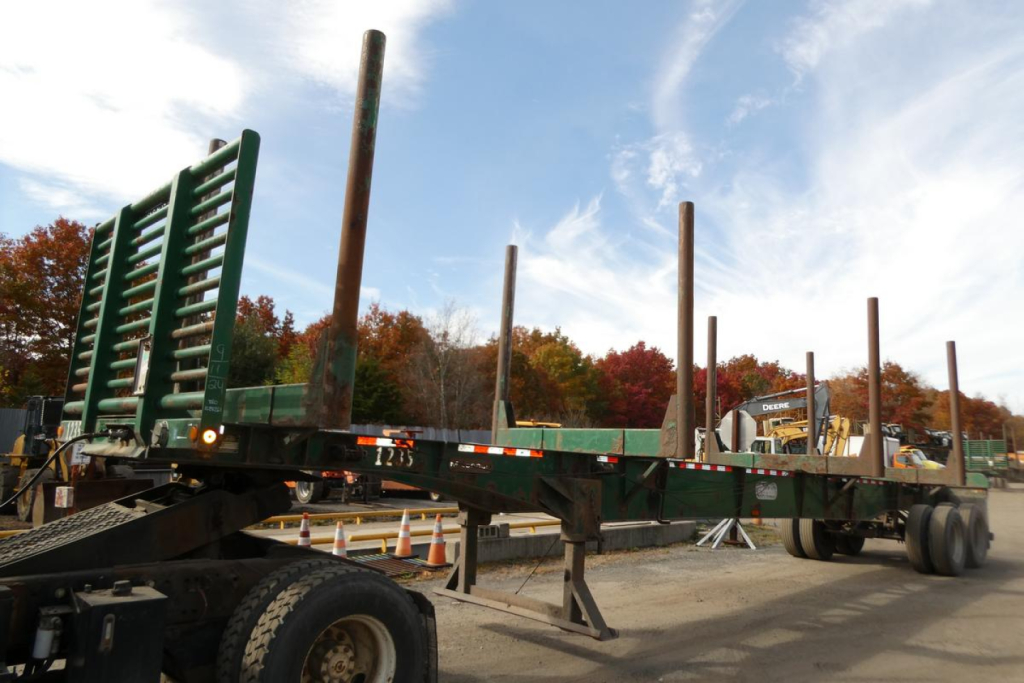
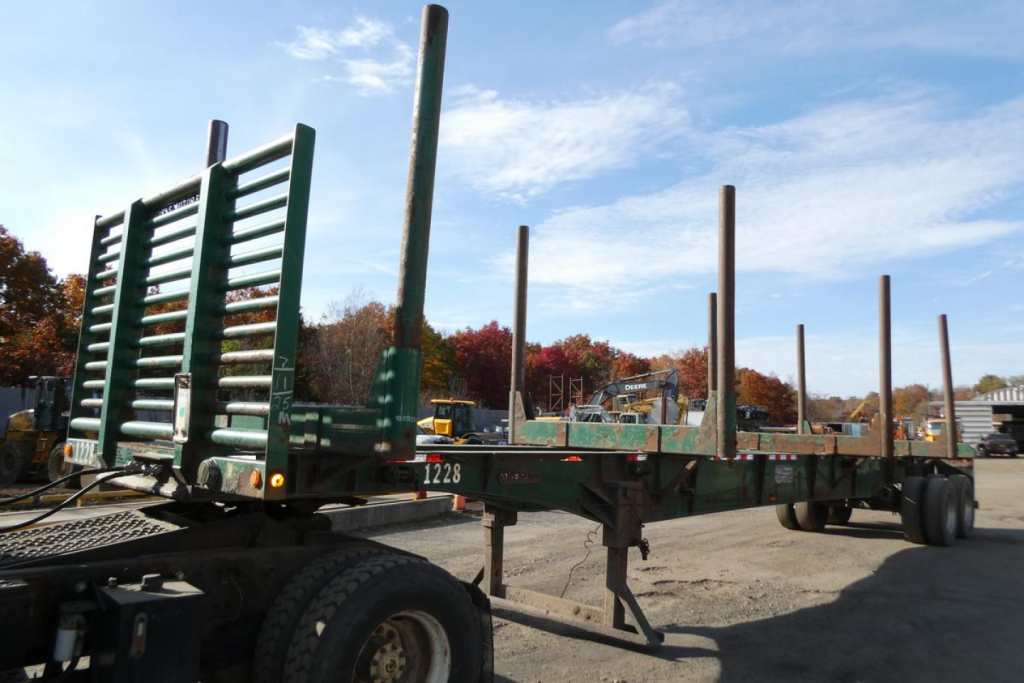
Selling a used mclendon trailer? List your used mclendon trailer for sale and reach thousands of commercial buyers.
Used McLendon Trailers
On a used trailer, inspect the upper coupler plate, kingpin, main rails, crossmembers, and suspension hangers before judging tires and cosmetics. Log-hauling configurations also need close examination at bunk mounts, stakes, headboards, winch brackets, and securement anchors, where loading impacts and repeated frame twist can leave cracks or distorted steel. Check spring leaves, equalizers, bushings, and axle alignment on spring-ride models. Request brake and bearing service records, verify lining and drum condition, and test for air leaks. Fresh paint over pitted rails or undocumented weld repairs warrants a closer structural inspection, not an assumption that the trailer has been refurbished.
Operating history matters across the United States and Canada. Northern road salt can attack steel around suspension attachments and trapped-mud areas, while logging roads accelerate wear in hangers and wheel ends. Check state or provincial length, axle-spacing, and seasonal weight restrictions for the intended route, especially where forestry exemptions apply only to defined operations. Match registration documents and the VIN plate before purchase, and distinguish original ratings from later modifications.
Frequently Asked Questions about Used McLendon Trailers
Does an 80,000-pound GVWR mean a McLendon trailer can carry 80,000 pounds of logs?
No. An 80,000-pound GVWR on a McLendon trailer is a rated maximum loaded trailer weight, not an 80,000-pound cargo allowance. Actual payload must account for trailer tare weight, tractor and trailer axle loading, tire ratings, and the route's legal combination weight. The standard 80,000-pound federal Interstate combination limit is a separate constraint, and state forestry exceptions or Canadian provincial rules do not automatically apply to every route.
Do I need a wet kit to pull a McLendon log trailer?
A conventional McLendon log trailer with fixed bunks does not need a tractor wet kit merely to carry logs. Air brakes and road lighting require compatible air and electrical connections; powered loaders, self-unloading equipment, or other hydraulic accessories change the requirements. Confirm how any fitted equipment is powered, and check tractor fifth-wheel height, swing clearance, and landing-gear clearance before pairing the combination.
Should an older McLendon trailer have ABS?
An air-braked McLendon semitrailer manufactured on or after March 1, 1998, generally falls under the U.S. trailer ABS requirement. Confirm the build date, ABS identification, warning lamp operation, wiring, and wheel-speed sensor condition. A trailer can have serviceable foundation brakes while still carrying an ABS fault, so include an ABS diagnostic check rather than relying only on a brake-stroke inspection.
Can I convert a McLendon log trailer into a flatbed for hauling equipment?
A bunk-style McLendon log trailer should not be treated as a flatbed simply by laying a deck across the frame. Concentrated equipment loads, ramp forces, deck support, and cargo securement require engineering beyond the original log-carrying layout. Obtain original manufacturer documentation and a qualified engineering review before conversion, including any necessary changes to ratings, identification labels, and registration classification.