
Mac Trailers For Sale in Pennsylvania
Browse Mac trailers for sale, including aluminum flatbeds, Conestoga-equipped platforms, and dry bulk pneumatics built for hard use.
Selling a mac trailer? List your mac trailer for sale and reach thousands of commercial buyers.
Mac Trailers in Pennsylvania
Frequently Asked Questions about Mac Trailers in Pennsylvania
What are the most common Mac trailer types on the used market?
Mac is especially common in aluminum flatbeds, Conestoga-equipped platform trailers, dump trailers, and pneumatic dry bulk trailers. In a market like Pennsylvania, flatbeds and curtain-style or rolling tarp platform trailers are popular because they handle steel, building products, machinery, and weather-sensitive freight. Dry bulk Mac trailers are also common for hauling cement, sand, lime, and similar commodities where lightweight aluminum construction helps maximize payload.
Why do buyers look for aluminum Mac flatbeds?
Aluminum Mac flatbeds are popular because they reduce tare weight and resist corrosion better than steel in many operating environments. That matters for fleets hauling dense freight where every pound of payload counts, and it also matters in regions that see road salt and wet conditions. Buyers should still inspect the trailer carefully for floor wear, cracked welds, side rail damage, bulkhead condition, and repairs around crossmembers, suspension hangers, and rear frame sections.
What should I inspect on a used Mac Conestoga or rolling tarp trailer?
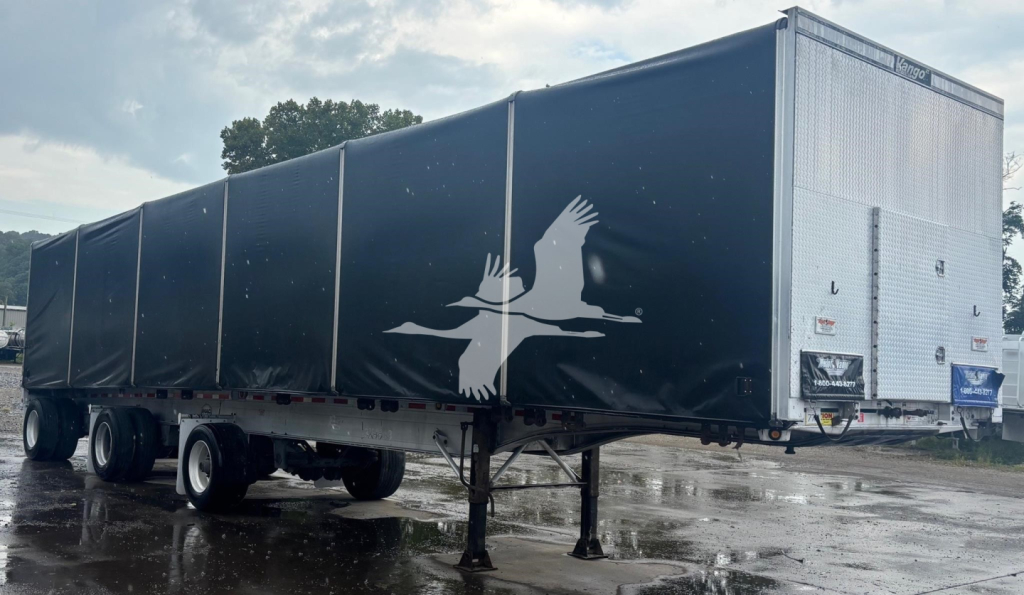
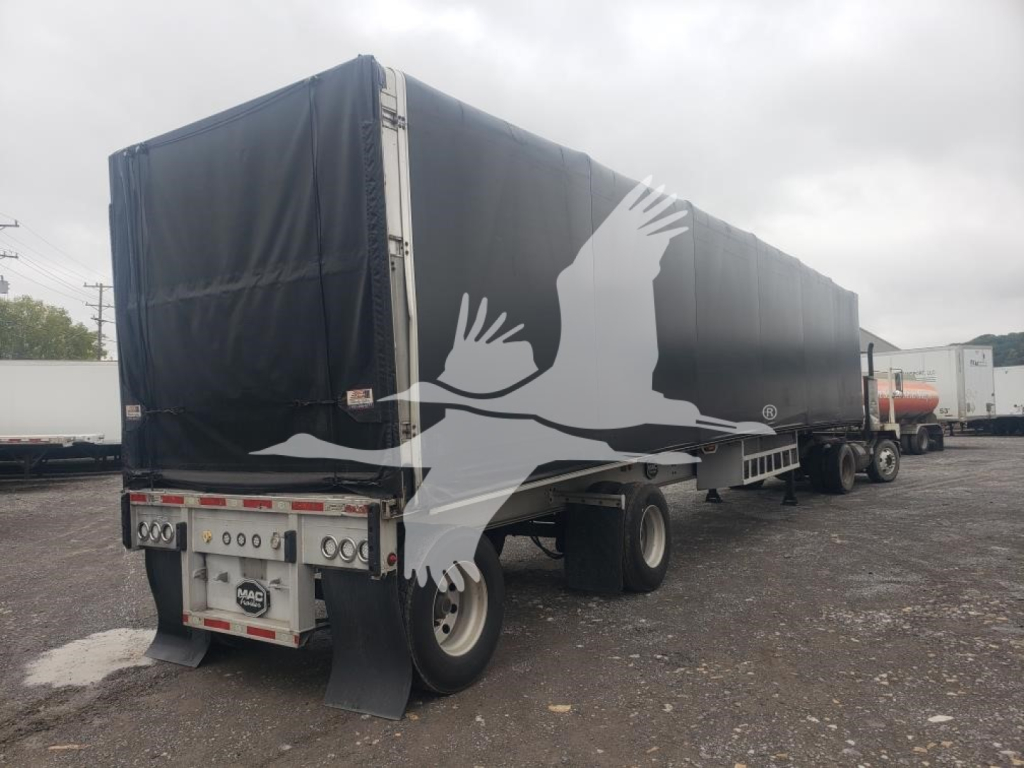
The tarp system should be checked as closely as the trailer itself. Look at bow alignment, roller operation, track wear, tarp fabric condition, rear closure, and any signs the frame has been twisted or racked. On the trailer side, inspect the aluminum deck, nailing strips, winch track, sliding winches, coil package, bulkhead, landing gear, and air ride suspension. A clean tarp system is important, but smooth operation and structural condition matter more than cosmetics.
What matters most when buying a used Mac pneumatic dry bulk trailer?
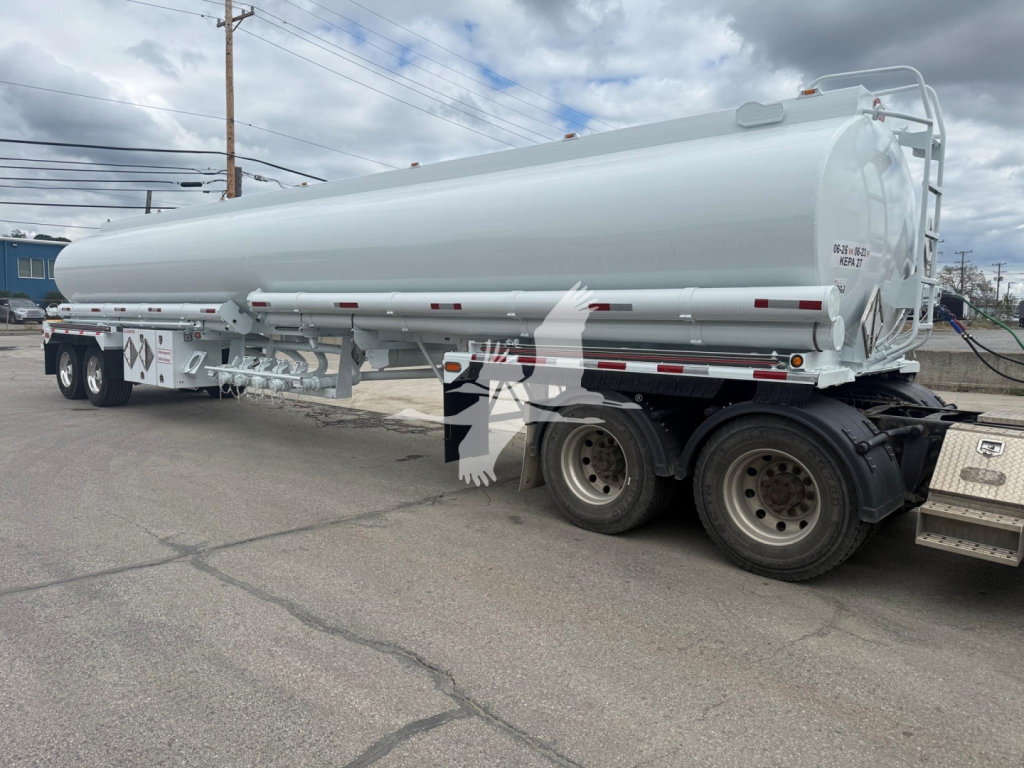
For a pneumatic Mac trailer, capacity, discharge layout, and system condition are the key issues. Buyers typically compare cubic foot capacity, number of hoppers, barrel material, aeration setup, piping material, valve condition, and rear discharge arrangement. You also want to inspect the blower-related plumbing interfaces, manholes, hose tubes, fittings cabinet, suspension, and any signs of product contamination or barrel repairs. A lightweight aluminum barrel is valuable, but the trailer still needs airtight integrity and dependable valve performance to stay productive.
Are Mac trailers a good fit for Pennsylvania and Northeast operations?
Yes. Mac trailers are a strong fit for Pennsylvania and the broader Northeast because aluminum construction helps with corrosion resistance in salted winter conditions, and many Mac specs are practical for regional freight. Flatbeds with coil packages are well suited to steel and industrial loads, while Conestoga-style setups help protect freight from weather. As with any used trailer in this region, close attention should be paid to frame condition, brake and tire wear, suspension components, and signs of corrosion around mixed-metal contact points.