
Used Lowboy Trailers For Sale
Browse used lowboy trailers with hydraulic or mechanical detach options, low deck heights, and heavy-haul capacity for construction equipment.
Learn moreBrowse Lowboy Trailers by Make
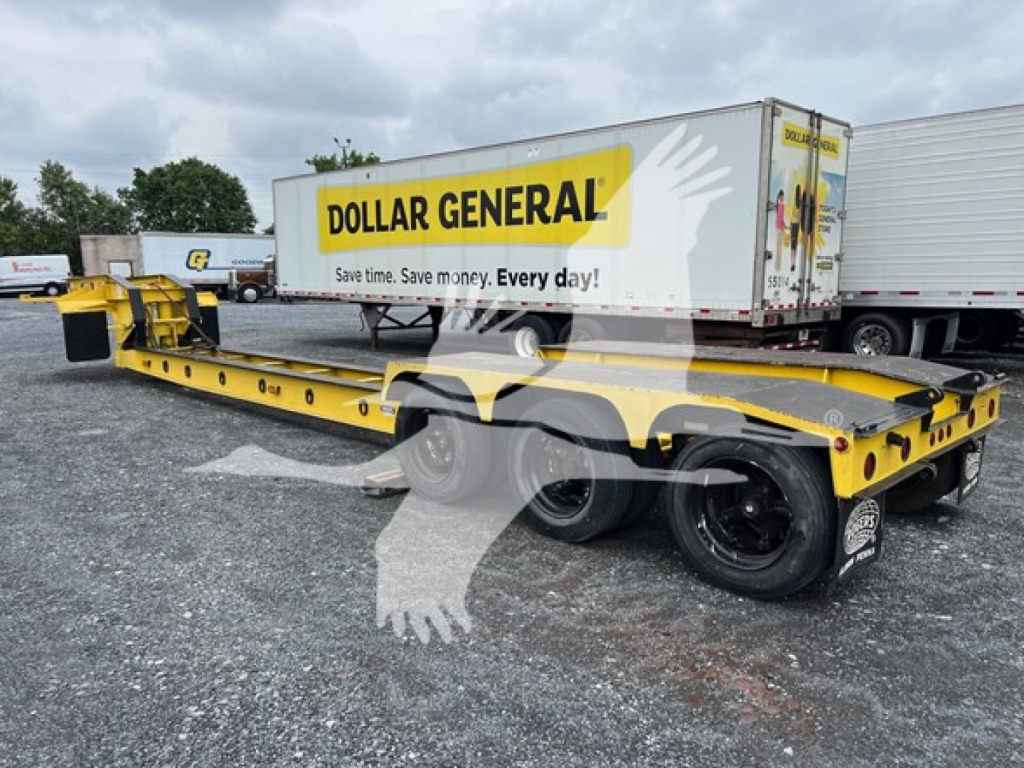

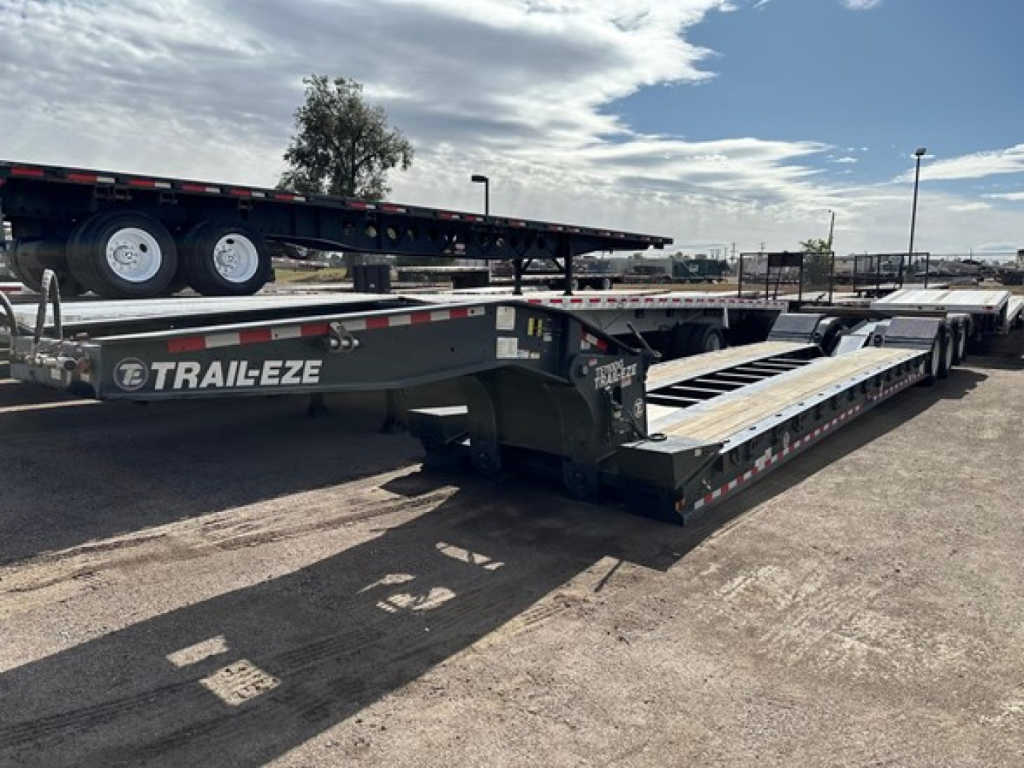
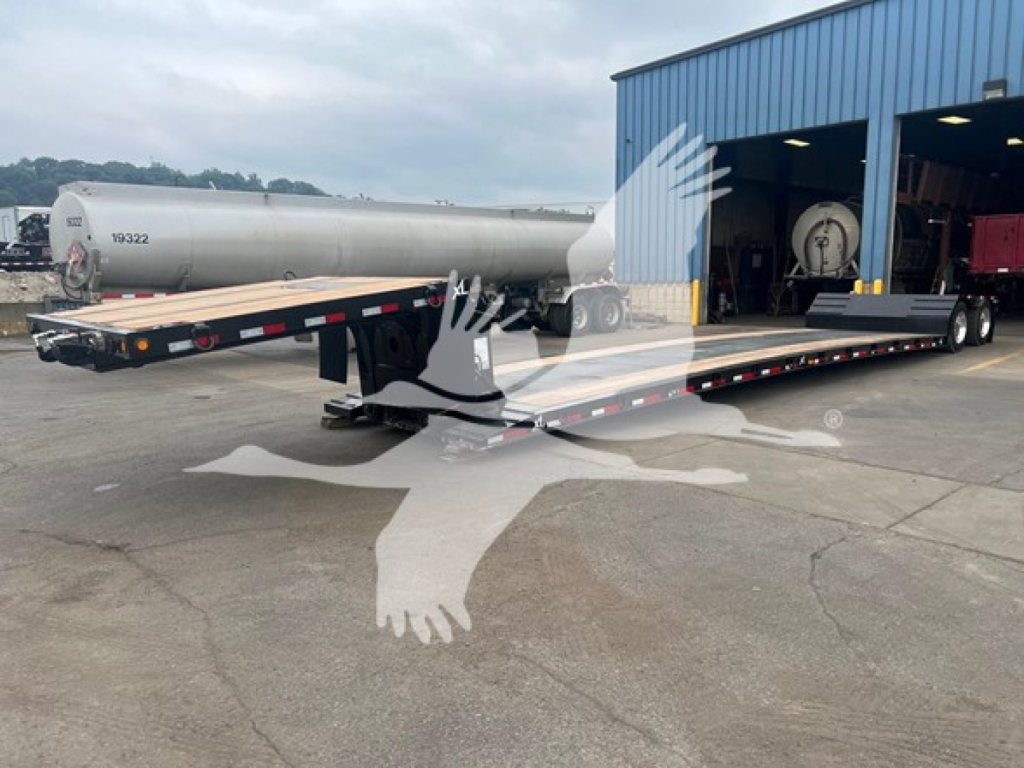
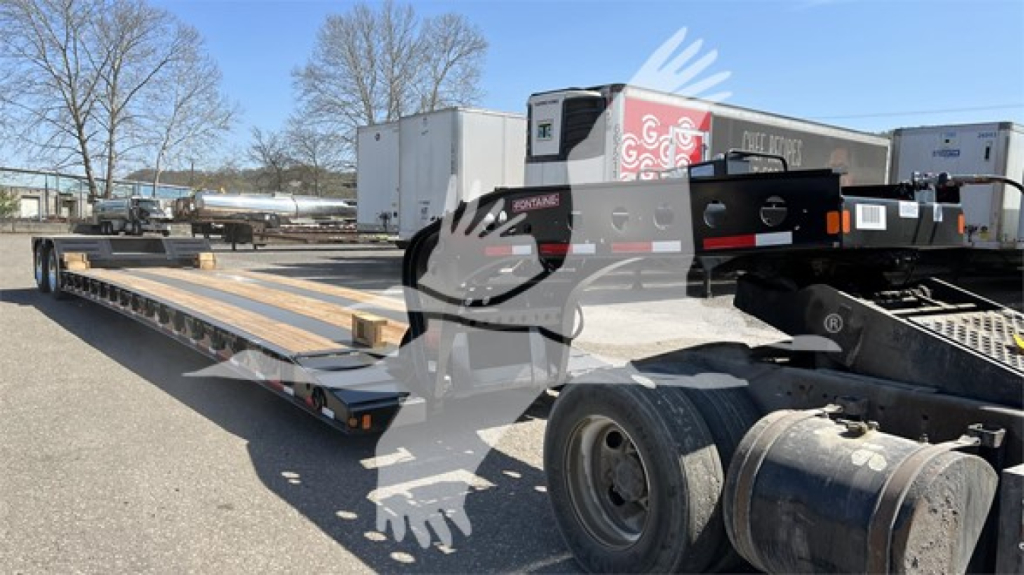
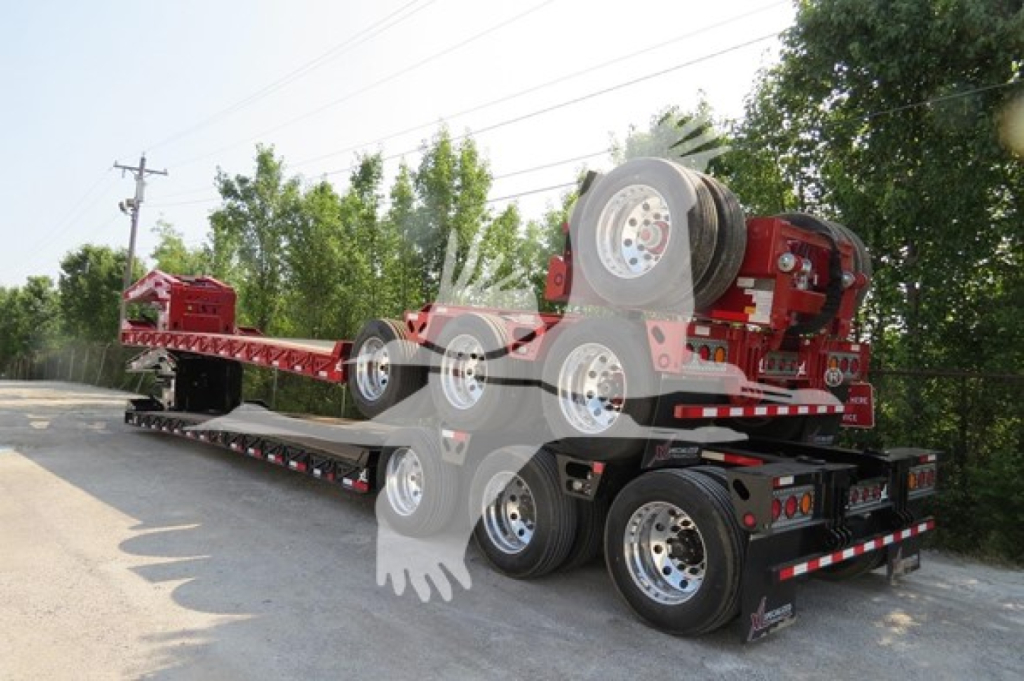
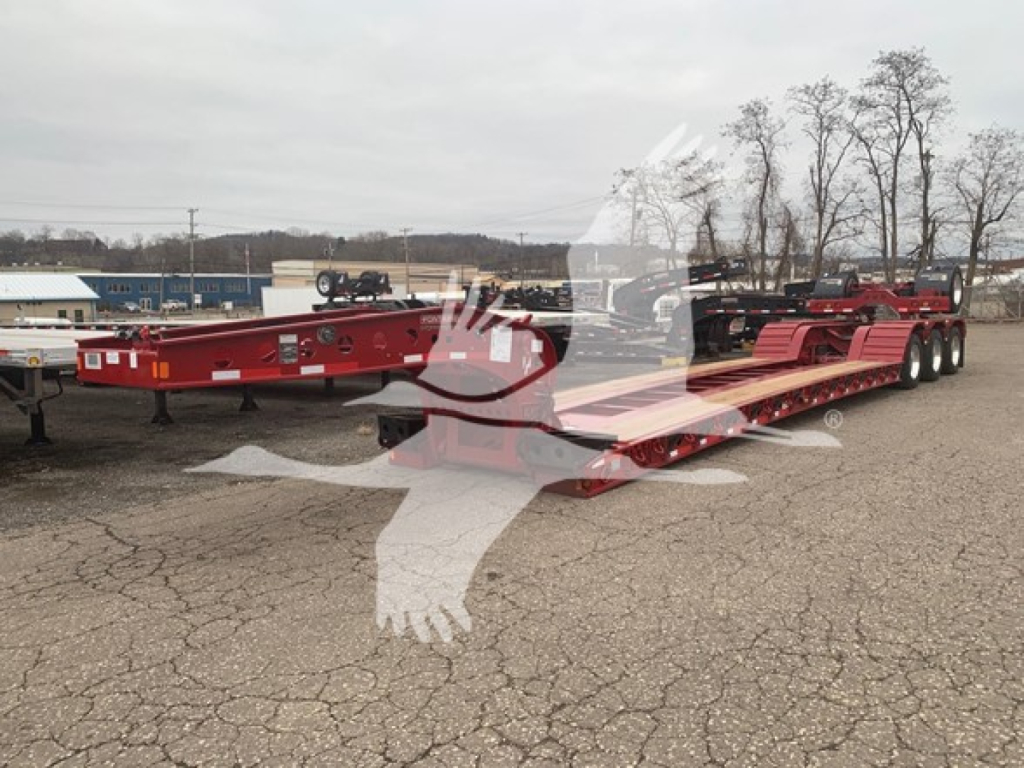
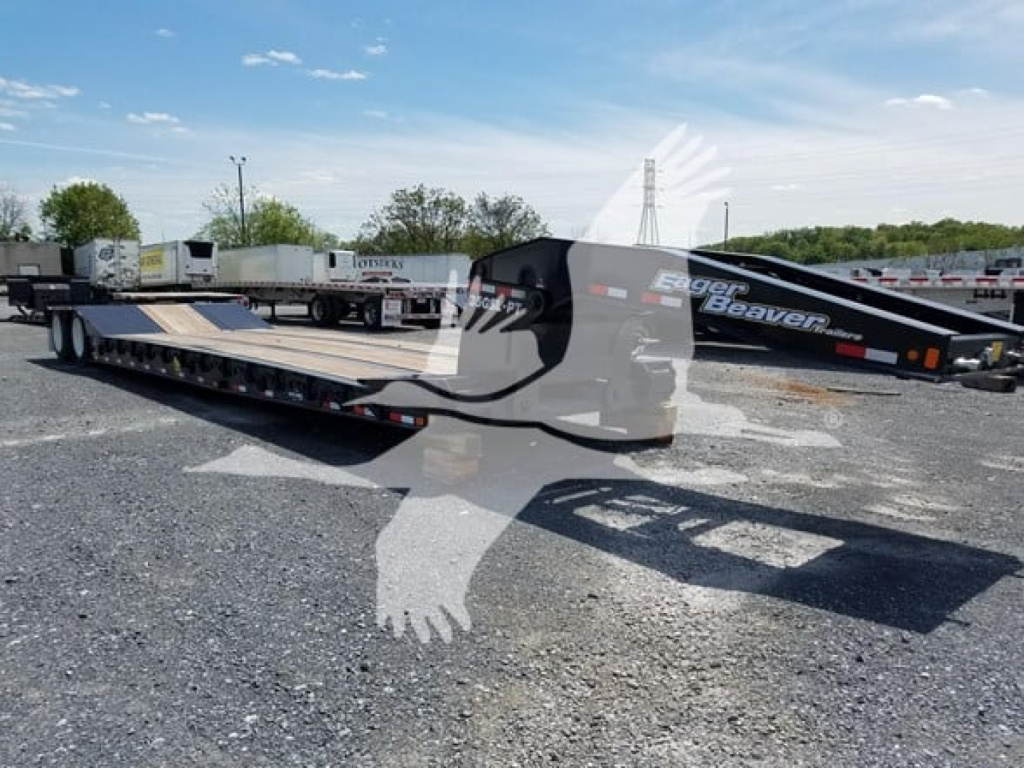
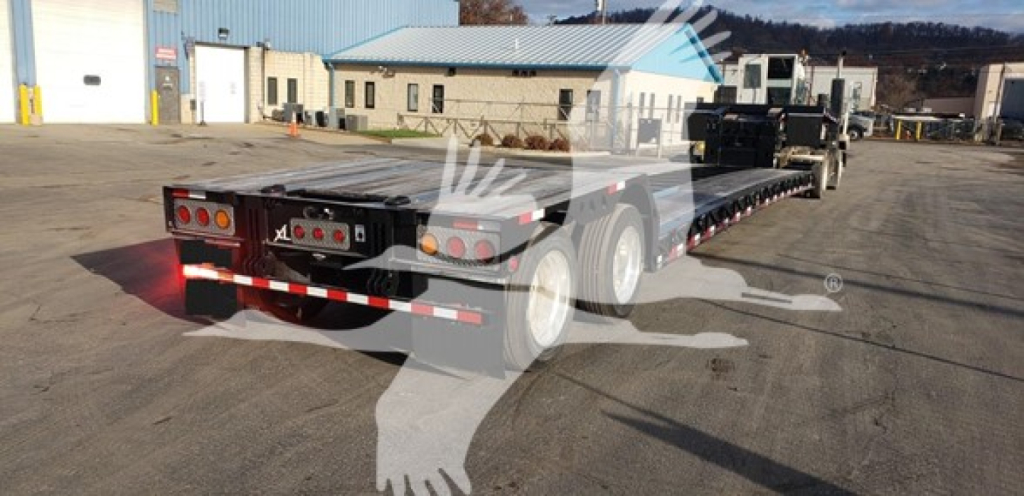
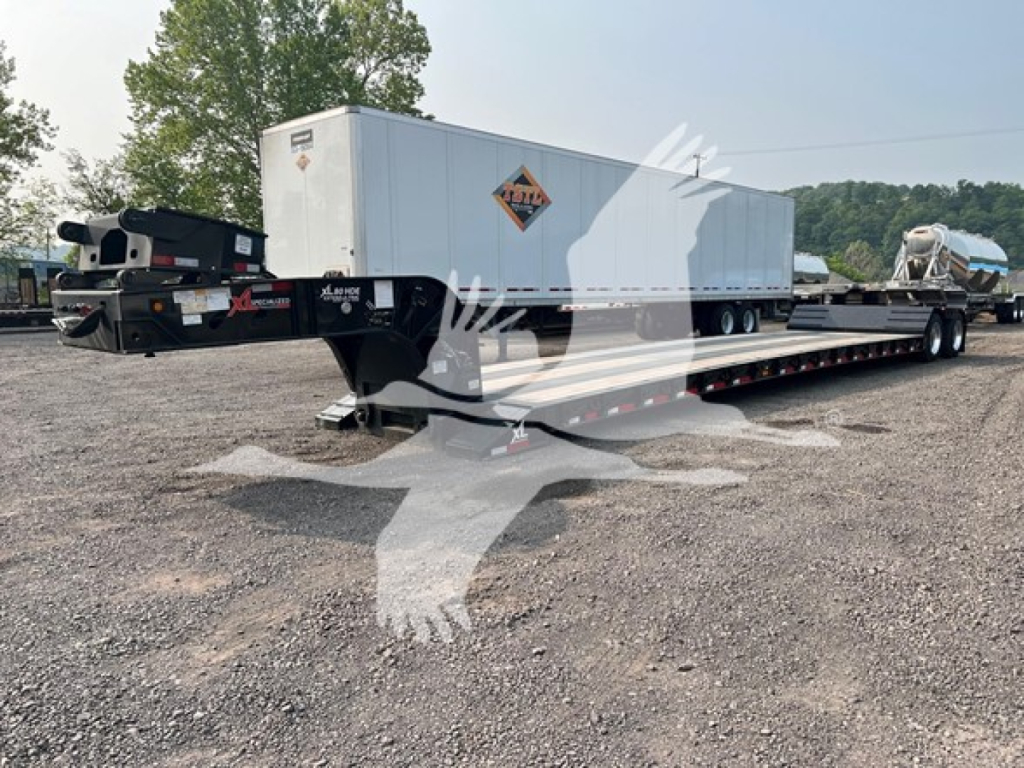
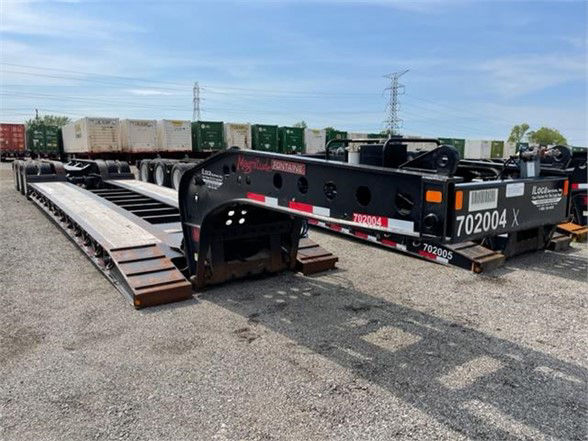
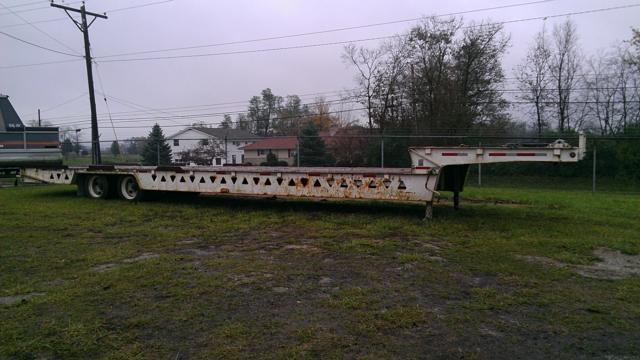
Showing 25 to 36 of 36 results
Have used lowboy trailer to sell? List it here to reach thousands of buyers.
About Used Lowboy Trailers
Deck layout matters as much as the ton rating. Pay attention to loaded deck height, main deck length, top deck length, rear deck length, and whether the trailer is fixed or extendable. Many used lowboy trailers in this class run 102 inches wide with 22.5-inch rubber, air ride suspension, and tandem or tri-axle configurations. A 20-inch to 24-inch loaded deck height is common and can make a major difference when moving excavators, dozers, pavers, crushers, or other high-profile equipment. If your freight varies, an extendable lowboy can add flexibility for longer machines, while a fixed well may offer lower tare weight and fewer moving parts.
The condition details that matter most on a used lowboy are structural, hydraulic, and running gear related. Check kingpin settings, swing clearance, crossmember spacing, deck condition, and signs of neck or frame repairs. On hydraulic detach units, inspect the pony motor, hydraulic cylinders, hoses, valves, and neck locking system. Suspension brand and setup, axle spacing, lift axle function, brake type, and tire condition all affect service life and operating cost. Features like apitong flooring, chain slots on 24-inch centers, D-rings, swingout outriggers, boom wells, bucket pockets, toolboxes, rear strobes, and load-bearing fenders can add real day-to-day value depending on the equipment you move.
A good used lowboy should match your freight mix, permitted weight strategy, and route conditions. Tandem axle 35 ton trailers are common for compact and mid-size iron, while tri-axle 50 to 55 ton units are better suited for heavier concentrated loads and more demanding heavy-haul work. Buyers hauling in states with stricter bridge or axle requirements should compare axle group configuration, deck concentration rating, and overall loaded dimensions before narrowing down a trailer. The best choice is usually the one that balances legal height, usable deck space, attachment clearance, and maintenance simplicity for the type of equipment you haul every week.
Frequently Asked Questions
What is a lowboy trailer used for?
A lowboy trailer is used to haul heavy equipment and overheight machinery that needs a lower deck than a standard flatbed can provide. Common loads include excavators, bulldozers, loaders, pavers, rollers, and other construction or industrial machines. The low deck height helps keep overall loaded height within legal limits while still handling substantial weight.
What is the difference between a mechanical detach and a hydraulic detach lowboy?
A mechanical detach lowboy uses a simpler neck disconnect system, while a hydraulic detach lowboy uses hydraulic power to remove and reconnect the gooseneck. Hydraulic detach trailers usually load faster and are more convenient for frequent loading cycles, especially with tracked equipment driven on from the front. Mechanical detach trailers can be appealing to buyers who want lower complexity and potentially lower repair costs.
What should I inspect on a used lowboy trailer before buying?
Focus on the frame, neck, deck, and running gear first. Check for cracks, plating repairs, stretched tie-down points, worn kingpin area components, damaged crossmembers, deck rot or steel floor wear, axle alignment issues, suspension wear, brake condition, and tire age and tread. On hydraulic detach trailers, inspect the pony motor, cylinders, hoses, locks, and controls carefully because those systems directly affect loading reliability.
How do I choose the right capacity for a lowboy trailer?
Choose capacity based on the heaviest machine you haul, but also consider concentrated load rating, axle count, and the states where you operate. A 35 ton lowboy may be enough for many common construction machines, but larger excavators, crushers, or specialty equipment may require a 50 ton or 55 ton class trailer with a tri-axle group. Capacity on paper is only part of the decision because machine weight distribution, attachment weight, and permit requirements also matter.
Why are deck height and deck length so important on a lowboy?
Deck height determines how much total loaded height you have to work with before running into legal or permit issues. Deck length determines whether your machine fits correctly with proper axle loading and attachment placement. A lowboy with the right well length, top deck, rear deck, and swing clearance will carry equipment more safely and with fewer compromises than a trailer chosen only by ton rating.