
Used Eager Beaver Lowboy Trailers For Sale
Used Eager Beaver lowboy trailers for sale. Compare 35-ton detachable gooseneck models, deck specs, axle setups, and heavy haul features.
Selling a used eager beaver lowboy trailer? List your used eager beaver lowboy trailer for sale and reach thousands of commercial buyers.
Used Eager Beaver Lowboy Trailers
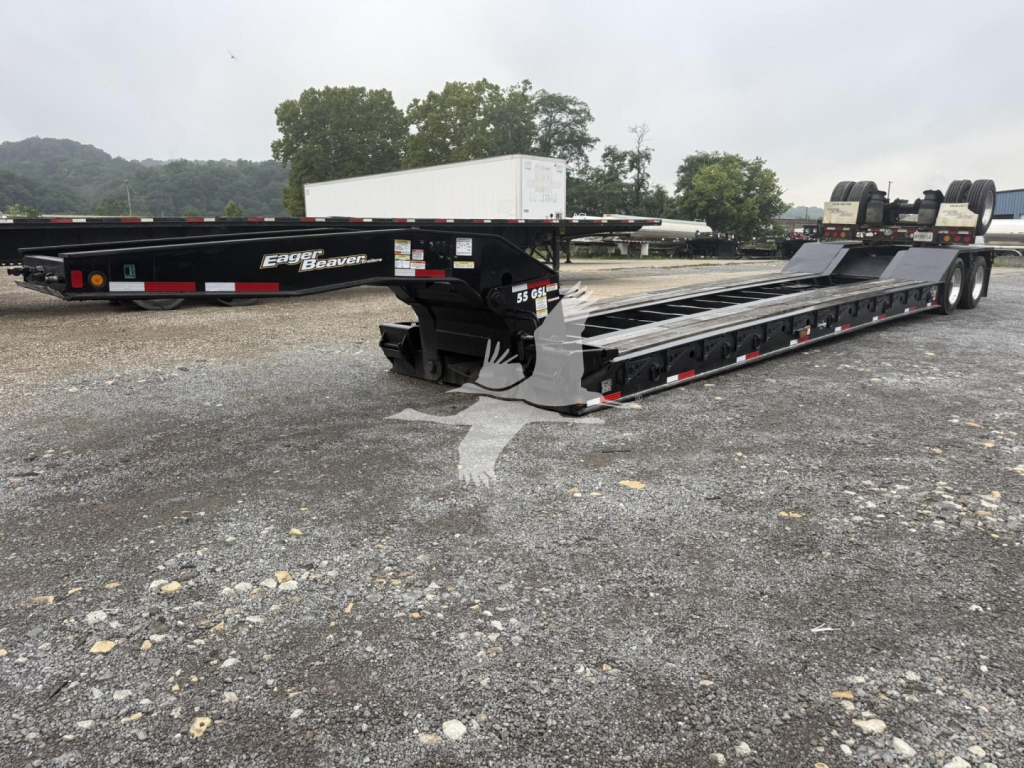
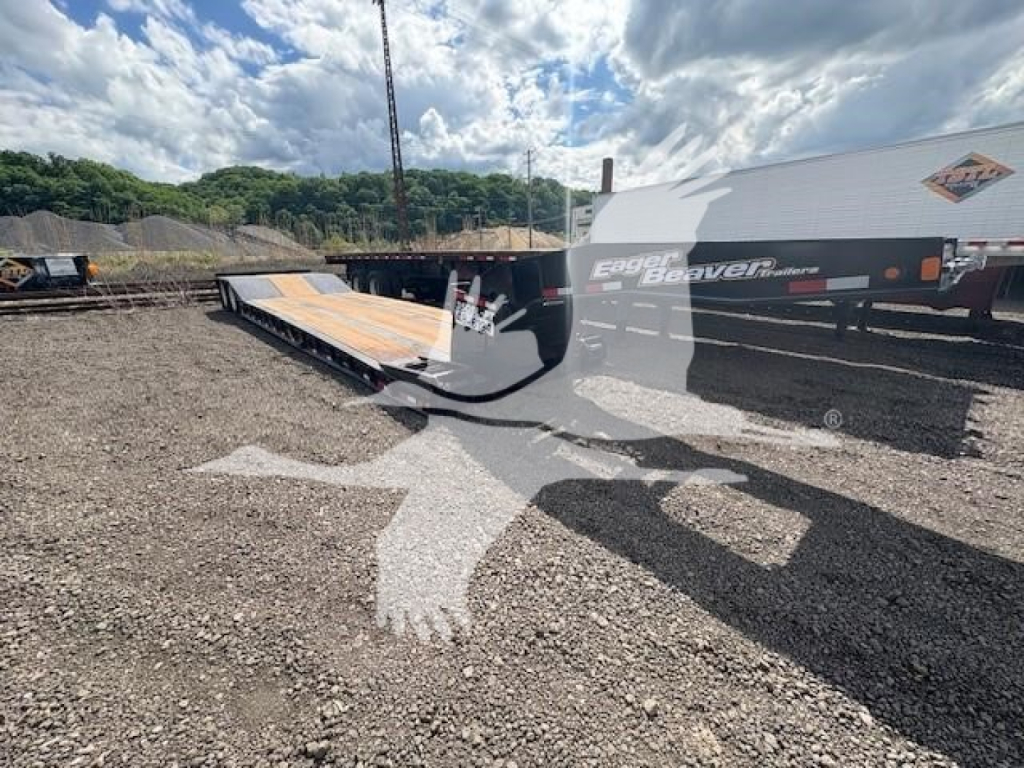
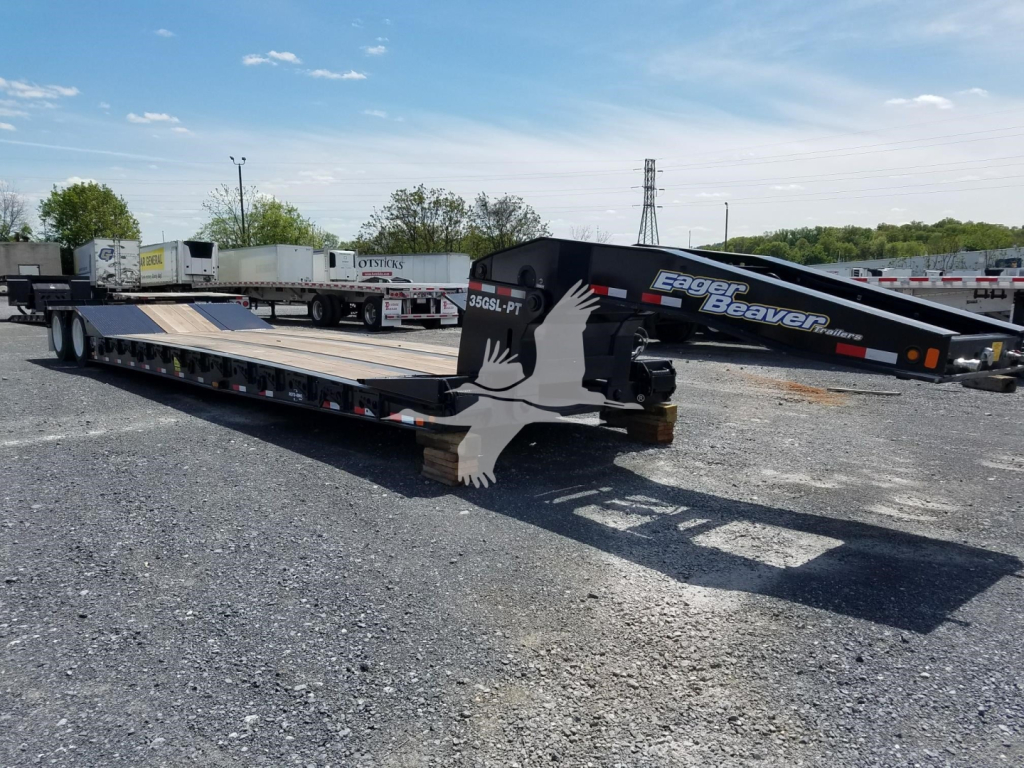
A typical Eager Beaver lowboy in this class runs 102 inches wide with a main deck around 24 feet, a top deck in the 11 to 12 foot range, and a loaded deck height near 24 inches. Many are hydraulic detachable gooseneck, non-ground bearing designs, which can speed up loading and unloading on mixed terrain compared with fixed neck trailers or some mechanical detach setups. Common specs include 35-ton ratings, tandem axles with about 54-inch spacing, 255/70R22.5 tires, steel wheels, and air ride suspension from brands like Cush or Ridewell. Apitong flooring is common for durability, and perimeter beam construction with swing-out outriggers at 24-inch centers adds flexibility for wider machine tracks or attachments.
For equipment haulers, the value of an Eager Beaver lowboy often comes down to details that affect daily use. Spring-assist or hydraulic rear ramps, beavertail sections, ROTO-style D-rings, dump valves, raise-and-lower controls, and pony motors all matter in the field. Crossmember spacing, kingpin setting, loaded fifth-wheel height, and tail configuration can affect both tractor compatibility and load angle. A paving-focused trailer may include risers, roller stops, wood-filled ramp sections, or mesh-center decking to better handle asphalt equipment and steel-track machines. If the trailer will spend time on rough jobsites, inspect the neck hydraulics, deck condition, outriggers, suspension components, and wear patterns around the beaver and ramp hinges.
When comparing used Eager Beaver lowboy trailers for sale, buyers should match the trailer to the actual machines being hauled instead of shopping by ton rating alone. Check overall deck length, well clearance, rear deck design, and tie-down layout against your heaviest and tallest equipment. It also pays to verify state bridge law considerations, axle group placement, and tractor fifth-wheel height before purchase. A properly spec'd Eager Beaver lowboy can be a productive regional heavy haul trailer for construction fleets, rental houses, paving contractors, and specialized equipment transport operations.
Frequently Asked Questions about Used Eager Beaver Lowboy Trailers
What is the most common used Eager Beaver lowboy configuration?
A common used Eager Beaver lowboy configuration is a 35-ton hydraulic detachable gooseneck trailer with a 102-inch width, about 24 feet of main well, tandem axles, air ride suspension, and Apitong wood flooring. Many also include a non-ground bearing neck, 24-inch loaded deck height, 255/70R22.5 tires, and contractor-focused features like outriggers, D-rings, and spring-assist or hydraulic ramps. This setup is popular because it covers a wide range of construction and paving equipment without moving into a heavier and more specialized trailer class.
Why does loaded deck height matter on a lowboy trailer?
Loaded deck height matters because it directly affects legal overall height, loading stability, and the range of equipment the trailer can carry. A lowboy with a deck height around 24 inches gives more room for taller machines such as excavators, pavers, and rollers while helping stay within height limits. It also lowers the center of gravity, which improves stability in transport. Buyers should compare deck height with the actual machine heights they plan to haul, especially if the route includes strict bridge clearances or multi-state moves.
What should I inspect on a used Eager Beaver detachable lowboy?
The key inspection points are the hydraulic detachable gooseneck system, frame condition, deck and flooring wear, ramp or beavertail structure, suspension, tires, brakes, and all tie-down hardware. Pay close attention to hinge areas, neck locking components, hydraulic cylinders, outriggers, crossmembers, and signs of concentrated wear from tracked equipment. Wood floors should be checked for rot, splitting, or heavy gouging. On air ride models, inspect bags, valves, and ride height function. A used lowboy can look structurally sound at a glance while hiding expensive issues in the detach system or deck support areas.
Are Eager Beaver lowboys good for paving and road construction equipment?
Yes. Eager Beaver lowboy trailers are widely used in paving and road construction because many are spec'd for pavers, rollers, and support equipment. Features such as low deck height, detachable gooseneck loading, wood-filled ramps, beavertails, risers, and durable flooring make them practical for frequent job-to-job movement. Buyers hauling paving equipment should still verify machine width, weight distribution, and loading angle, since screeds, drums, and low-clearance machines can require a more specific trailer setup than a general-purpose construction lowboy.
How important are outriggers and tie-down options on a lowboy trailer?
Outriggers and tie-down options are very important because they determine how well the trailer adapts to different machines and how securely those loads can be positioned. Swing-out outriggers can support wider equipment footprints or attachments, while multiple D-ring locations improve chain angles and securement flexibility. On a used Eager Beaver lowboy, buyers should confirm the outriggers lock correctly in both positions and that the D-rings, siderails, and bolster areas show no cracking or repair concerns. Good securement hardware adds real value in everyday fleet use.