
Used Unknown Lowboy Trailers For Sale
Browse used lowboy trailers built for hauling heavy equipment, tall machinery, and compact loads that need a lower deck height.
Learn more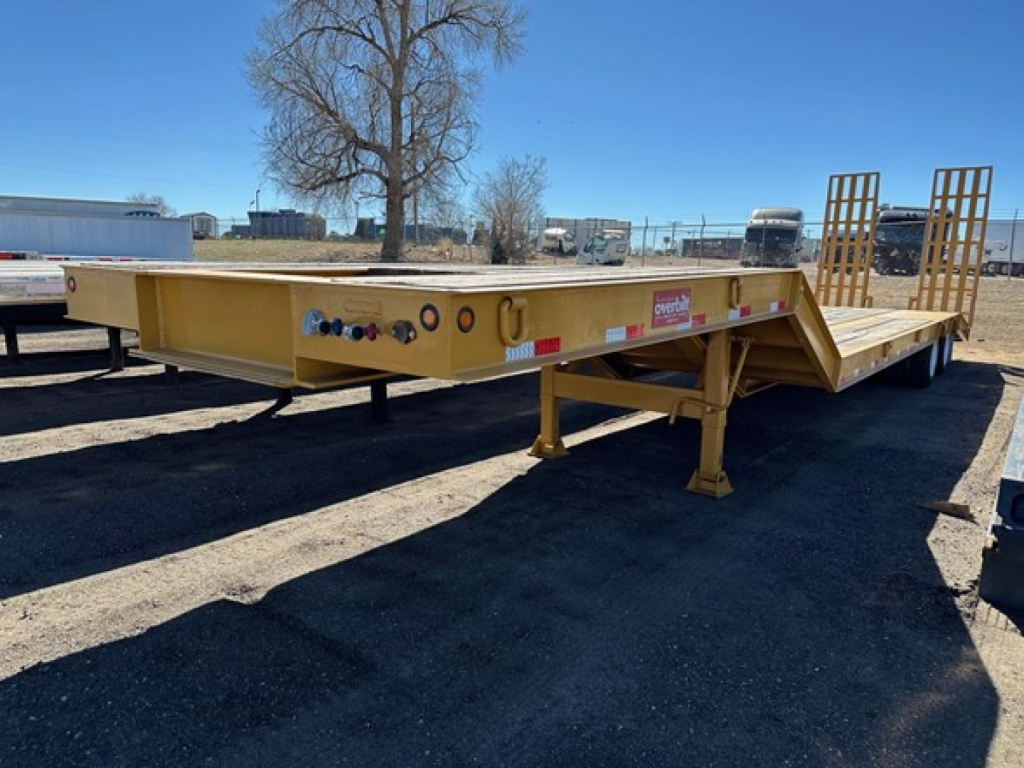
Have used unknown lowboy trailer to sell? List it here to reach thousands of buyers.
About Used Unknown Lowboy Trailers
A typical used lowboy may be configured as a fixed neck, detachable gooseneck, or equipment-style trailer with a beavertail and ramps. Detachable gooseneck models are preferred when loading tracked machines from the ground and when maximizing legal height matters. Equipment-style lowboys with hydraulic air ramps or spring-assisted ramps can be a practical fit for mixed fleets hauling skid steers, mini excavators, rollers, or smaller iron. Common specs include steel frames, wood decks, tandem axles, spring ride or air ride suspensions, 17.5-inch or 22.5-inch tires, D-rings, chain slots, and outriggers or deck inserts on heavier units.
Condition matters on a used lowboy because these trailers live hard lives. Check the main frame, crossmembers, neck area, ramp pivots, and suspension hangers for repairs, cracks, or signs of overloading. Deck condition is also important, especially on wood floors that see track traffic and point loading. Tire age, brake condition, bushing wear, lighting, air lines, and the operation of any hydraulic ramp system should all be reviewed closely. On detachable neck units, buyers should also verify kingpin setting, neck locking components, hydraulic function, and ground clearance during loading.
The right lowboy depends on the machines being hauled and the routes involved. A contractor moving compact equipment locally may prioritize ramp convenience and lower maintenance cost, while a fleet hauling heavier iron across multiple states may focus on axle group, legal payload, deck well length, and permit flexibility. Pay close attention to overall trailer weight, usable lower deck length, deck width between the wheels, tie-down placement, and approach angle. Those details matter just as much as rated tonnage when matching a used lowboy trailer to real jobs.
Frequently Asked Questions
What is a lowboy trailer used for?
A lowboy trailer is used to haul heavy equipment and taller machinery that cannot be moved as efficiently on a standard flatbed or deckover trailer. Its lower deck height helps keep the overall load height within legal limits, which is important when transporting excavators, loaders, dozers, pavers, rollers, and other equipment with high operating weight or tall profiles.
What should I inspect first on a used lowboy trailer?
Start with the frame, neck structure, crossmembers, suspension, brakes, tires, and deck condition. Lowboy trailers often carry concentrated weight, so signs of frame repair, cracked welds, worn bushings, uneven tire wear, and damaged ramp assemblies deserve close attention. If the trailer has hydraulic ramps or a detachable neck, confirm that all cylinders, hoses, locks, and controls operate correctly.
What is the difference between a detachable gooseneck lowboy and a ramp-style equipment trailer?
A detachable gooseneck lowboy allows equipment to be loaded from the front after removing or releasing the neck, which is useful for taller tracked machines and for maximizing deck well length. A ramp-style equipment trailer uses rear ramps and a beavertail for loading. Ramp-style trailers are often simpler and faster for mixed local hauling, while detachable gooseneck units are more common in heavier haul applications.
How do I choose the right lowboy capacity?
Capacity should be matched to the actual operating weight of the machine, plus attachments, fuel, chains, binders, and any other carried gear. Buyers should also consider axle configuration, legal road limits, and how the load will be distributed on the deck. A trailer's ton rating is only part of the equation because deck length, axle placement, and local permitting requirements also affect what can be hauled legally and safely.
Are hydraulic air ramps worth it on a used lowboy trailer?
Hydraulic air ramps can save time and reduce operator effort, especially when loading equipment repeatedly throughout the day. They are useful for contractors hauling compact and mid-size machines that need quick loading cycles. On a used trailer, the value depends on condition. A working system with sound cylinders, hoses, pins, and controls can be a strong advantage, but neglected hydraulic ramp systems can add repair cost quickly.