
Used Pitts Lowboy Trailers For Sale
Shop used Pitts lowboy trailers built for heavy equipment hauling, with durable frames, low deck height, air ride options, and jobsite-ready specs.
Learn more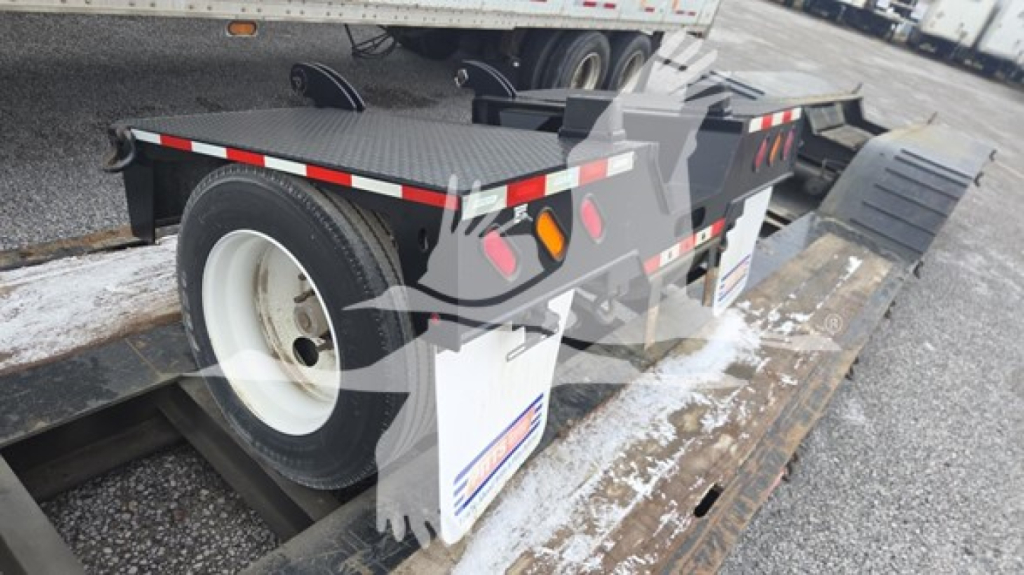
Have used pitts lowboy trailer to sell? List it here to reach thousands of buyers.
About Used Pitts Lowboy Trailers
On a used Pitts lowboy, pay close attention to usable deck length, overall width, loaded deck height, and ramp or tail design. A narrower fixed neck or detachable configuration changes how easily equipment can be loaded and how much flexibility the trailer has across different machines. Many buyers also look for air ride suspension when they want better load protection and improved ride characteristics, especially on mixed road conditions. Tire size, brake condition, wheel type, lighting, D-rings, and rear visibility equipment matter on a used unit because those wear items and tie-down details directly affect readiness for work. If the trailer has a 102-inch wide setup, steel wheels, and a clean underframe, that is often a practical combination for contractors and regional haulers who need durability more than cosmetic extras.
Frame condition is a major buying point on any used lowboy trailer, and that is especially true in heavy equipment applications. Look closely at the main beams, neck area, crossmembers, suspension mounts, ramp pivots, and any high-stress weld zones. A lowboy that has spent its life loading uneven jobsite equipment can show fatigue around the rear structure and deck transitions long before cosmetic wear becomes obvious. Check for straight tracking, even tire wear, working lights, and current brake life. If the trailer uses air ride, inspect bags, valves, and ride height consistency. On used Pitts trailers, a simple and serviceable design can be a real advantage because parts access and routine maintenance are often easier than on more complicated specialty trailers.
The right used Pitts lowboy depends on what equipment you move most often and how regulated your routes are. A lighter single-axle or smaller-capacity setup can be a cost-effective choice for compact machines and shorter regional runs, while heavier multi-axle lowboys make more sense when legal payload and bridge compliance become bigger factors. Buyers should match trailer capacity to actual operating weight, including attachments, fuel, and chained securement gear, not just the machine’s brochure number. A well-matched used lowboy trailer can reduce loading issues, improve stability, and make permitting simpler on oversized or high-profile loads.
Frequently Asked Questions
What should I inspect first on a used Pitts lowboy trailer?
Start with the frame, neck, crossmembers, suspension, brakes, and tires. Those components tell you the most about how the trailer was used and how much work it may need. On a lowboy, stress tends to concentrate around the neck area, rear loading section, suspension mounts, and major weld points. Also check deck height, tie-down points, lighting, and ramp or tail function because those features directly affect legal hauling and daily usability.
Are Pitts lowboy trailers good for hauling construction equipment?
Yes. Pitts lowboy trailers are commonly used for construction and contractor equipment because they are designed around low deck height, stable loading, and durable structural components. They are a practical fit for machines such as skid steers, rollers, compact excavators, and similar equipment that must stay low for transport. The exact fit depends on trailer capacity, deck length, axle configuration, and how the machine’s weight is distributed.
Is air ride suspension important on a used lowboy trailer?
Air ride can be an advantage when load protection, ride quality, and smoother transport matter. It can reduce shock transfer to the equipment and may improve handling on rougher roads compared with some mechanical suspension setups. On a used trailer, the value of air ride depends on condition as much as design, so inspect air bags, lines, valves, and ride height control carefully before purchase.
How do I choose the right lowboy capacity for my equipment?
Use the machine’s real operating weight, not the base published weight. Add attachments, buckets, fuel, tools, chains, binders, and any accessory equipment that rides on the trailer. Then compare that total to the trailer’s rating, axle configuration, and expected route requirements. It is also important to consider deck length and weight distribution so the load can be positioned correctly without overloading the neck or axles.
What makes a used lowboy trailer different from a flatbed trailer?
A lowboy trailer sits much lower to the ground, which allows taller equipment to be hauled with better overall height control. That lower deck height improves stability and helps keep more equipment moves within legal height limits. Flatbed trailers are more versatile for general freight, but lowboys are the better choice for heavy machinery and equipment with a high center of gravity or tall profile.