
Used Kalyn Siebert Lowboy Trailers For Sale
Browse used Kalyn Siebert lowboy trailers built for heavy equipment hauling, with common 35-ton setups, low deck heights, and detach options.
Have used kalyn siebert lowboy trailer to sell? List it here to reach thousands of buyers.
Used Kalyn Siebert Lowboy Trailers
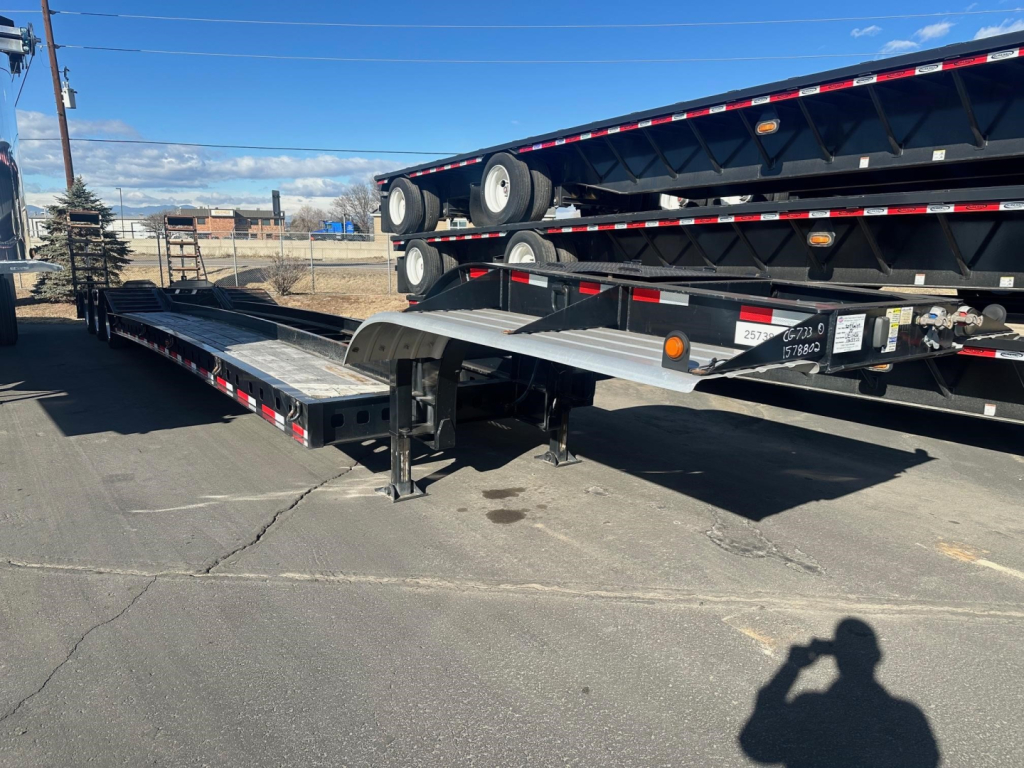
A key decision is fixed neck versus removable gooseneck, also called an RGN or detach trailer. A mechanical removable neck can be a practical fit for fleets that want easier front loading without the added complexity of full hydraulic systems. Fixed neck lowboys with a beavertail and hydraulic flip ramps are common for equipment that can be loaded from the rear and for operations that value a simpler setup. Pay close attention to main deck length, well length, loaded deck height, and ground clearance. Buyers should also look at deck construction, apitong or wood deck condition, swing-out outriggers, D-rings, traction cleats, and ramp condition, since these details directly affect day-to-day usability and safety.
Axle layout and suspension spec are just as important as rated capacity. Many used Kalyn Siebert lowboys in this class are tandem or tri-axle trailers, and tire size often reflects the intended deck height and legal hauling profile. Smaller 17.5-inch rubber is common on low deck configurations, while wheel material, brake condition, and suspension type can influence both maintenance cost and ride quality. Air ride setups can help with equipment protection and road manners, while mechanical suspensions may appeal to buyers prioritizing simplicity. Check for frame repairs, neck wear, crossmember condition, suspension equalization, and signs of concentrated loading in the well, especially on trailers that have spent years under excavators or crawler machines.
For buyers comparing used Kalyn Siebert lowboy trailers, the real value is in how the trailer is spec'd for your lane. A 35-ton trailer with a 25-foot well, rear ramps, and securement hardware may be a strong fit for compact to mid-size iron, while a detachable setup may better serve fleets loading non-running units or taller machines that need every inch of legal height. Trailer width, kingpin setting, bridge law considerations, and state permit requirements should all be reviewed before purchase. A well-matched lowboy can improve loading speed, reduce permit headaches, and handle repeated heavy-equipment cycles without becoming a maintenance problem.
Frequently Asked Questions about Used Kalyn Siebert Lowboy Trailers
What is the difference between a Kalyn Siebert fixed neck lowboy and a removable gooseneck lowboy?
A fixed neck lowboy loads from the rear using a beavertail and ramps, while a removable gooseneck lowboy disconnects at the front so equipment can be driven on from the ground to the deck. A removable neck setup is often preferred for taller equipment, low-clearance machines, and heavier units that are easier or safer to load from the front. A fixed neck design is generally simpler and can be a good fit for fleets hauling machines that load well over ramps.
What capacity is common on used Kalyn Siebert lowboy trailers?
A common spec in this category is a 35-ton lowboy, typically rated around 70,000 pounds distributed in the well. Actual usable capacity depends on axle configuration, deck length, load distribution, and applicable state bridge laws. Buyers should verify the manufacturer data plate and confirm that the trailer's rating matches the type of equipment they intend to haul on a regular basis.
What should I inspect first on a used lowboy trailer?
Start with the frame, neck connection area, deck structure, axles, brakes, suspension, and tire condition. On a detachable trailer, inspect the neck locking system, hydraulic or mechanical components, and wear points where the neck mates to the deck. Also check ramp hinges, D-rings, outriggers, crossmembers, and signs of welding repairs or cracking in the loaded section of the well, since those areas typically show the hardest use.
Why do deck height and well length matter on a lowboy?
Deck height affects overall loaded height, which is critical when hauling tall equipment under bridge and overpass restrictions. Well length matters because it determines how much machine footprint the trailer can support while keeping axle weights balanced. A lower deck and properly sized well can make the difference between a legal, stable haul and one that requires extra permits, repositioning, or a different trailer altogether.
Are Kalyn Siebert lowboy trailers a good fit for construction and equipment rental fleets?
Yes. Kalyn Siebert lowboys are commonly used in construction, paving, aggregate, utility, and equipment rental applications because they are designed for repeated heavy-equipment loading cycles. Buyers often look for them when they need a trailer with proven heavy-haul construction, practical deck layouts, and common fleet-friendly specs such as outriggers, chain tie-down points, flip ramps, and multi-axle configurations.