
Lowboy Trailers For Sale in Louisiana
Shop lowboy trailers for heavy equipment hauling in Louisiana. Compare deck height, axle setups, capacity, and detachable gooseneck options.
No exact matches found for your search
Showing Lowboy Trailers instead.
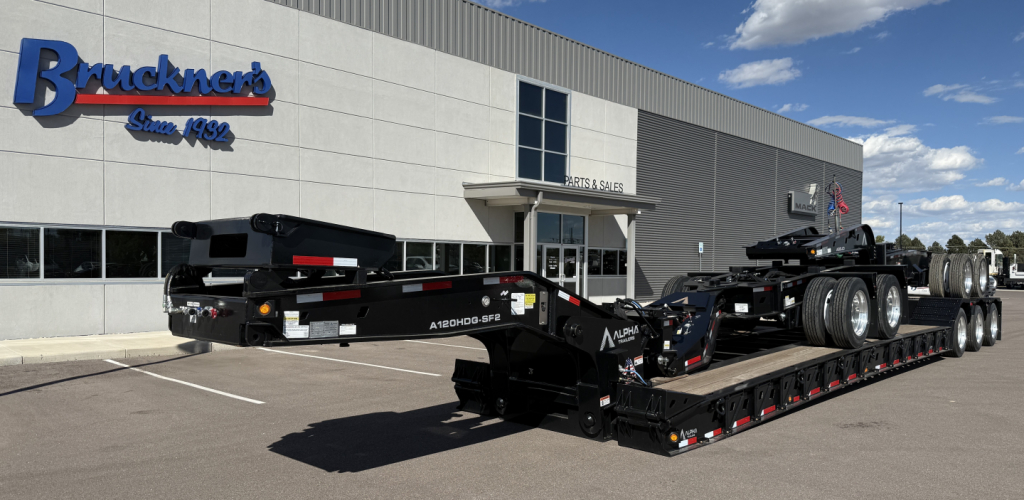
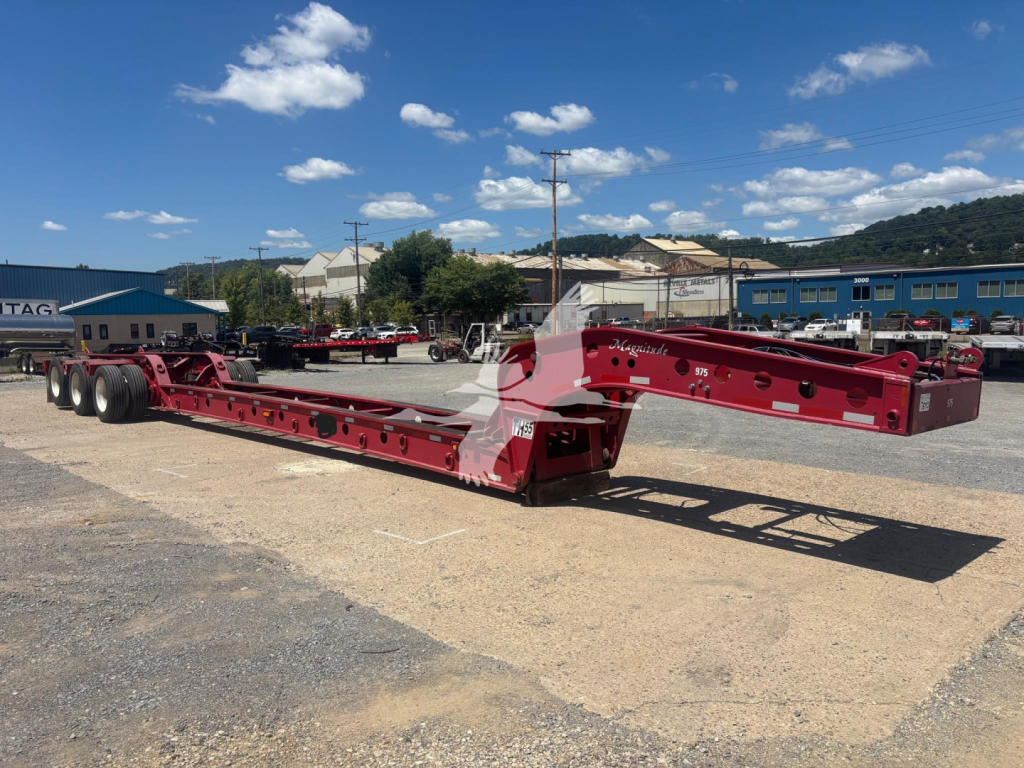
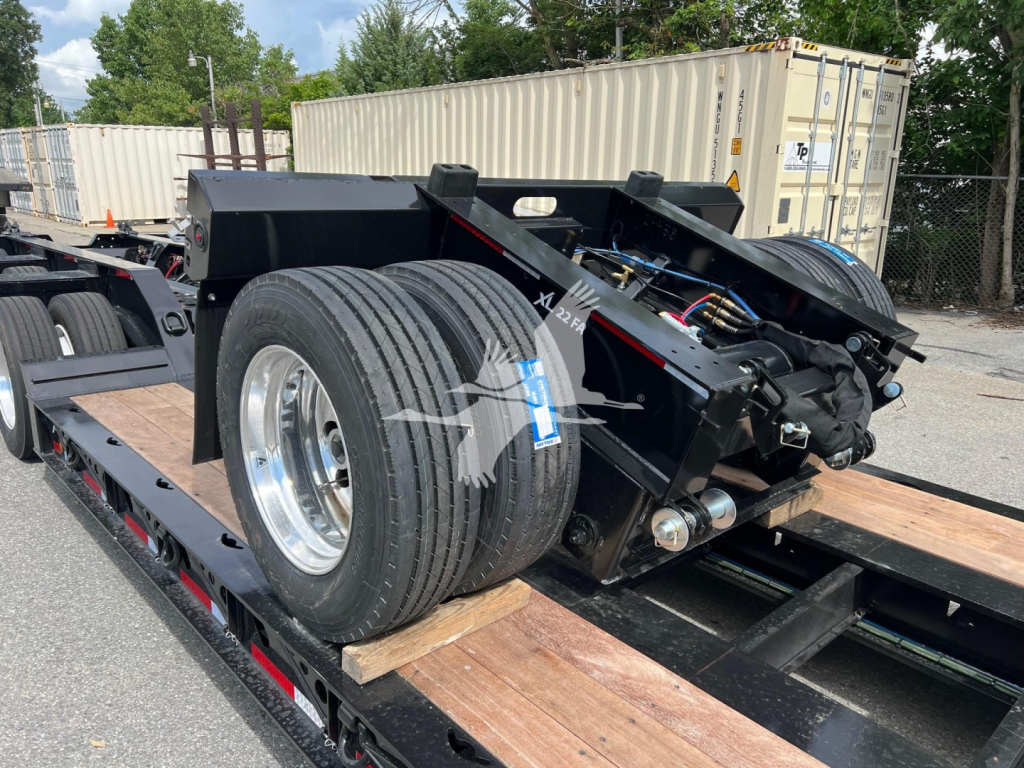
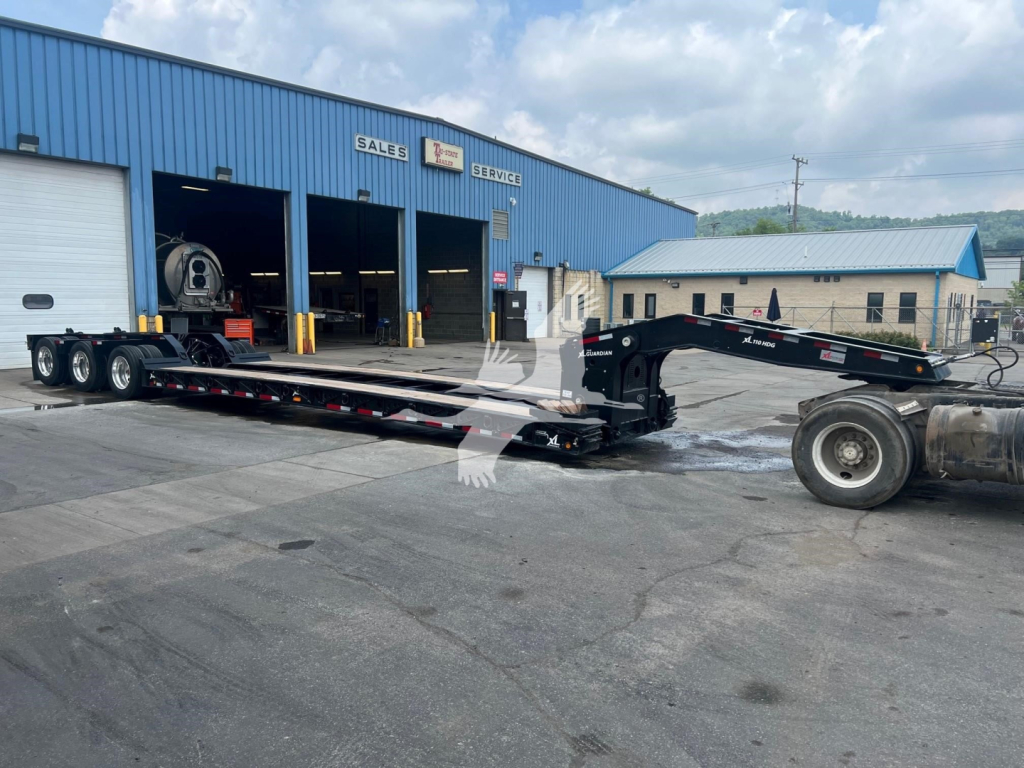
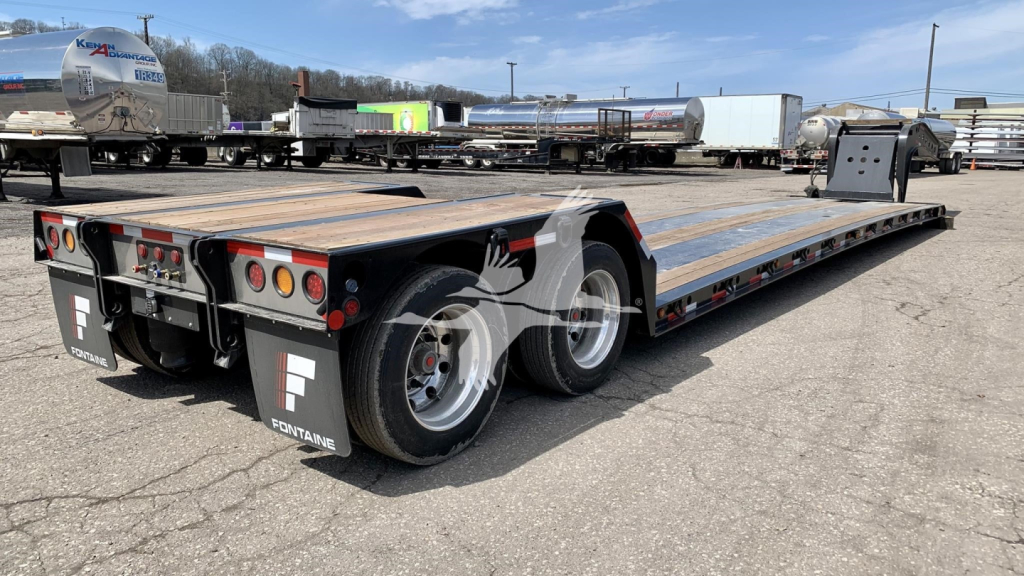
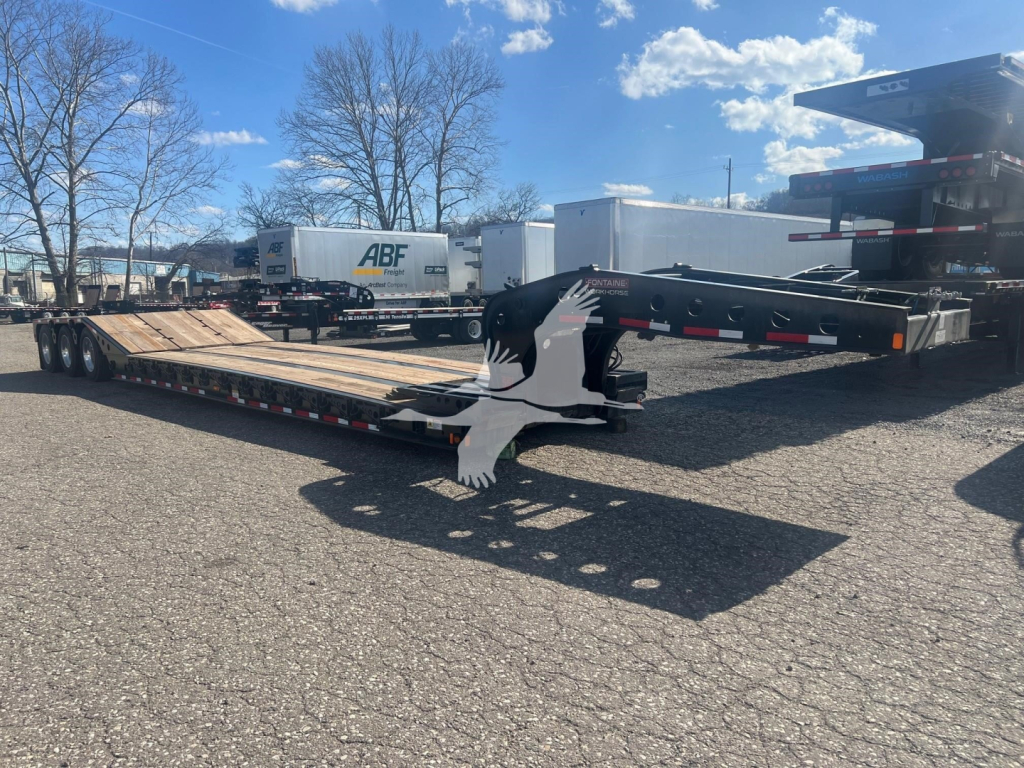
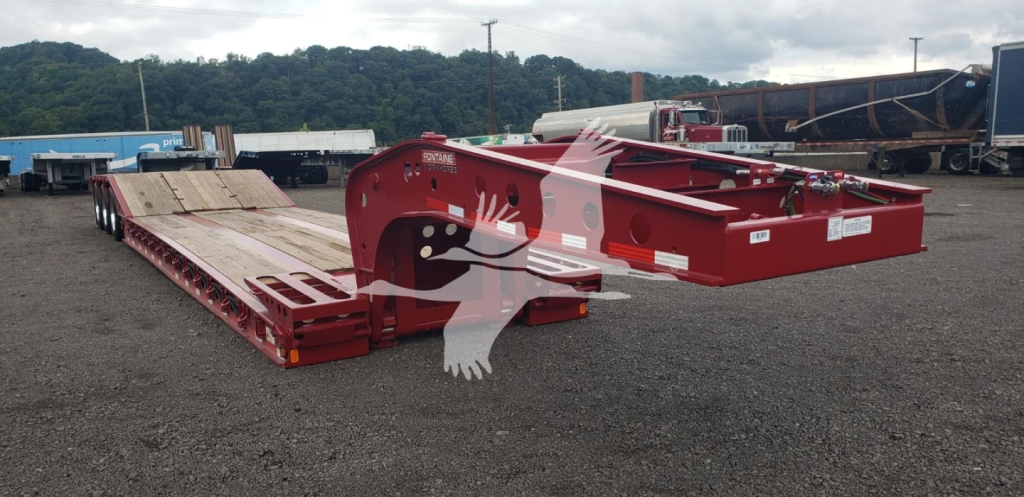
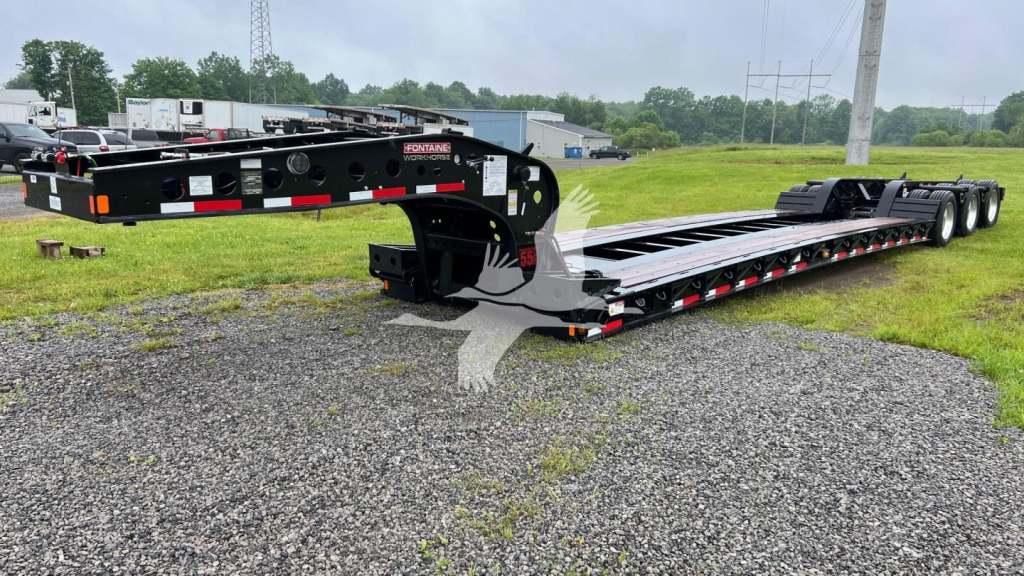
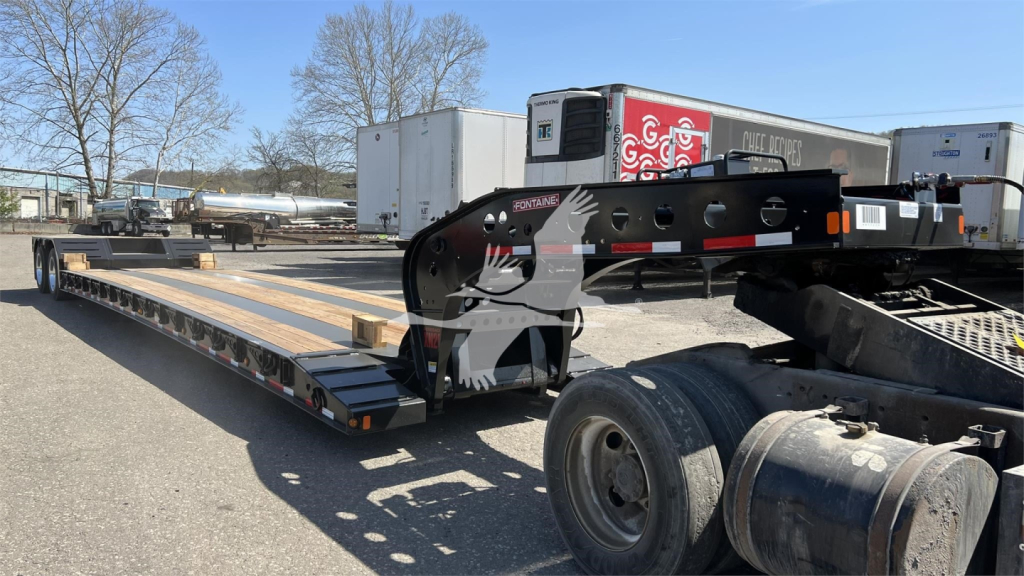
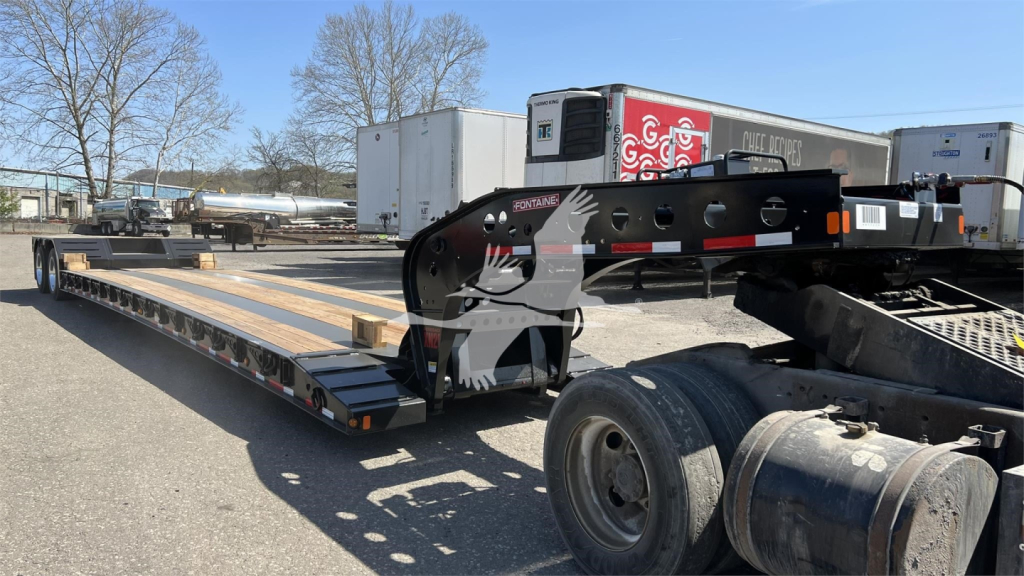
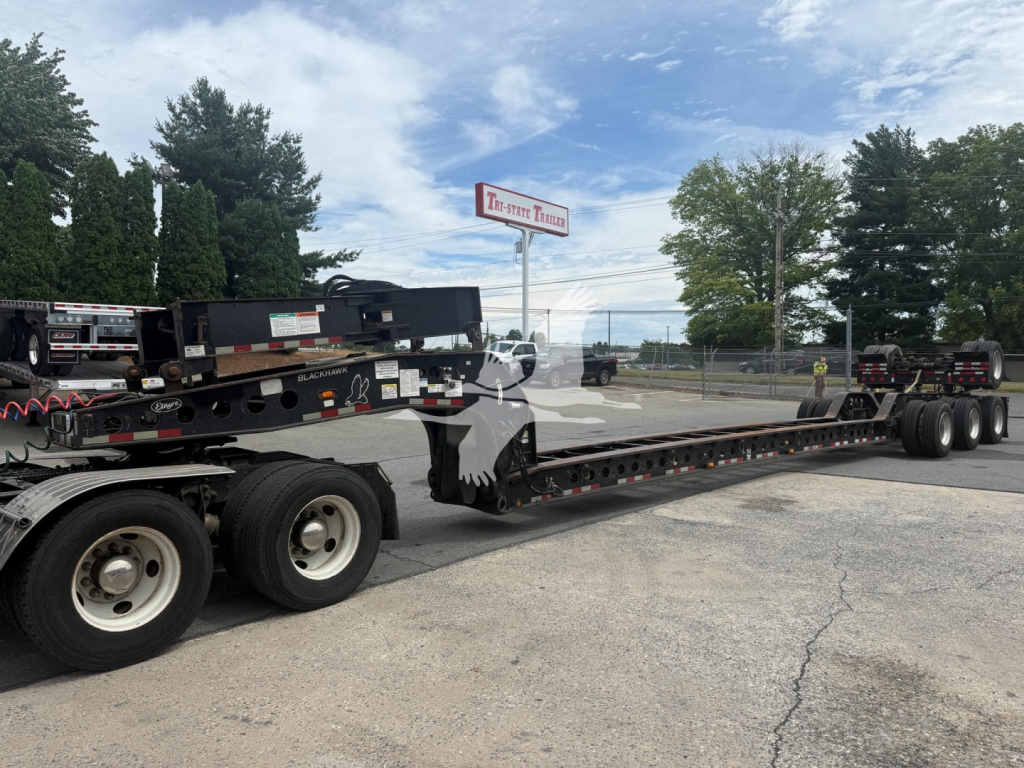
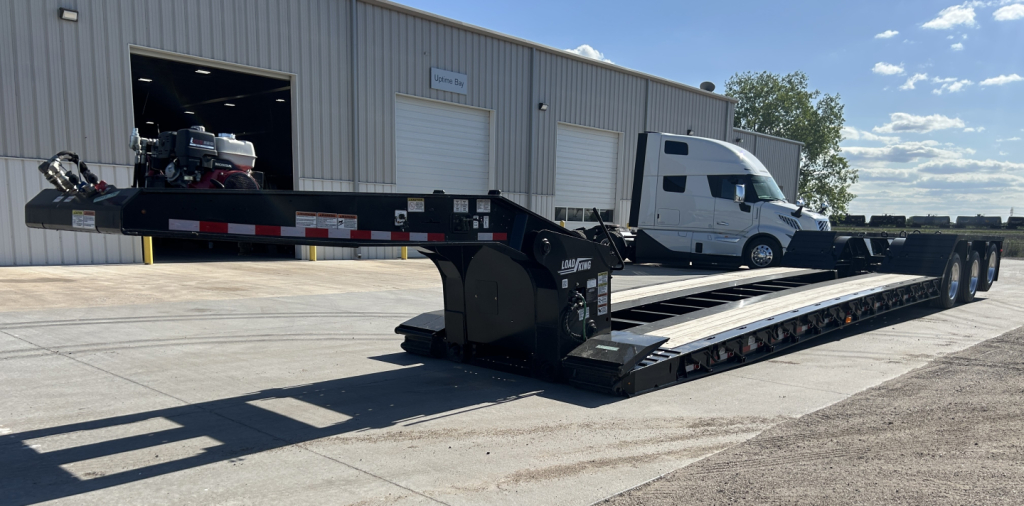
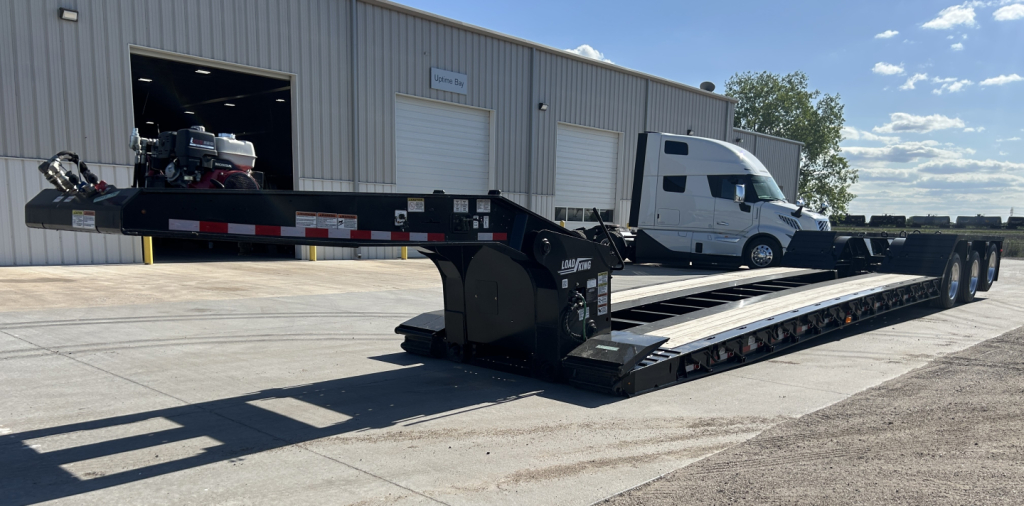
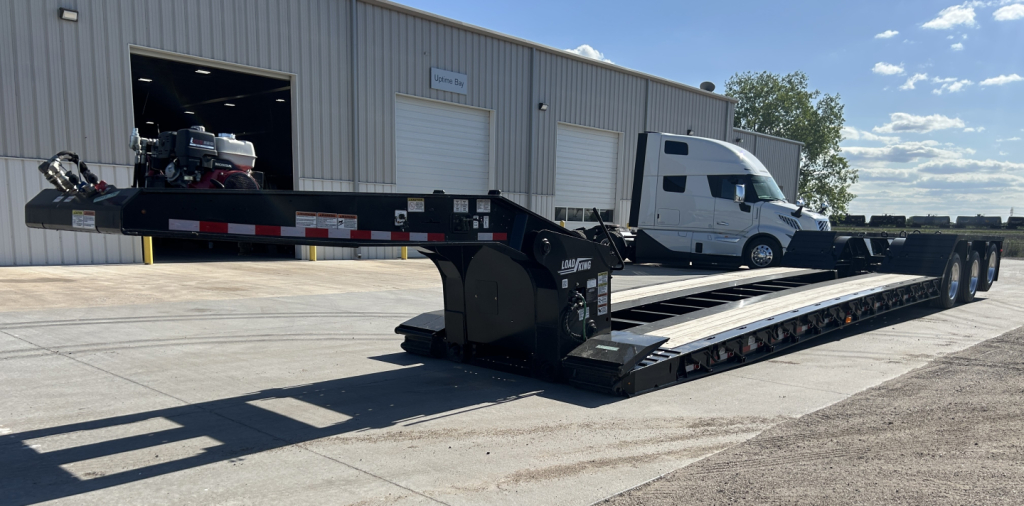
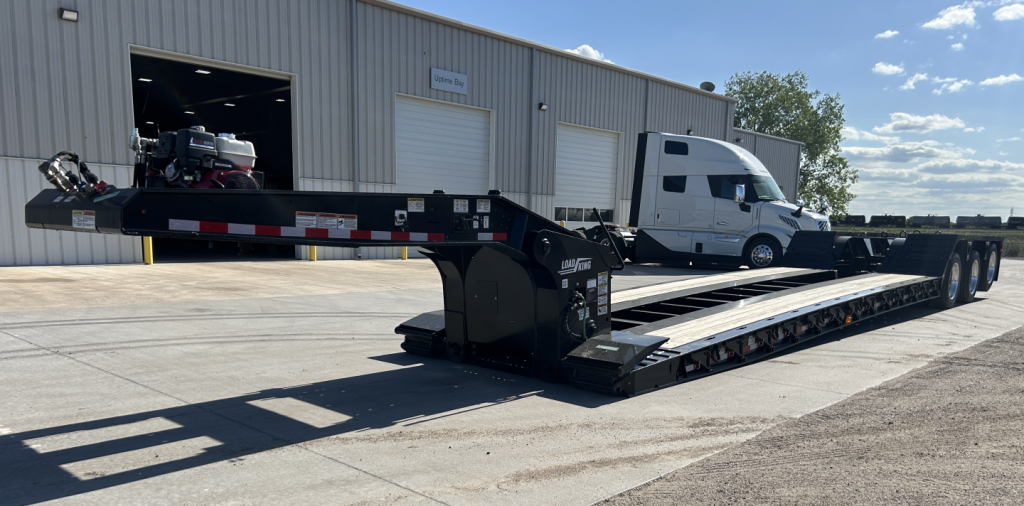
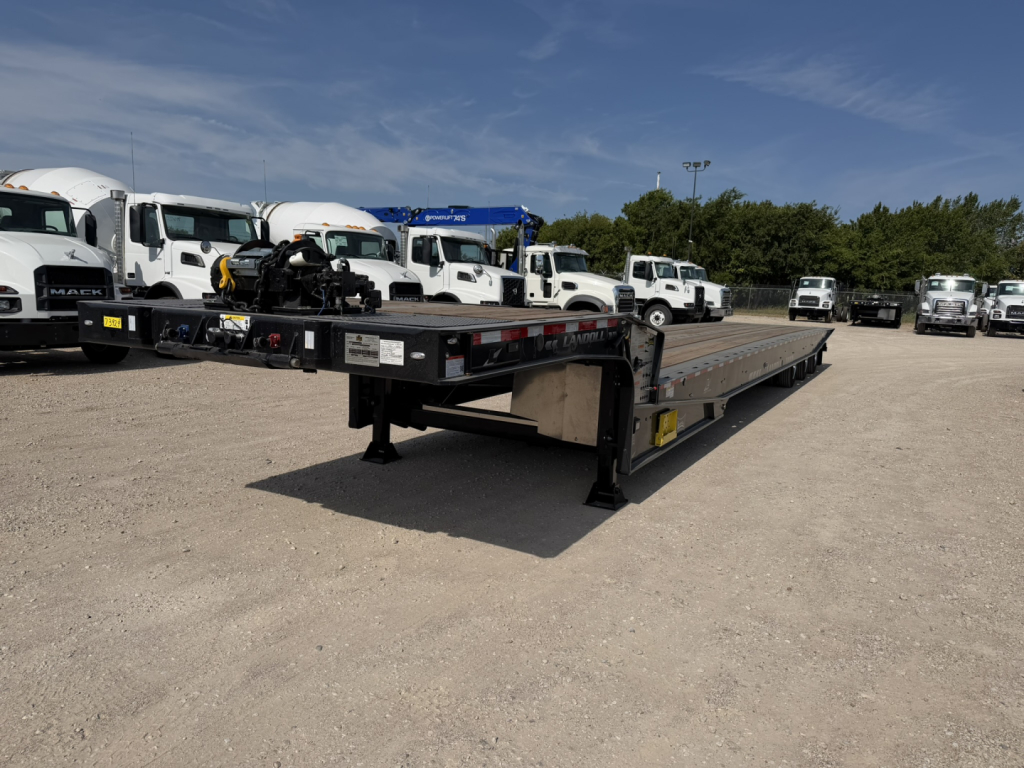
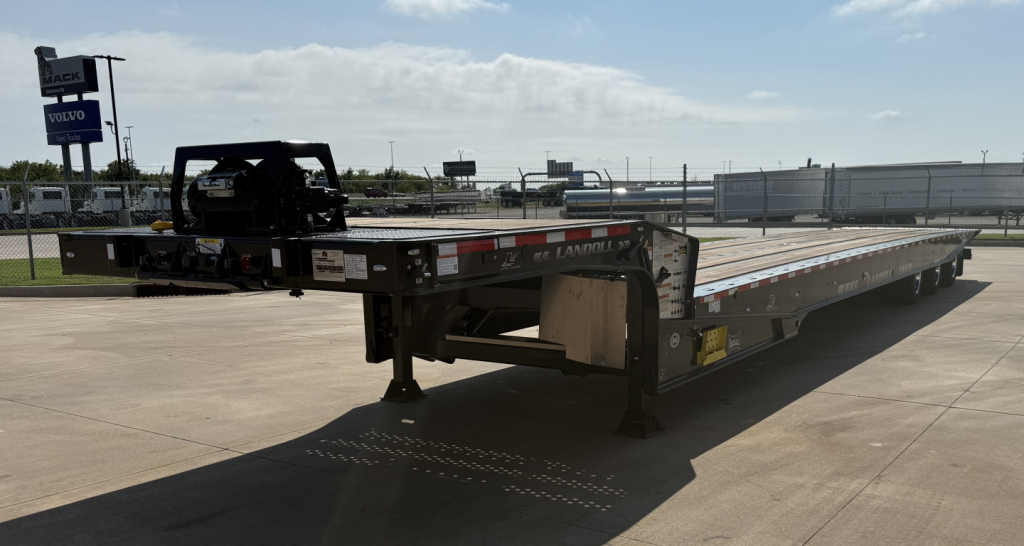
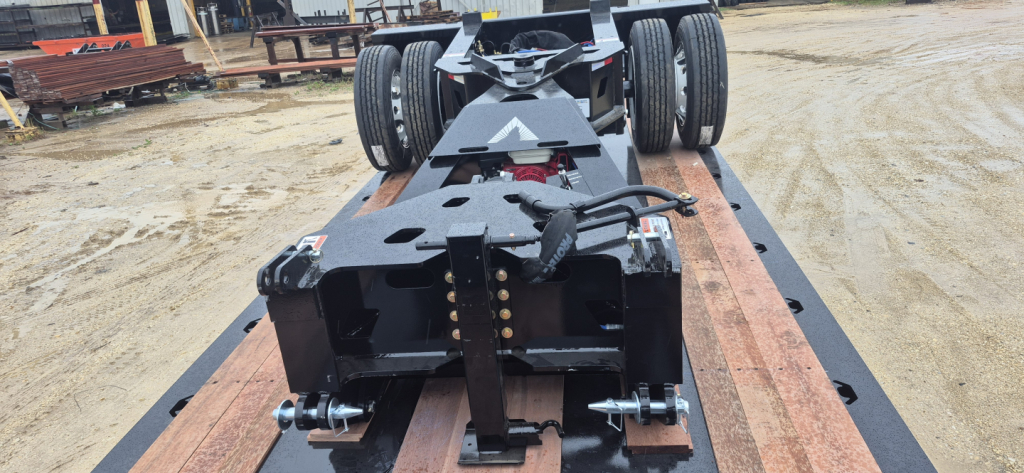
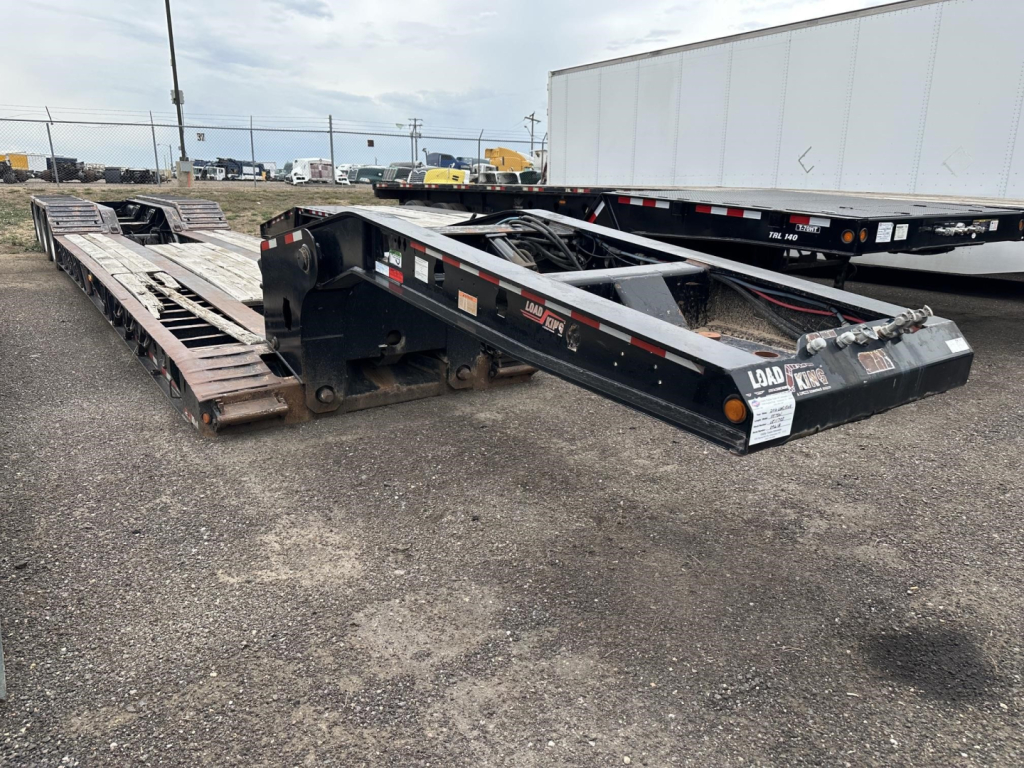
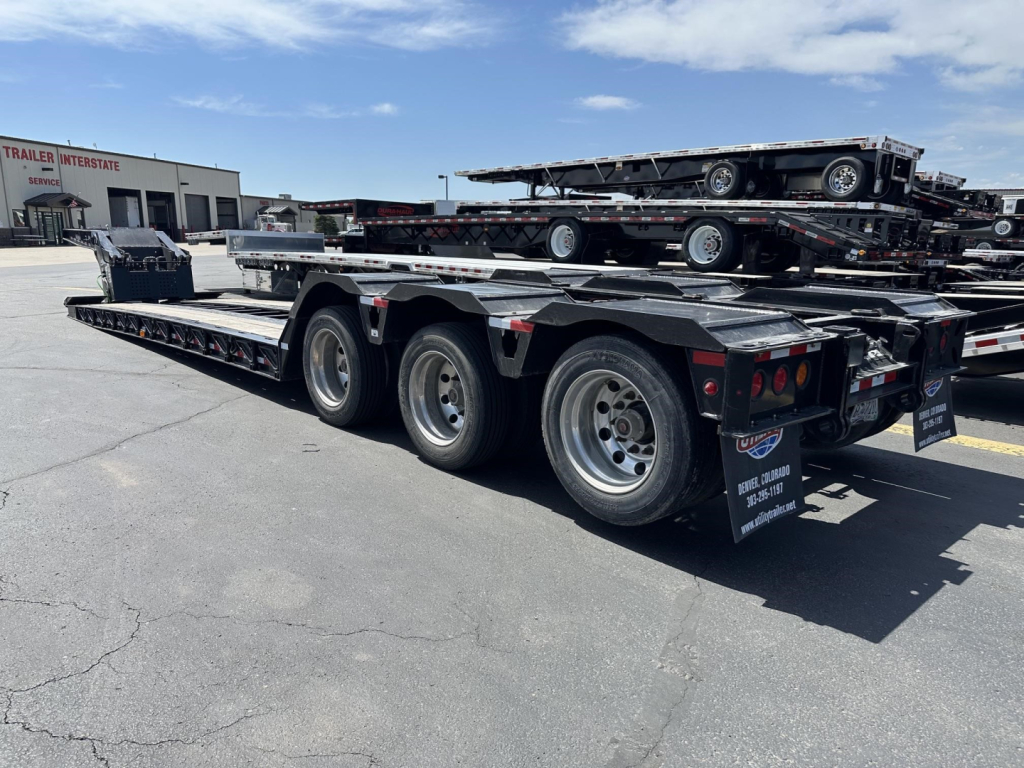
Showing 57 to 84 of 174 results
Selling a lowboy trailer? List your lowboy trailer for sale and reach thousands of commercial buyers.
Lowboy Trailers in Louisiana
The first buying decision is usually capacity and deck configuration. Common lowboy ratings range from 35 ton to 55 ton, with heavier multi-axle and jeep-boosted setups available for specialized hauling. A fixed neck lowboy can make sense for fleets with consistent loading methods, but a detachable gooseneck, often called a DGN or RGN depending on design, is usually preferred for tracked equipment because it allows drive-on loading from the front. Buyers should compare loaded deck height, deck length in the well, swing clearance, ground clearance, axle spacing, and kingpin setting. In Louisiana, where jobs can involve soft shoulders, uneven access roads, and short-haul construction moves, suspension choice, frame reinforcement, and proper tire size also deserve close attention.
Trailer construction details affect both lifespan and day-to-day usability. Look closely at main beam design, crossmember spacing, deck apitong or hardwood condition, outriggers, D-rings, chain slots, and traction aids for loading steel-track machines. Hydraulic detachable neck systems need clean operation and straightforward serviceability. Air ride and mechanical suspension each have a place depending on cargo sensitivity and maintenance preference, while flip axles, removable outriggers, and extension decks can add flexibility for changing jobs. Lighting, ABS, brake condition, and tire inflation systems are worth reviewing, especially for fleets running frequent permit loads or longer interstate moves along the Gulf Coast.
A good lowboy is matched to the actual equipment list, not just the highest advertised capacity. Buyers should verify machine operating weight, overall width, track width, attachment weight, and how the load balances across the neck, deck, and axle group. In this category, small differences in loaded deck height, neck style, and axle configuration can determine ease of loading, permit cost, and how many machines can be moved legally without extra setup. For contractors, equipment haulers, oilfield support fleets, and specialized carriers in Louisiana, the right lowboy trailer is a productivity tool as much as a transport asset.
Frequently Asked Questions about Lowboy Trailers in Louisiana
What is a lowboy trailer used for?
A lowboy trailer is used to haul heavy equipment and machinery that would exceed legal height limits on a standard flatbed. Common cargo includes excavators, bulldozers, wheel loaders, cranes, pavers, and other construction or industrial equipment. Its dropped deck design keeps the load lower to the ground, which improves stability and helps maintain legal overall height.
What is the difference between a fixed neck lowboy and a detachable gooseneck lowboy?
A fixed neck lowboy loads from the rear using ramps, while a detachable gooseneck lowboy separates at the front so equipment can be driven directly onto the deck. Detachable gooseneck models are often preferred for tracked machines because loading is faster and approach angles are better. Fixed neck designs can be simpler and may fit operations with consistent cargo and loading conditions.
How do I choose the right lowboy capacity?
Start with the heaviest machine you plan to haul, then account for attachments, buckets, blades, counterweights, and any future equipment changes. Capacity should be matched with axle configuration, frame strength, and the way weight is distributed across the trailer. Buyers should also consider state bridge rules, permit requirements, and whether a heavier setup will require additional axle equipment such as a flip axle or jeep.
What lowboy features matter most for Louisiana hauling?
For Louisiana operations, deck height, axle spacing, suspension durability, and reliable braking are especially important because routes may include congested industrial areas, uneven jobsite entrances, and humid Gulf Coast conditions. Buyers should also pay attention to corrosion resistance, hardwood deck condition, lighting quality, and tire condition. If the trailer will handle frequent heavy equipment moves, a detachable neck and strong tie-down layout usually add practical value.