
New Fontaine Lowboy Trailers For Sale in Wisconsin
New Fontaine lowboy trailers for sale in Wisconsin. Compare 55-ton heavy haul models, deck styles, axle setups, and low deck specs.
No exact matches found for your search
Showing New Fontaine Lowboy Trailers instead.
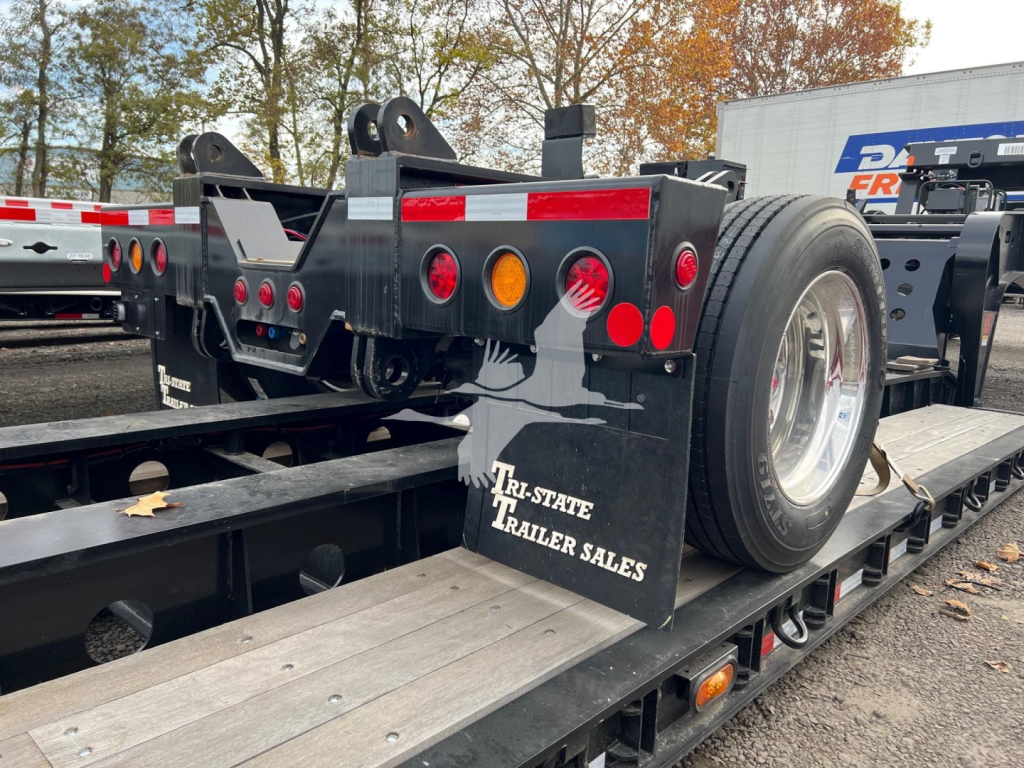
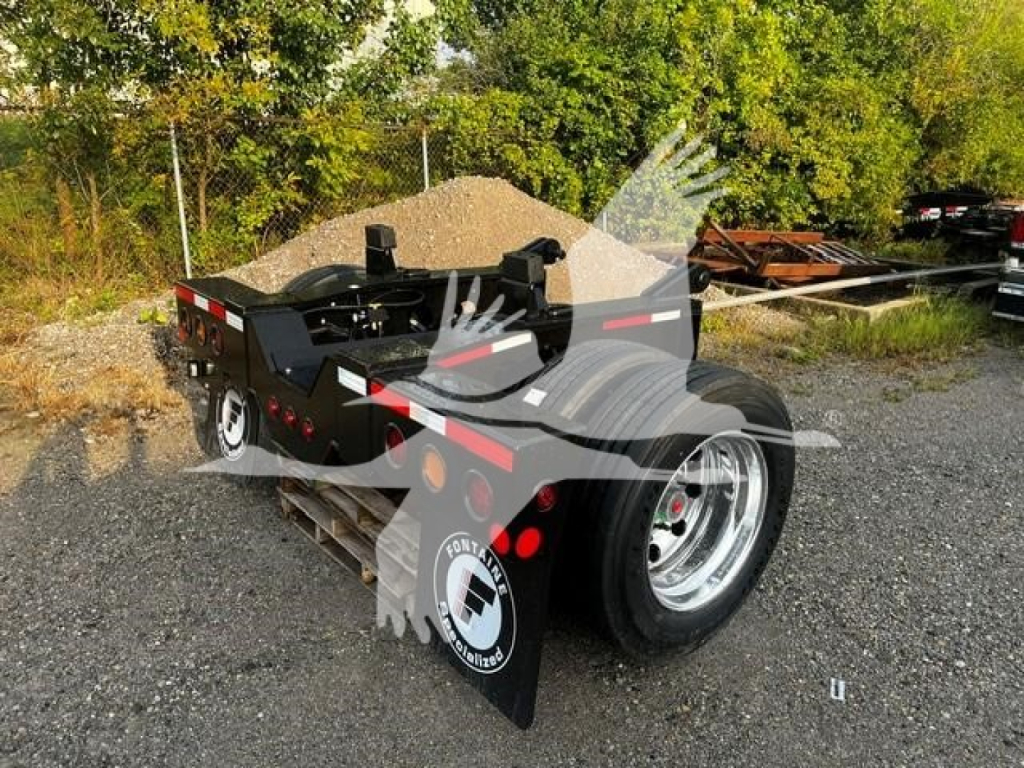
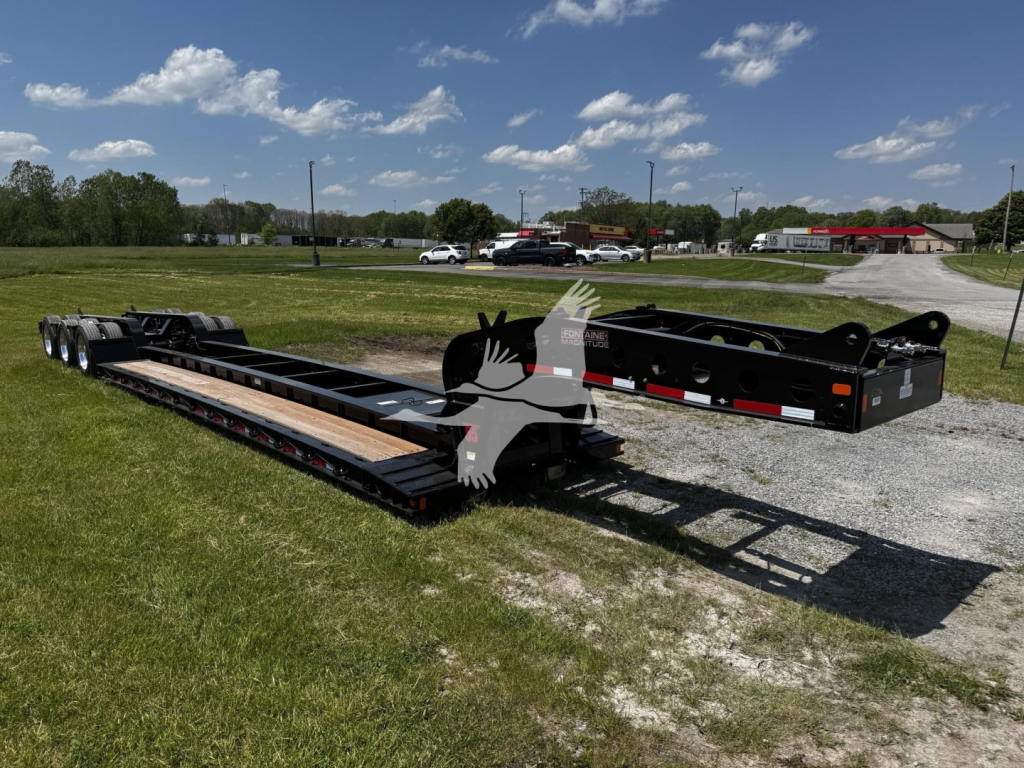
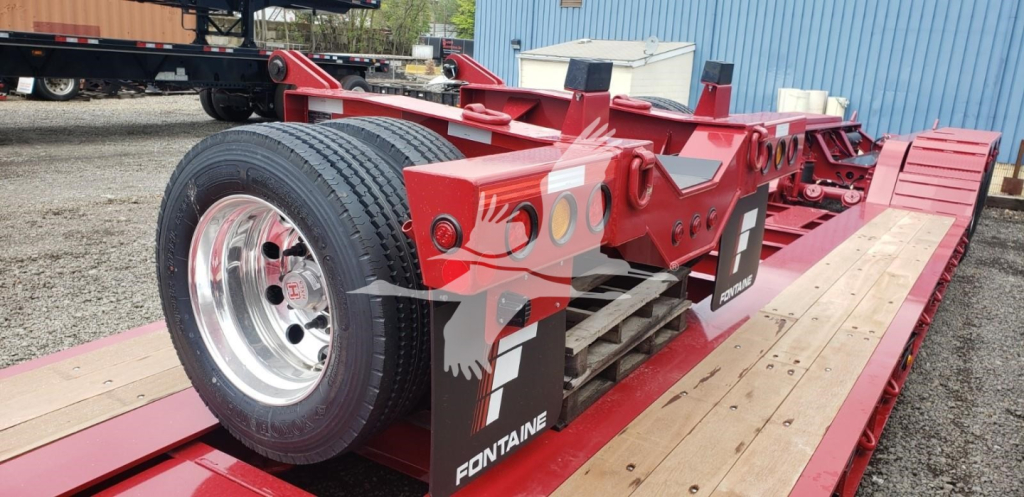
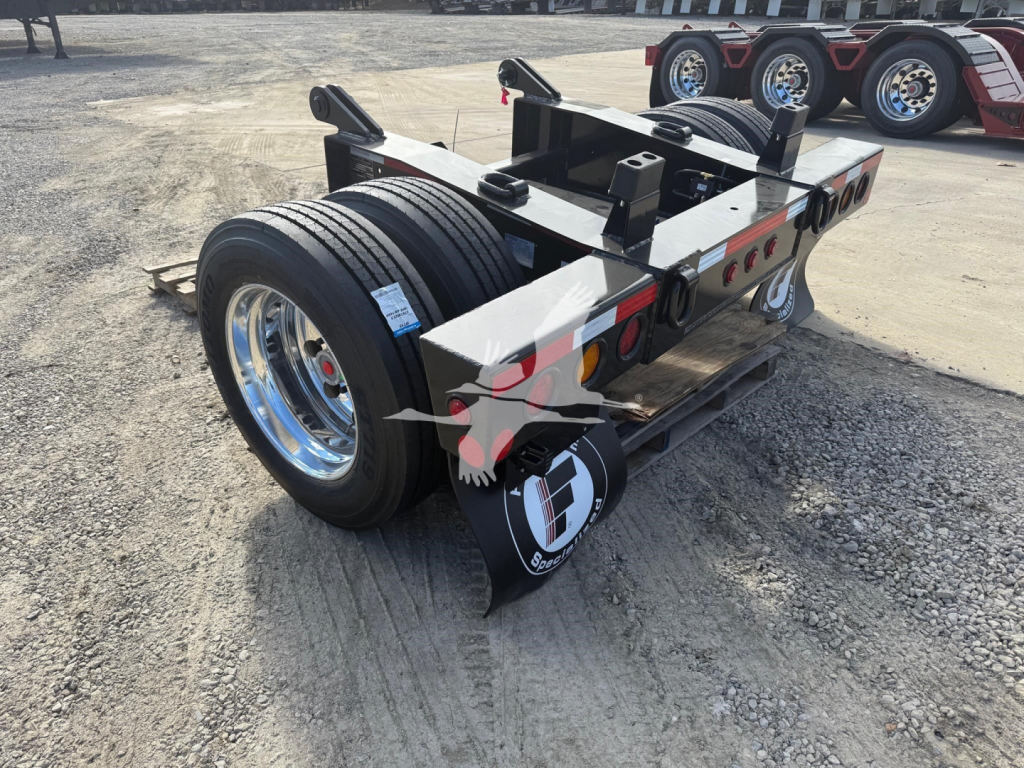
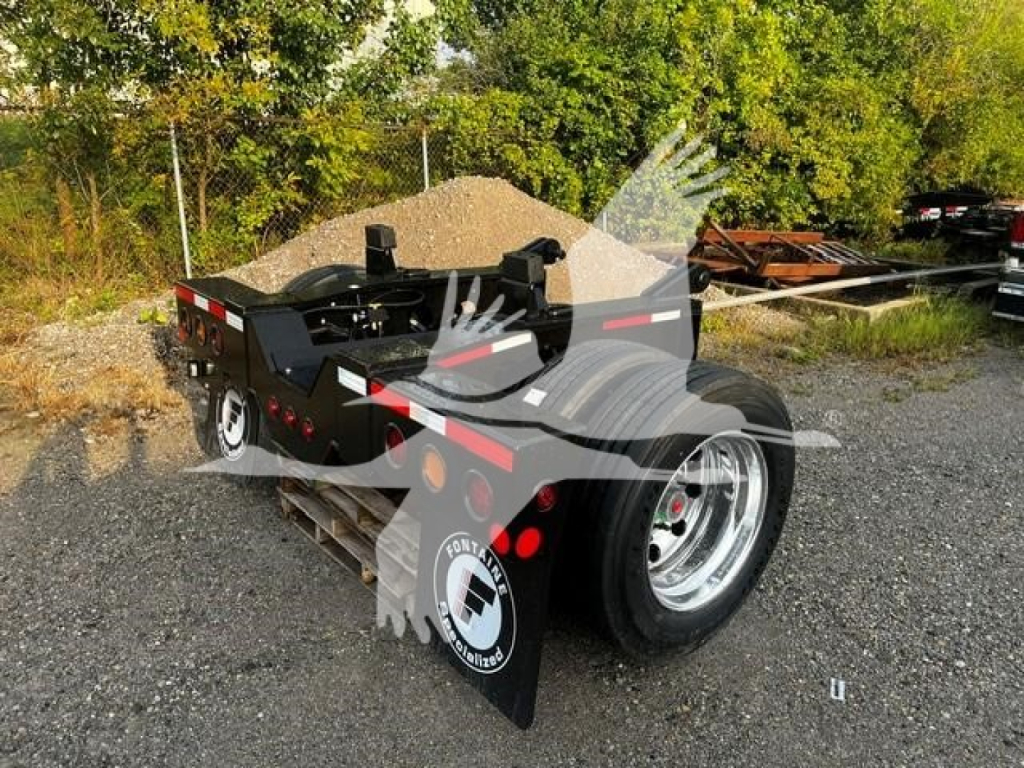
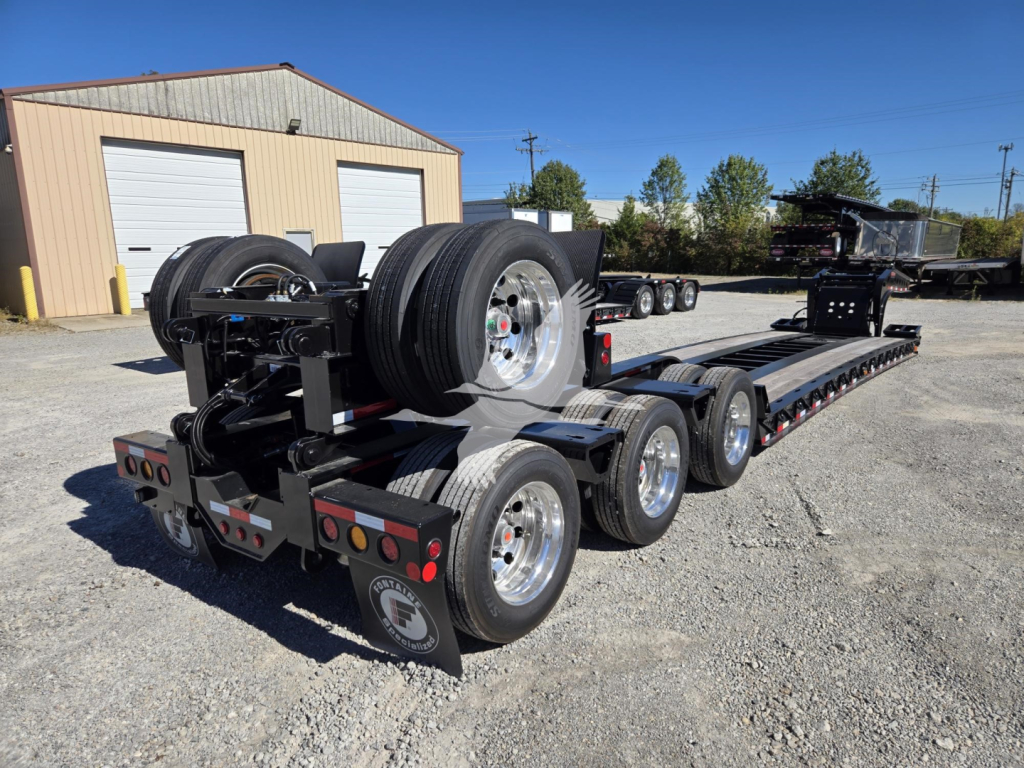
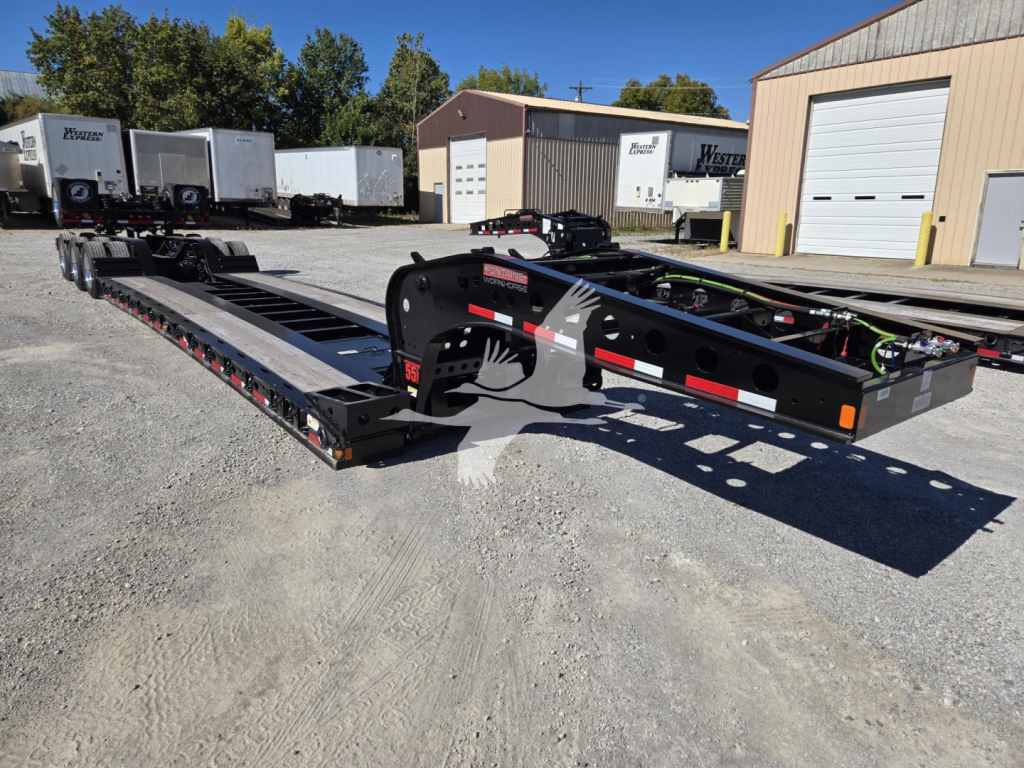
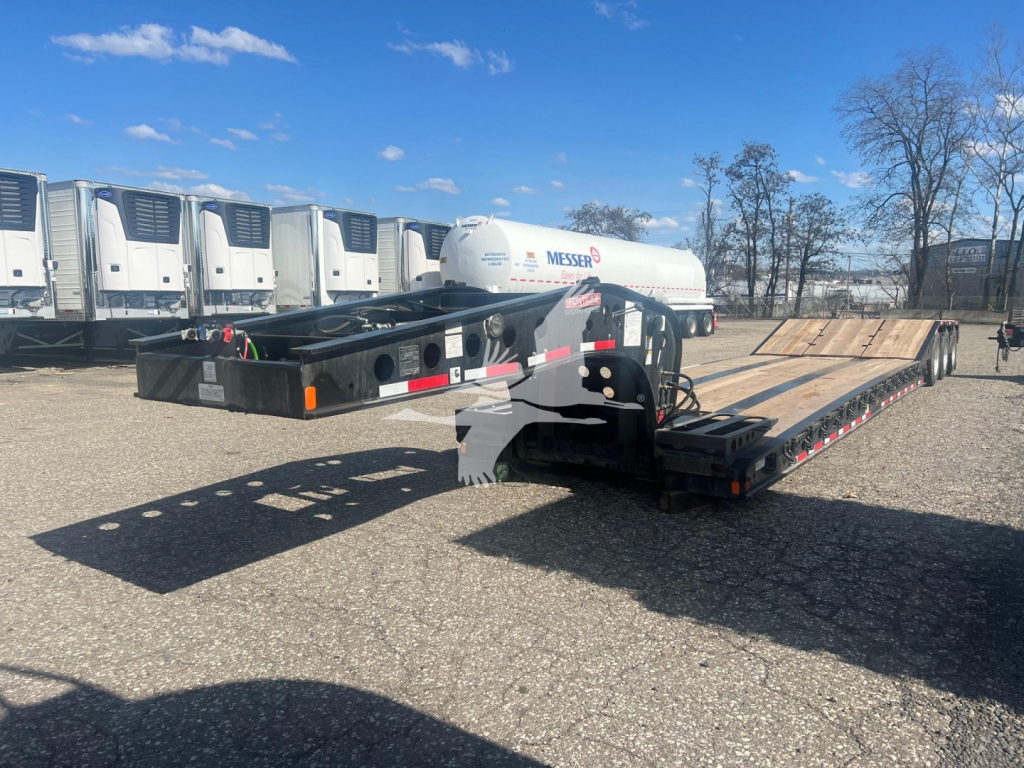
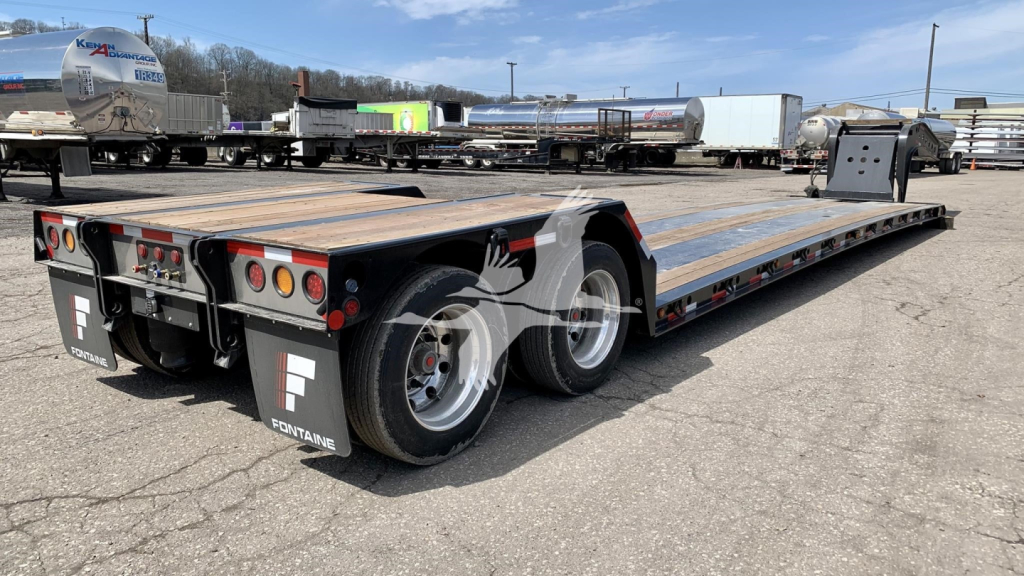
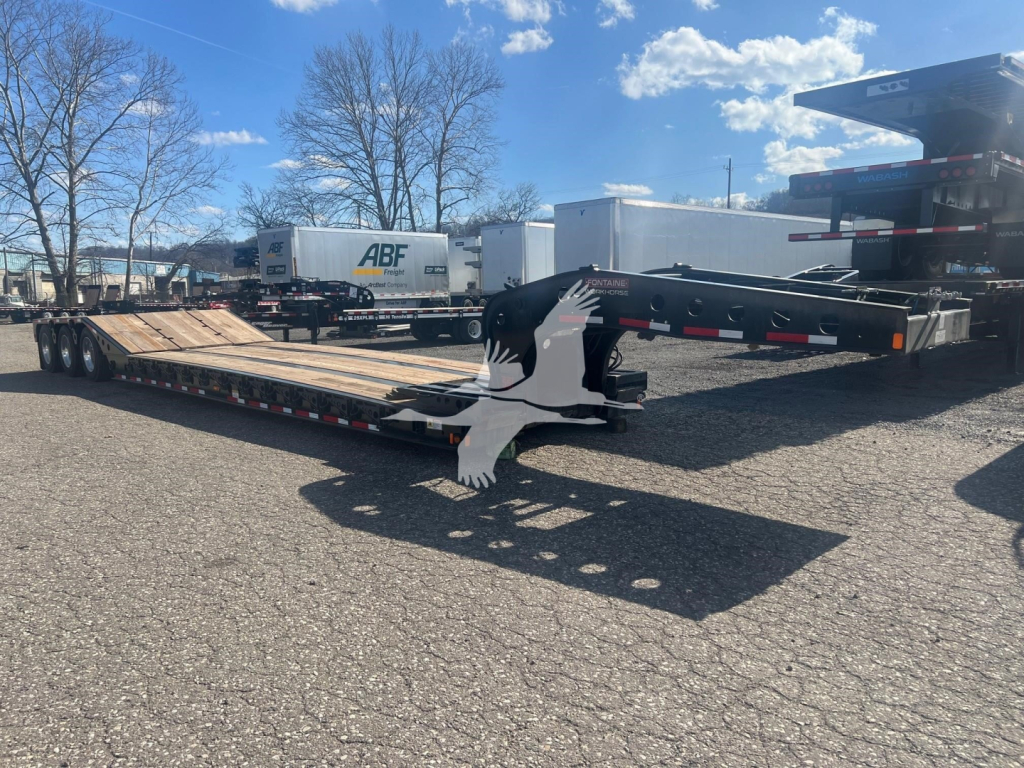
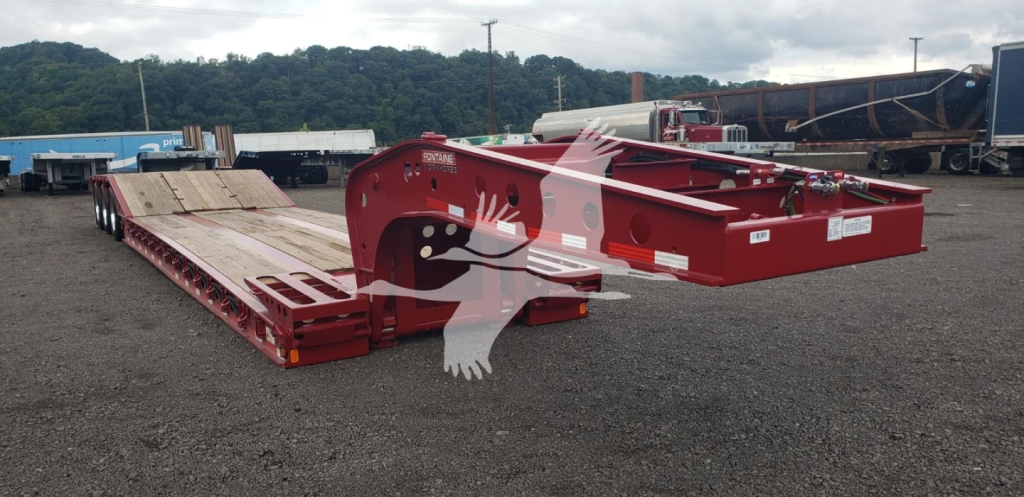
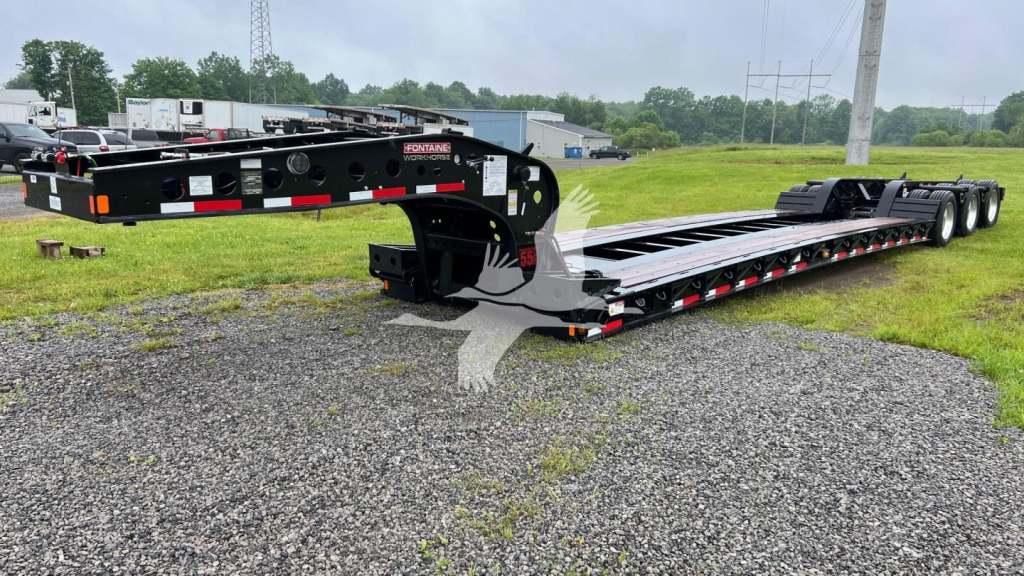
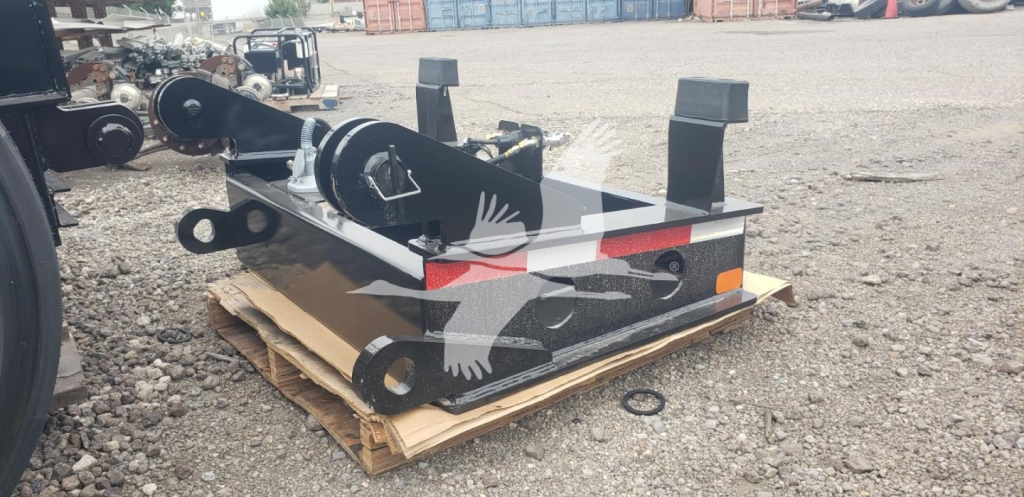
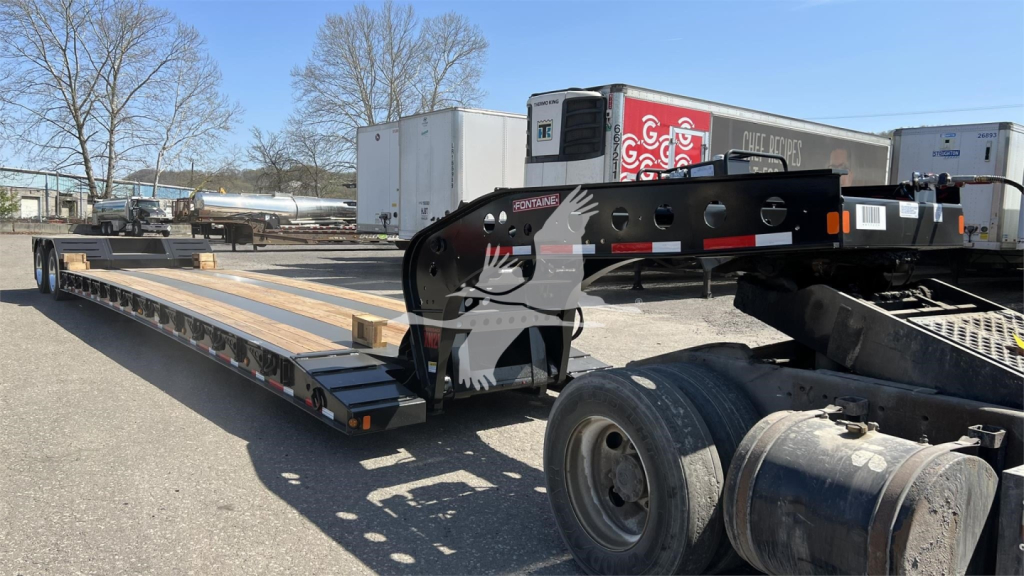
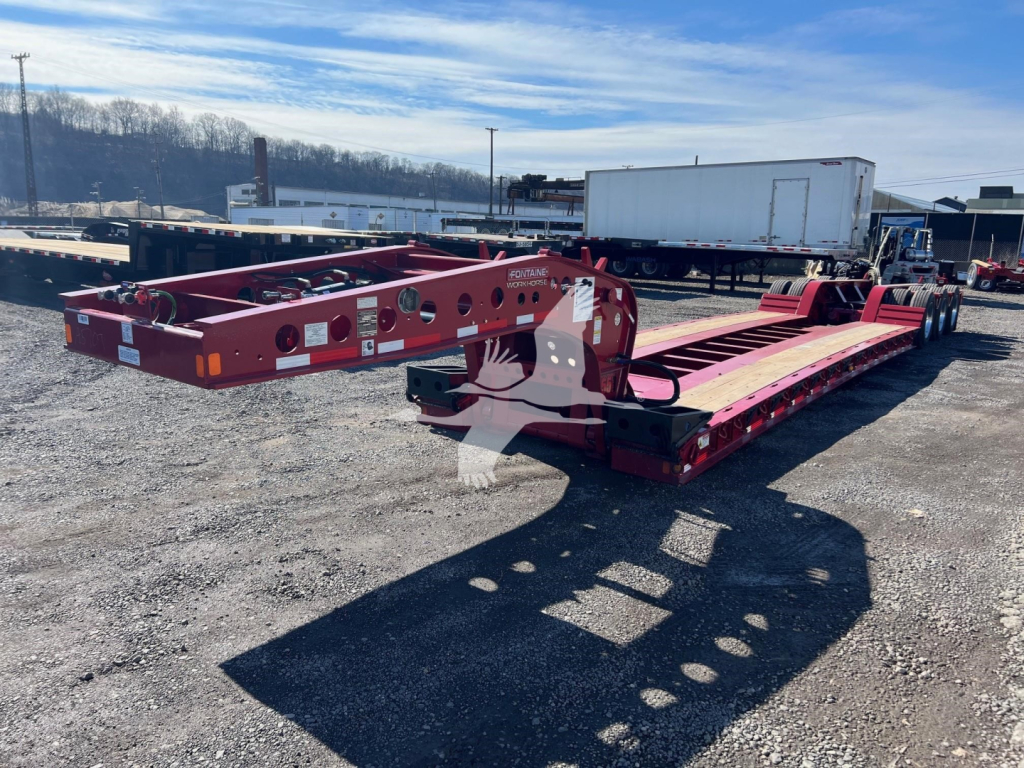
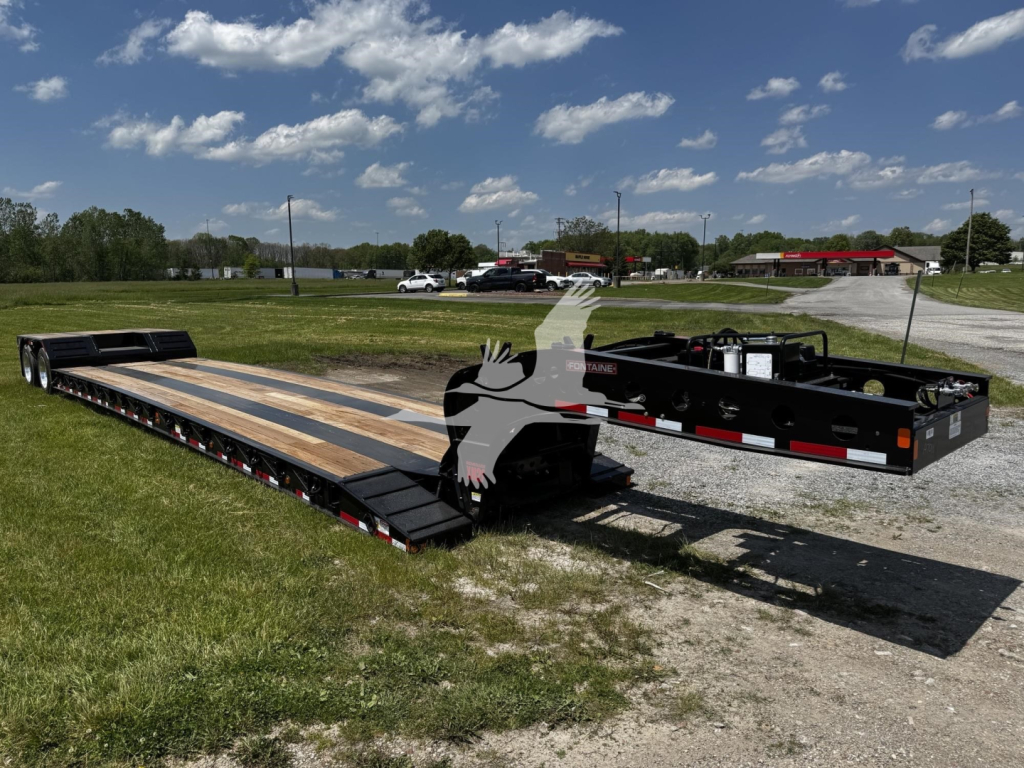
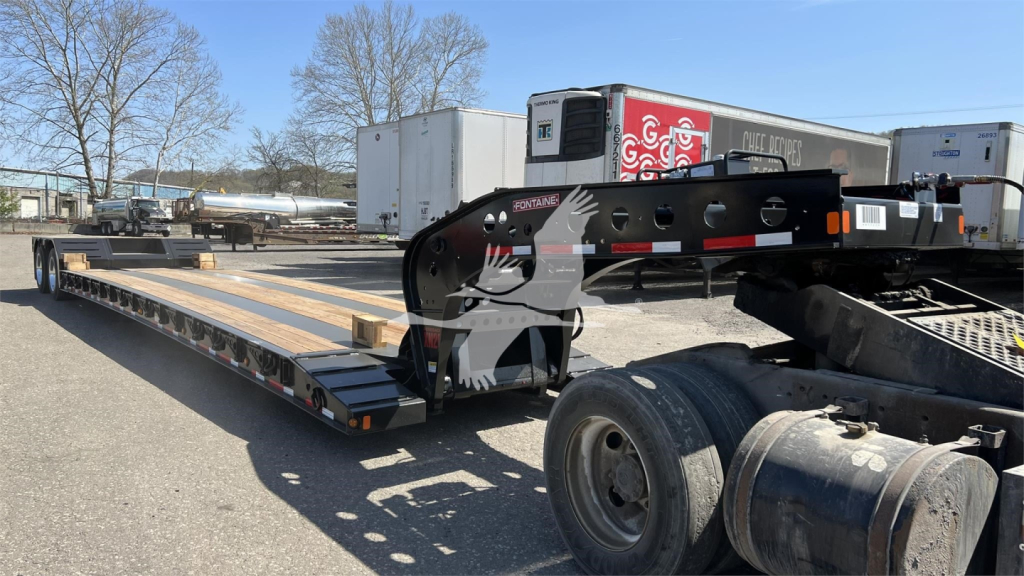
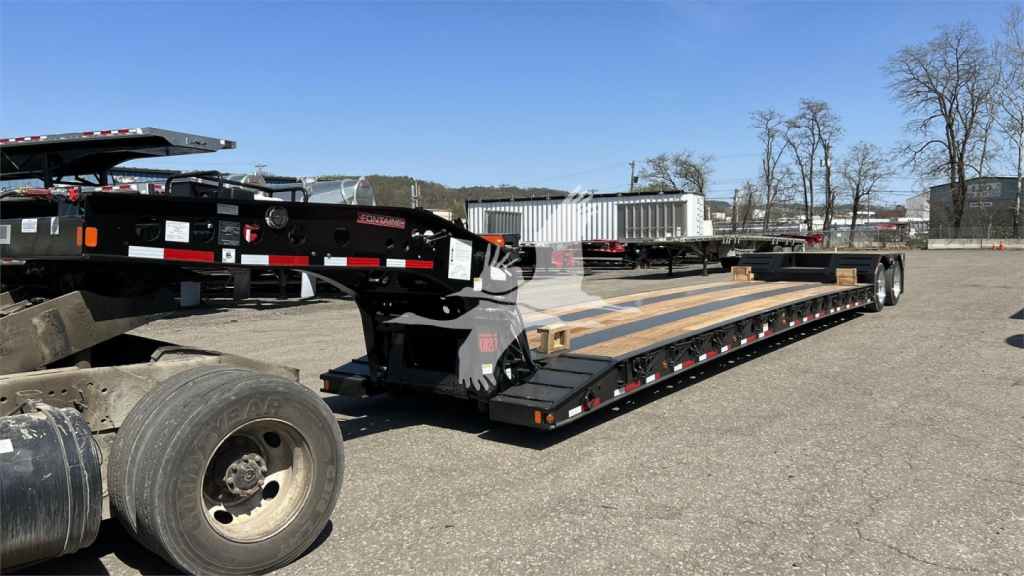
Showing 1 to 28 of 39 results
Selling a new fontaine lowboy trailer? List your new fontaine lowboy trailer for sale and reach thousands of commercial buyers.
New Fontaine Lowboy Trailers in Wisconsin
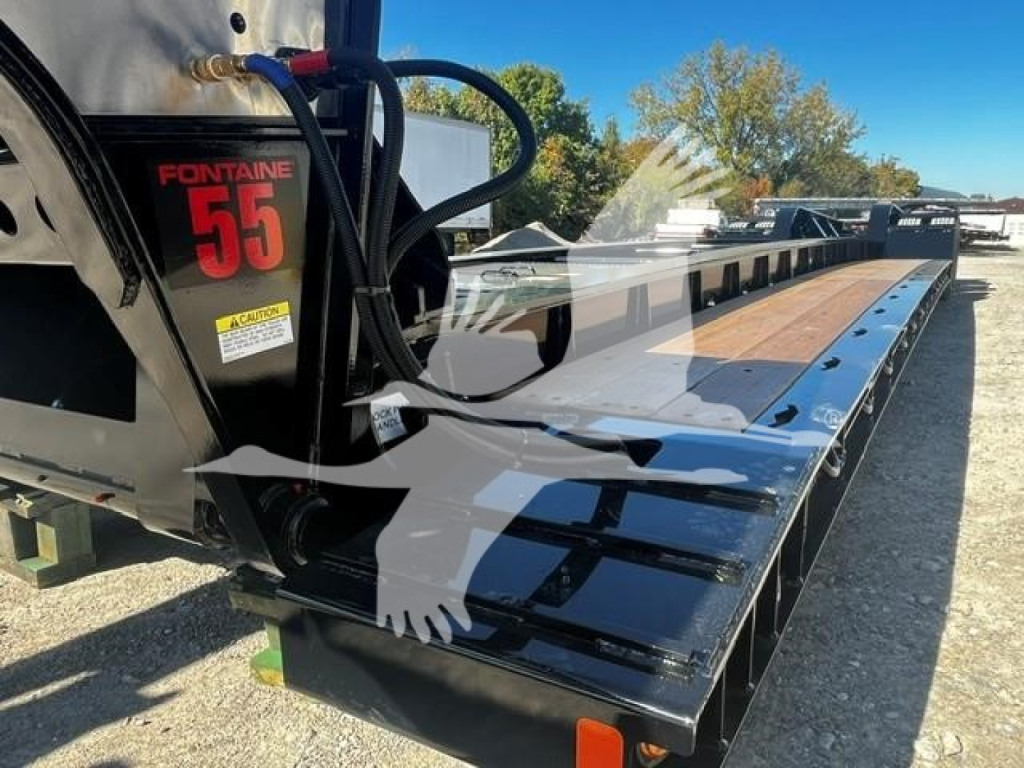
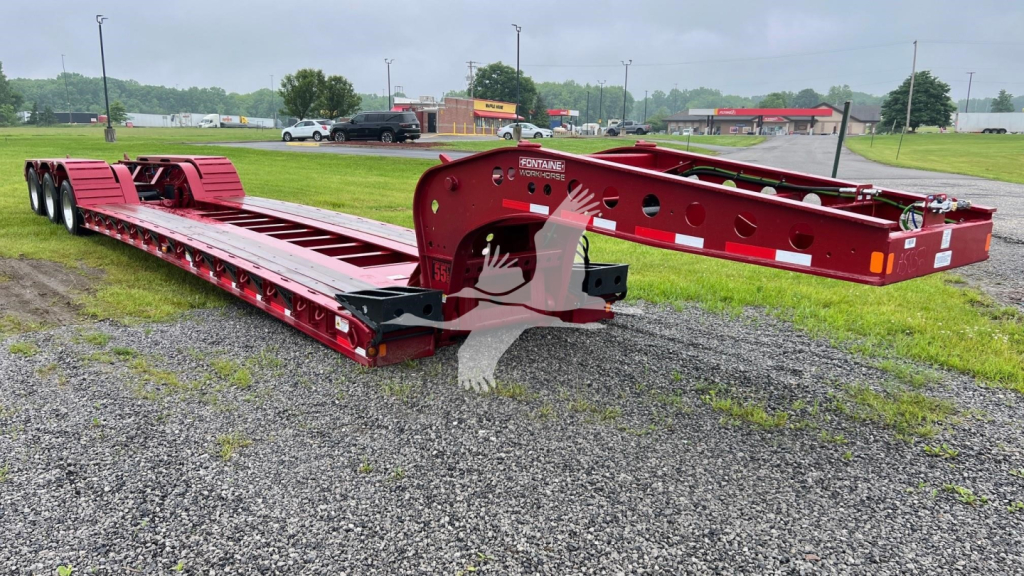
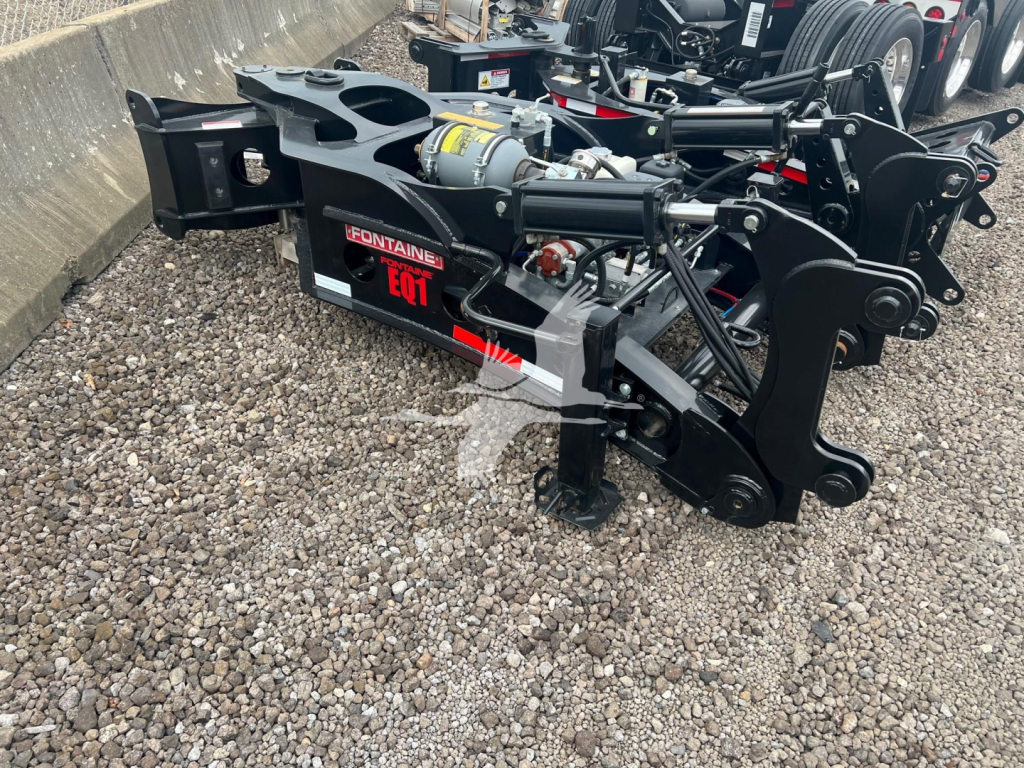
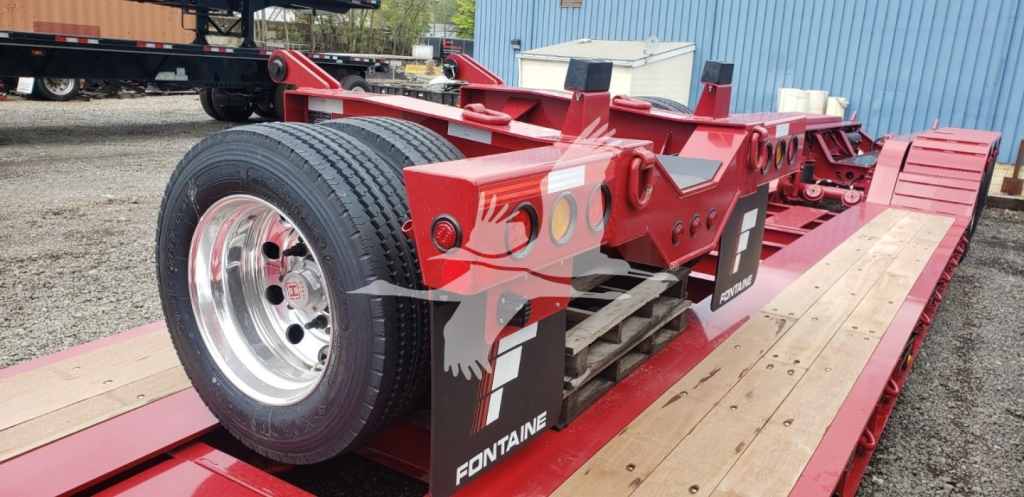
A buyer comparing new Fontaine lowboys should start with deck style and capacity rating. Common configurations in this group include 55-ton steel lowboys with flat low deck or roller paver layouts. Flat low deck designs prioritize low loaded deck height, often around 18 inches, with strong ground clearance and a clear deck in the mid-20-foot range. Roller paver models trade some deck height for a gentler load angle and tapered beam design, which helps with paving equipment, rollers, and other machines that are long, low, or sensitive at the approach point. Capacity is only part of the story. Pay attention to how the rating is measured, such as 110,000 pounds in 10, 13, or 16 feet, because that tells you how concentrated the load can be and where the trailer is strongest.
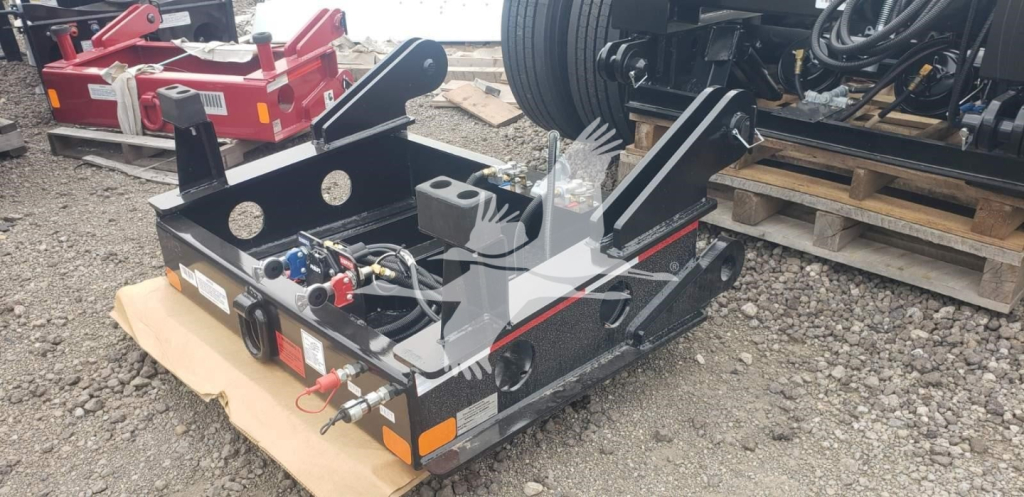
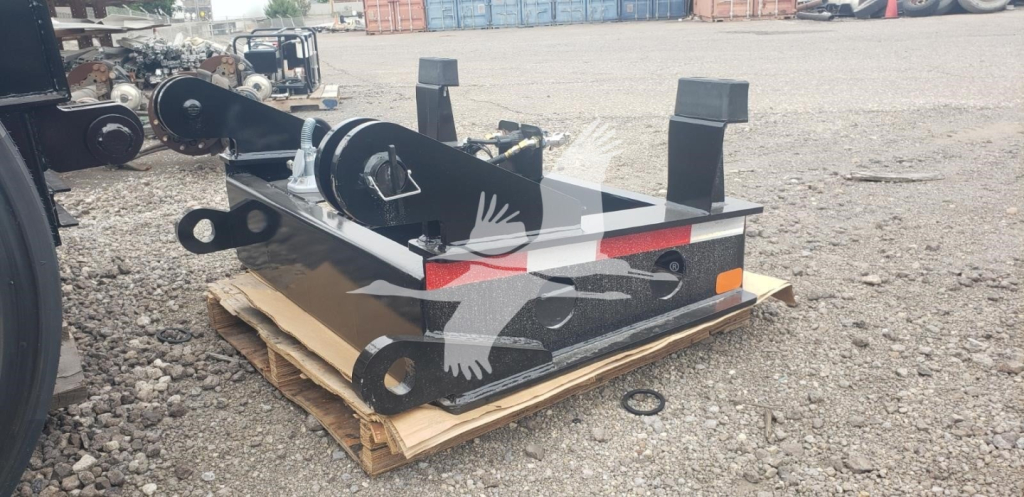
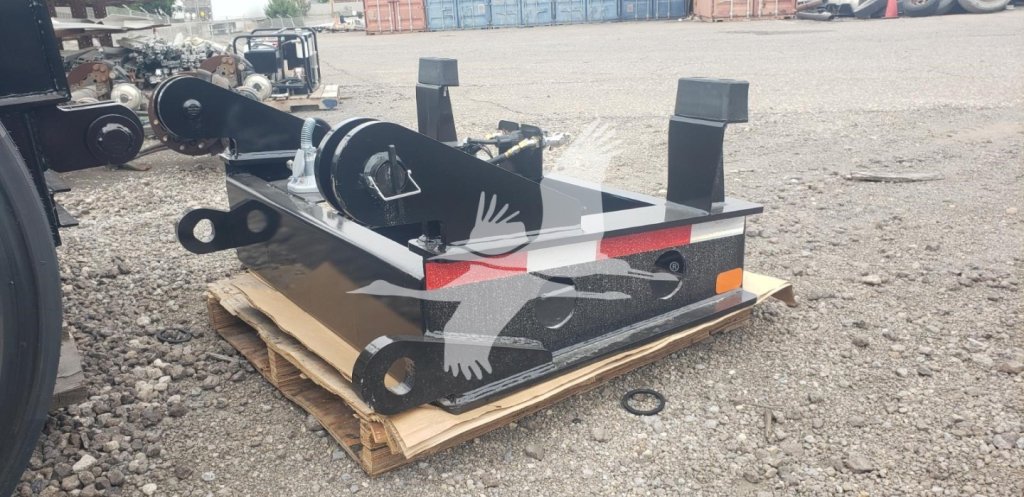
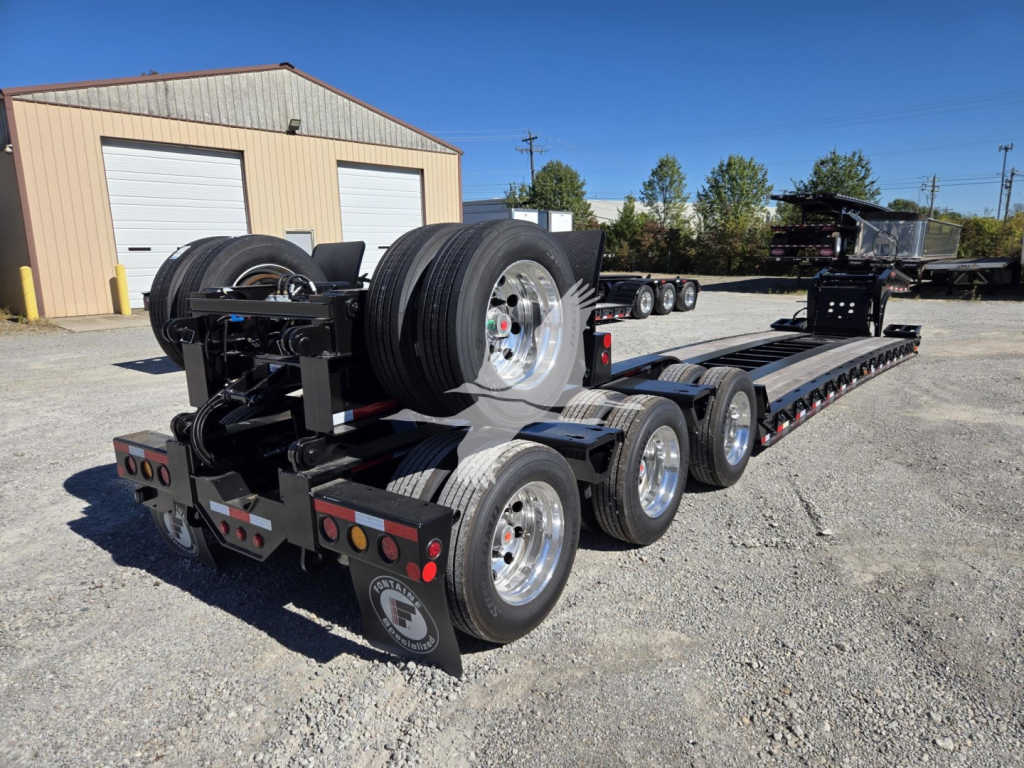
Neck design, rear bogie configuration, and expandability are the next major decisions. Many Fontaine detachable gooseneck lowboys use a ratcheted multi-position neck to adjust swing clearance and improve tractor compatibility. Triaxle bogies are common in this class, and some trailers are built to accept a flip axle, close-coupled axle, spreader bar setup, or flip box to tune the trailer for permit loads and state-specific bridge requirements. Rear ride height adjustment, axle lift on the third axle, and covered or open bogie layouts all affect usability and maintenance. If the work routinely includes oversize machines, look closely at swing clearance, axle spread, and whether the trailer is designed for future axle additions. That flexibility can matter as much as the base trailer spec.
Construction details separate a lowboy that works every day from one that only looks good on paper. Buyers should evaluate loaded deck height, ground clearance, deck length, outriggers, front ramps, boom well length, storage layout, and whether wheel areas are covered or open for easier service access. Steel Fontaine lowboys are popular because they balance repairability, structural durability, and price for hard construction use. For Wisconsin buyers, corrosion protection, wiring protection, and brake and suspension service access deserve extra attention because road salt, freeze-thaw cycles, and off-pavement work accelerate wear. The right new Fontaine lowboy is the one that matches the machines you haul most often, the permits you pull most often, and the axle combinations you may need later.
Frequently Asked Questions about New Fontaine Lowboy Trailers in Wisconsin
What is the main advantage of a Fontaine lowboy trailer compared with a flatbed or step deck?
A lowboy trailer carries heavy equipment much lower to the ground, which reduces overall loaded height and improves stability with tall or top-heavy machines. That lower deck also creates a better loading profile for tracked equipment, pavers, rollers, and machines with limited ground clearance. A flatbed or step deck can handle many general freight applications, but a true lowboy is the better tool for concentrated weight, oversize equipment, and machines that need a detachable neck or very low deck height.
How do I choose between a flat low deck and a roller paver style lowboy?
A flat low deck lowboy is usually the best fit when maximum deck height reduction is the priority and the load has enough clearance to handle the approach angle. A roller paver style lowboy uses a tapered beam and gentler load angle, which helps when loading paving machines, rollers, and low-slung equipment that can drag or hang up on a steeper transition. The decision should be based on the machines you move most often, not just the published ton rating.
What does a 55-ton rating mean on a lowboy trailer?
A 55-ton rating refers to the trailer's intended load capacity, but the rating is tied to a specific load concentration area. For example, one trailer may be rated for 110,000 pounds in 10 feet while another carries that weight over 13 or 16 feet. That difference matters because heavy equipment does not load the deck evenly. Buyers should compare not only the headline tonnage but also the load length, axle group, and any optional flip axle or spreader configuration that affects legal payload and permit flexibility.
Why do flip axles and spreader configurations matter on a new lowboy?
Flip axles, close-coupled axles, and spreader bar setups let a lowboy adapt to heavier loads and different state bridge formulas by changing axle count and spacing. That can improve legal weight distribution and make certain permitted loads easier to route. Even if the trailer will run in a basic triaxle setup most of the time, a model designed to accept additional axle options can protect resale value and give the operation more flexibility as hauling needs change.
What specs should Wisconsin buyers pay close attention to on a new Fontaine lowboy?
Wisconsin buyers should focus on deck height, ground clearance, axle spread, suspension and brake serviceability, and corrosion-related durability. Road salt and winter conditions make protected wiring, quality coatings, and accessible maintenance points especially important. Buyers hauling construction equipment should also verify load angle, swing clearance, and outrigger configuration because muddy jobsites, uneven approaches, and mixed highway use put more demand on the trailer than a simple published capacity number suggests.