
New 2027 Fontaine Lowboy Trailers For Sale
Shop new 2027 Fontaine lowboy trailers built for heavy equipment hauling, with hydraulic detachable necks, low deck heights, and strong payload ratings.
Learn more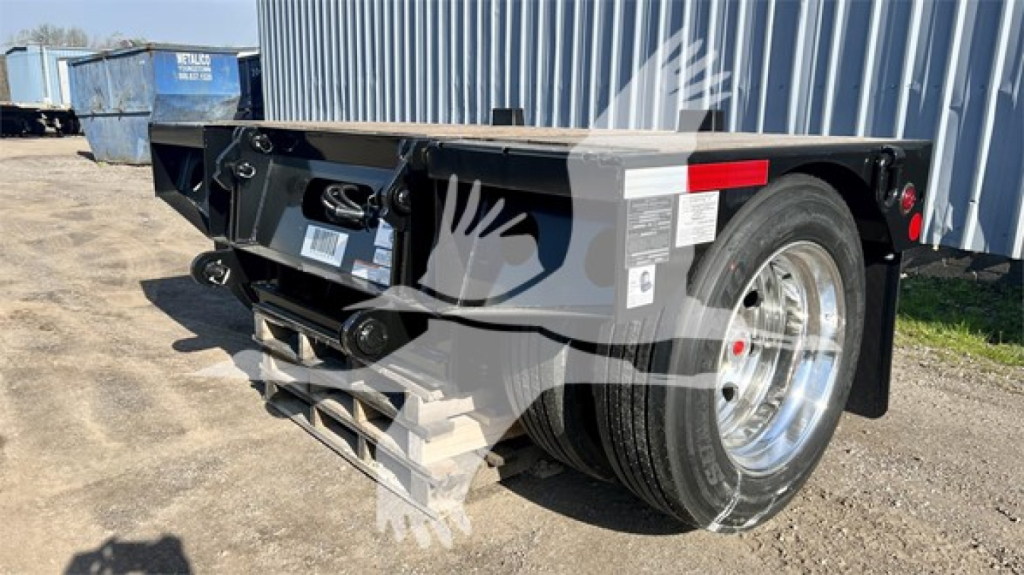
Showing 25 to 25 of 25 results
Have new 2027 fontaine lowboy trailer to sell? List it here to reach thousands of buyers.
About New 2027 Fontaine Lowboy Trailers
The biggest buying decision is usually trailer configuration. Many Fontaine lowboys in this class use a hydraulic detachable, non-ground-bearing gooseneck, which speeds loading and unloading while keeping the trailer versatile for different machines. Common capacity points include 40-ton, 55-ton, 60-ton, and higher modular or flip-axle-assisted ratings depending on axle group and load concentration. Buyers should pay close attention to deck length, loaded fifth wheel height, deck height under load, swing clearance, and whether the trailer is designed to accept a third axle flip, rear flip axle, spreader, or neck extension. Those details affect bridge compliance, load placement, turning clearance, and the ability to adapt the trailer as hauling requirements change.
Fontaine lowboy specs often include 102-inch overall width, Apitong flooring, removable swing-out outriggers, multiple pairs of D-rings, steel side rails, air ride suspension, and 255/70R22.5 or 275/70R22.5 rubber depending on capacity and axle package. Main deck height is a critical number for legal height management, especially when hauling taller equipment under 13 feet 6 inches. Some models prioritize a very low loaded deck for earthmoving iron, while others are built as paver specials or heavy-duty modular platforms with full-width wood-filled wheel covers, boom troughs, hammer plates, chain lift axles, and flip-axle connections. Suspension settings, kingpin setting, crossmember spacing, and ride height positions also matter because they affect tractor compatibility, load balance, and ease of operation in the field.
A buyer comparing new 2027 Fontaine lowboy trailers should match the trailer to the freight first, then to the permit environment and route profile. A contractor moving compact to mid-size machines every day may prefer a lighter 40-ton tandem axle unit with a hydraulic neck and simple air ride setup. A paving or heavy civil operation may need a tridem, lift axle provisions, load-bearing wheel areas, and stronger concentrated-load ratings in a shorter span. If future flexibility matters, look for lowboys already set up for flip axles, modular connections, adjustable ride heights, and specialized deck features that reduce loading compromises. The right Fontaine lowboy is not just about tonnage on paper. It is about legal loading, practical deck geometry, tractor match, and how efficiently the trailer handles the equipment your operation moves most often.
Frequently Asked Questions
What is the advantage of a Fontaine hydraulic detachable lowboy trailer?
A hydraulic detachable lowboy lets the operator remove the gooseneck and load self-propelled equipment from the front without separate loading ramps. That improves loading angle, saves time on repeated moves, and makes it easier to handle machines with low ground clearance or long track frames. On Fontaine trailers, hydraulic detachable non-ground-bearing neck designs are common because they balance durability, fast operation, and compatibility with a wide range of construction equipment.
How do I choose between a 40-ton, 55-ton, or 60-ton Fontaine lowboy?
Capacity should be matched to the actual machine weight, axle spacing, and how concentrated the load is across the deck. A 40-ton lowboy is common for many excavators, loaders, and general contractor equipment, while 55-ton and 60-ton classes are better suited for heavier iron, paving equipment, and more demanding load concentration. Buyers should verify the rated capacity in the stated load length, because a trailer rated for a certain tonnage in 16 feet may carry less if the machine's weight is spread differently or bridge requirements force a different axle setup.
Why do deck height and loaded fifth wheel height matter on a lowboy trailer?
Deck height directly affects legal loaded height and determines what equipment can move without overheight permits. Loaded fifth wheel height matters because it affects how the trailer sits behind the tractor, load angle across the neck, and overall ride height. On a lowboy, a small difference in tractor height or neck setting can change ground clearance, deck level, and how easily a machine transitions onto the main deck. Matching the trailer to the tractor is essential for safe loading and proper weight distribution.
What options are most important on a new Fontaine lowboy for heavy equipment hauling?
The most important options depend on the freight, but many buyers prioritize air ride suspension, removable outriggers, multiple D-ring tie-down points, Apitong flooring, adjustable ride height positions, and flip axle preparation. For specialized hauling, features like boom troughs, load-bearing wheel covers, hammer plates, lift axles, modular connections, and neck extensions can make a major difference. These options improve flexibility, help with unusual machine configurations, and allow the trailer to handle a broader range of jobs without modification.
Are Fontaine lowboy trailers good for paving and road-building equipment?
Yes. Fontaine offers lowboy configurations that fit paving and road-building applications well, especially units with clear deck space, strong concentrated-load ratings, low loading angles, and axle setups designed for heavier specialized machines. Paver-focused designs may include full-width loading surfaces, wood-filled wheel areas, and rear configurations that better support asphalt and road construction equipment. For paving fleets, the right trailer usually comes down to deck geometry, tridem or modular axle arrangement, and how well the trailer handles repeated loading on active jobsites.