
Eager Beaver Lowboy Trailers For Sale in Ohio
Shop Eager Beaver lowboy trailers for heavy equipment hauling, with detachable goosenecks, 35- to 50-ton ratings, air ride, and durable deck options.
Selling a eager beaver lowboy trailer? List your eager beaver lowboy trailer for sale and reach thousands of commercial buyers.
Eager Beaver Lowboy Trailers in Ohio
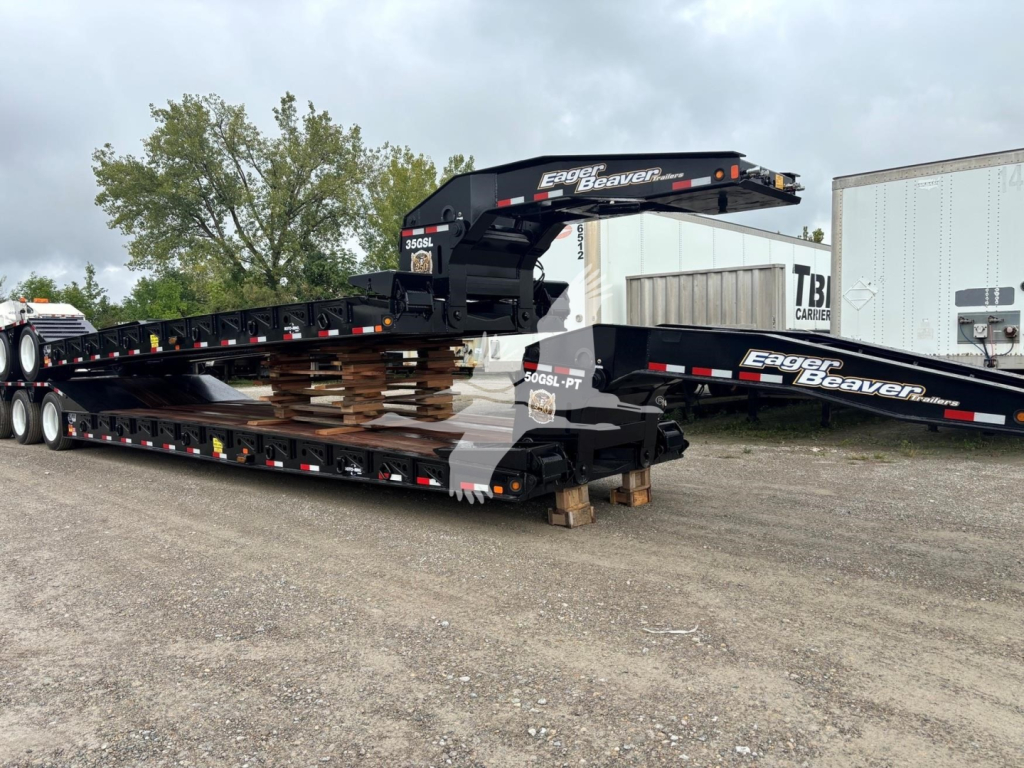
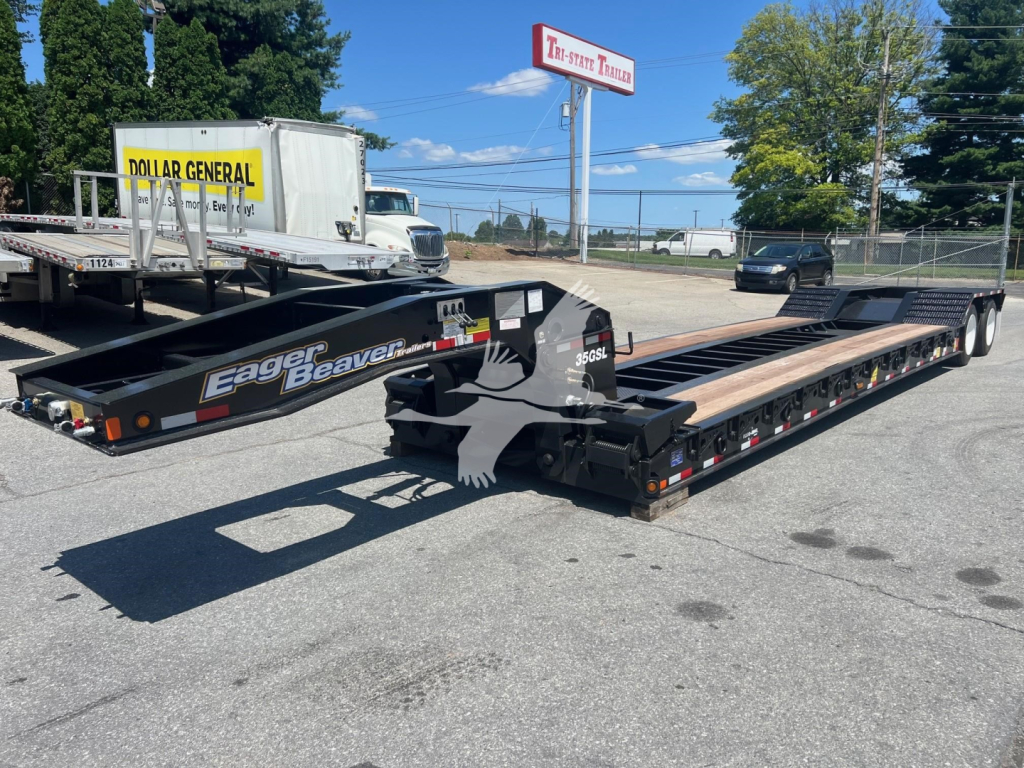
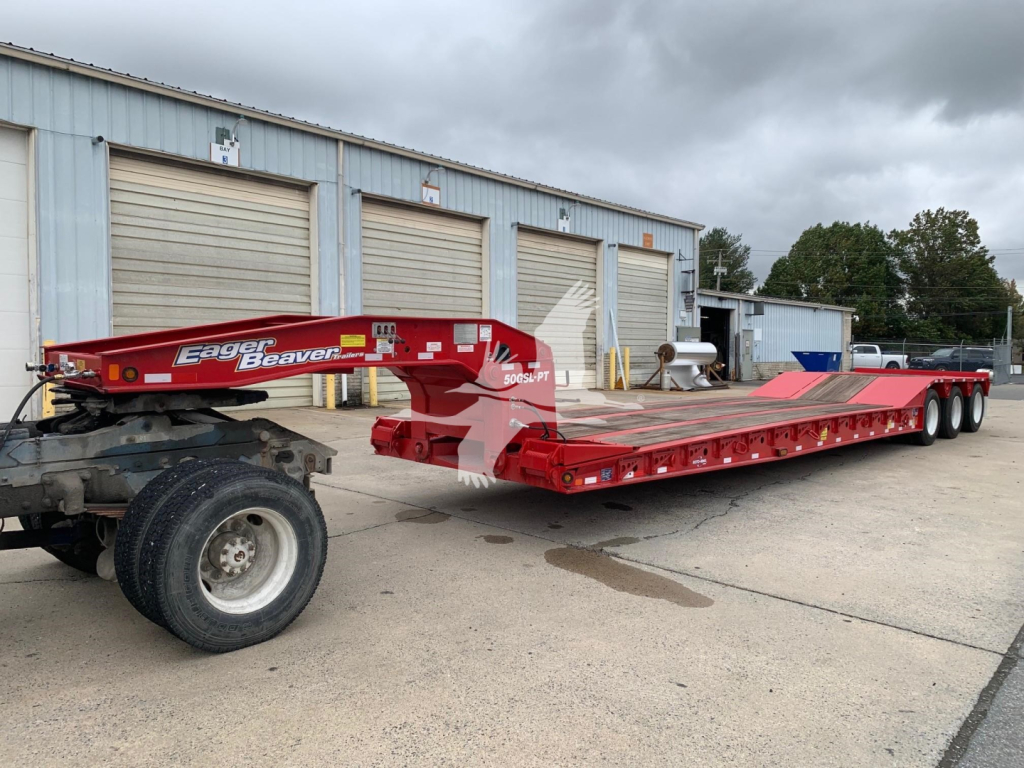
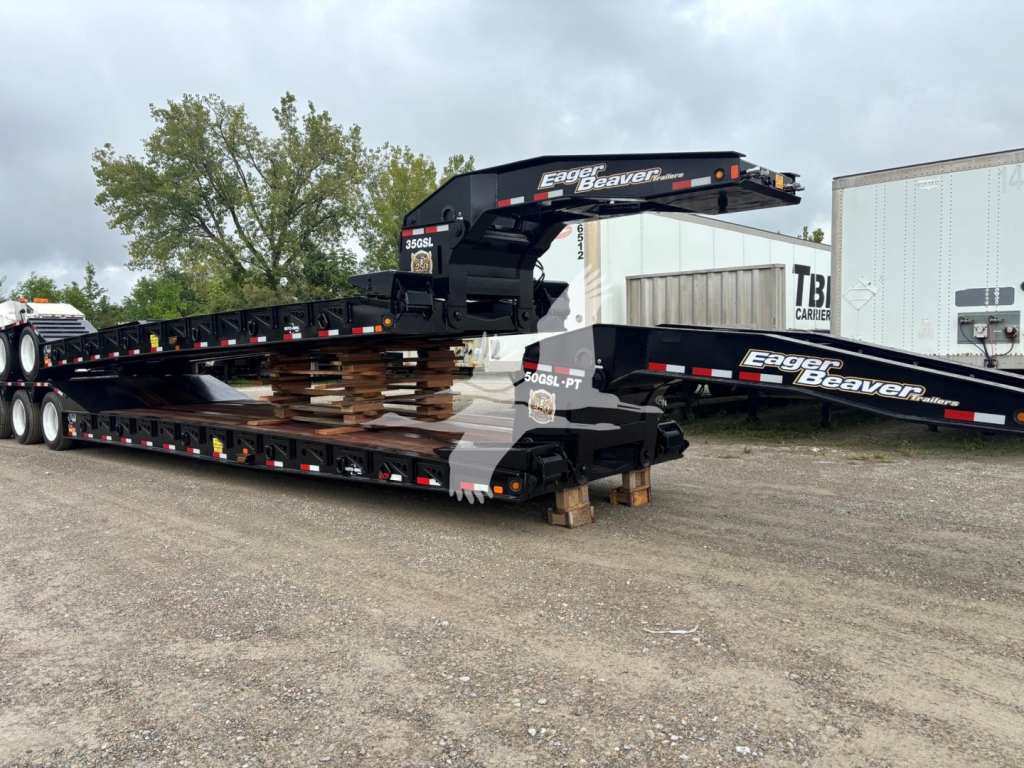
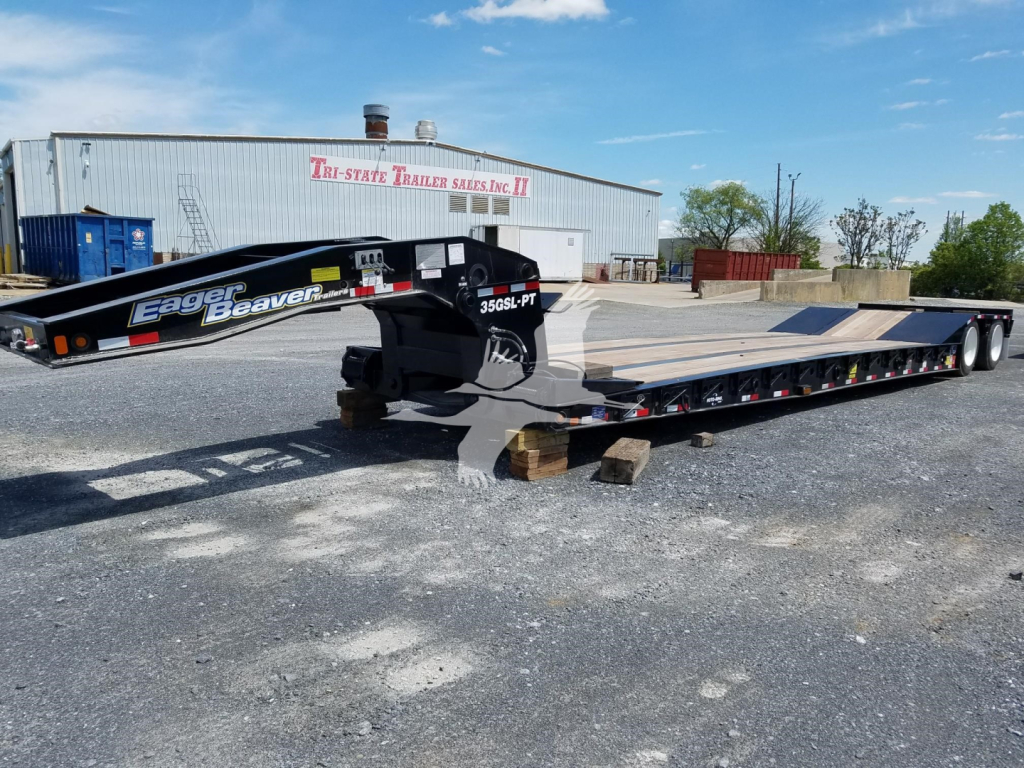
A good place to start is with deck layout and loading geometry. Many Eager Beaver lowboys in this class run 102-inch overall width, around a 24-inch loaded deck height, and a main deck length near 24 feet, with top deck and rear deck dimensions that support common yellow iron. A hydraulic detachable, non-ground-bearing gooseneck is a key feature for operators loading tracked machines from the front. Buyers should also pay attention to swing clearance, kingpin setting, riser design, and rear ramp arrangement, since those details affect tractor compatibility, turning clearance, and how easily longer-wheelbase machines can be loaded and secured.
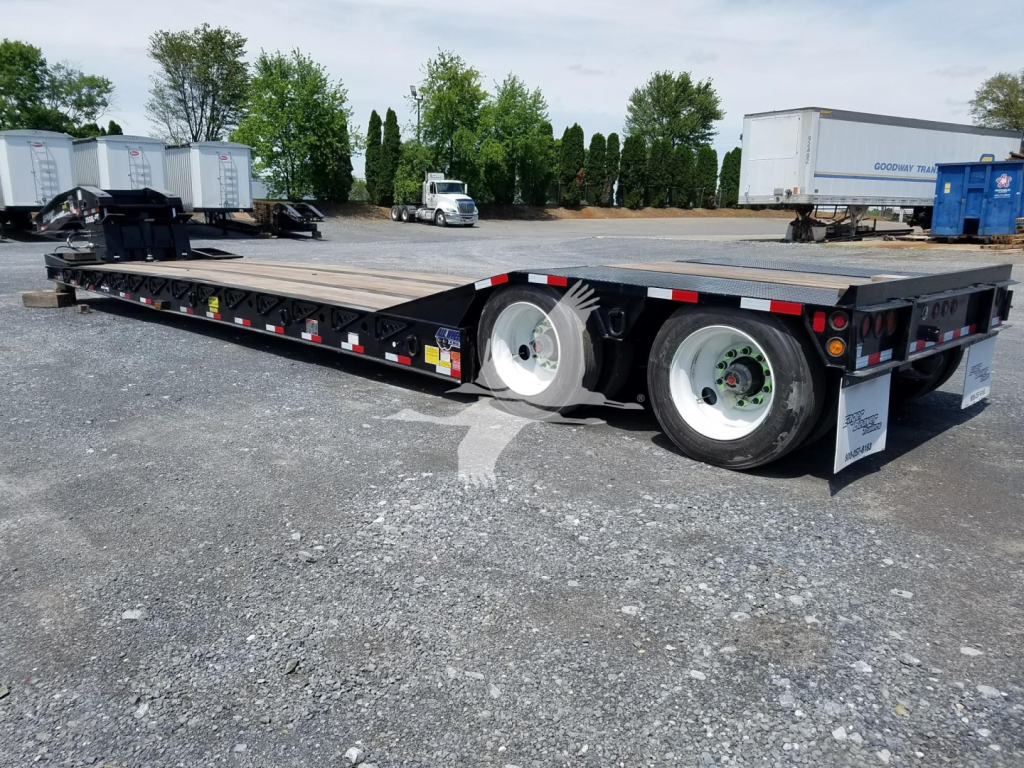
Suspension and axle configuration matter just as much as rated capacity. Eager Beaver lowboy trailers in this segment are commonly set up as tandem or tri-axle units with air ride suspension, 54-inch axle spacing, dump valves, raise-and-lower controls, and in some cases a lift axle. Those features help with ride quality, deck height management, and tire wear when the trailer is empty or lightly loaded. Tire size, wheel type, and brake spec should be reviewed with your routing and state bridge laws in mind, especially in Ohio and surrounding Midwest lanes where permit requirements, axle spacing, and legal load strategy can influence which trailer setup makes the most operational sense.
Construction details are where long-term value shows up. Eager Beaver trailers often use 1-1/2 inch Apitong flooring, steel perimeter beams, close crossmember spacing, outriggers on 24-inch centers, ROTO-style D-rings, and practical touches like roller stops, flag holders, and battery-backed amber strobes. For buyers hauling pavers or steel-tracked equipment, features such as mesh center decking, wood-filled ramp sections, and reinforced trunnion areas can make a real difference in durability and day-to-day loading. When comparing listings, focus less on model year alone and more on ton rating, neck style, axle count, deck dimensions, securement layout, and overall tare weight, because those are the specs that determine what the trailer can legally haul and how efficiently it will work in the field.
Frequently Asked Questions about Eager Beaver Lowboy Trailers in Ohio
What is the difference between a 35-ton and 50-ton Eager Beaver lowboy trailer?
The main difference is payload capability, but axle count, trailer weight, and application usually change with it. A 35-ton lowboy is commonly used for pavers, skid steer attachments, smaller excavators, and mid-size construction equipment, often with a tandem axle layout. A 50-ton version typically adds capacity for heavier excavators, dozers, and denser loads, and it is often built as a tri-axle trailer with a higher tare weight and different bridge characteristics. The right choice depends on the actual operating weight of your equipment, your permit strategy, and the tractor you plan to pull it with.
Why do buyers choose a hydraulic detachable gooseneck lowboy?
A hydraulic detachable gooseneck allows front loading, which is safer and more efficient for many tracked machines than using rear ramps alone. It reduces loading angle issues, simplifies loading of low-clearance equipment, and speeds up machine transitions on job sites. Non-ground-bearing detachable necks are especially common in this class because they can work well in uneven terrain and are practical for construction fleets that load in gravel lots, road shoulders, and unfinished sites.
What specs matter most when comparing Eager Beaver lowboy trailers?
The most important specs are ton rating, axle configuration, deck length, loaded deck height, gooseneck style, swing clearance, and trailer tare weight. After that, review securement and durability details such as D-ring count, outrigger spacing, floor material, crossmember spacing, and suspension type. Buyers should also confirm kingpin setting, loaded fifth wheel height, tire size, and lift axle or dump valve features, because those affect tractor match, maneuverability, and legal load distribution.
Is air ride suspension a good choice on a lowboy trailer?
Air ride is a strong choice for many lowboy applications because it improves ride quality, helps protect equipment during transport, and gives the operator more control over trailer height. Raise-and-lower functions and dump valves can make loading easier and help fine-tune deck position. Air ride systems do add components that need maintenance, so buyers should balance ride quality and adjustability against service preferences and operating environment.
Are Eager Beaver lowboy trailers suited for paving and construction fleets in Ohio?
Yes. Eager Beaver lowboys are commonly configured in ways that fit paving, utility, excavation, and general construction work seen across Ohio and the Midwest. Typical features such as 102-inch width, detachable goosenecks, air ride suspensions, Apitong decking, and practical securement layouts support the transport of pavers, rollers, excavators, and similar machines. Buyers still need to match the trailer to local route restrictions, permit requirements, and axle law considerations, especially when moving heavier or taller equipment.