
New Kalyn Siebert Trailers For Sale
Shop new Kalyn Siebert trailers, including lowboy and heavy haul models, built for demanding construction, equipment transport, and oversize loads.
No exact matches found for your search
Showing New Trailers instead.
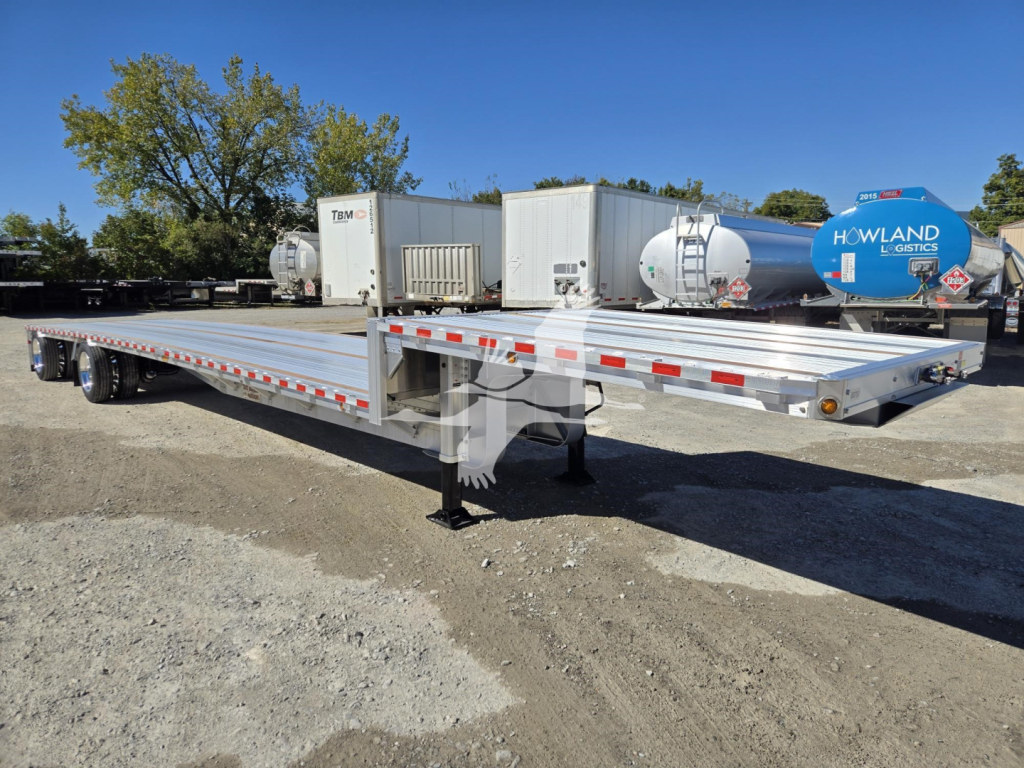
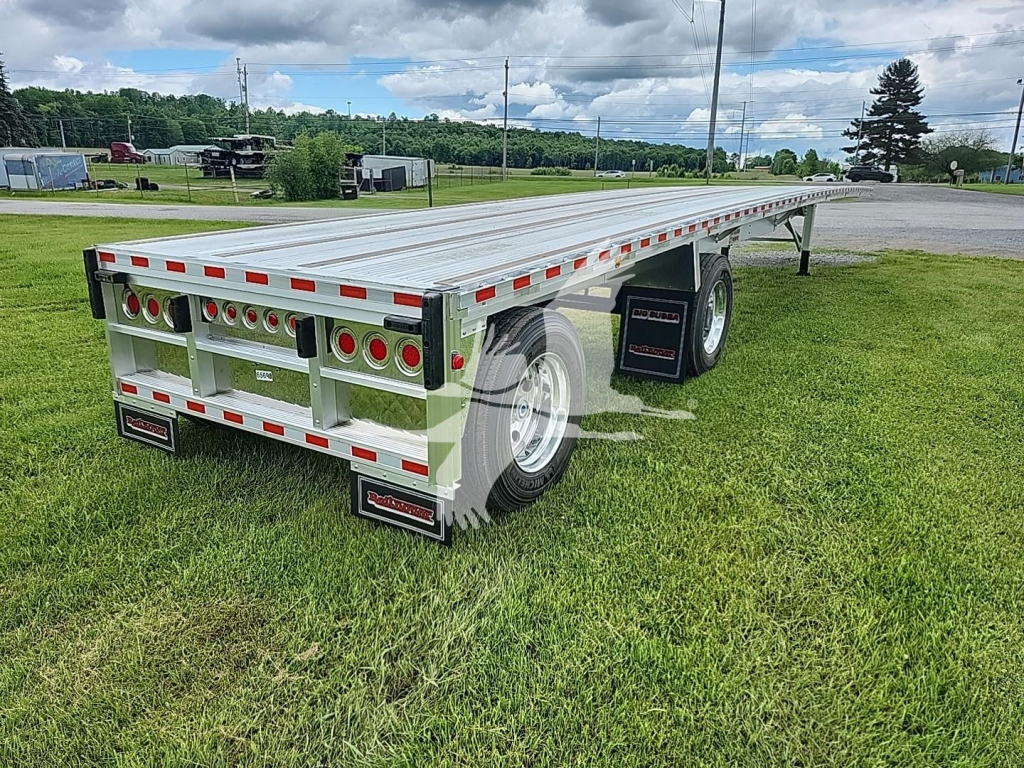
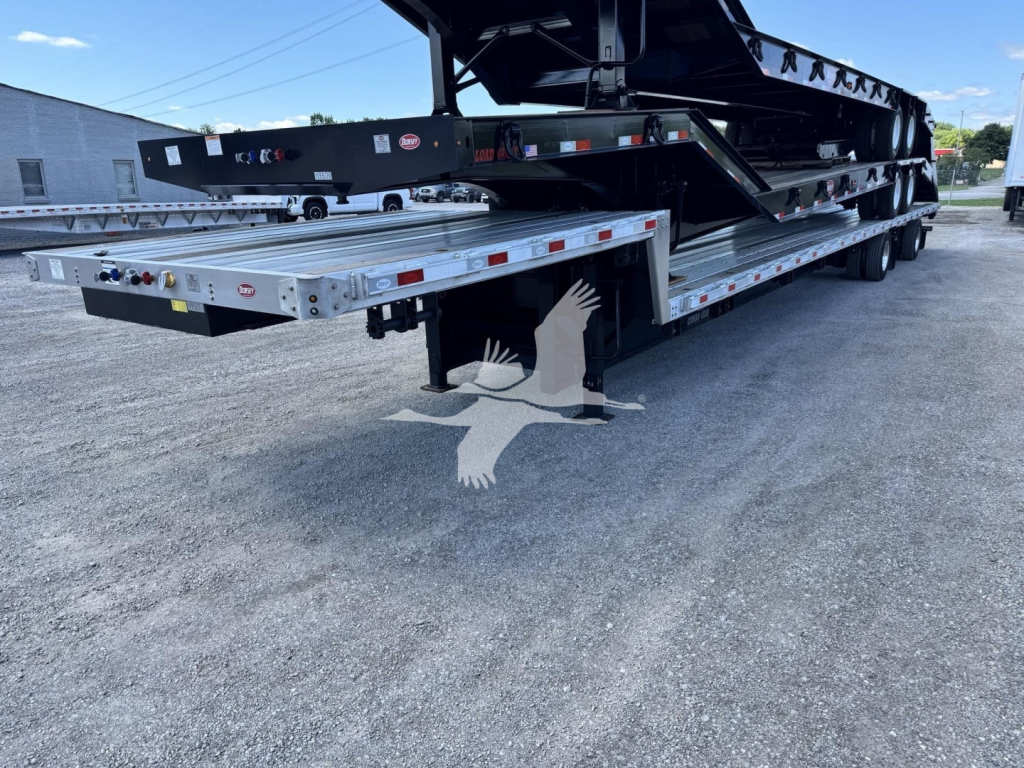
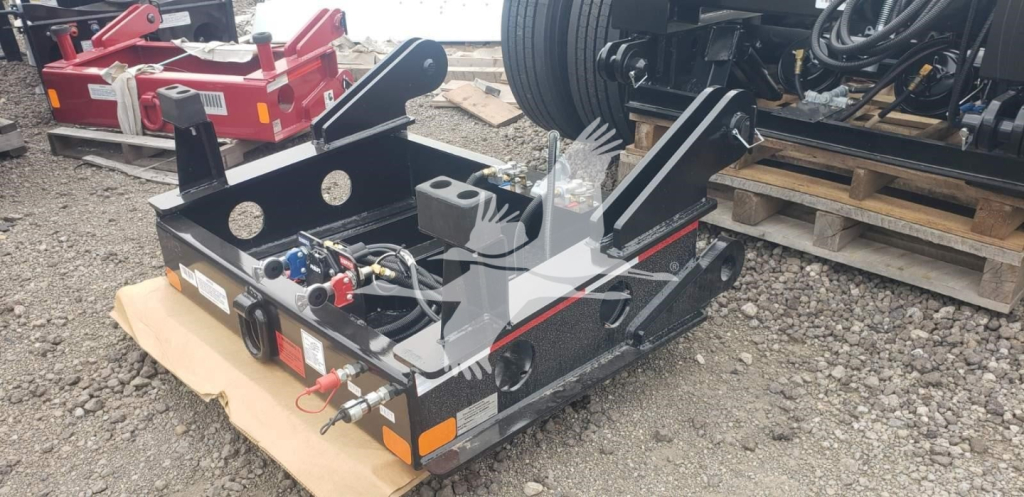
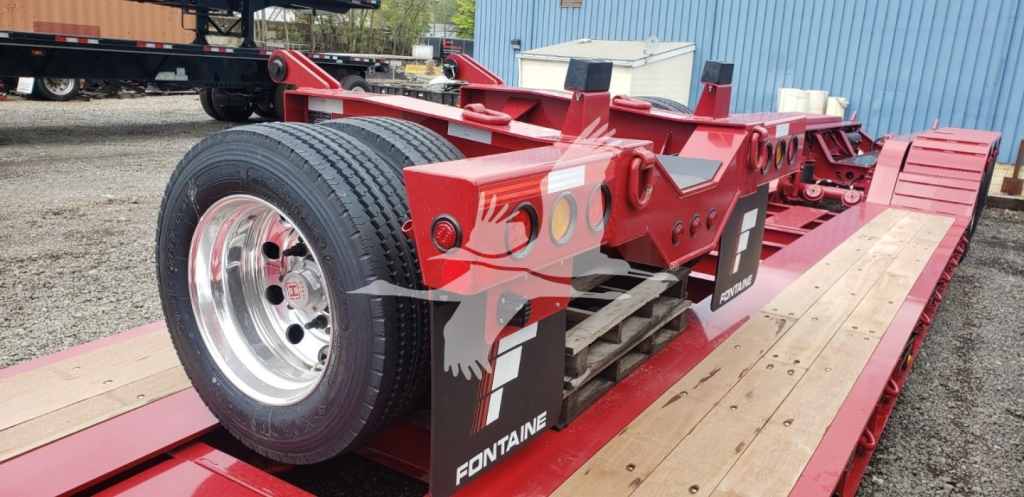
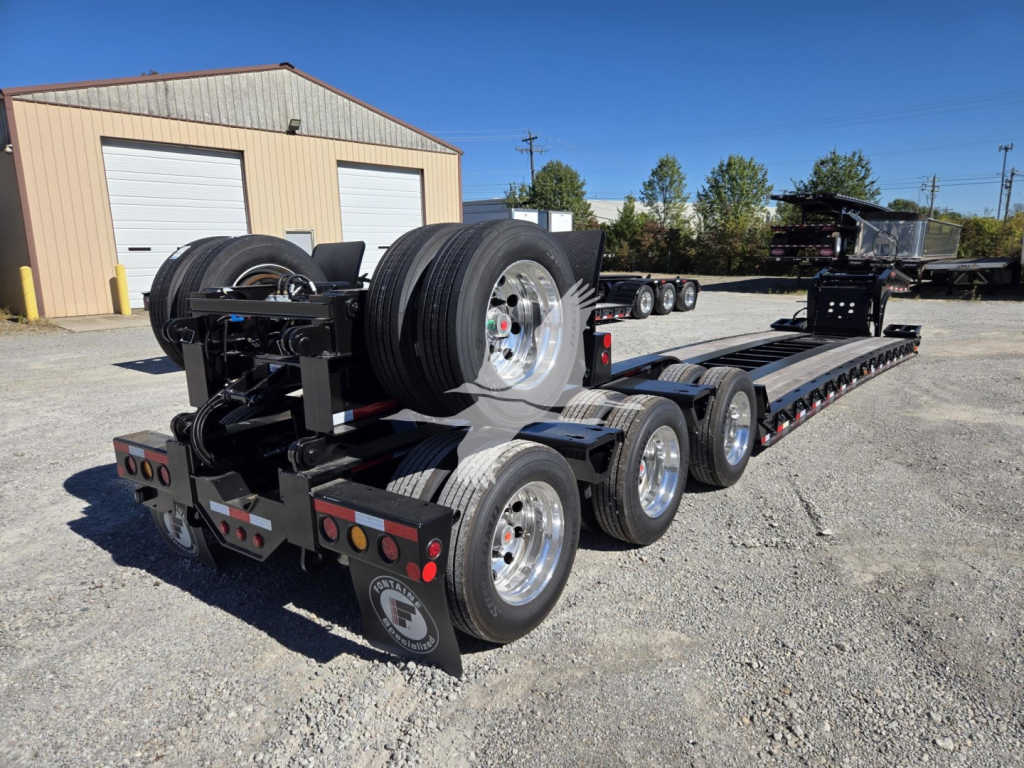
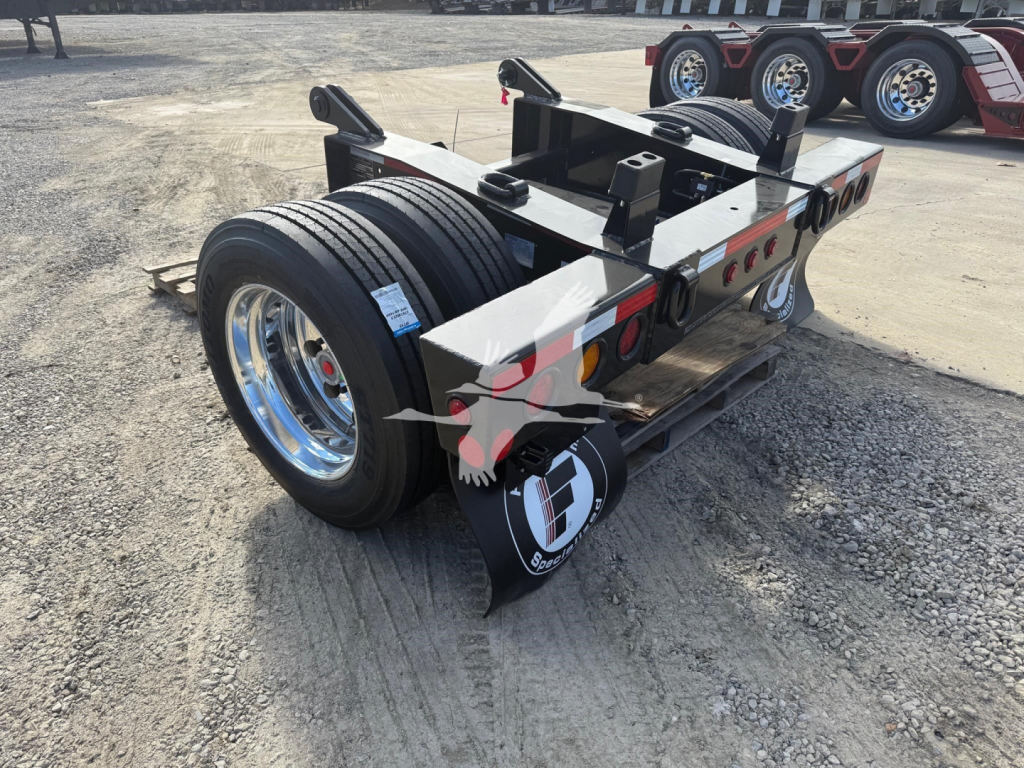
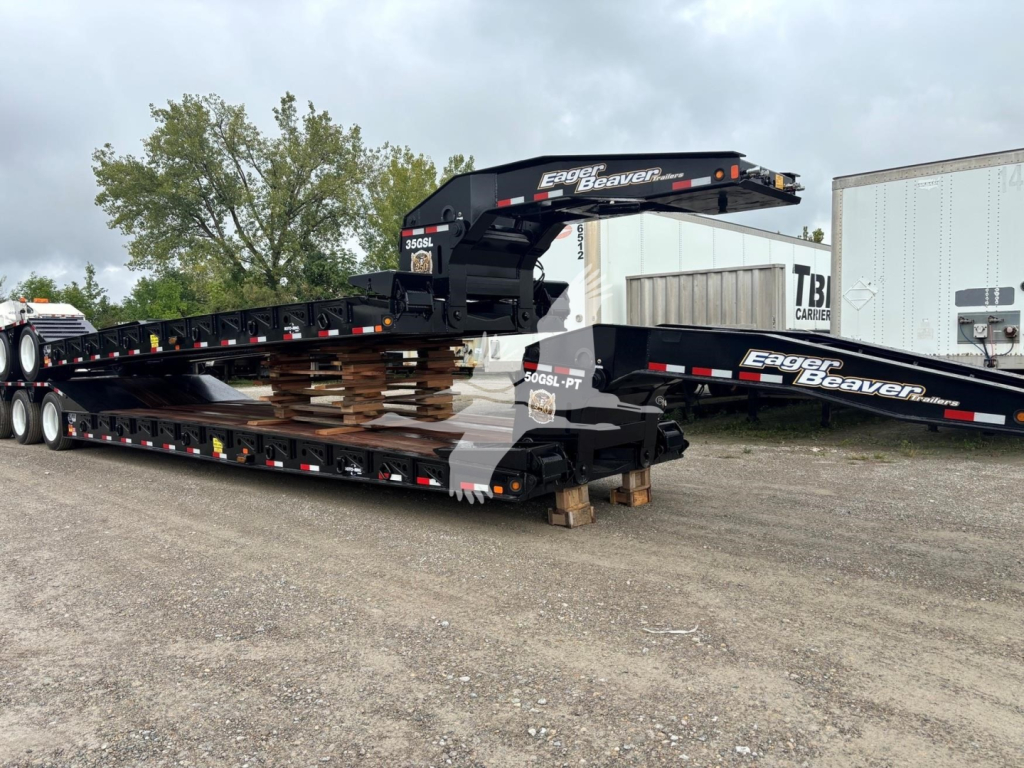
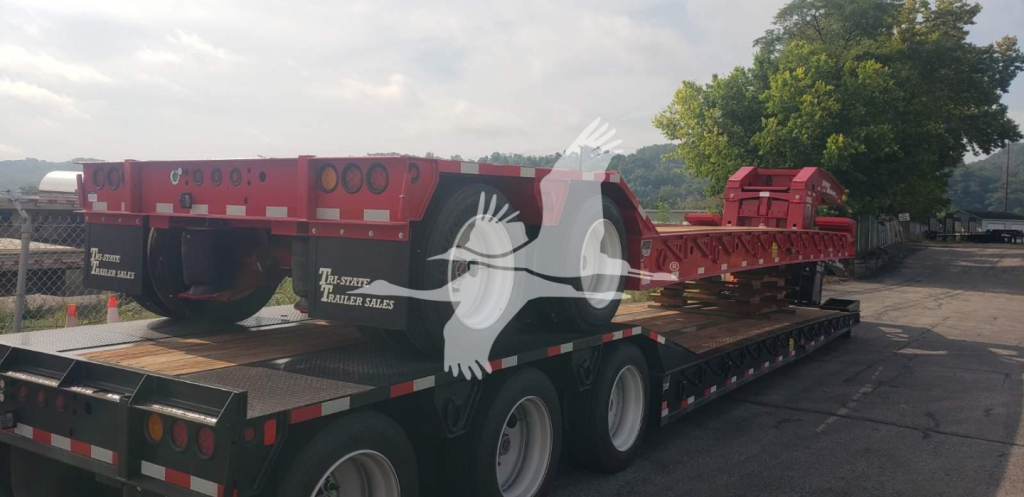
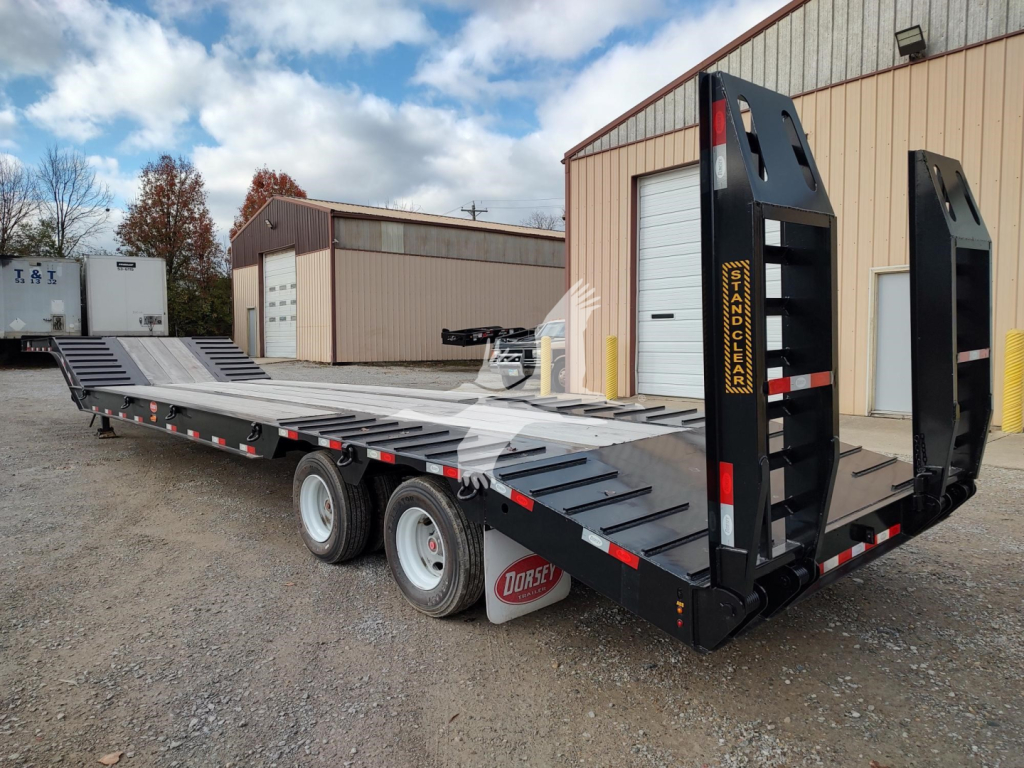
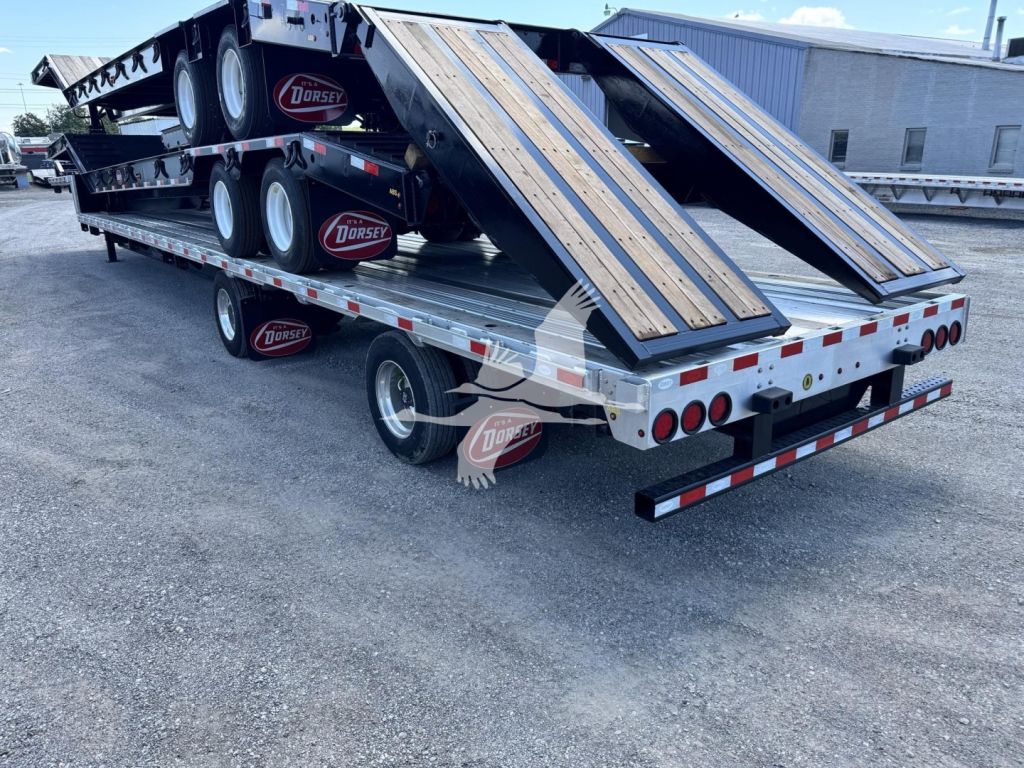
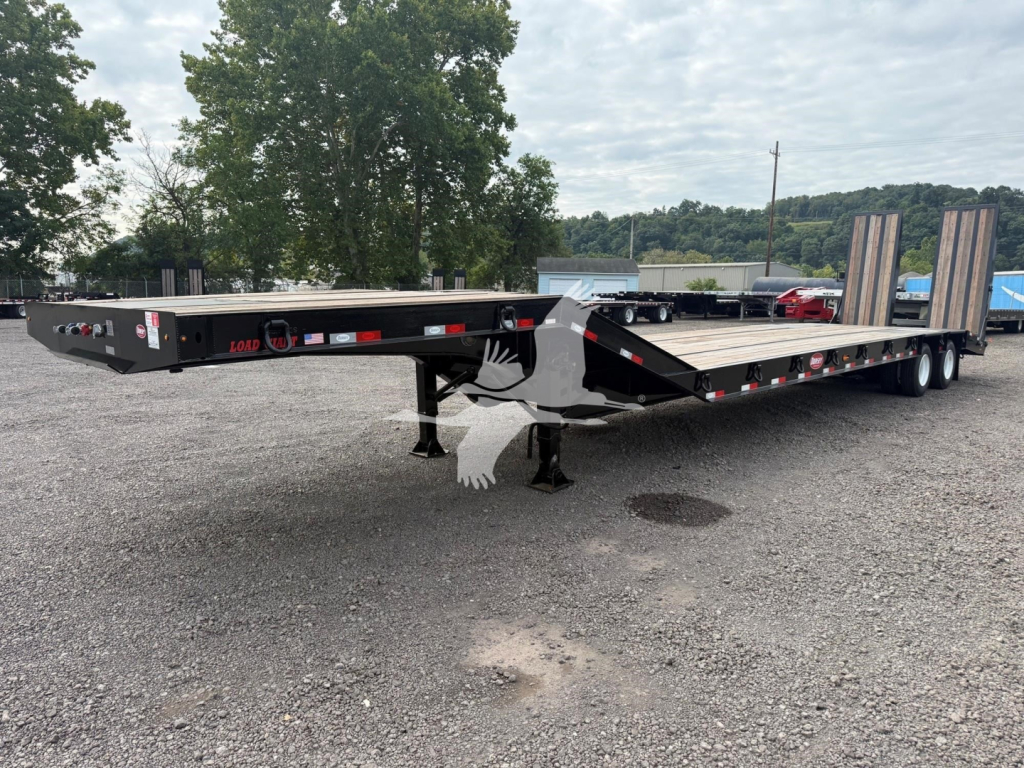
Showing 57 to 84 of 730 results
Selling a new kalyn siebert trailer? List your new kalyn siebert trailer for sale and reach thousands of commercial buyers.
New Kalyn Siebert Trailers
For many buyers, the key decision starts with capacity and axle layout. New Kalyn Siebert trailers are commonly spec'd in tandem, tri-axle, and quad-axle configurations, with heavier setups built for 35-ton, 50-ton, 60-ton, and higher capacity applications depending on the model and jurisdiction. Lowboy and detachable gooseneck designs often feature steel construction, air ride suspension, deck lengths suited to mixed equipment fleets, and load-friendly deck heights that help manage legal height on taller machines. Buyers should pay close attention to loaded deck length, concentrated load rating, neck style, outriggers, apitong flooring or traction surface, winch options, flip axle compatibility, and the trailer's ability to scale across the states where it will actually run.
Kalyn Siebert trailers are also known for practical heavy haul details that matter after the purchase. That includes reinforced crossmember layouts, secure ramp or neck connection systems, durable paint and corrosion protection, and axle group designs that help distribute weight without making the trailer cumbersome to position on jobsites. On detachable and lowboy models, loading angle, ground bearing under the neck, and deck transition geometry are important because they affect how easily low-clearance machines can be loaded without hanging up. Buyers running regional or multi-state permits should also compare overall trailer weight, axle spacing, ride height, and accessory package choices, since those factors directly affect payload flexibility and permit strategy.
A new Kalyn Siebert trailer is generally a fit for fleets that want a purpose-built equipment trailer rather than a general commodity platform. The value is in matching the trailer to the load profile: machine weight, track width, attachment overhang, loading frequency, and road conditions. A contractor hauling mixed iron every day may prioritize a versatile lowboy with a practical deck length and air ride suspension, while a specialized heavy hauler may focus on multi-axle capacity, flip axle options, and bridge-friendly spread. The right spec is the one that carries your heaviest routine load efficiently, scales predictably, and holds up to repeated jobsite use without turning every move into a permit or loading problem.
Frequently Asked Questions about New Kalyn Siebert Trailers
What types of trailers is Kalyn Siebert best known for?
Kalyn Siebert is best known for heavy haul and specialized equipment trailers, especially lowboy trailers, detachable gooseneck trailers, and other configurations designed for transporting construction and industrial equipment. These trailers are commonly used to haul excavators, dozers, loaders, paving equipment, and oversize machinery where deck height, capacity, and axle placement matter more than simple cargo volume.
What should I look at first when comparing new Kalyn Siebert lowboy trailers?
Start with rated capacity, axle count, loaded deck length, and overall deck height. Those four factors determine what equipment the trailer can legally and practically carry. After that, review suspension type, neck design, concentrated load rating, ramp or detachable loading method, and whether the trailer can accept flip axles or other capacity-extending components. The best trailer on paper is not always the best trailer for your permit lanes, machine fleet, or loading conditions.
Is air ride suspension a good choice on a heavy haul trailer?
Air ride suspension is a common and effective choice on many heavy haul and lowboy applications because it helps manage ride quality and load stability on uneven roads. It can also be beneficial for protecting both the trailer structure and the equipment being transported. That said, suspension choice should be evaluated alongside axle spacing, maintenance preferences, and the type of terrain the trailer will see, especially if it will spend a lot of time on rough jobsites or undeveloped surfaces.
Why does deck height matter on a lowboy trailer?
Deck height directly affects legal loaded height and the types of machines you can move without routing or permit complications. A lower deck allows taller equipment to stay within height limits more easily, which is one of the main reasons lowboy trailers are used for heavy equipment transport. Deck height also influences loading angle, center of gravity, and how stable the trailer feels under taller or top-heavy machines.
How do I know if I need a tri-axle or quad-axle Kalyn Siebert trailer?
That decision depends on your typical payload, the weight distribution of the machines you haul, and the states where you operate. A tri-axle setup may be suitable for lighter heavy equipment and simpler permit scenarios, while a quad-axle trailer is often chosen for higher-capacity applications and improved weight distribution. The correct choice comes down to bridge law requirements, axle loading, trailer tare weight, and how often you need to move machines near the top end of the trailer's rating.