
New CTS Hopper Trailers For Sale
Shop new CTS hopper trailers built for grain and bulk commodities, with durable aluminum construction, tandem axles, and efficient unloading.
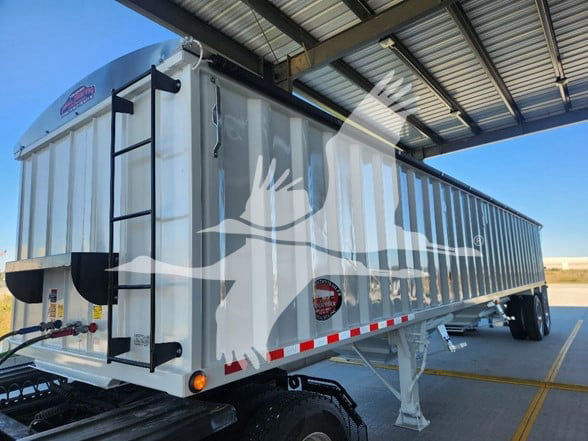
Selling a new cts hopper trailer? List your new cts hopper trailer for sale and reach thousands of commercial buyers.
New CTS Hopper Trailers
The hopper design, also called a grain hopper or hopper bottom trailer, is centered on fast gravity unloading through bottom gates. That matters if your operation runs between farm pickups, elevators, feed mills, or processing plants where turnaround time is tight. Buyers should pay attention to hopper slope, gate design, trap operation, and tarp system. Manual tarps remain common for simplicity, while electric tarp systems reduce climb time and speed up repeated stops. Suspension choice is another key decision. A tandem setup with a 48,000-pound suspension and spring ride axles is a familiar spec in agricultural use, balancing durability, serviceability, and cost.
Wheel and tire spec also deserves attention because it affects tare weight and maintenance planning. Aluminum outer wheels are popular when every pound of payload counts, and 11R24.5 tires remain a common choice for mixed highway and rural road use. On new hopper trailers, buyers often compare axle ratings, kingpin setting, landing gear strength, brake package, and lighting layout, especially if the trailer will see rough farm entrances, frequent seasonal loading, or multi-state registration requirements. If the work involves fertilizer, feed ingredients, or other bulk materials beyond grain, floor and gate sealing quality becomes even more important to reduce leakage and product hang-up.
For most buyers, the right CTS hopper trailer comes down to matching cubic capacity and empty weight to the commodity being hauled. Grain operators usually want a trailer that loads efficiently, unloads cleanly, and stays easy to maintain through harvest pressure. A well-spec'd new hopper should deliver smooth gate control, dependable tarp operation, a stable suspension package, and an aluminum body built for repeated exposure to weather, dust, and road salts. When comparing listings, focus less on model year alone and more on dimensions, axle and suspension ratings, wheel spec, and unload configuration, since those details determine how the trailer performs in the field.
Frequently Asked Questions about New CTS Hopper Trailers
What is a CTS hopper trailer typically used for?
A CTS hopper trailer is typically used to haul grain and other free-flowing bulk commodities that unload by gravity through bottom hopper gates. Common applications include corn, soybeans, wheat, feed, and similar agricultural products moving between farms, elevators, mills, and processors. Depending on the exact build, some hopper trailers are also used for fertilizer or other dry bulk materials, but buyers should confirm gate sealing, material compatibility, and cleanout needs for the intended commodity.
What specs matter most when buying a new hopper trailer?
The most important specs are trailer length, width, side height, cubic capacity, empty weight, axle rating, suspension type, and tarp system. These determine how much product the trailer can legally and efficiently haul, how it rides under load, and how quickly it can be loaded and unloaded. Buyers should also review tire size, wheel material, brake setup, gate operation, and kingpin setting because those details affect maintenance, handling, and compatibility with the tractor and route conditions.
Is spring ride or air ride better on a hopper trailer?
Spring ride is a common choice on hopper trailers because it is durable, straightforward to maintain, and well-suited to agricultural use where trailers see uneven farm roads and seasonal heavy service. Air ride can improve ride quality and may be preferred in certain bulk commodity applications, but it adds complexity and cost. The better option depends on the route, commodity, maintenance priorities, and how much emphasis the operation places on simplicity versus ride characteristics.
Why do many grain hoppers use aluminum wheels and aluminum construction?
Aluminum construction helps reduce empty weight, which can improve legal payload and fuel efficiency. Aluminum outer wheels are also popular for the same reason, especially in operations where every pound matters during harvest or long-haul grain movement. In addition to weight savings, aluminum offers strong corrosion resistance, which is valuable for trailers exposed to moisture, fertilizer dust, and road salts. Buyers still need to evaluate frame design, weld quality, and structural support, because low weight only helps if the trailer is built for the intended duty cycle.
How do I choose the right hopper size for my operation?
The right hopper size depends on commodity density, legal weight limits, route requirements, and how the trailer will be loaded. A trailer that is too large in cubic capacity may still gross out before it fills when hauling heavier commodities, while a trailer that is too small can limit productivity on lighter grain. Buyers should match trailer dimensions and cubic capacity to the actual products hauled most often, then confirm axle and suspension ratings, state bridge laws, and unload requirements before making a final decision.