
CTS Hopper Trailers For Sale
Shop CTS hopper trailers with common specs, capacities, axle setups, tarp options, and suspension details for grain and bulk commodity hauling.
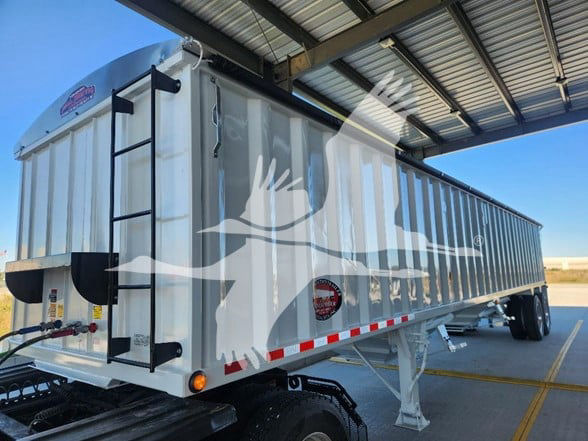
Selling a cts hopper trailer? List your cts hopper trailer for sale and reach thousands of commercial buyers.
CTS Hopper Trailers
Material choice is a major buying decision. Many hopper trailers in the market use steel, aluminum, or a combination of both, and each has tradeoffs. Steel trailers generally offer a lower upfront cost and good durability in demanding service, while aluminum-focused builds can help reduce tare weight and improve payload. Buyers hauling grain, feed, fertilizer, or other free-flowing commodities should also look closely at gate design, trap operation, slope angles, and seal quality. A trailer that meters product consistently and empties cleanly saves time at the auger, conveyor, or pit and reduces leftover material between loads.
Suspension and axle specs deserve close attention because they influence ride quality, maintenance cost, and legal hauling capacity. Tandem axle hopper trailers are common for grain operations and regional bulk routes, often paired with 48,000-pound suspension ratings and 25,000-pound axle ratings, depending on the build. Spring ride remains popular for its simplicity and lower cost, while air ride can be attractive for smoother operation and commodity protection. Tire size, wheel material, brake configuration, and hub package should be matched to the miles you run and the service environment. Aluminum outer wheels are often chosen to trim weight and improve appearance without moving to a full aluminum wheel package.
Tarp equipment, overall height, and discharge layout matter more than many first-time buyers expect. Manual tarps are still common, but electric tarp systems can speed up loading and reduce driver effort during harvest or high-turn work. Trailer height affects cubic capacity and load profile, especially when moving lower-density grain. Buyers should also verify hopper clearance, crank access, subframe design, and the condition of wear points around traps, seams, crossmembers, and suspension mounts. A well-matched CTS hopper trailer should fit the commodity, the route, and the unload setup without forcing compromises on payload, durability, or day-to-day ease of use.
Frequently Asked Questions about CTS Hopper Trailers
What are the most important specs to compare on a CTS hopper trailer?
The key specs are trailer length, width, sidewall or overall height, number of hopper bays, material construction, axle configuration, suspension type, and tare weight. Buyers should also compare gate style, trap size, tarp system, tire size, and wheel package. These details determine how much commodity the trailer can carry, how easily it unloads, and how well it fits local bridge laws, farm lanes, elevators, and bulk handling facilities.
Is a steel CTS hopper trailer a good choice for grain hauling?
A steel hopper trailer can be a practical choice for grain hauling when durability and purchase price are priorities. Steel construction is often favored in tough service where the trailer sees frequent loading cycles, uneven terrain, or demanding seasonal use. The tradeoff is usually higher empty weight compared with aluminum, so buyers should balance upfront cost against potential payload gains if they are hauling by the pound on every trip.
Should I choose spring ride or air ride on a hopper trailer?
Spring ride is common on hopper trailers because it is simple, durable, and generally less expensive to maintain. Air ride can provide a smoother ride and may be preferred when protecting commodity quality or improving overall trailer handling on mixed road conditions. The right choice depends on route quality, maintenance preferences, driver expectations, and how sensitive the product is to vibration and rough handling.
How many hoppers should a grain trailer have?
Two-hopper designs are very common in grain trailers because they offer a good balance of structural simplicity, unload control, and compatibility with many pits and auger setups. The number of hoppers affects discharge speed, product flow, and how easily the trailer can be positioned over unload points. Buyers should match hopper layout to the facilities they use most often, especially if pit spacing or auger placement is limited.
What should I inspect on a used hopper trailer before buying?
Focus on trap doors, gate seals, hopper slopes, subframe condition, landing gear, suspension hangers, axle alignment, brake components, wheel ends, and tire wear. Check for corrosion, cracking, patch repairs, and evidence of product leakage around seams and discharge areas. Tarp condition, electric tarp operation, and signs of stress around crossmembers and suspension mounts also deserve close inspection because those areas affect both reliability and long-term repair cost.