
HICKS Trailers For Sale
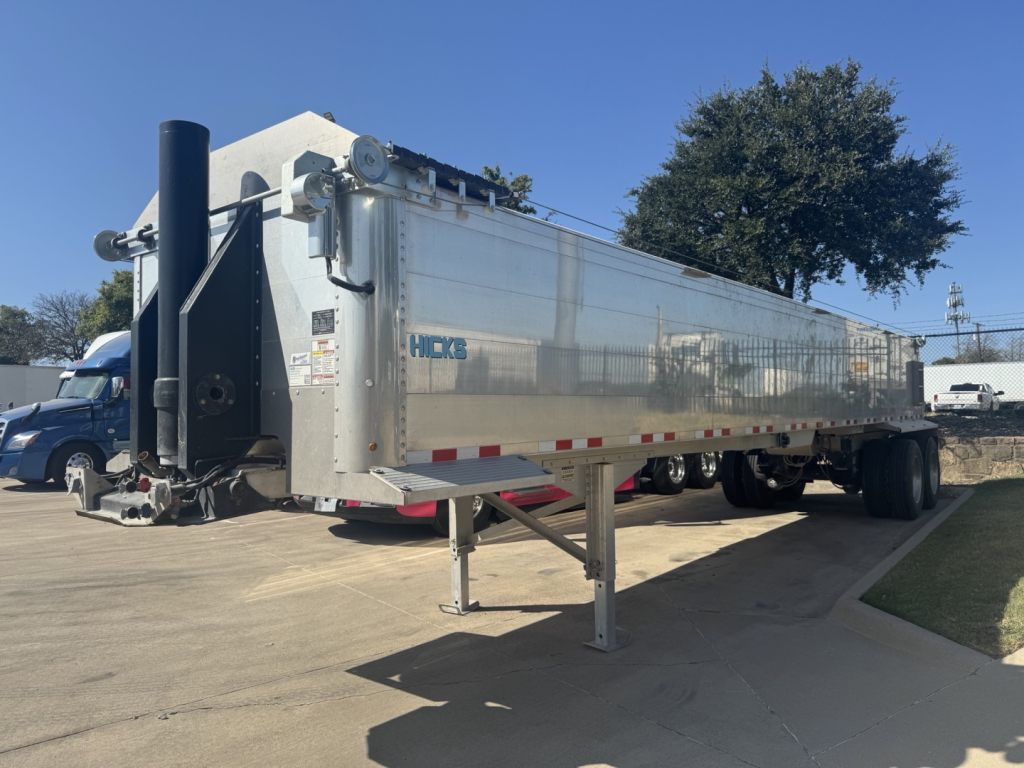
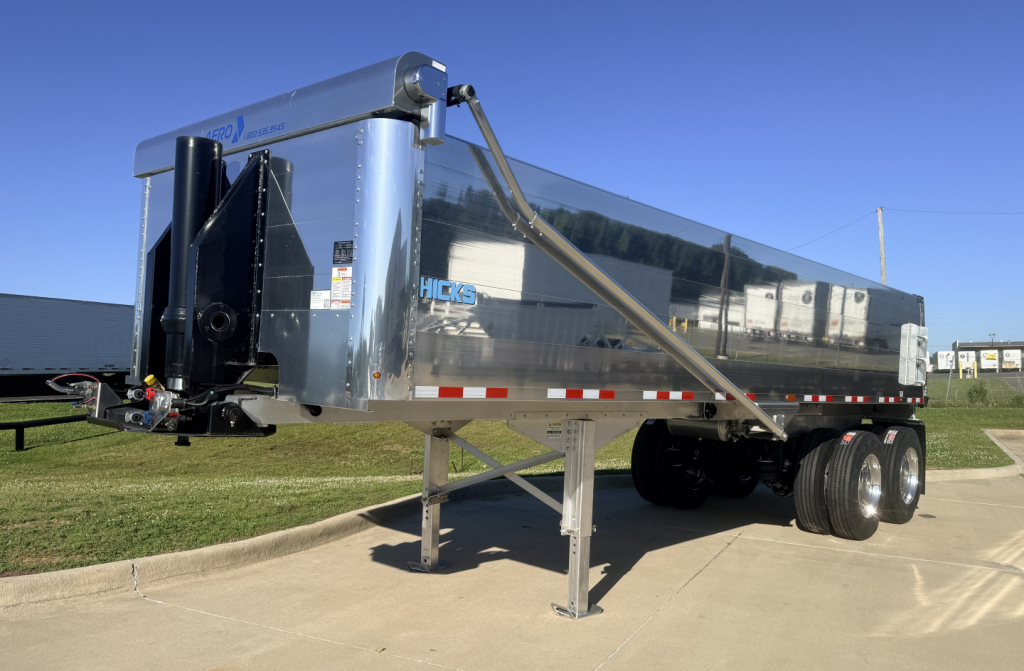
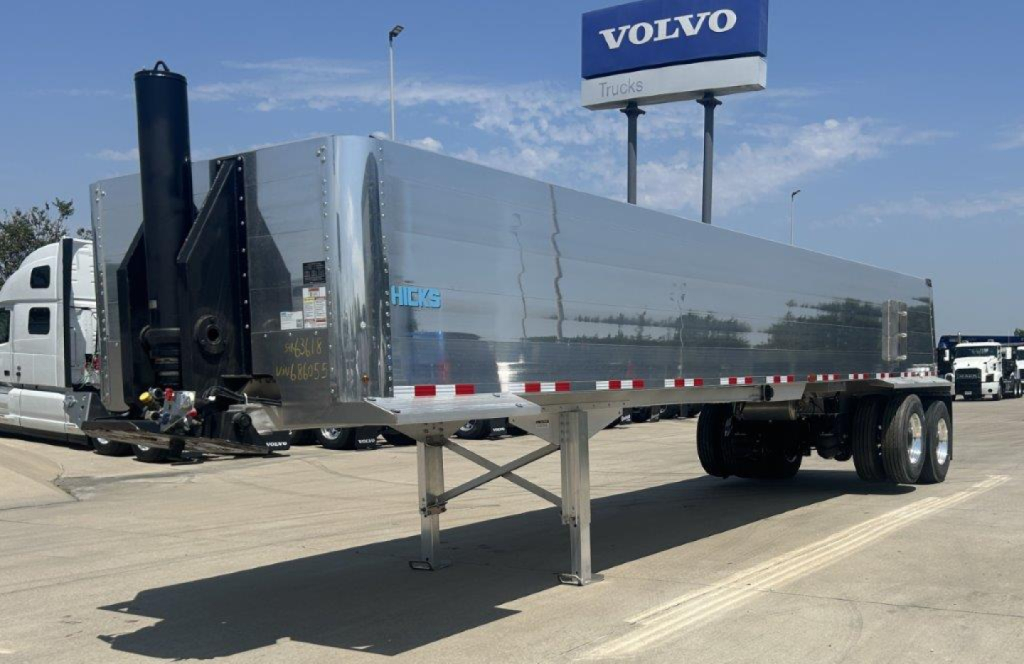
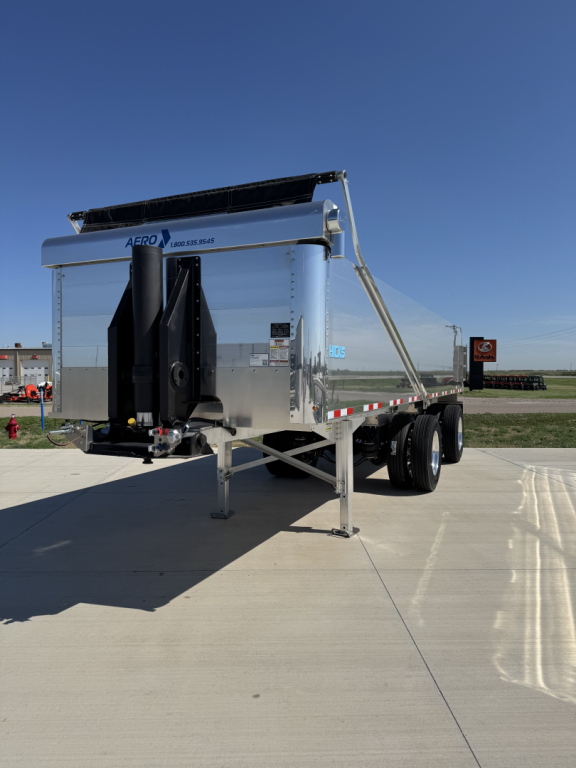
Browse HICKS trailers for sale, including aluminum end dump models with frameless construction, air ride suspension, lift axles, and liner options.

Selling a hicks trailer? List your hicks trailer for sale and reach thousands of commercial buyers.
HICKS Trailers
A lot of the buying decision comes down to body style and liner spec. Frameless HICKS dump trailers are popular for operators who want low trailer weight and strong dump performance in clean bulk commodities, while floor and wall liner packages become more important when hauling abrasive material or demolition loads. UHMW and heavy floor liner options help protect the tub, improve material release, and reduce carryback. Capacity and body length vary by application, with examples in the market including roughly 28-foot bodies around the high-20 cubic yard range and longer 39-foot end dumps designed for higher-volume work.
Running gear and operating features matter just as much as the trailer shell. Many HICKS trailers are spec'd with Ridewell air ride suspension, lift axles, tire inflation systems, electric tarp systems, and front-plumbed tailgate controls. Those details affect daily uptime, unloading safety, and tire life. A top-hinge rear gate is common on end dumps handling loose material, while auto-sensing lift axles can help reduce scrub and improve maneuverability when empty or lightly loaded. Buyers should also pay attention to leg style, hub and drum package, gate control layout, and whether the trailer has weather-protected air valves and switchgear.
The right HICKS trailer spec depends on what you haul and where you haul it. For quarry and road building work, focus on liner thickness, suspension durability, and axle configuration. For long-haul bulk service, lighter empty weight and tire management systems can have a bigger impact on operating cost. If the route includes tight jobsites or soft ground, axle spread, dump stability, and ground clearance become more important. A well-matched HICKS dump trailer can be a strong fit for fleets and owner-operators that need a lightweight aluminum trailer with practical work-ready features instead of unnecessary complexity.
Frequently Asked Questions about HICKS Trailers
What types of trailers is HICKS best known for?
HICKS is most commonly associated with aluminum dump trailers, including frameless aluminum end dumps used in aggregate, construction, paving, and bulk material hauling. These trailers are typically built to balance low empty weight with durable dump body construction, making them a practical choice for operators focused on payload and cycle efficiency.
What should I look for when comparing HICKS dump trailers?
Start with body length, cubic yard capacity, axle configuration, and liner package. Then look closely at suspension brand and model, brake type, wheel material, tire size, tarp system, gate style, and whether the trailer includes features like a lift axle or central tire inflation system. For many buyers, liner thickness and body construction are as important as headline capacity because they directly affect service life in abrasive applications.
Are HICKS trailers better suited for lightweight bulk hauling or heavy abrasive materials?
They can be spec'd for both, but the exact trailer matters. A lighter aluminum frameless end dump is attractive for maximizing payload in clean aggregate or general bulk service. If the trailer will handle riprap, demolition debris, or other abrasive loads, a heavier liner package and reinforced wear areas become much more important. The best fit depends on the material, loading method, and expected dump cycles.
Why do lift axles and tire inflation systems matter on a dump trailer?
A lift axle can improve maneuverability and reduce tire scrub when the trailer is empty or operating below full axle load, which can help lower tire and suspension wear. A tire inflation system helps maintain proper tire pressure during operation, improving tire life, fuel efficiency, and roadside reliability. On high-cycle dump work, both features can contribute to lower operating cost over time.
Is a frameless HICKS end dump a good choice for all applications?
Not always. Frameless end dumps are popular because they are lighter and can offer strong payload performance, but they need to be matched to the operating environment. If your work involves uneven jobsites, sticky material, or severe impact loading, body design, liner spec, and dump stability should be reviewed carefully. The right choice depends on your load type, road conditions, and how aggressively the trailer will be used.