
HICKS Dump Trailers For Sale
Shop HICKS dump trailers for heavy bulk hauling. Compare frameless aluminum end dumps, liner options, lift axles, tarps, and suspension specs.
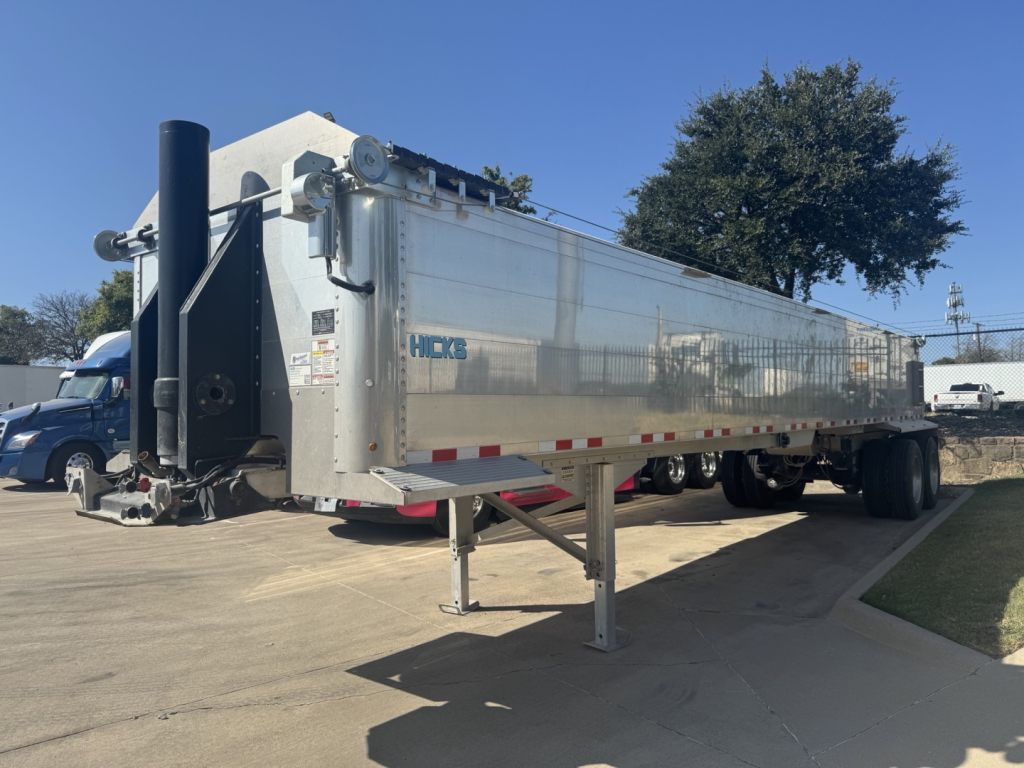
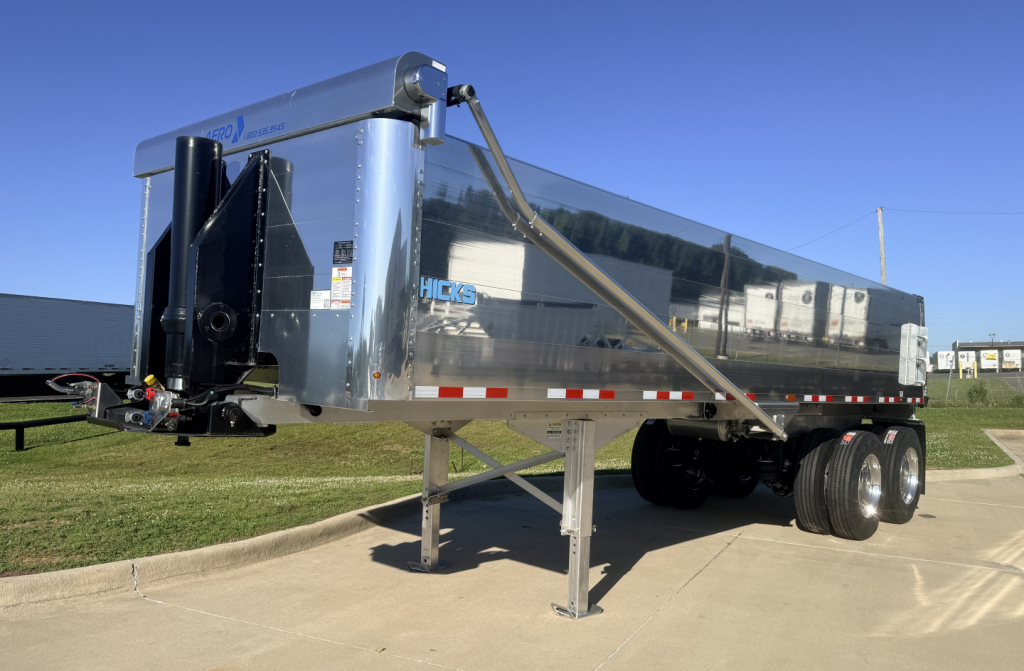
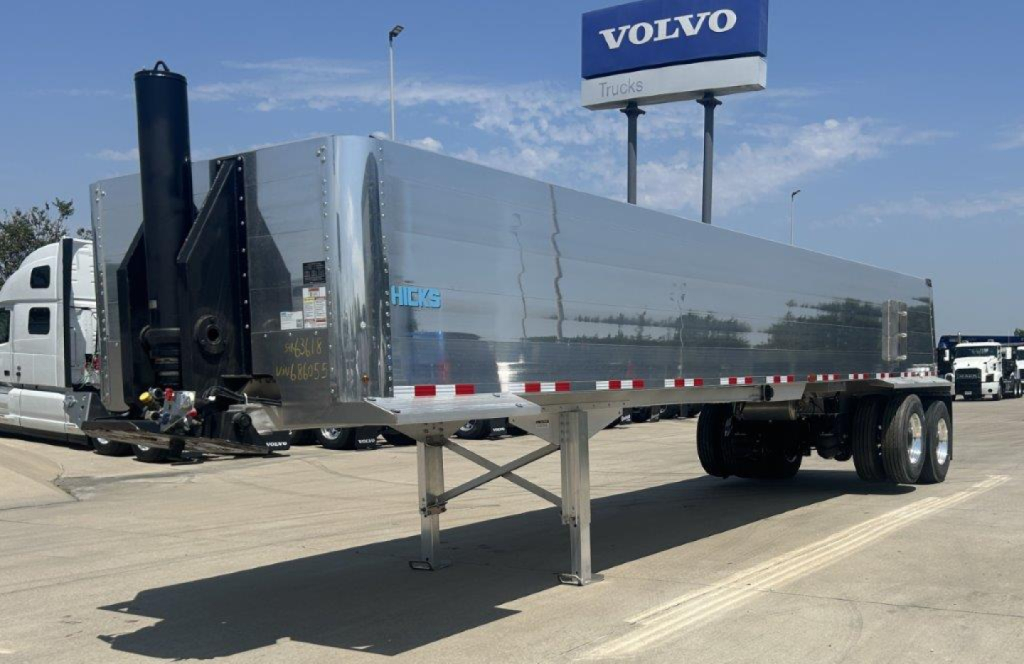
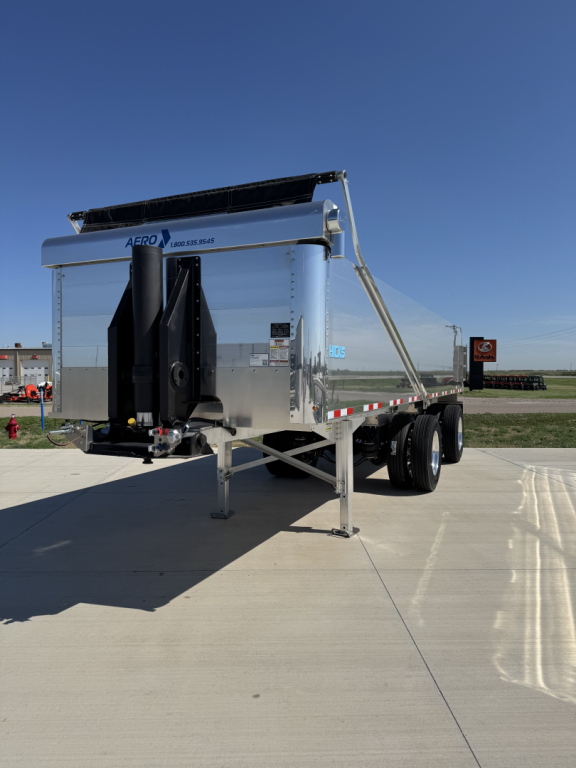

Selling a hicks dump trailer? List your hicks dump trailer for sale and reach thousands of commercial buyers.
HICKS Dump Trailers
The first decision is usually body length and haul profile. A shorter 28-foot frameless dump trailer can be a strong fit for tighter jobsite access, regional paving work, and operators who want a balance of capacity and maneuverability. A 39-foot frameless end dump pushes toward larger volume applications and longer haul efficiency when the material and route allow it. Frameless construction reduces empty weight, but it also puts more importance on matching the trailer to your typical load. If you haul uneven demolition scrap, large rock, or highly concentrated loads on rough ground, pay close attention to liner package, floor thickness, and how the load releases through the body and gate design.
HICKS trailers in this class are often equipped with practical spec choices that matter in daily use. Heavy UHMW liners and graduated liner thicknesses help with abrasion resistance and cleaner unloading, especially with sticky or sharp material. Electric flip tarps or front-to-back tarp systems improve load securement and speed up cycles between the pit, plant, and dump site. Auto-sensing lift axles, tire inflation systems, and Ridewell air ride suspensions are all common features aimed at lowering tire wear, improving ride quality, and helping manage axle weights. Top-hinge rear gates, electric tailgate controls plumbed to the front, weather-tight air control boxes, and aluminum drop legs or pin-style legs are the kinds of details that affect uptime more than most buyers expect.
A serious buyer should compare cubic-yard rating, body length, axle spread, suspension model, and liner coverage before focusing on price alone. Dump trailer performance is tied to how well the trailer matches the material, the road conditions, and the tractor spec in front of it. On a HICKS frameless aluminum dump trailer, the value is usually in payload potential, simpler corrosion management, and a spec that supports fast, repetitive unloading. If your operation depends on keeping weight low while still handling abrasive bulk material, this category is worth a close look.
Frequently Asked Questions about HICKS Dump Trailers
What are HICKS dump trailers commonly used for?
HICKS dump trailers are commonly used for hauling bulk materials such as sand, gravel, asphalt millings, dirt, and demolition debris. Most buyers are looking at frameless aluminum end dumps for operations where low empty weight and strong payload are priorities. They are especially common in aggregate, paving, site work, and regional construction hauling.
What is the advantage of a frameless aluminum end dump trailer?
A frameless aluminum end dump trailer is built to reduce tare weight and maximize legal payload while resisting corrosion better than steel in many environments. That makes it a strong choice for fleets hauling large volumes of bulk material over repeated cycles. The tradeoff is that frameless designs should be matched carefully to the material type, loading practice, and terrain so the trailer is not overstressed by severe point loading or harsh off-road conditions.
How do I choose between a 28-foot and 39-foot HICKS dump trailer?
A 28-foot trailer generally favors maneuverability, tighter jobsites, and applications where access is limited or load density is higher. A 39-foot trailer usually makes more sense when you want greater cubic capacity for lighter bulk materials and efficient long-cycle hauling. The right choice depends on the density of your material, the length and condition of your routes, and how much room you have to dump and maneuver safely.
Why do liner options matter on a dump trailer?
Liner spec affects both trailer life and unloading performance. UHMW liners and thicker wear areas help protect the floor and lower body from abrasion caused by rock, millings, and other harsh materials. A properly selected liner can also improve material flow during dumping, reduce carryback, and limit long-term body wear, which is important on aluminum dump trailers used in demanding service.
What features should I compare when shopping HICKS dump trailers for sale?
The most important features to compare are body length, cubic-yard capacity, frameless design, axle configuration, suspension type, liner thickness, gate style, tarp system, and wheel and tire package. Buyers should also look closely at lift axle setup, tire inflation systems, brake spec, and control placement for gate and air functions. Those details have a direct effect on payload, maintenance cost, unloading speed, and day-to-day driver usability.