
Heil Trailers For Sale in Pennsylvania
Browse Heil trailers for sale in Pennsylvania, including dry bulk and petroleum tank trailers with common specs, capacities, and features buyers compare.
Selling a heil trailer? List your heil trailer for sale and reach thousands of commercial buyers.
Heil Trailers in Pennsylvania
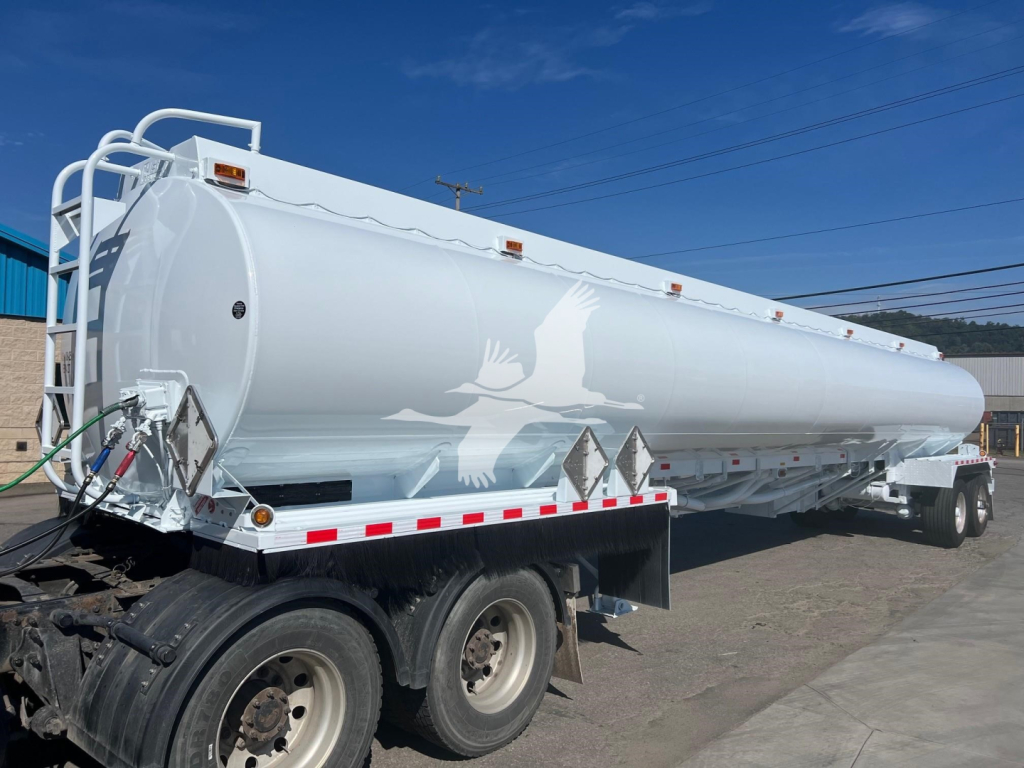
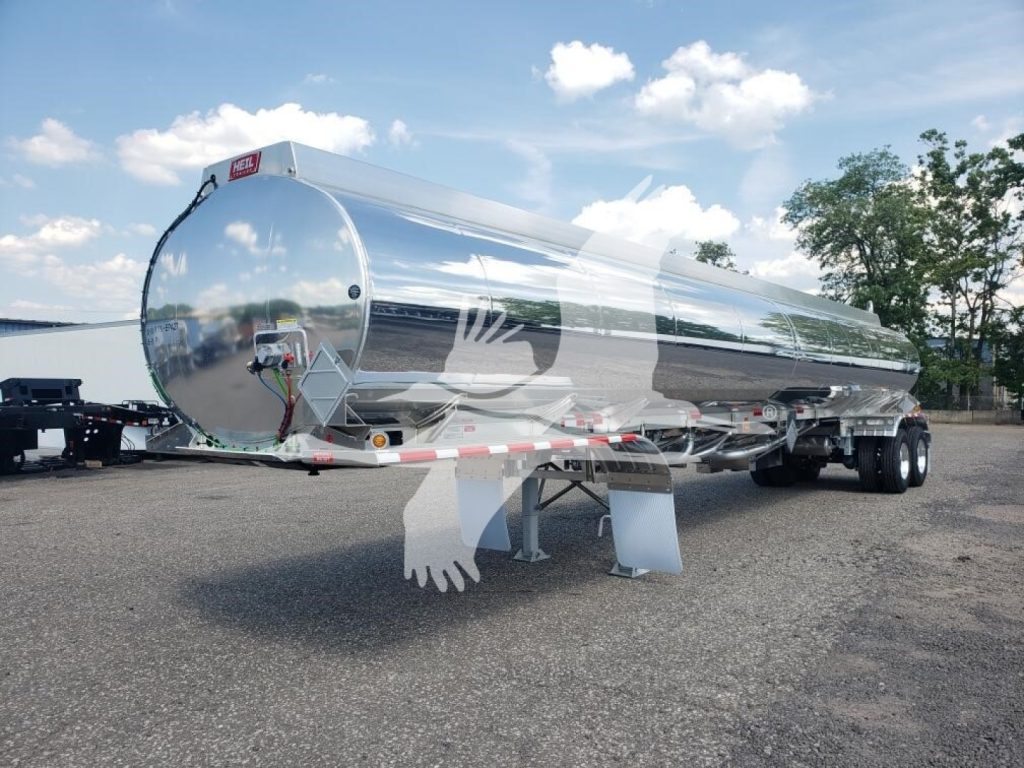
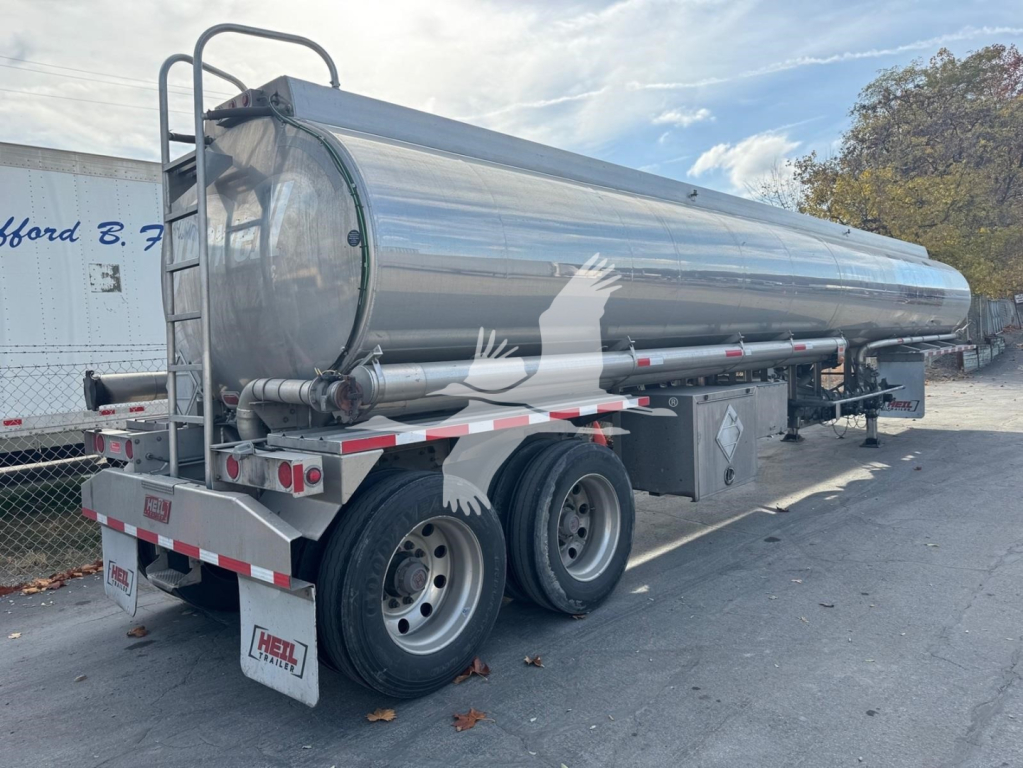
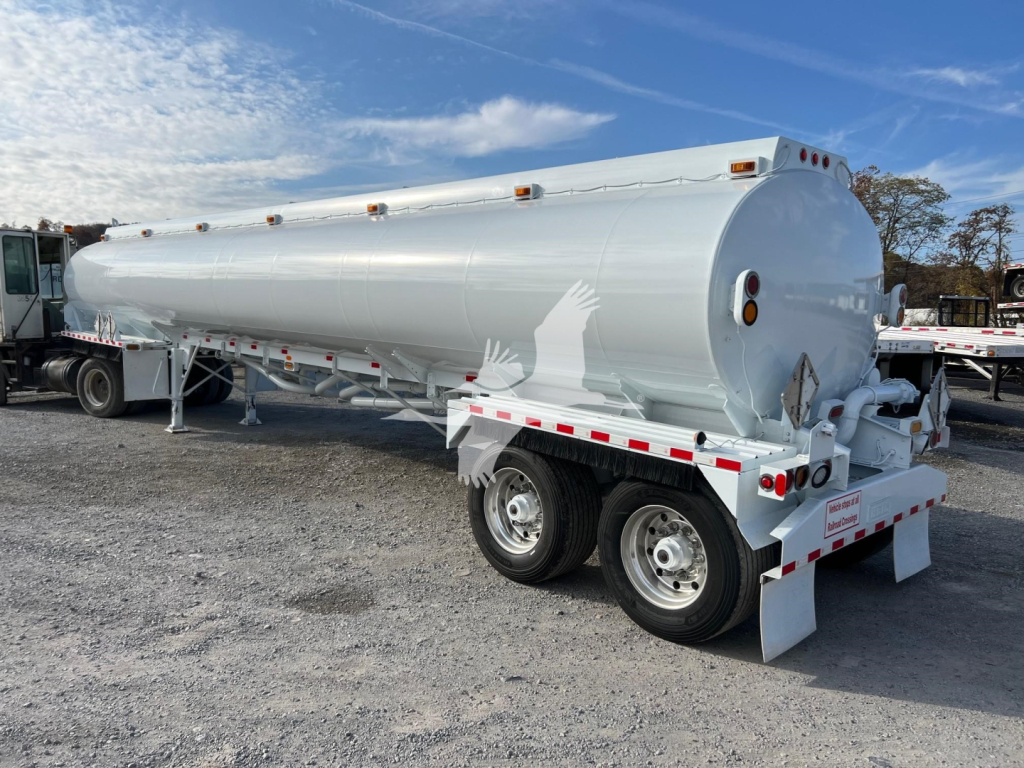
On Heil petroleum trailers, buyers typically focus on barrel construction, compartment design, and delivery hardware. Many Heil fuel tanks are aluminum MC-406 trailers with elliptical bodies, bottom loading, air-operated emergency valves, and Civacon overfill systems such as ROM II or ROMLink. Compartment splits like 3,200/2,300/1,100/2,600 or five-compartment layouts are common because they support multi-stop station work and mixed gasoline-diesel delivery. Trough bottom and drain sump design matter because they affect product evacuation and retained volume. Cabinet layout, hose tube count, internal vapor lines, sight glasses, placard setup, and pump-off-line provisions also deserve a close look, especially if the trailer is going straight into a retail fuel operation. In Pennsylvania, current V&K, I&P, and any state inspection documentation can be just as important as physical condition.
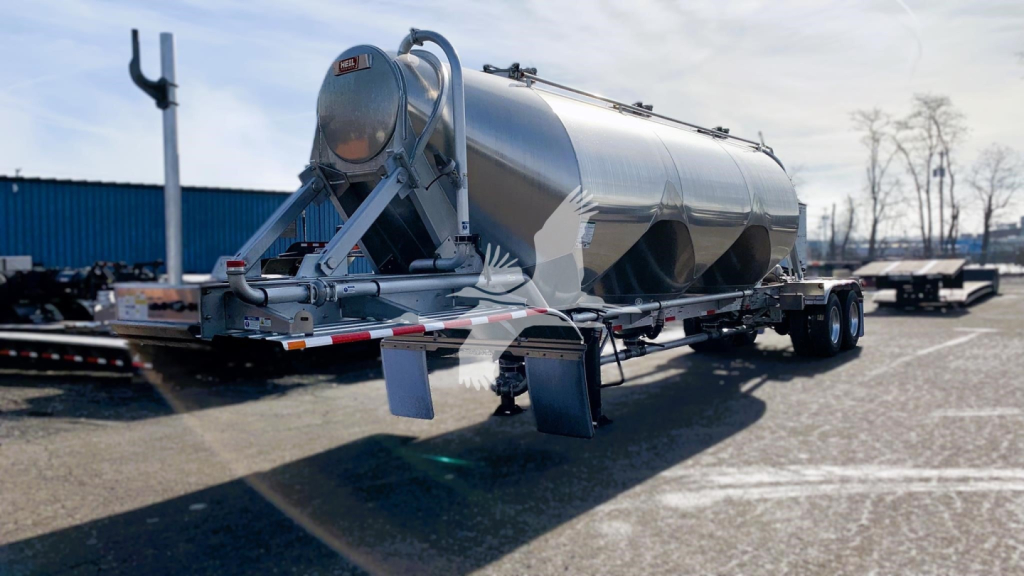
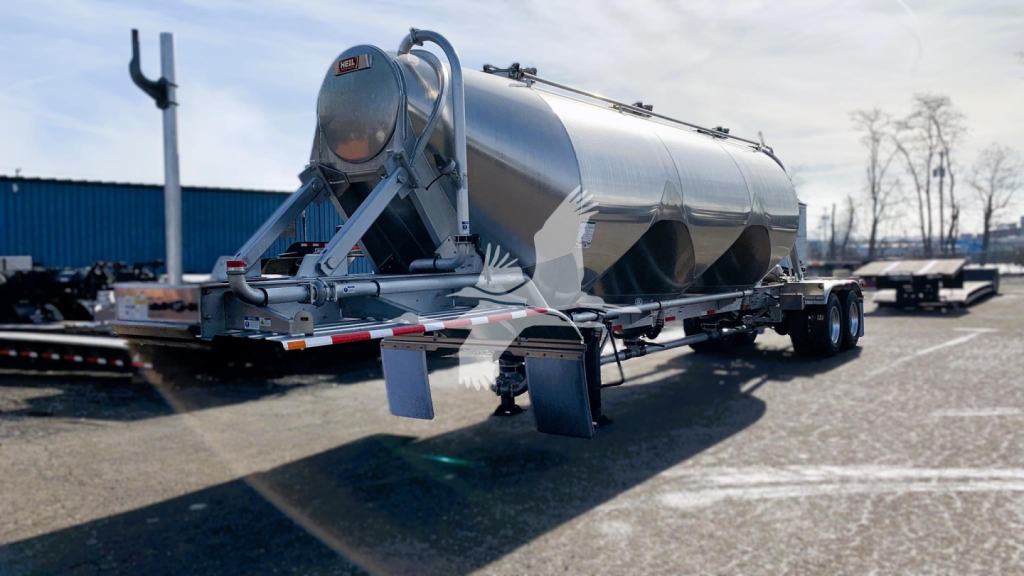
On Heil dry bulk trailers, weight and discharge performance are usually the deciding factors. Aluminum construction, aluminum piping, and lightweight running gear help maximize payload, which is critical in cement, lime, fly ash, and similar pneumatic service. Buyers should compare total cubic feet, hopper count, aeration system design, valve size, and under-axle or rear discharge plumbing based on the material they move and the blower setup in their fleet. Tandem axle air ride suspensions are common, often with Hendrickson components, and details like kingpin setting, suspension setting, landing gear spec, hose tube storage, and work lighting affect day-to-day usability more than they might seem on paper. A raised center axle configuration or specific axle spread can also matter if your work includes tight plant access or bridge-law sensitivity.
Across both categories, Heil buyers usually look for clean aluminum structure, solid maintenance history, and spec consistency with the rest of the fleet. Tire size, brake condition, wheel material, landing gear brand, suspension frame material, and cabinet condition all influence operating cost after purchase. For fuel trailers, confirm test dates, brake spec, rollover stability or ABS equipment, and compatibility with your loading rack and customer drops. For dry bulk, verify the aeration package, product valves, hose storage, and any signs of barrel or cone fatigue. The best Heil trailer is usually the one that matches your commodity, terminal setup, and maintenance standards without forcing expensive rework after delivery.
Frequently Asked Questions about Heil Trailers in Pennsylvania
What are the most common Heil trailer types buyers see in Pennsylvania?
The most common Heil trailers in this market are petroleum tank trailers and pneumatic dry bulk trailers. Petroleum units are often aluminum MC-406 fuel tank trailers built for gasoline, diesel, or fuel oil delivery, usually with multiple compartments, bottom loading, vapor recovery, and overfill protection. Dry bulk units are commonly aluminum pneumatic trailers used for cement, lime, fly ash, and similar commodities, with multi-hopper designs and lightweight construction aimed at maximizing payload.
What should I check first on a used Heil fuel trailer?
Start with code compliance, test status, and delivery system configuration. Confirm the MC-406 specification, current V&K and I&P test dates, compartment sizes, overfill system brand and operation, vapor recovery layout, and emergency valve controls. After that, inspect barrel condition, sump and trough design, cabinet condition, brake and tire wear, suspension, and any evidence of previous product contamination or poor repairs. A fuel trailer that is mechanically sound but mismatched to your rack or delivery process can still become an expensive fit-up project.
How do I choose the right Heil dry bulk trailer size and configuration?
Match the trailer to the product density, unloading system, and legal payload targets in your lanes. A 1,040 cubic foot aluminum trailer may be a strong fit for cement or similar dry commodities when payload and tare weight matter, but hopper count, aeration design, valve sizing, and discharge plumbing are just as important as cube. Three-hopper and tandem axle configurations are common. Buyers should also verify hose tube length, landing gear, suspension setting, and compatibility with the blower tractors already in the fleet.
Are aluminum Heil tank and bulk trailers worth prioritizing?
In many applications, yes. Aluminum construction reduces tare weight and can improve payload capacity, which is especially valuable in dry bulk hauling and multi-stop petroleum work where every pound matters. Aluminum also offers corrosion resistance advantages, but condition still matters more than material alone. Look closely at weld quality, frame and hanger condition, cabinet integrity, and signs of fatigue around stress points, especially on older trailers that have seen heavy route or plant work.
What Heil trailer specs have the biggest effect on resale and operating cost?
For petroleum trailers, compartment layout, test compliance, overfill and vapor recovery equipment, brake specification, and overall barrel condition have the biggest effect on value and usability. For dry bulk trailers, cubic capacity, tare weight, hopper and aeration design, valve and piping condition, and structural health around the barrel and discharge system matter most. Across both categories, buyers pay attention to suspension brand, wheel and tire package, landing gear, lighting, and whether the trailer’s spec matches common fleet standards, because non-standard equipment can raise downtime and parts costs.